Few things disrupt machining workflow as much as a broken tap or drill[^1] in your workpiece. Time, cost, and even reputation are at stake. Having a comprehensive set of removal methods is every machinist’s insurance policy.
The best way to remove broken taps or drills involves choosing among 19 proven techniques: lubrication, welding, tap extractors, chiseling, EDM, chemical dissolving, pneumatic extraction, grinding, and more. Each method must be matched to tool size, embedment depth, and workpiece value for optimal safety and success.

Broken taps or drills are hard to avoid in high-speed CNC production, manual repair jobs[^2], or field service. I’ve gathered—and tested—all the manual, mechanical, electrical, and chemical methods. Applied correctly, most workpieces can be saved without thread or surface damage.
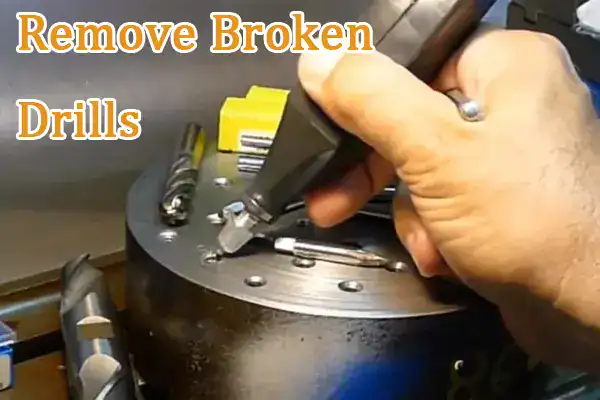
What Are the 19 Most Reliable Ways to Remove Broken Taps or Drills?
The right extraction technique starts with a careful look at the situation: is the tap slightly exposed? Is the drill stuck in a soft or hard metal? Here are the methods, step-by-step, with professional comments for workshop reference.
From lubricating oil and welding, to EDM, broken tap extractors, nitric acid, annealing, and precise grinding—these 19 ways ensure you have an answer for any broken tap or drill.
| # | Method | How It Works | Best For | Limitations / Tips |
|---|---|---|---|---|
| 1 | Fill with lubricating oil | Apply oil to fracture; tap back and forth with hairpin or fine chisel | Accessible, unseized taps | Best for minor fractures or shallow holes |
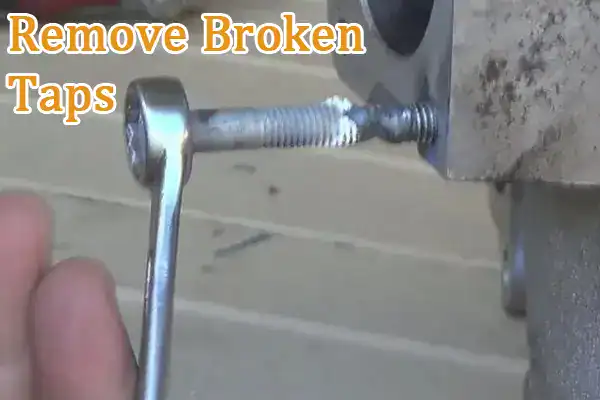
| 2 | Weld a handle or hex nut | Weld handle to tap head, gently reverse | Medium/large taps, exposed breaks | Requires welding skills, avoid overheating workpiece |
| 3 | Use tap extractor tool | Insert matched extractor into tap flutes, twist to remove | Most tap diameters | Choose extractor set[^3] to match tap size/flutes |
| 4 | Tap gently with small hammer | Light taps on fracture point to break free | Brittle, shallow taps or drills | Works well with broken carbon steel taps |
| 5 | Weld, grind flat, then re-drill | Fill with weld, grind smooth, drill new pilot | Large sections, repositionable holes | Requires re-tapping and potential re-alignment |
| 6 | Chisel a slot, use screwdriver | Cut slot in cross-section, twist out with screwdriver | Slightly projecting taps | Not easy on small diameters/grooves |
| 7 | Drill oversize, insert/weld/fix | Drill/bore larger, insert wire thread or weld and re-tap | Damaged threads, strong repair | Enlarges original thread, use at last resort |
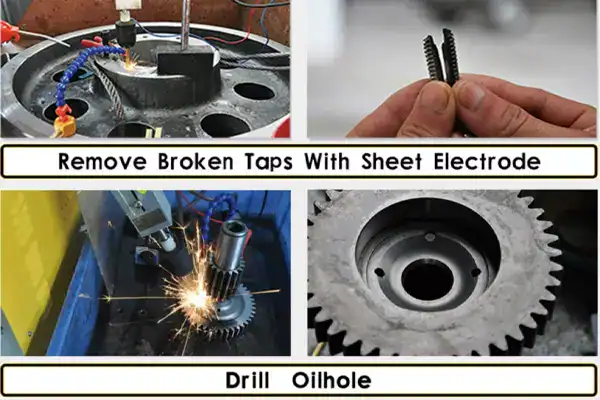
| 8 | EDM, wire cut, or spark machining | Use electric discharge to erode broken tool | Valuable, precise holes | Requires EDM machinery, best for molds/dies |
| 9 | Make chip groove removal tool | Custom fit steel wire or tool into grooves, twist out | Taps with clear chip flutes | Works best with workshop-made tool system |
| 10 | Nitric acid corrosion | Apply nitric (or alum) to dissolve HSS | HSS in soft metals (aluminum/brass) | Use chemical safety, slow process |
| 11 | Anneal then drill | Heat with flame/torch to soften, then drill away | Hardened, stuck taps | Careful of heat warping or thread damage |
| 12 | Pneumatic drill reverse | Set drill in reverse, friction loosens tap | Shallow/broken but not stuck taps | Requires “feel”, risk of expanding hole |
| 13 | Grind down, step drill out | Carefully grind, start with small drill, re-tap to size | Surface or shallow breakage | Must realign carefully, avoid oversize bore |
| 14 | Weld iron rod, unscrew | Spot-weld rod or bolt to tap, unscrew using leverage | Medium/large, strong weld required | Iron rod size must match tap, risk of part damage |
| 15 | Harder conical prying tool | Use conical tool to wedge/pry; shatters tap | Brittle, accessible taps | May break tap further or scratch hole |
| 16 | EDM hex, remove with Allen key | Spark hex cavity into tap, fit wrench, unscrew | High-value, important dimensions | Only for high-precision EDM shops |
| 17 | EDM punch out | Directly erode tap/drill with electrode | Mold and die cavities | Time-consuming, expert use required |
| 18 | Use alloy drill to drill out | Carbide/cobalt/diamond drills cut tap/drill | When other tools fail | May damage thread, only for hardened tool steel |
| 19 | Left-handed drill bit | Drill in reverse to “catch and unscrew” broken drill/tap | Soft steels, broken drills | Limited to taps/drills that aren’t jammed hard |
Bonus tip: Always clear chips, use cutting oil, and check thread integrity right after removal. If in doubt, re-tap or install a wire insert for full strength.
Why Is Tenyu Tool’s Precision Screw Extractor Set Best for Safe Tap and Drill Removal?
I’ve used many extractors—cheap tools slip or break, causing bigger problems. Tenyu Tool’s Precision Screw Extractor Set[^4] stands out for workshop professionals who want reliable, precise, and non-destructive removal across most sizes.
Our set brings:
- Industrial-grade, hardened alloy steel for lasting grip and durability.
- Flute-matched extractor fingers for taps and drills M2–M30 and larger.
- Extra-long reach for deep or near-surface extractions.
- Non-slip handles, ergonomic grip, and color-coded sizing.
- Custom OEM/ODM options for special sizes or bulk industry supply.
| Feature | Tenyu Tool Precision Extractor | Generic Extractor |
|---|---|---|
| Material | ISO/CE/RoHS alloy | Basic steel |
| Fit | Flute-matched, precision slots | Limited, can slip |
| Range | M2–M30, custom sets | Fixed, basic sizes |
| Haltbarkeit | 5x fatigue tested | Low fatigue resistance |
| Support | Tech team, OEM/ODM | No aftersales service |
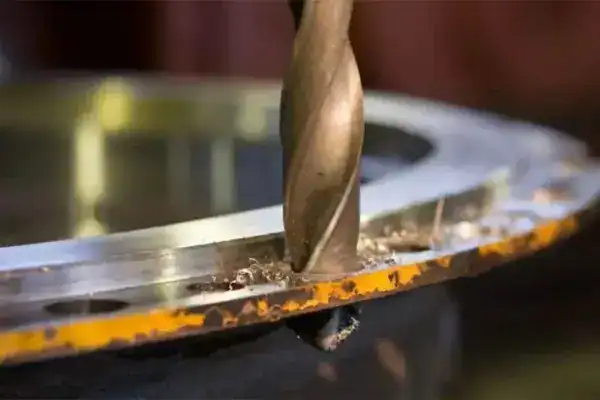
Our commitment: if you encounter a broken tap or drill[^1], Tenyu Tool not only provides the right extraction set, but also the right advice, custom solutions, and backup tools.
How to Choose the Right Method for Each Tap or Drill Removal Case?
Don’t just reach for any tool—assess the break:
- Is the fragment sticking out or flush with the surface?
- Is it a tap or a drill, HSS or carbide, small or large diameter?
- Is thread/form precision required, or can the hole be enlarged/repaired?
Match your technique:
- For high-value, critical features: Try EDM, tap extractor, or nitric acid first.
- For general repair: Try lubricating oil, reverse drilling, slotting, or welding.
- For recutting/repair: Oversize drilling, inserts, or welding, followed by new tapping.
| Situation | Recommended Method | Why? |
|---|---|---|
| Flush, accessible | Tap extractor, left-hand drill, slot & screwdriver | Non-destructive, easy |
| Deep, hard stuck | EDM, nitric acid, anneal & drill | Preserves workpiece, less risk |
| Large, replaceable | Welding, oversize drill, insert/weld | Fast, recovers part |
| Fragile part | Extractor set, slow drill, EDM hex | Gentle, high precision |
| Workshop emergency | Any available from above list | Always start with least invasive |
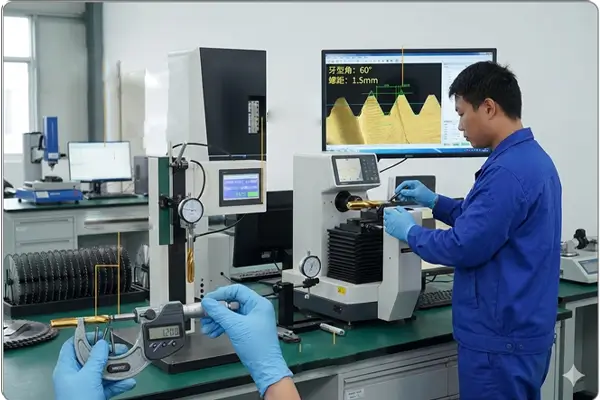
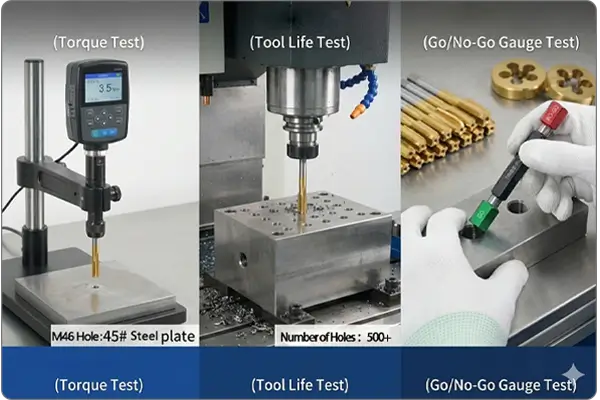
Always verify the result with a go/no-go gauge or thread checker. Any thread damage? Install an insert, or re-tap to tolerance.
Why Partner with Tenyu Tool for Drill/Tap Removal and High-Quality Tooling?
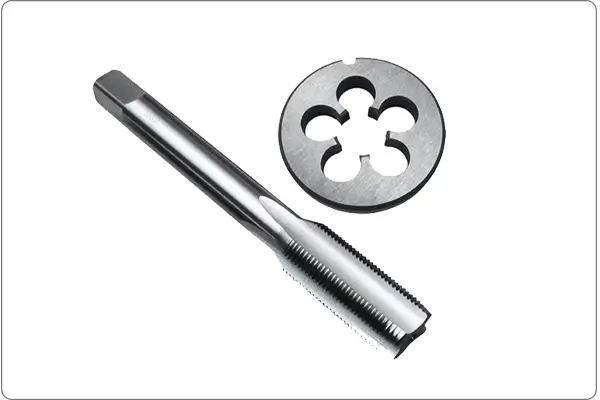
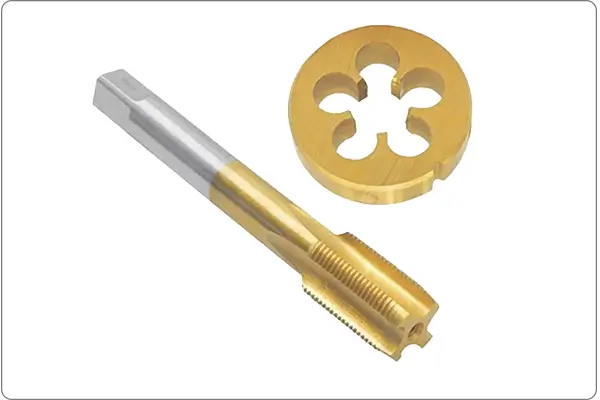
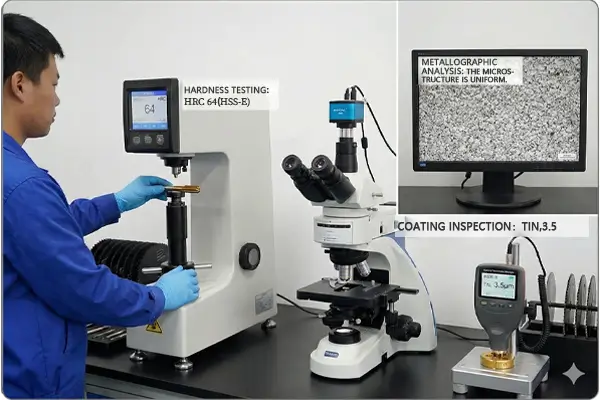
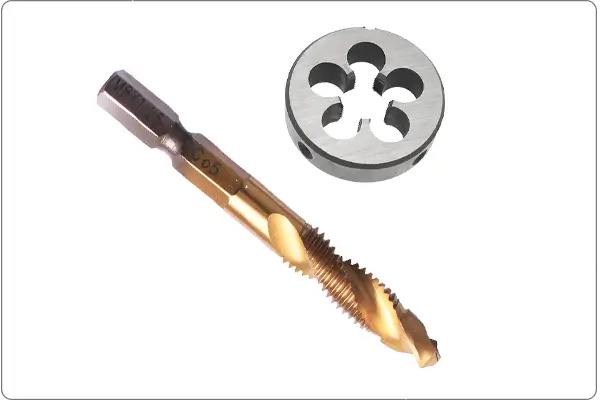
My customers count on Tenyu Tool’s experience—and our focus on breakdown prevention. Our taps, drills, and extractors use the best alloy, precision heat-treating, CNC grind, and advanced coating. This means:
- Less breakage and fewer extractions needed.
- Consistent tool supply, quick technical help, and OEM support.
- Fast backup extractor delivery if breaks occur.
We’re more than a supplier—we’re your shop’s technical partner, helping prevent breakage and get you running again fast.
OEM/ODM customers rely on our batch traceability, quick replacement service, and advanced advice for high-mix, high-tolerance work.
Request Your Free Sample
## Conclusion
With the right approach, [most broken taps ](https://www.tenyutool.com/morse-taper-shank-drill-bit/ “most broken taps “)and drills can be quickly and safely removed. From simple oil and extractors to advanced EDM and welding, having all 19 tools in your arsenal keeps you productive and protects both components and profit. Trust Tenyu Tool for the [right tool](https://www.tenyutool.com/wp-admin/post.php?post=16221&action=elementor “right tool”) and know-how every time.
—
[^1]: Understanding how to remove broken taps or drills can save time and prevent damage to your workpiece.
[^2]: Manual repair jobs often require versatile methods for tap removal, ensuring minimal damage.
[^3]: Discover the top-rated extractor set for efficient and safe removal of broken taps and drills, ensuring minimal damage and maximum success in your projects.
[^4]: Tenyu Tool’s set offers reliable and precise extraction, minimizing damage and ensuring success.