
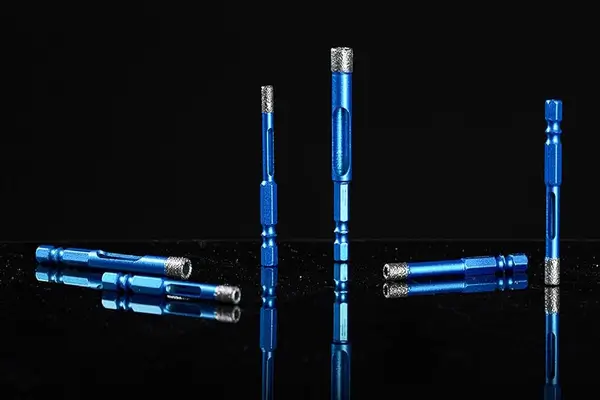
Porcelain Drill Bit Manufacturer
- Your Trusted Partner in Premium Hardware Tool Manufacturing
- 15+ Years of Excellence in Hardware Manufacturing
- Wholesale Hardware Sets at Factory-Direct Prices
- OEM & Private Label Services | EN12413 Certified
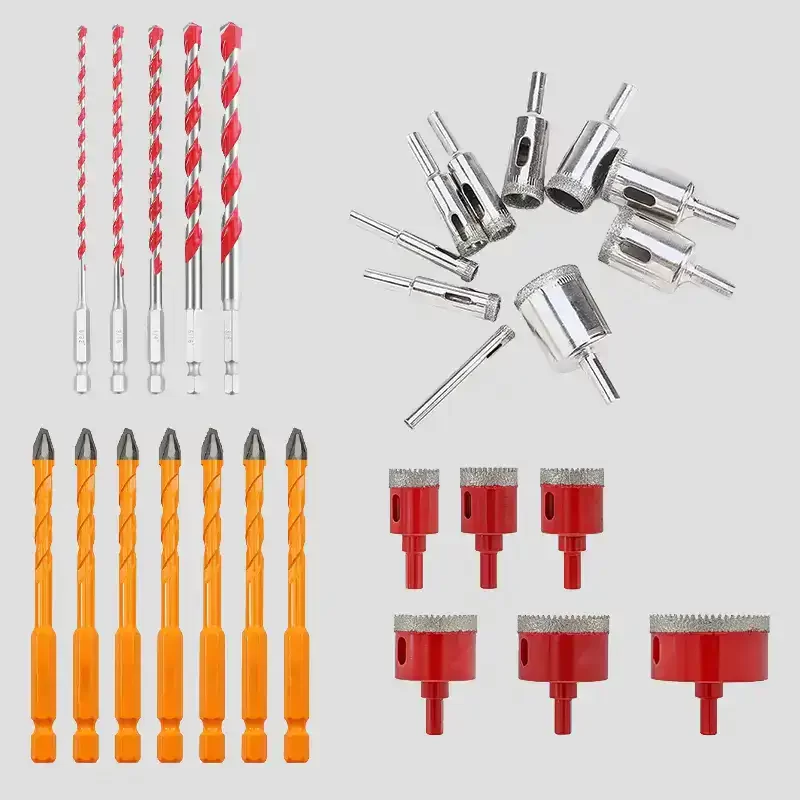
Porcelain Drill Bit Manufacturer From China
- One-stop Solution for Your Purchase
- 15+ Years of Manufacturing Expertise
- Factory-direct Pricing & Global Export Experience
- Free Samples Start Your Business
Your Leading Porcelain Drill Bit Manufacturer & Supplier
SGS & ISO Audited Hole Saw
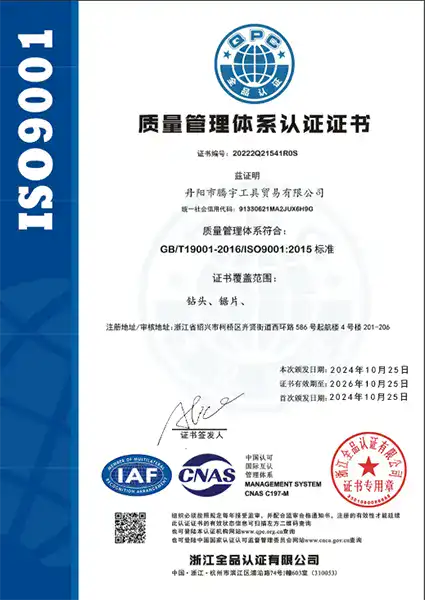
Tenyu Tool, a professional porcelain drill bit supplier, has been approved by SGS, and obtain ISO quality system certification, ISO environmental management system certification.
0% Complaint
Tenyu Tool has advanced in-house quality testing lab, 100+ QC inspection team, 100% inspected before loading, which will guarantee the product quality and eliminate your concerns.
Manufacture Test Certificate
Tenyu Tool will issue manufacture test certificate for each order before shipment. In order to confirm the product meet chemical composition standard and achieve mechanical performance standard
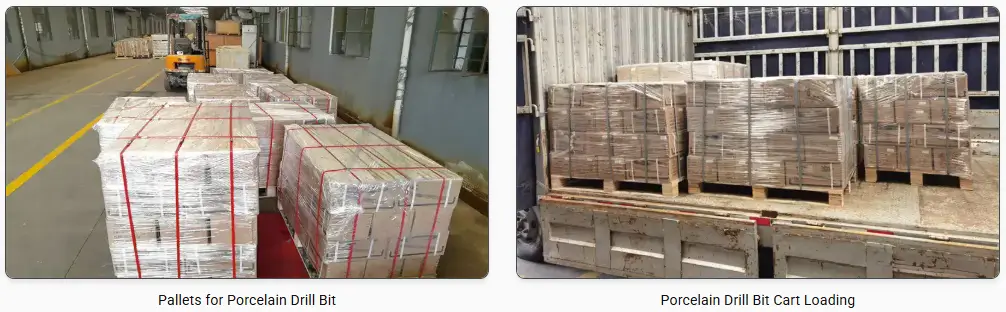
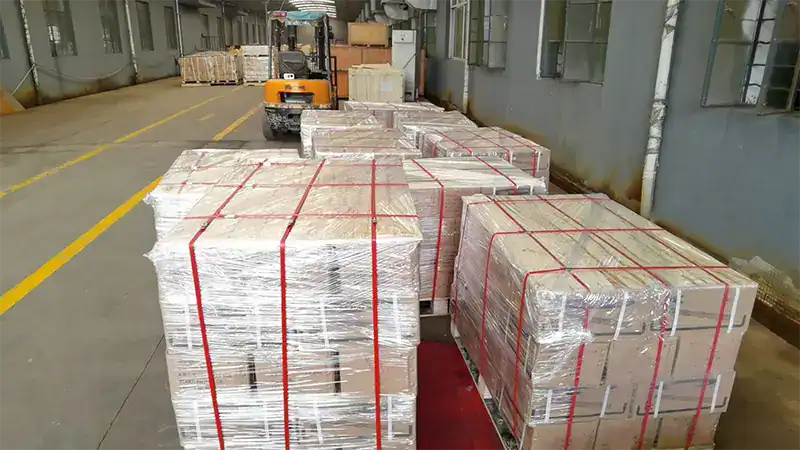
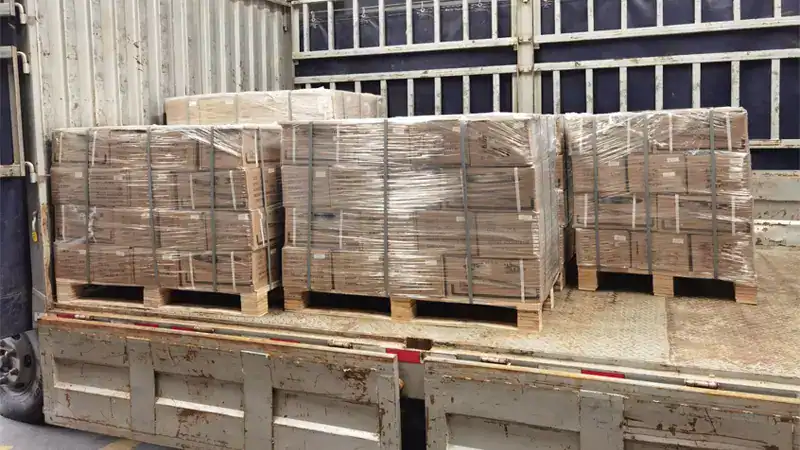
Fast Delivery
Tenyu Tool will issue manufacture test certificate for each order before shipment. In order to confirm the product meet chemical composition standard and achieve mechanical performance standard
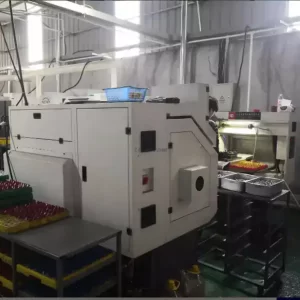
Tenyu Tool Professional Production Workshop for Porcelain Drill Bit
Support online face-to-face factory visits

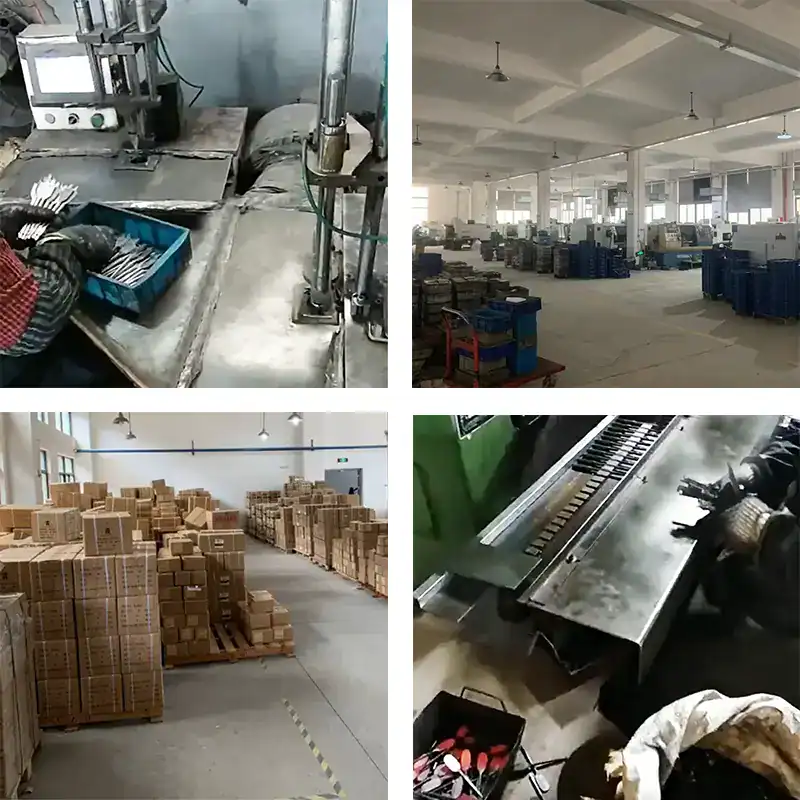
Tenyu Tool Professional Production Workshop for Porcelain Drill Bit
Support online face-to-face factory visits






Voice of the World Exhibition
Tenyu Tool actively participates in trade shows around the world and visits our customers, we get closer to them and get more opportunities to present our porcelain drill bit.


Voice of the World Exhibition
Tenyu Tool actively participates in trade shows around the world and visits our customers, we get closer to them and get more opportunities to present our porcelain drill bit.






Qualification Certificate
Third-Party Verified Excellence: Engineering Confidence Into Every
Porcelain Drill Bit
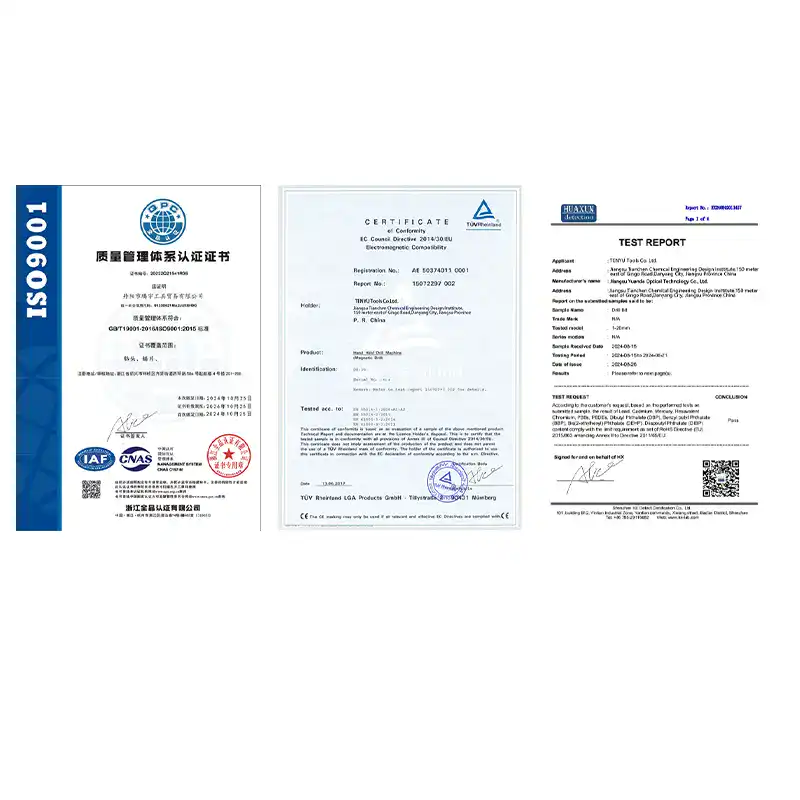
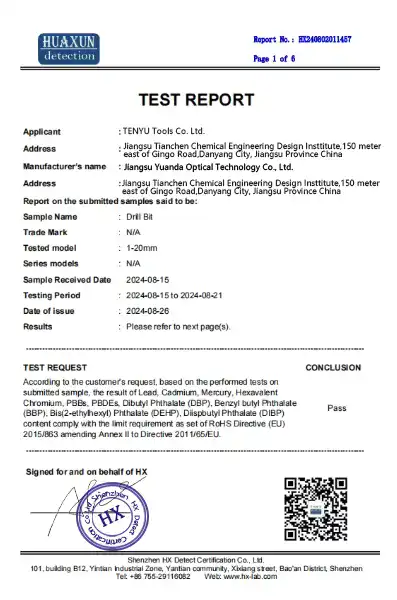
Qualification Certificate
Third-Party Verified Excellence: Engineering Confidence Into Every Porcelain Drill Bit

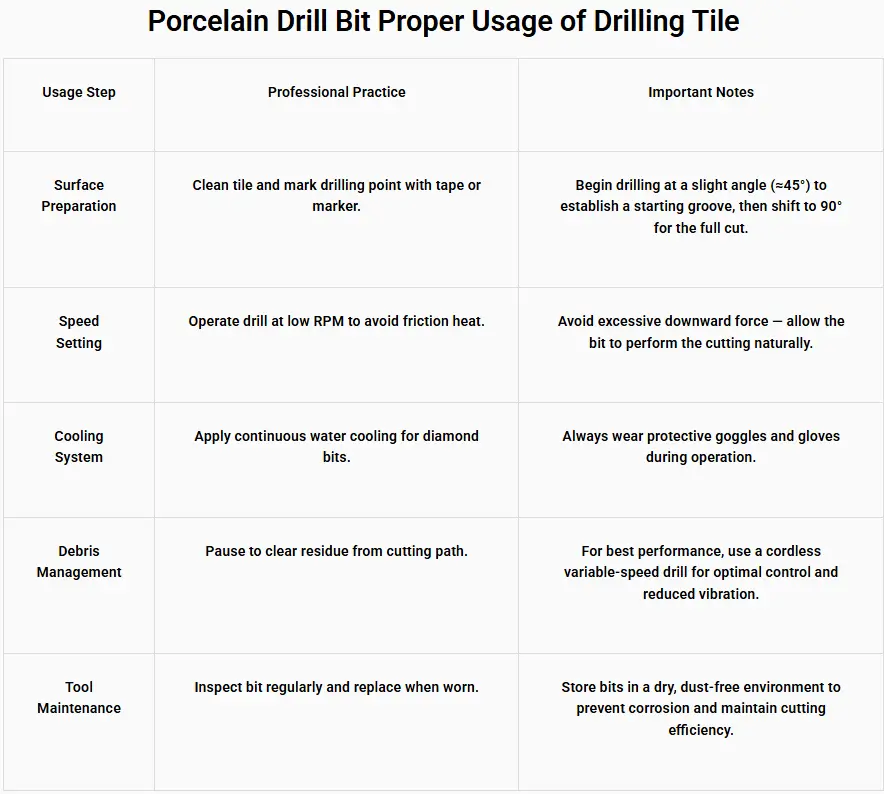
Porcelain Drill Bit Proper Usage of Drilling Tile
Usage Step | Professional Practice | Important Notes |
Surface Preparation | Clean tile and mark drilling point with tape or marker. | Begin drilling at a slight angle (≈45°) to establish a starting groove, then shift to 90° for the full cut. |
Speed Setting | Operate drill at low RPM to avoid friction heat. | Avoid excessive downward force — allow the bit to perform the cutting naturally. |
Cooling System | Apply continuous water cooling for diamond bits. | Always wear protective goggles and gloves during operation. |
Debris Management | Pause to clear residue from cutting path. | For best performance, use a cordless variable-speed drill for optimal control and reduced vibration. |
Tool Maintenance | Inspect bit regularly and replace when worn. | Store bits in a dry, dust-free environment to prevent corrosion and maintain cutting efficiency. |
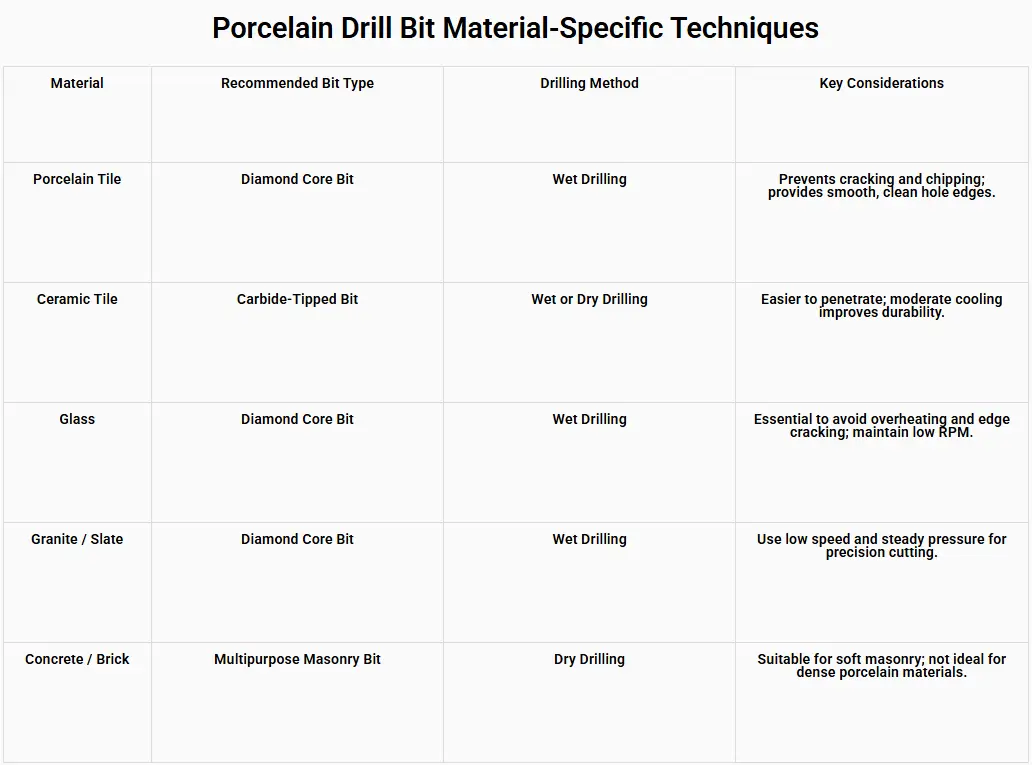
Porcelain Drill Bit Material-Specific Techniques
| Material | Recommended Bit Type | Drilling Method | Key Considerations |
| Porcelain Tile | Diamond Core Bit | Wet Drilling | Prevents cracking and chipping; provides smooth, clean hole edges. |
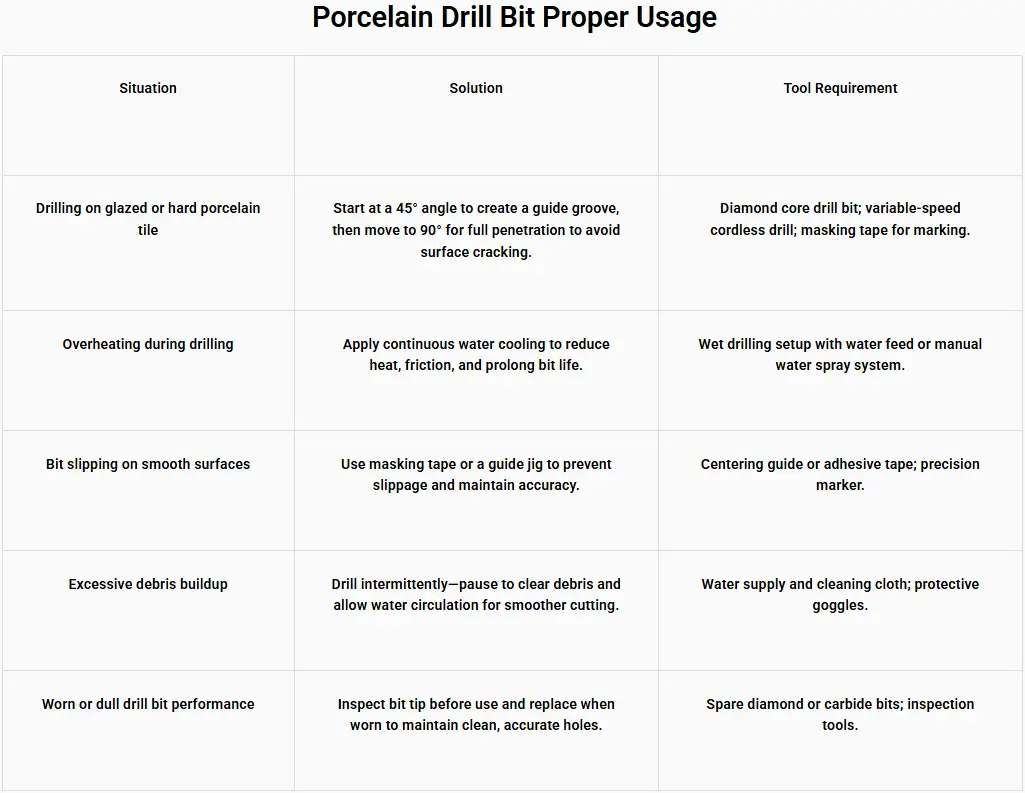
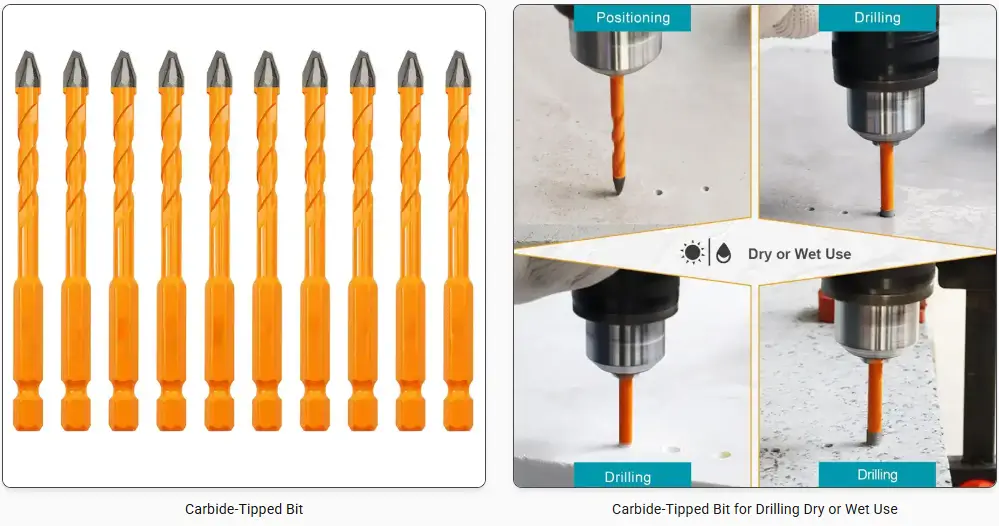
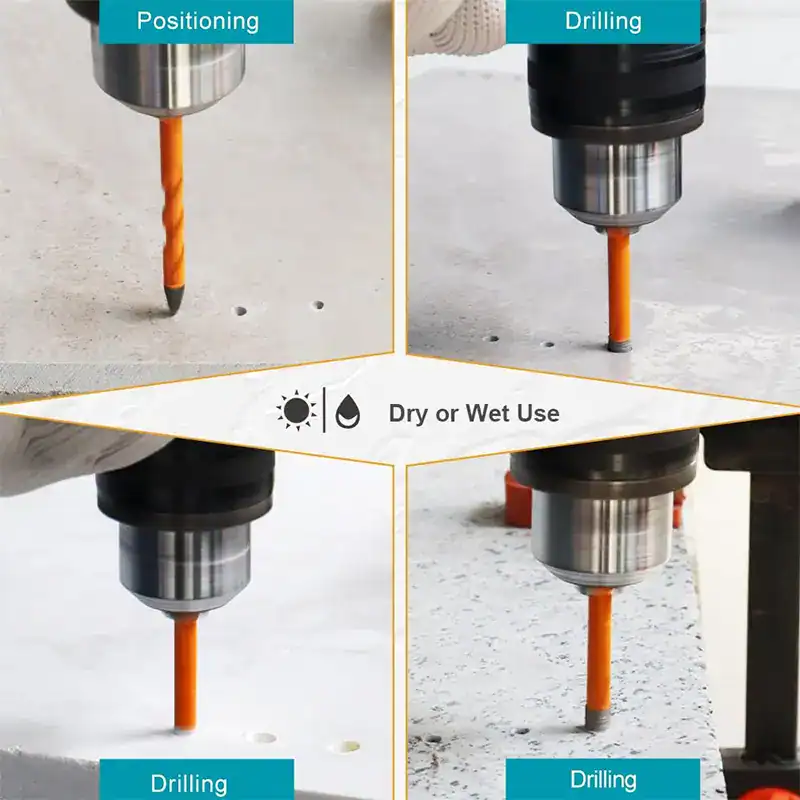
| Ceramic Tile | Carbide-Tipped Bit | Wet or Dry Drilling | Easier to penetrate; moderate cooling improves durability. |
| Glas | Diamond Core Bit | Wet Drilling | Essential to avoid overheating and edge cracking; maintain low RPM. |
| Granite / Slate | Diamond Core Bit | Wet Drilling | Use low speed and steady pressure for precision cutting. |
| Concrete / Brick | Multipurpose Masonry Bit | Dry Drilling | Suitable for soft masonry; not ideal for dense porcelain materials. |
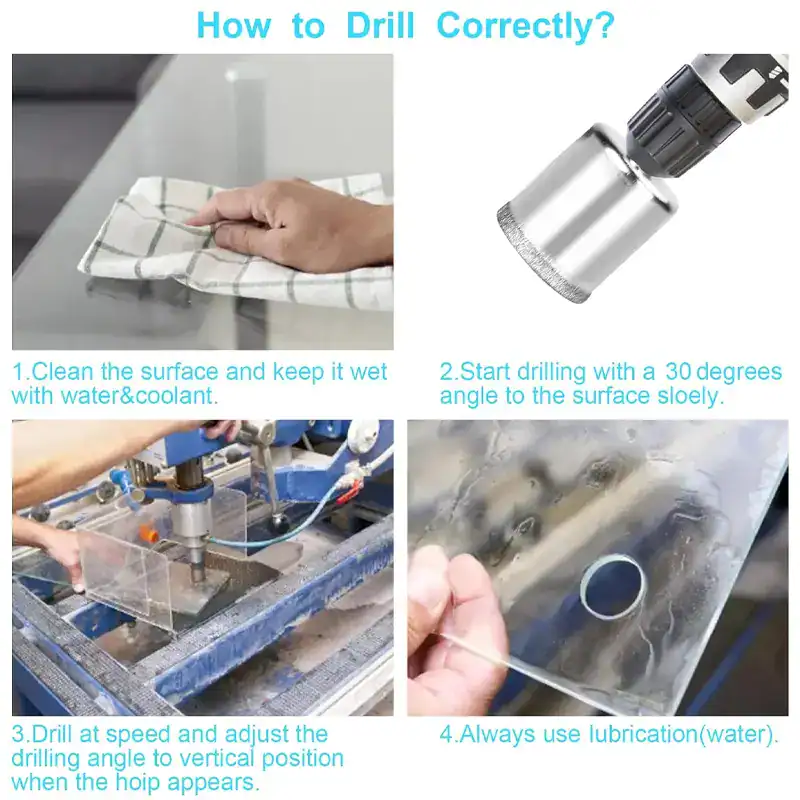
Porcelain Drill Bit Proper Usage
Situation | Lösung | Tool Requirement |
Drilling on glazed or hard porcelain tile | Start at a 45° angle to create a guide groove, then move to 90° for full penetration to avoid surface cracking. | Diamond core drill bit; variable-speed cordless drill; masking tape for marking. |
Overheating during drilling | Apply continuous water cooling to reduce heat, friction, and prolong bit life. | Wet drilling setup with water feed or manual water spray system. |
Bit slipping on smooth surfaces | Use masking tape or a guide jig to prevent slippage and maintain accuracy. | Centering guide or adhesive tape; precision marker. |
Excessive debris buildup | Drill intermittently—pause to clear debris and allow water circulation for smoother cutting. | Water supply and cleaning cloth; protective goggles. |
Worn or dull drill bit performance | Inspect bit tip before use and replace when worn to maintain clean, accurate holes. | Spare diamond or carbide bits; inspection tools. |
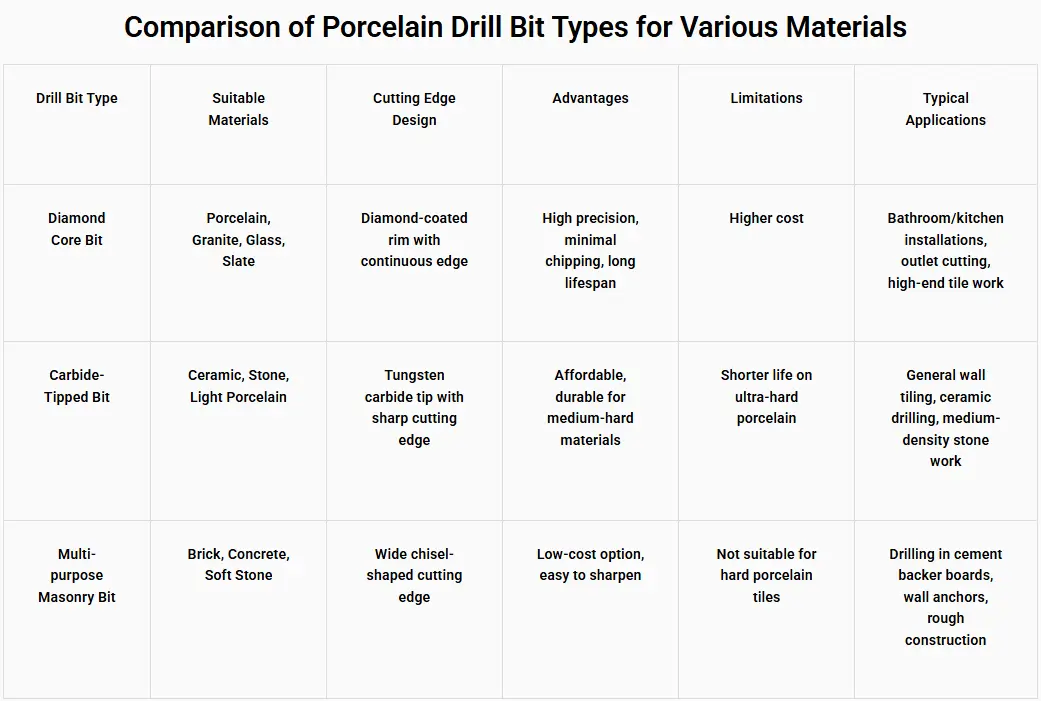
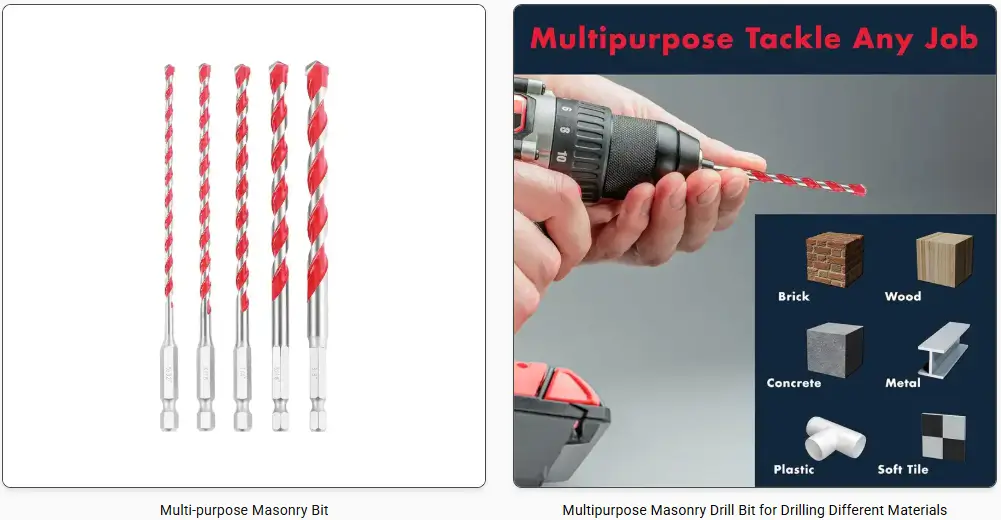
Comparison of Porcelain Drill Bit Types for Various Materials
Drill Bit Type | Suitable Materials | Cutting Edge Design | Vorteile | Limitations | Typical Applications |
Diamond Core Bit | Porcelain, Granite, Glass, Slate | Diamond-coated rim with continuous edge | High precision, minimal chipping, long lifespan | Higher cost | Bathroom/kitchen installations, outlet cutting, high-end tile work |
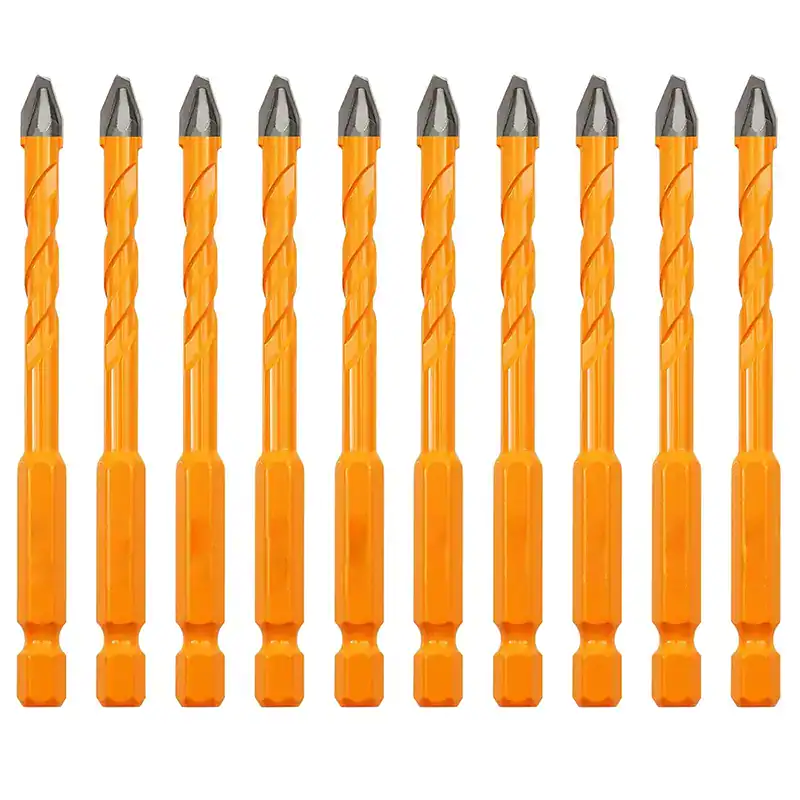
Carbide-Tipped Bit | Ceramic, Stone, Light Porcelain | Tungsten carbide tip with sharp cutting edge | Affordable, durable for medium-hard materials | Shorter life on ultra-hard porcelain | General wall tiling, ceramic drilling, medium-density stone work |
Multi-purpose Masonry Bit | Brick, Concrete, Soft Stone | Wide chisel-shaped cutting edge | Low-cost option, easy to sharpen | Not suitable for hard porcelain tiles | Drilling in cement backer boards, wall anchors, rough construction |
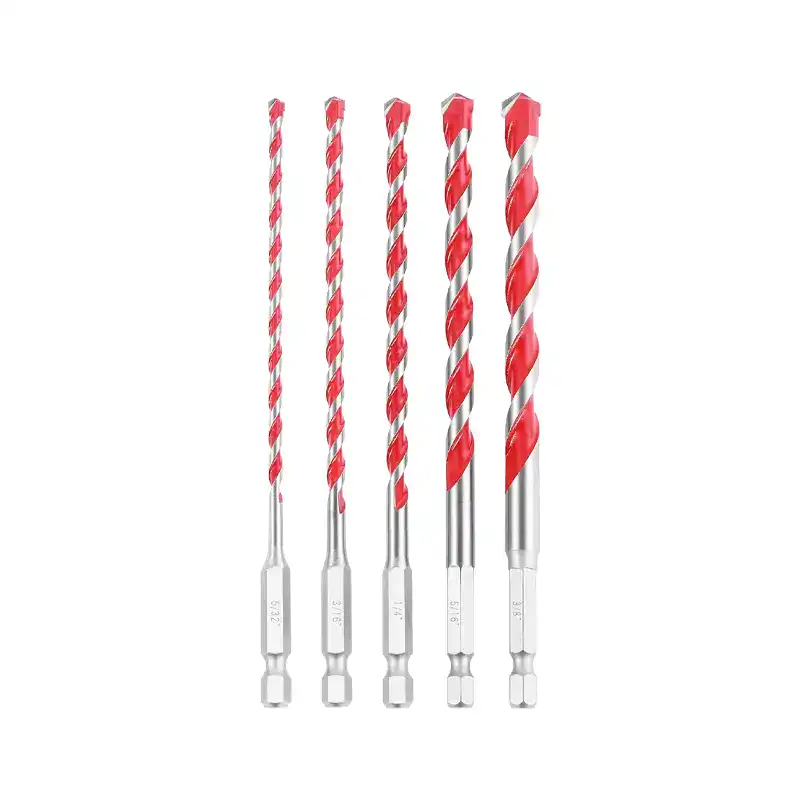
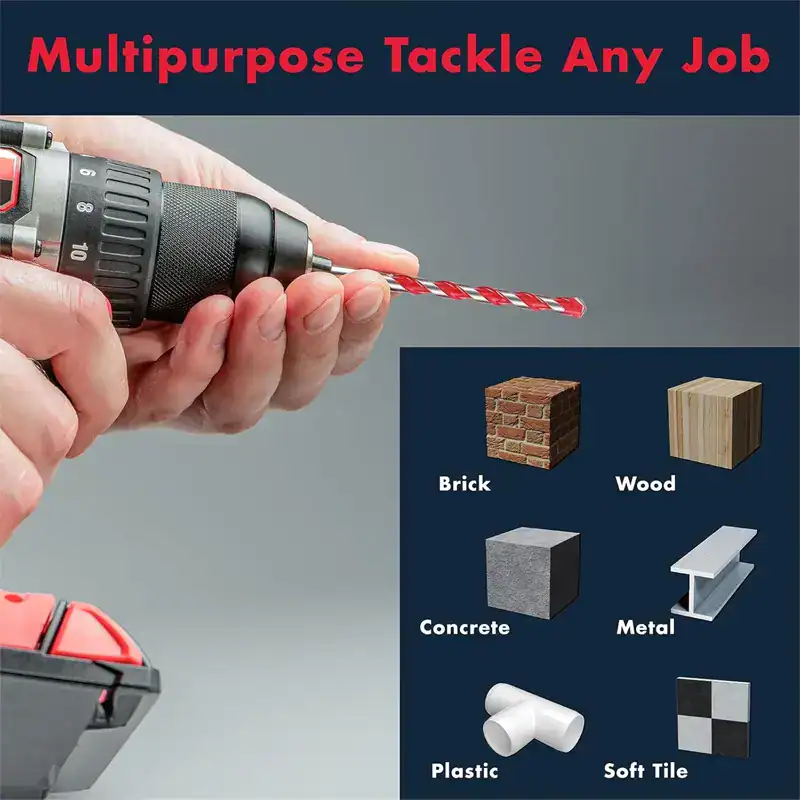
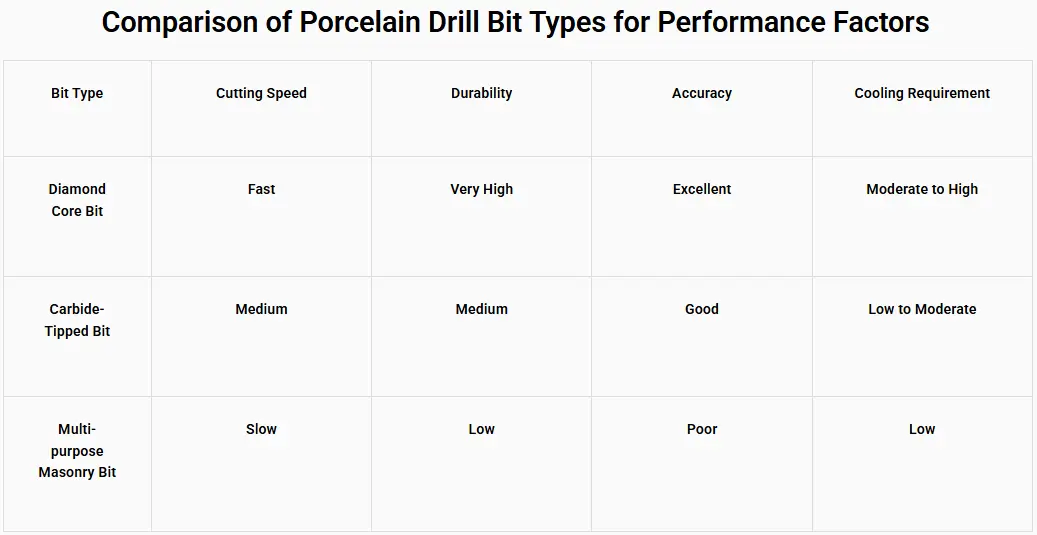
Comparison of Porcelain Drill Bit Types for Performance Factors
Bit Type | Schneidgeschwindigkeit | Haltbarkeit | Accuracy | Cooling Requirement |
Diamond Core Bit | Fast | Very High | Excellent | Moderate to High |
Carbide-Tipped Bit | Mittel | Mittel | Good | Low to Moderate |
Multi-purpose Masonry Bit | Slow | Low | Poor | Low |
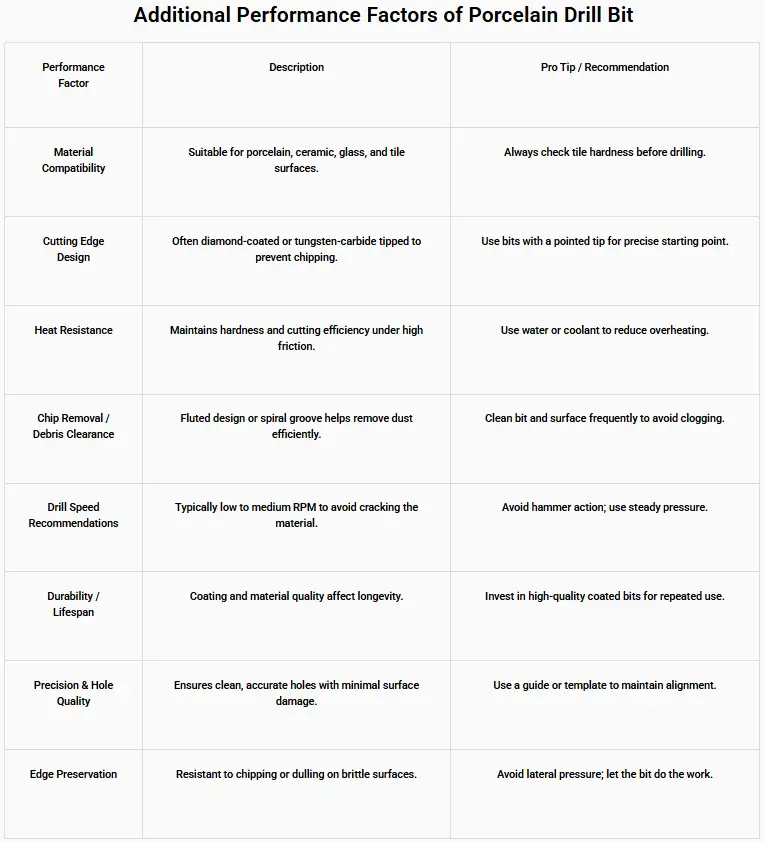
Additional Performance Factors of Porcelain Drill Bit
Performance Factor | Beschreibung | Pro Tip / Recommendation |
Material Compatibility | Suitable for porcelain, ceramic, glass, and tile surfaces. | Always check tile hardness before drilling. |
Cutting Edge Design | Often diamond-coated or tungsten-carbide tipped to prevent chipping. | Use bits with a pointed tip for precise starting point. |
Heat Resistance | Maintains hardness and cutting efficiency under high friction. | Use water or coolant to reduce overheating. |
Chip Removal / Debris Clearance | Fluted design or spiral groove helps remove dust efficiently. | Clean bit and surface frequently to avoid clogging. |
Drill Speed Recommendations | Typically low to medium RPM to avoid cracking the material. | Avoid hammer action; use steady pressure. |
Durability / Lifespan | Coating and material quality affect longevity. | Invest in high-quality coated bits for repeated use. |
Precision & Hole Quality | Ensures clean, accurate holes with minimal surface damage. | Use a guide or template to maintain alignment. |
Edge Preservation | Resistant to chipping or dulling on brittle surfaces. | Avoid lateral pressure; let the bit do the work. |
Inhaltsverzeichnis
FAQ section:
How to keep a drill bit from walking on tile?
To prevent your drill bit from wandering, place a center punch or nail set in the desired hole location, and hit it firmly with a hammer. This will create a dent in material. Then insert your drill bit into the drill, and drill the hole normally.A carbide-tipped glass & tile bit or a diamond grit hole saw is essential for tile.
What is the difference between wet and dry drilling?
Wet drilling and dry drilling are substantially different processes, and they have very different rpm requirements. In general, wet drilling requires more power for a given diameter, more downforce, and a much slower linear speed (m/s). Dry drilling requires less power, light downforce, and much higher linear speed.Always check the drill bit’s label to confirm whether it is suitable for “wet and dry use” or “dry use only,” as using a wet drill bit for dry drilling will quickly damage the bit, and dry drill bits are more suitable for electrical work.
Can you drill through porcelain with a regular drill bit?
A regular masonry drill bit is not equipped to cut porcelain, but will instead skip across the material. You may be tempted to put the drill into hammer action to pierce the porcelain, but the hammering mechanism will crack the porcelain and break off shards of the material.
What type of drill bit do you use for porcelain?
But in this case we are talking about porcelain material, which, although it is a ceramic material just like tile, has different properties and is much harder. To drill porcelain tiles properly, we must use Porcelain Drill Bit, which are specifically designed for drilling high-hardness ceramic materials.
Can I use a normal drill bit on tiles?
No, you generally cannot effectively or safely drill through tile with a regular drill bit.Standard bits can’t penetrate the hard, glazed surface of ceramic and porcelain tiles.
How to drill into porcelain tile without breaking it?
A carbide tipped masonry bit will do the job. Use a regular drill (no hammer drill) and start off at slow speed.
Porcelain Drill Bit Supplier: Best Tool for Ceramic Porcelain Tile Drilling
Welcome to our full guide for professional importers, wholesalers and purchasing managers of the best porcelain drill bits for ceramic porcelain tile drilling. This post is going to give you some deep information on selecting and applying the right tool for the job.. Whether you’re working with installation or providing to contractors, it’s important that you have a solid understanding of the subtle differences in porcelain drill bits so your work can be fast and quality.
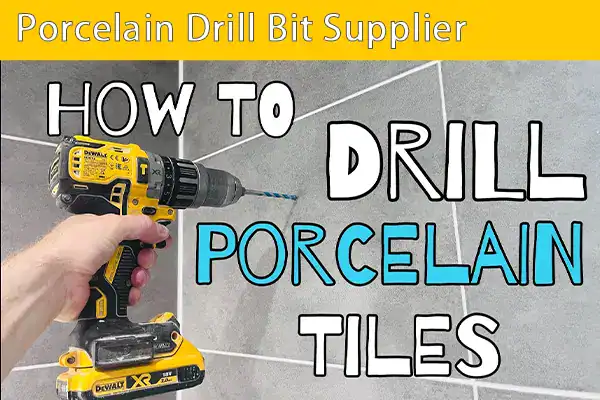
Understanding Porcelain Drill Bits
What are Porcelain Drill Bits?
Porcelain drill bits are ideal for drilling very hard, super dense materials like porcelain tile, ceramic, glass & some types of rock. Unlike normal drill bits for soft surfaces, porcelain tile drill bit is made of carbide or diamond. Quality porcelain drill bits are designed to keep the bit intact under high force and temperature, providing minimal breakage when cutting through porcelain. These are a must for any installation work with porcelain tile, and they beat trying to use the masonry bits, which can destroy your tile.
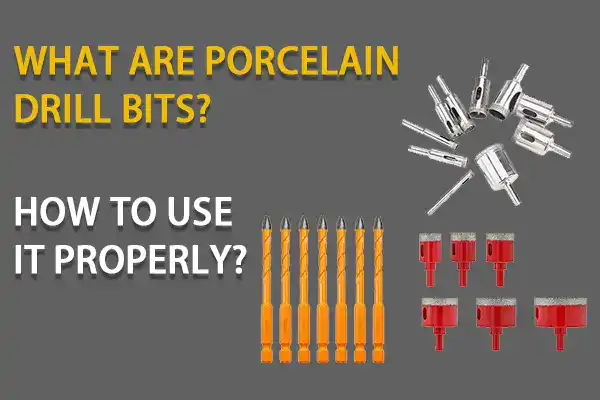
What Are the Options When it Comes to Drilling Through Porcelain Drill Bits?
There is a variety of drill bits used for porcelain. Diamond tile drill bits are the best on the market since they have superior hardness and make very clean holes. The carbide drill bits are an alternative and offer a compromise of cost to performance. The type selected will be determined by the purpose of use and by how hard the porcelain tile is.
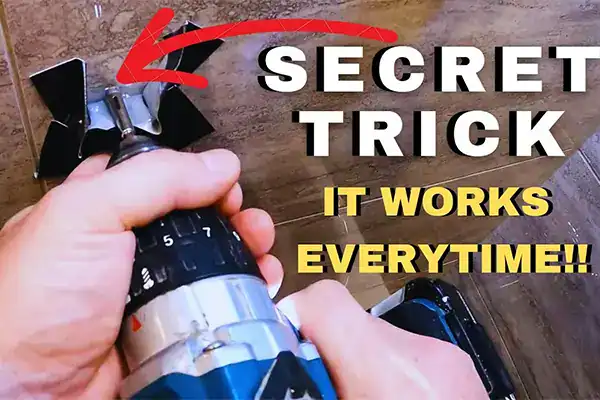
Benefits of the Diamond Tile Drill Bits
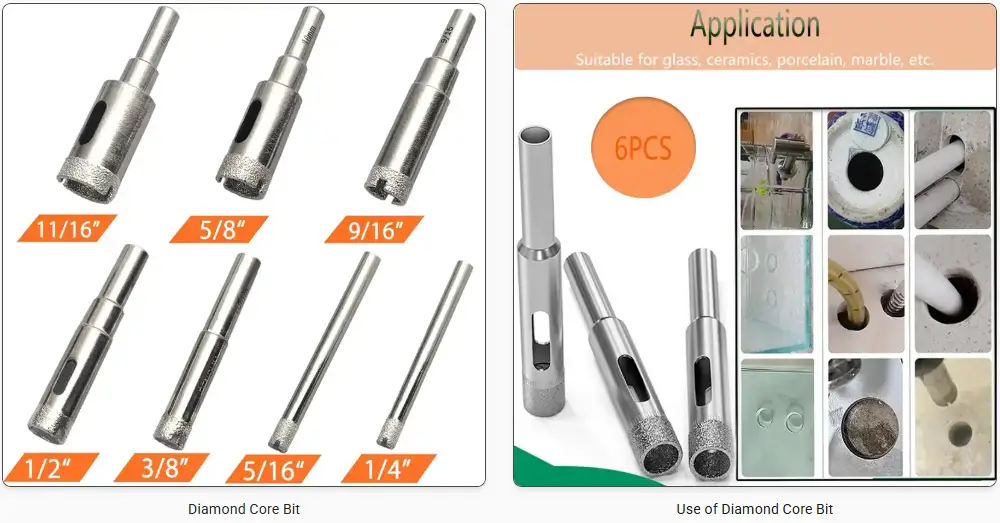
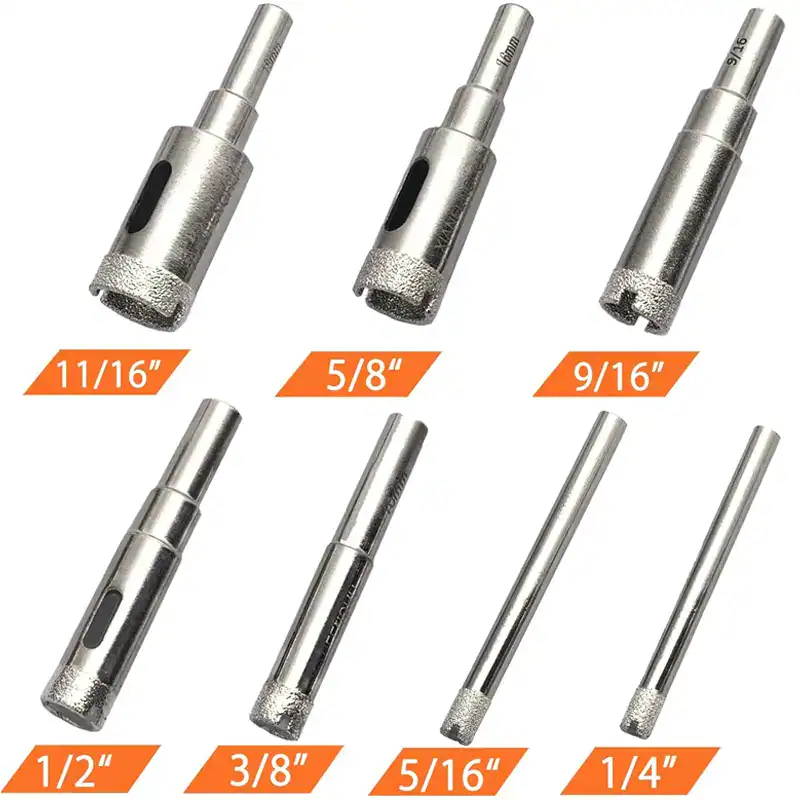
There are several important advantages associated with tile drilling diamond drill bits for professional tiling. These longer drill bits are faster and create more accurate holes than other types of drill bits. Their extreme hardness makes them able to tackle hard materials such as porcelain, granite, and slate without chipping or cracking. Diamond core bits also have a longer service life than carbide or other types, making them an economical option for professionals like contractors and suppliers who need reliable equipment they can use all day. In addition, diamond drill bits can be used with a wide range of power drills and require less water than conventional masonry drills. A good investment in diamond tools is your only way to ensure professional results and a minimum of waste on material.
How to Select the Best Drill Bit for Tile Installation
Tile Thickness: A Perfect Bit Depth for the Thickness of Tile You are Cutting
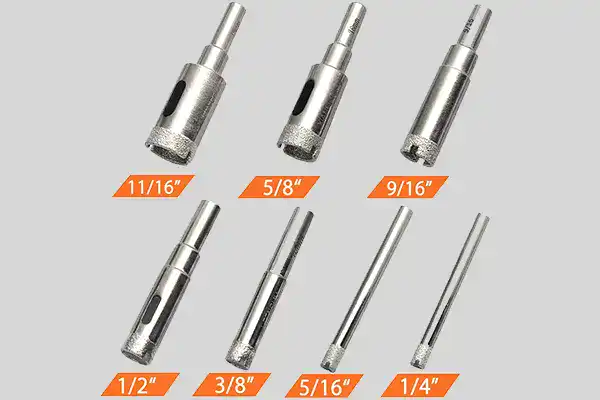
If you are installing tile, the type of drill bit to use depends on the thickness of the tile. The drill bit needs to be deep enough that it goes through the tile and all the way into whatever is underneath. Always measure the thickness of your tile and use a drill bit that provides enough cutting space to keep from damaging the tile. The best grout lines drill bits come in different sizes and lengths, so you can have a perfect match for your particular height of tiles and substrate conditions.
Hole Size: The perfect drill bit size and depth for your project
It’s crucial to choose the right size drill bit when you are installing your tile. The size of the hole should be complementary to whatever it is you are putting in that hole, including anchors, plumbing fittings, decoration, etc. If the drill bit is too small, you may be stuck with having to re-drill and chip away at your porcelain coating. See the manufacturer’s table for the proper hole size in various applications. This is where using a center cutting bit is helpful to drill a pilot hole, allowing the larger drill bit to cut a long its intended path diameter. Make certain the diamond tile drill bit you selected produces a clean, precise hole size without any chipping.
Wet vs. Dry Trimming – Picking the Right One for You
The decision to use a wet or dry drilling method has several factors, including the tooth design of the drill bit, the hardness of porcelain tile, and the overall desired finish quality. Wet drilling: using water as the cooling agent on the drill bit, which reduces dust while you’re working, and makes your drill bits’ life longer, while it also prevents overheating to help cool and lubricate. This technique is ideal for drilling an integral porcelain tile hole saw, and diamond drill bits, as it prevents any chipping and delivers the cleanest holes. Dry drilling, however, is a faster technique that eliminates the need for a water supply. It provides more heat and dust but might damage the drill bit and tile surfaces. Consider the specifics of your project, including drilling time, drill pattern and hole depth, before deciding whether to use wet or dry drilling in order to get the most out of your tools and reduce materials costs.
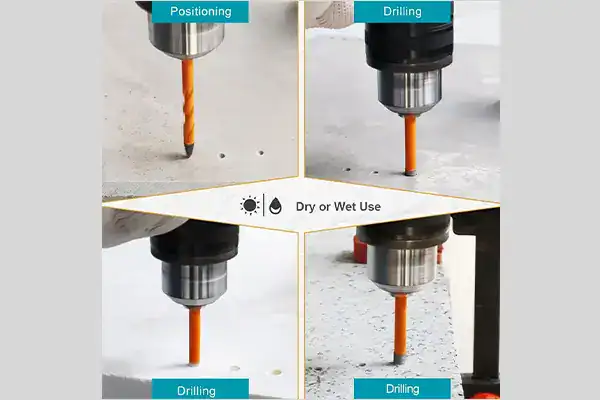
Applications and Projects
Refreshing your bathroom: Drilling holes for fixtures, pipes and fittings
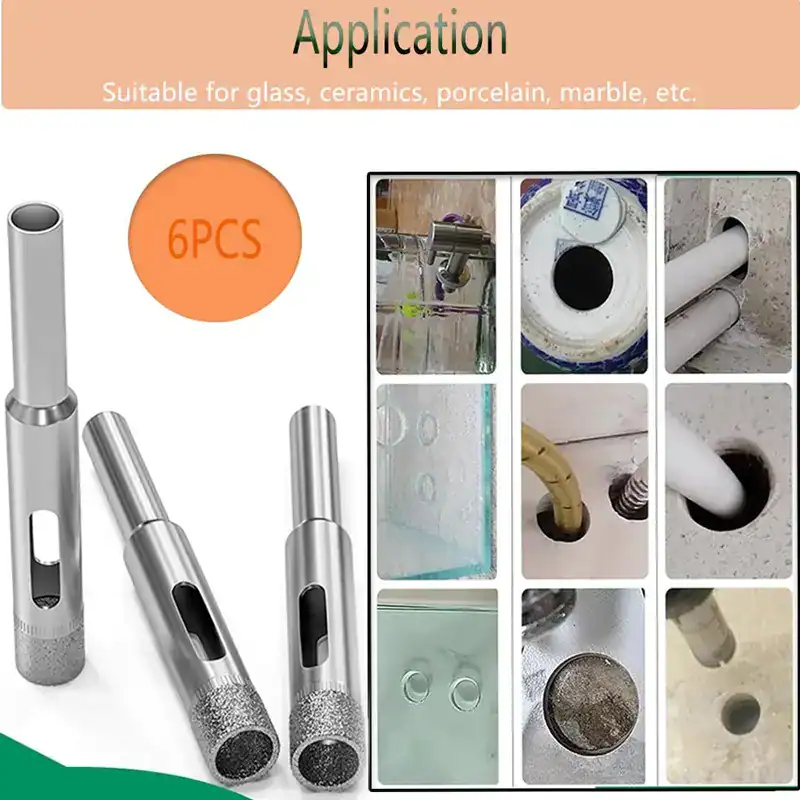
A porcelain drill bit is an essential tile tool to make holes in the tiles for pipes, fixtures and other portable accessories during a bathroom remodel. When new faucets, showerheads or toilet fixtures are going in, it is crucial to drill through ceramic or porcelain tile cleanly without cracking or chipping. The best porcelain drill bits ensure the anchor points are drilled directly, allowing for a nice and secure professional finish. Porcelain drill bits are very useful for drilling through hard surfaces such as granite or slate, which are typical in modern bathrooms. For small holes (such as a soap dish, a towel rod), you can use a smaller bit. Be sure to utilize the correct wet or dry drilling methods to avoid overheating and premature drill wear.
Kitchen Install: Cutting for Backsplashes and Outlets
In kitchen installations, it is common practice to work with a porcelain tile backsplash and have to make room for the electrical outlets – this is where using porcelain drill bits will help achieve a continuous and professional look. Specific holes for running wiring and plumbing are crucial during a kitchen remodel with new appliances. Cleaning some hard materials, such as ceramic, porcelain, without the mess of chipping or cracking. Drilling with the proper bit mounts your outlets and backsplash securely into place, for more practicality and a sleeker look in the kitchen. Whether it be a larger project, small home repair, or even just having around the house a supply of quality porcelain drill bits ensures that our tradies are always well equipped to get the job done.
Flooring the Obvious Projects: How to install tile flooring with precision
When working on flooring projects that require the installation of porcelain tile, cutting may be required. Top-grade porcelain diamond drill bits are an absolute necessity for making clean holes with your drilling projects. The top-quality diamond tile drill bit ensures a high level of accuracy and precision for no breaking of tiles. Porcelain drill bits can be used for both dry and wet drilling, though they deliver excellent results when used with the latter.
General Tile Work: Ceramic/Porcelain Tile in All Applications
All-purpose drilling in flat and easy-to-drill materials such as ceramic, porcelain tiles, and glass. From laying decorative tile accents to making custom cuts, clean and easy hole drilling is truly key. We also use porcelain drill bits to create decorative items, such as metal inlays or glass tile additions that make your custom tile work different from the rest. The suitable drill bit, such as a centring drill bit or diamond core bit, is the guarantee that you can quickly and easily achieve clean edges as well as professional quality.
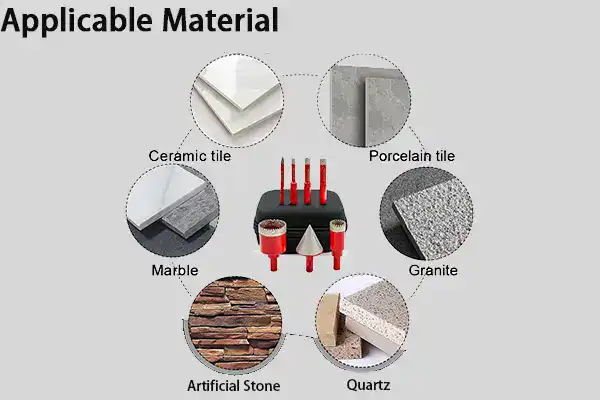
Drilling Techniques for Porcelain Tiles
Preparing the Tile for Drilling
Before you begin drilling into porcelain tile, it’s important to get the tile ready so that you can drill without cracking or chipping your beautiful porcelain wall. There are a few things that can be done to guarantee success in drilling:
- Wiping down tile to remove dirt or debris.
- Sticking masking tape on the spot where we have to make a hole.
If you want to be extra careful, you can mark the drill location and make a small indentation with a center punch first. Finally, make sure that the tile has a solid backing to avoid shifting during drilling.
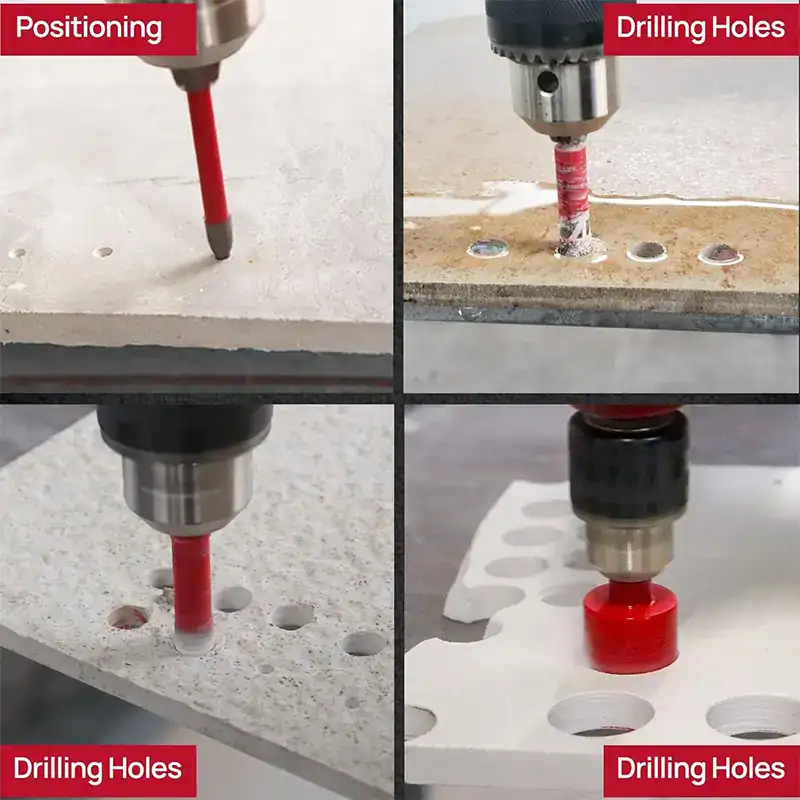
How to Use Porcelain Drill Bit Correctly
When using a porcelain drill bit to drill accurately, there are several crucial steps to take:
- Start slow & low to avoid overheating and splitting.
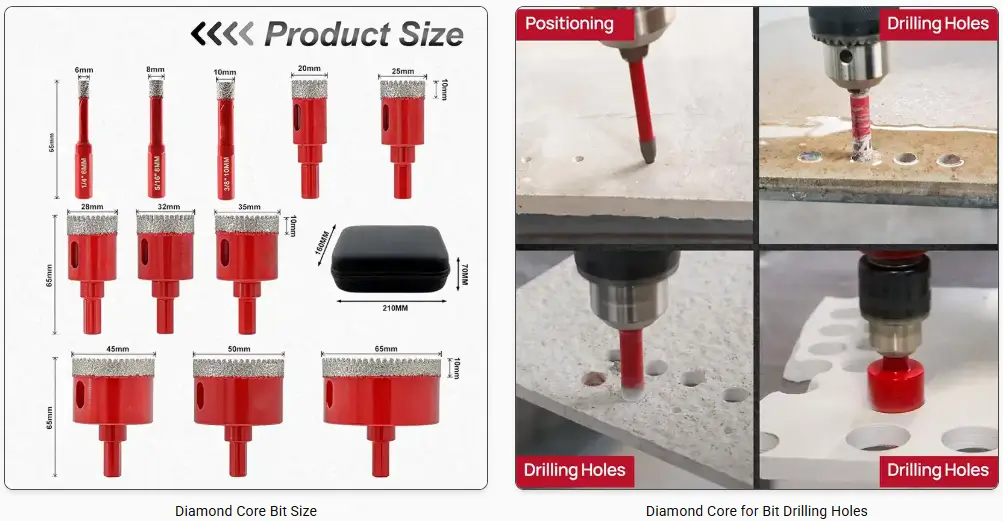
- With a light pressure exerted, allow the drill bit to do the work, apply only enough gentle and steady downward pressure to let it cut. Use the wet drilling technique, make sure to add water for cooling the drill bit and removing debris.
- Clear the hole of all debris as needed to keep a clean cutting face. Regularly examine the wear of the drill bit and change it accordingly to achieve the maximum level of performance.
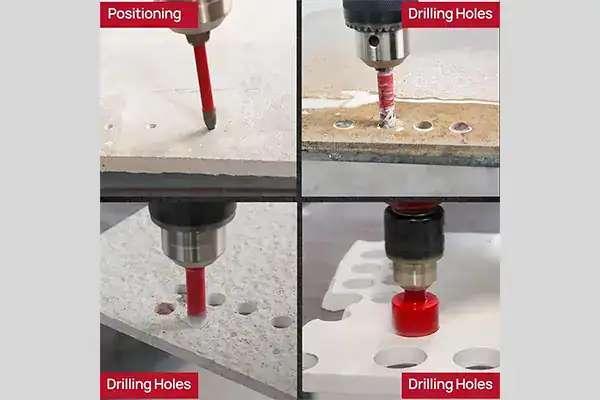
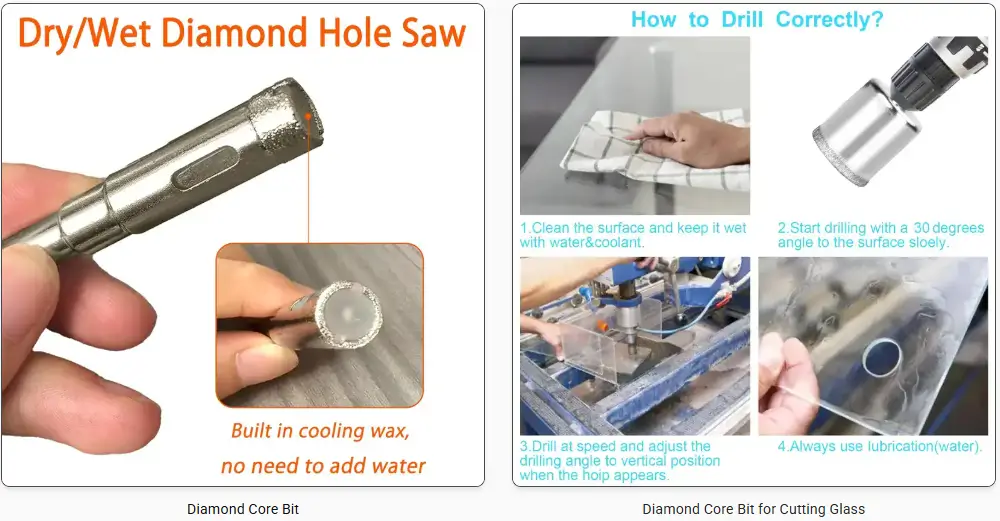
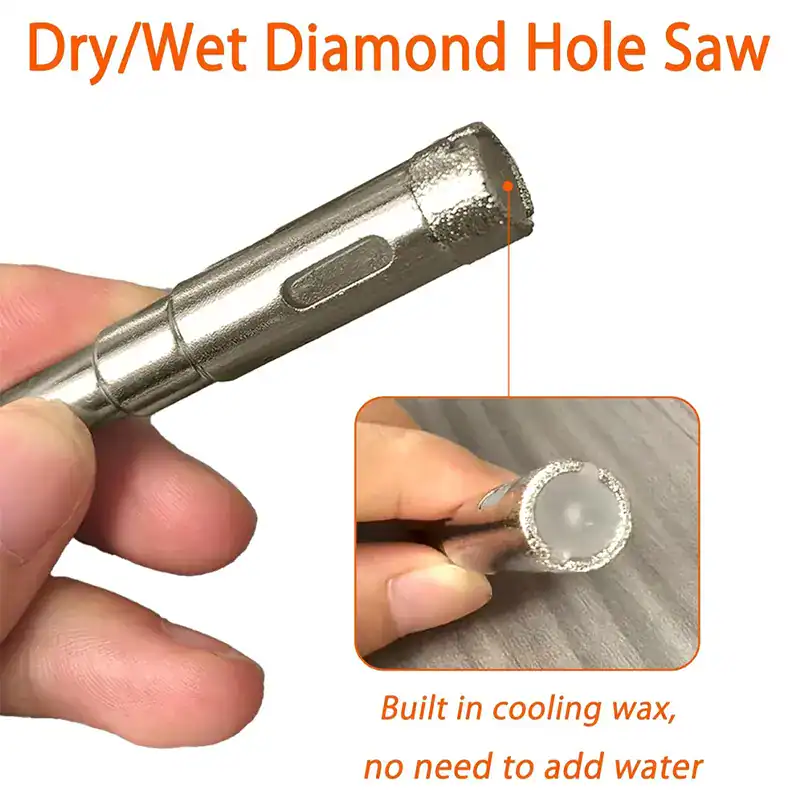
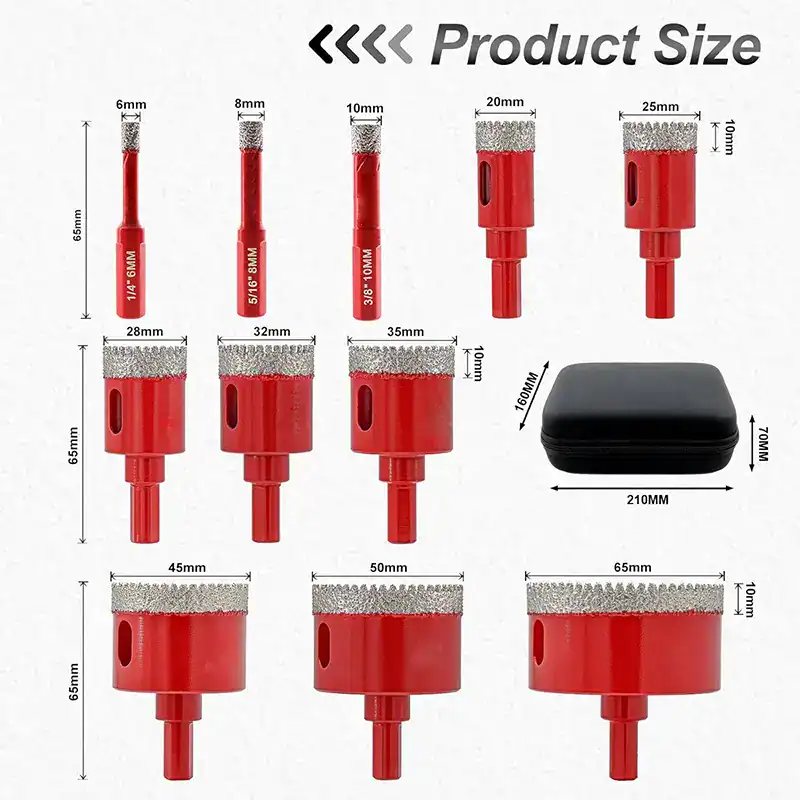
Drilling Clean Holes with Diamond Hole Saw Making
When a diamond hole saw is used to drill larger and cleaner holes in porcelain tile, it is good to keep some important things in mind:
- Put the bit head at 45 degrees to generate a small groove, then press on until it reaches 90 degrees.
- Mark on the tiles the location of the hole, and clamp your tiles to prevent shifting.
- Cool the diamonds by using wet drilling to wash away cutting waste.
You want to apply a steady, even pressure – let the saw do the work for you and avoid pushing too hard, as that can damage your saw or saw through the tile where you otherwise did not want to.
Why We Make the Best Porcelain Drill Bits
Less Chipping: Provides a Cleaner, Professional Result
Our porcelain drill bits are designed not to chip, resulting in a clean and professional finish on all projects. Our drill bits provide smooth operation and less impact on the materials while penetrating work surfaces. The diamond or carbide tips are designed to make cutting faster with less effort needed. Our drill bit design enhances cutting power by reducing resistance and friction, therefore minimizing potential for wear or damage to the tile; it is also effective in various drilling applications. Our bits create smooth, precise holes and always make your tile look so that you can do no wrong to ensure the beauty of the whole.
Our porcelain drill bits are one of those essential investments that contractors can count on to produce excellent results time and time again. Our drill bit will be your best choice if you are looking for a clean, professional finish.
Long Lifespan: Provides Excellent Value and Reduces Replacement Costs
With a long life, you get great value and cut down on replacement costs for contractors and suppliers with our porcelain drill bits. Manufactured from a premium grade of steel, the bit offers accurate hole placement and long-lasting durability alongside its cutting ability. The metal hole saw drill is wear-resistant, not easy to break, very durable in use, and has a long service life. This means less replacement and less downtime, providing more productivity while saving costs. Select our drill bits for a long-lasting, dependable solution that offers excellent value for hard materials.