Saw Blade Technology Introduction
One of the most valuable tools for the material processing industries, ranging from metalworking and woodworking to construction work and stoneworking, is the saw blade. Saw blades come in a variety of designs and different materials based on the requirements of the application. From the circular blade saw cutting wood chips through the reinforced concrete diamond-coated saw blade cutting through reinforced concrete, the saw blades have proven invaluable for industrial, commercial, as well as household applications. Their performance varies through geometry, materials, tooth shape, and the application environment.
Evolutionary History of Saw Blades
The use of sawing tools dates back thousands of years. Archaeological records indicate that earlier civilizations used sharp stones, copper, and bronze to saw wood and bone. As metallurgy evolved, so did the use of iron and steel blades, which increased resistance and precision.
The fundamental transformation was during the Industrial Revolution when powered saws were developed. Circular saws, band saws, and reciprocating saws arrived in the workshop and factory. They enabled mass production of wooden furniture, shipbuilding materials, and construction materials. Specially designed saw blades for different materials such as wood, steel, ceramics, and glass emerged in the 19th and 20th centuries. The development of carbide-tipped and diamond saw blades further revolutionized industries with the potential for quicker cutting, longer tool life, and the ability to cut tough materials.

Classification of Saw Blades
Saw Blades are classified into two groups:
- Those with a reciprocating motor
- Those with a rotating motor
Saw blades can be classified in a number of ways, and this can be based on their designs, purpose, and how they are applied.
1. Circular Saw Blades
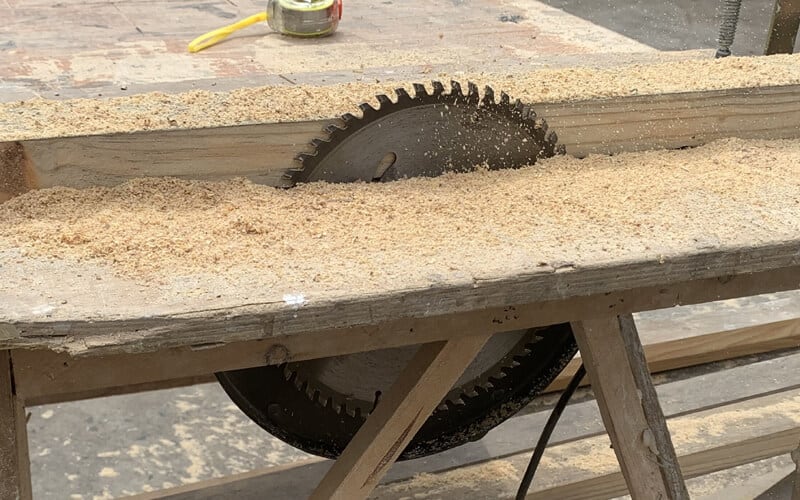
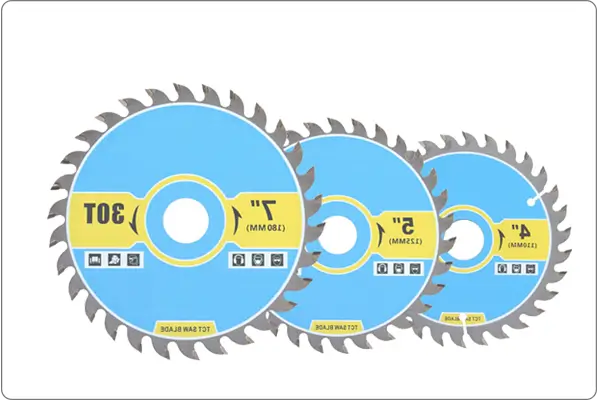
The blades of the circular saw have the shape of a disk, and they spin at a high speed to slice through wood, metal, or plastic. They are usually applied in woodworking factories, on construction sites, and in metalworking factories. Their performance is determined by the diameter, tooth configuration, and the kerf width.

2. Band Saw Blades
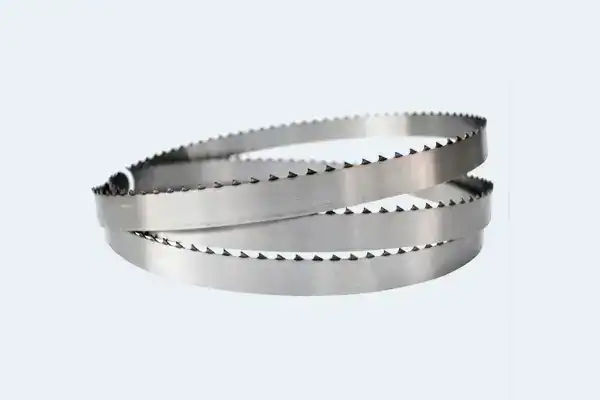
A band saw blade is an elongated, continuous piece of toothed metal, which is stretched between a pair of wheels. It enables continuous cutting, sawing, and sawing irregular shapes easily or resawing lumber to thin pieces. Another type of band saws that are common in the metal cutting and meat industry is used in cutting metals and processing meat.
3. Reciprocating Saw Blades
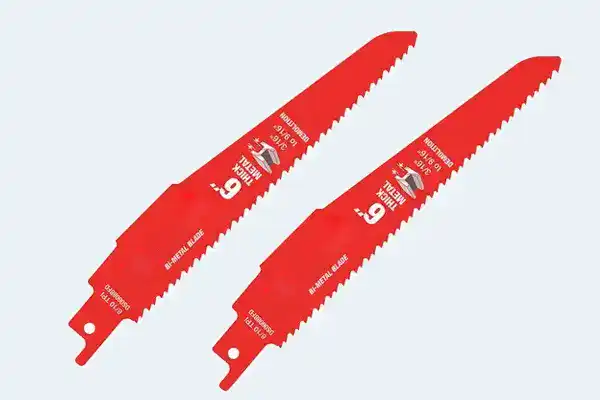
Reciprocating blades travel in a fast back-and-forth motion and therefore can be applied in demolition, plumbing, and rescue missions. These blades are also universal since they can slice wood with nails, pipes, and sheet metal.
4. Jigsaw Blades
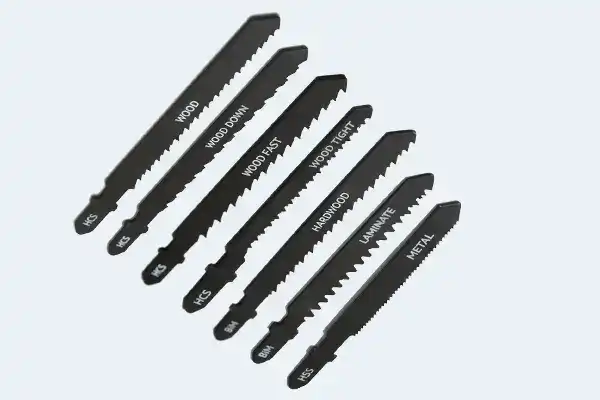
Jigsaw blades are short, replaceable blades that are used to cut with precision and curvy lines. They are used in craft work, woodwork, and light building work.
5. Diamond Saw Blades
Diamond blades are an industrial tool that is cut with industrial diamonds that are placed at the rim or in segments to cut tough materials such as stone, concrete, asphalt, ceramics, and glass. These blades are commonly applied in construction, mining, and cutting tiles.

6. Specialty Saw Blades
Also available are blades that are used in surgery, food processing, or fine woodworking. Saw blade technology is adapted to each industry according to the specific needs of that industry.
Industrial and Commercial Applications of Saw Blades
Holzbearbeitung
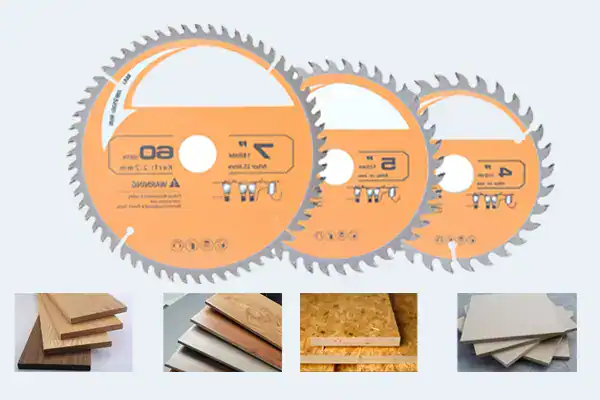
Furniture making, carpentry, flooring, and cabinets require saw blades. Softwood, hardwood, plywood, and laminates are cut using specialized blades. This industry requires precision, and this explains why fine-toothed circular saw blades and band saw blades are prevalent. Woodworkers utilize circular blades, band saw blades, and jigsaw blades. Grooves and joints are done with specialty blades such as dado blades. It is also possible to make fine furniture using precision blades, and large, aggressive blades are applied to sawmills.
Metall schneiden
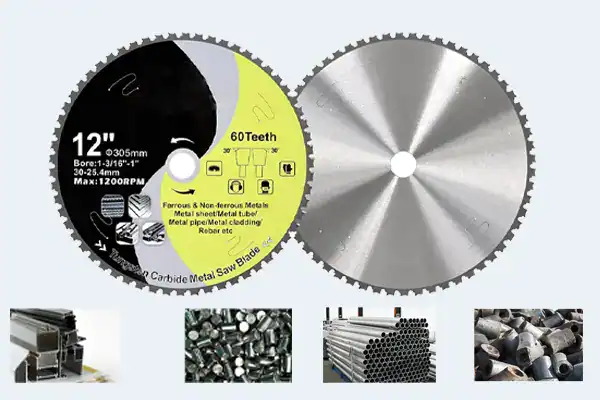
Metals like aluminum, steel, and copper are hard to cut, and therefore, they need high-temperature and abrasion-resistant blades. Blades in this sector are dominated by carbide-tipped and HSS blades.
Cold saw blades and abrasive cut-off wheels play an important part in cutting steel, aluminum, and other metals. In metal fabrication, band saw blades with bimetal tips or carbide tips are also very common. In the manufacture of automotive, aerospace, and heavy equipment, precision cutting is needed.
Stone and Masonry Cutting
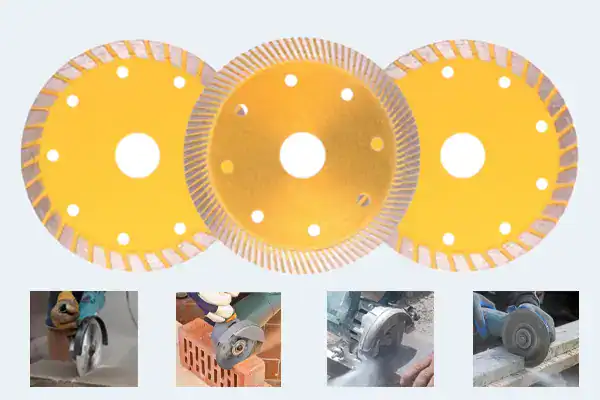
Cutting stone, concrete, and ceramic tiles is typically done with diamond blades. Such blades find application at roadworks, construction sites, and stone fabrication shops. Construction sites also have circular saw blades that are equipped with carbide tips that are used to cut lumber and framing materials.
Medical Applications
The small saws are utilized in surgery, including orthopaedic bone resection. Such blades need extreme accuracy and biocompatible materials.
Food Processing
In the food production plants, special saw blades are used to cut through frozen meat, fish, or bakery products. Their design focuses on hygiene, sharpness, and ease of cleaning. These blades are supposed to be clean, stable, and capable of being subjected to cleaning and sterilization.
Energy Sector
Massive industrial saws are used in cutting turbine components, pipelines, and composite materials utilized in renewable energy equipment.
The saw blades are very important in any industry, whether it is a small workshop that requires cutting wood or a construction site where they need to cut concrete. Industries have specialized blades, and this proves the relevance and adaptability of saw blade technology is wide.
Materials and Construction of Saw Blade
A saw blade and its performance are greatly affected by the material that the blade is made of. Blade materials have been designed to be sharp, wear-resistant, flexible, and cost-effective, and each is designed to fit a specific job or industry. The most common materials used in the manufacturing of saw blades are compared below:
Carbon Steel Blades
One of the oldest and most popular saw blade materials is Kohlenstoffstahl. These blades are soft in comparison with alloyed options, yet it is cheap and simple to sharpen. They are mostly applied to soft wood and plastic cutting.
Advantages: It is inexpensive, easy to sharpen, and common.
Cons: Tend to wear out, cannot be used on hardwood, metals, or abrasive materials.
Alloy Steel Blades
The addition of vanadium, molybdenum, or chromium is used to make the alloy steel blades harder and stronger. It provides them with superior wear resistance as compared to plain carbon steel.

Advantages: Stronger than carbon steel, and can be used in a broader variety of wood and light metals.
Cons: Not as tough as high-speed steel or carbide-tipped blades; not as heat-resistant.
Carbide-Tipped Blades
These consist of tungsten carbide tips that are brazed to the teeth on steel blades. Carbide is significantly harder than steel and capable of remaining sharp over a considerable duration, even during the cutting of hardwood, laminates, or nonferrous metals.

Advantages: This has a long life, high cut accuracy, and is used in dense or abrasive materials.
Disadvantages: More expensive to acquire, needs special equipment to resharpen.
Bimetal Blades
Bimetal blades are made of a combination of a flexible steel backing with HSS or cobalt steel teeth. The combination offers fatigue and wear resistance, and is therefore suited to extreme cutting work.
Advantages: Flexibility minimises breakage, is good for cutting metals, toughness, and life.
Cons: More expensive than conventional blades, bimetal (HSS) teeth will tend to wear out when cutting abrasive substances. But when it comes to the purpose they are meant for (cutting metals), they provide an incredible level of durability, price, and breakage resistance.
Diamond-Coated Blades
Industrial diamonds are attached to the edge of the blade, which is why they can cut hard and brittle materials like concrete, tile, stone, and glass.
Advantages: It has high hardness, can cut masonry and reinforced concrete, and is long-lasting in strenuous applications.
Cons: Expensive, cannot be used to cut soft materials, and wear may be experienced when it is misused.
Blades that are Ceramic and Advanced Composites
Other specialized blades are made of ceramics or composite materials that are designed to have excellent wear resistance and low heat growth. They are normally applied in aerospace and high-end production.
Advantages: High wear resistance, edge integrity even at high temperatures, and can be used in high technology.
Cons: Expensive, brittle to those more steel-based, specialized to use.
High-Speed Steel (HSS) Blades
Das HSS blades are commonly employed in metalworking and woodworking. They are hard at elevated temperatures, a fact that is essential during the cutting of hard materials at high speed.
Advantages: Excellent heat resistance, greater edge holding, and can be used on wood or metal.
Cons: It is pricier than carbon steel; it wears quickly than carbide.
Tooth Design and Cutting Geometry of Saw Blades
The tooth shape of a saw blade has a significant impact on its efficiency.
- Tooth Pitch: Cutting speed and finish are influenced by the spacing between teeth. Coarse pitch is faster but rougher, while fine pitch provides smoother cuts.
- Design of the Gullet: The gullet is the area between teeth where chips are held until they are removed. Larger chips are handled in a more bottomless gullet.
- Kerf Width: The amount of material removed is determined by the width of the cut. Blades with thin kerfs use less energy and produce less waste.
- Hook Angle: While negative hook angles offer more controlled, accurate cuts, positive hook angles boost cutting aggression.
- Tooth Shape: Teeth might be alternating, flat, or beveled; each is appropriate for a certain material. For instance, clean wood cuts are best achieved with alternate top bevel teeth.
Engineers can modify blades for enhanced speed, accuracy, and durability by utilising these design options.
Maintenance and Safety Considerations for Saw Blades
Proper maintenance extends blade life, preserves cut quality, and is a critical part of safe operation.
1. Cleaning and Storage
Clean blades using a saw blade cleaning solution to eliminate pitch and resin accumulation, prevent overheating, and produce substandard cuts. Store blades in a dry area, ideally in their original case or on a rack.
2. Sharpening Guidelines
Signs are scorching the workpiece, resulting in wonky cuts and requiring more force to push. Carbide-Tipped Blades must be professionally sharpened. DIY homeowner efforts will ruin the hard carbide teeth. HSS and Bimetal should be professionally maintained for optimal results.
Diamond blades sharpen themselves through wear. If performance drops, they simply pass the material through an abrasive process to reveal new diamonds.
Safety Precautions in the Use of Saw Blades
Safety first comes to prevent accidents and injuries when using any power saw. Eye and hearing protection must be worn at all times. Respiratory protection must be worn to avoid inhaling harmful particles. Loose clothes and gloves must be avoided; long hair should be tied back.
Global Market Outlook for Saw Blades
The global market of Sägeblätter has been steadily expanding, driven by construction activity, industrial manufacturing, and material science progress. It is particularly robust in the wood-working, metal-working, and stone-cutting segments, which require more robust and precise blades.
Regional Trends
Asia-Pacific is the largest region with China and India as market leaders based on high urbanization, infrastructure development, and mass-scale manufacturing. Europe continues to have steady demand, particularly in precision engineering and furniture production, where specialty blades are required.
North America continues to have steady use in construction and do-it-yourself markets, supplemented by residential developments and domestic upgrading trends.
Technology Influence
Advances such as carbide-tipped and diamond-coated saw blades have overall enhanced efficiency and lifespan, reducing downtime and replacement costs. It has been having an influence on world adoption. Growing emphasis on energy efficiency and environmental sustainability is impacting marketplace expectations and firms are highlighting recyclable content, environmentally friendly coatings, and low-material designs.
The saw blade industry is set to evolve unabated, with new materials and coatings driving competitiveness. As industries shift toward automation and sustainability, saw blades will continue to play a role in global production processes.
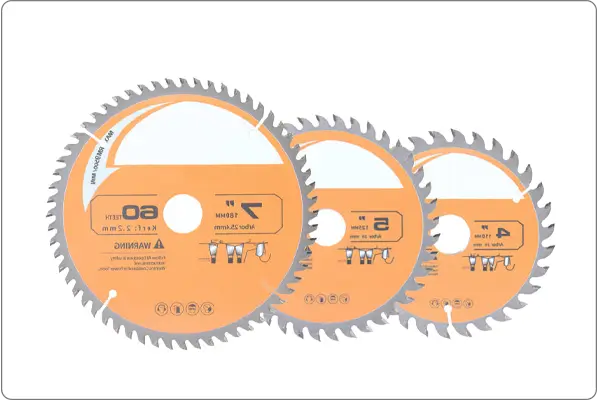
Ready to upgrade your woodworking productivity? Reach out today for expert OEM/ODM circular saw blade solutions—get test samples, technical support, and the wholesale pricing you need!




Fazit
The saw blade has advanced significantly from prehistoric stone blades to contemporary diamond-coated cutters. Its applications are not limited to woodworking; they also include metal cutting, construction, medicine, and specialty markets. With new materials, advanced coatings, and computerization, saw blades will further define our world. The shape and style of saw blades will continue to lead tool design as companies seek increased sustainability and efficiency.