
Hole Saw for Metal Cutting Manufacturer
- OEM customization & bulk discounts for wholesalers
- OEM/ODM - Custom packaging, logos, technical available
- Global Compliance - CE, ISO9001, RoHS seamless customs clearance

Hole Saw For Metal Cutting Manufacturer From China
- One-stop solution for your purchase
- 15+ years hole saw factory experience
- Your logo, our quality -OEM solutions
- Free samples start your business
Your Leading Hole Saw for Metal Cutting Manufacturer & Supplier
SGS & ISO Audited Hole Saw
Tenyu Tool, a professional hole saw for metal cutting supplier, has been approved by SGS, and obtain ISO quality system certification, ISO environmental management system certification.
0% Complaint
Tenyu Tool has advanced in-house quality testing lab, 100+ QC inspection team, 100% inspected before loading, which will guarantee the product quality and eliminate your concerns.
Manufacture Test Certificate
Tenyu Tool will issue manufacture test certificate for each order before shipment. In order to confirm the product meet chemical composition standard and achieve mechanical performance standard
Fast Delivery
Tenyu Tool keep stable delivery time 7-35 days. Tenyu Tool owns 15 auto production line which will guarantee your delivery date. Even in peak season, we can catch the delivery time. There will be no delay.
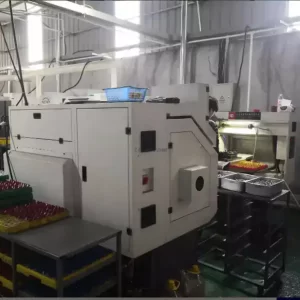
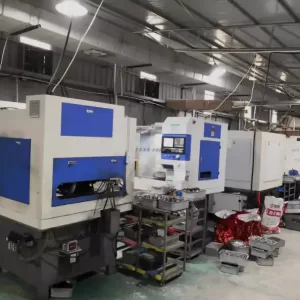
Tenyu Tool Professional Production Workshop for Hole Saw
Support online face-to-face factory visits


Tenyu Tool Professional Production Workshop for Hole Saw
Support online face-to-face factory visits






Voice of the World Exhibition
Tenyu Tool actively participates in trade shows around the world and visits our customers, we get closer to them and get more opportunities to present our hole saw.


Voice of the World Exhibition
Tenyu Tool actively participates in trade shows around the world and visits our customers, we get closer to them and get more opportunities to present our hole saw.






Qualification Certificate
Third-Party Verified Excellence: Engineering Confidence Into Every Hole Saw
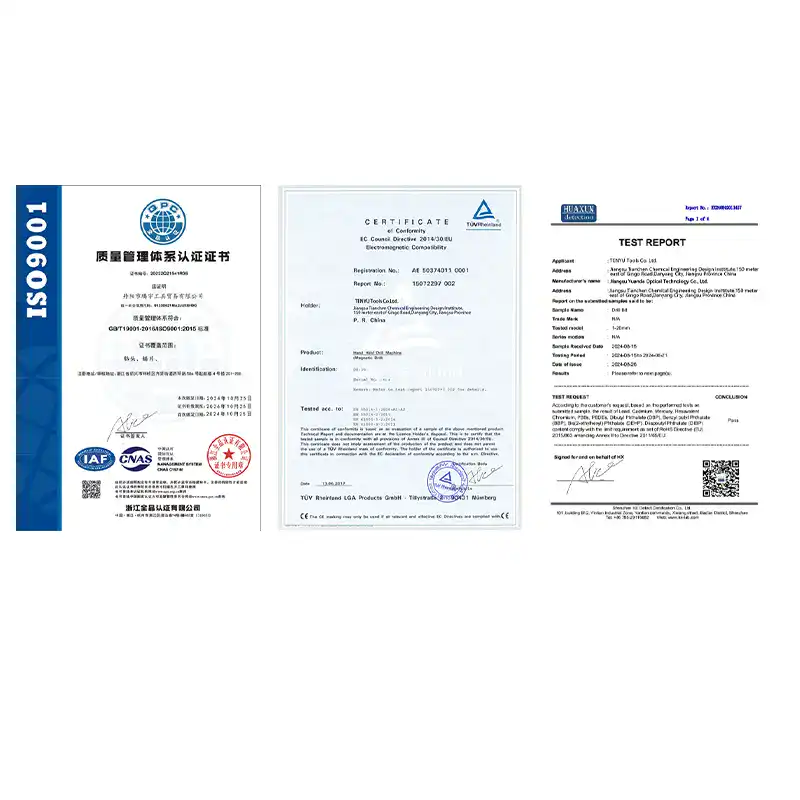
Qualification Certificate
Third-Party Verified Excellence: Engineering Confidence Into Every Hole Saw



Trusted by World-renowned Brands
Our company is loved and trusted by more than 100 well-known brands。

Trusted by World-renowned Brands
Our company is loved and trusted by more than 100 well-known brands


Hole Saw for Metal Cutting Proper Usage of Hole Cutters
Step | Procedure | Important Notes |
1. Power Tool Selection | Always use appropriate power drill (at least 14V for cordless models) | Never use battery-powered drill for masonry or wood thicker than 50mm |
2. Safety Preparation | Wear safety goggles, dust mask, and work gloves | Tie back long hair and avoid loose clothing |
3. Marking | Clearly mark center point for hole | Use punch tool for precise marking on metal surfaces |
4. Initial Cutting | Start at slow speed with gentle pressure | Gradually increase speed – rushing causes poor cuts |
5. Angle Maintenance | Keep cutter at perfect 90° angle to surface | Off-angle cuts may cause binding or kickback |
6. Debris Removal | Clear accumulated material using speed slots or ejection spring | Prevents clogging and maintains cutting efficiency |
7. Breakthrough Technique | For clean exits, drill partly through then finish from opposite side | Prevents material tear-out on underside |


Hole Saw for Metal Cutting Material-Specific Techniques
Material Type | Recommended Cutter | Key Technique | Lubrication Needs |
| Wood/MDF/Plywood | Bi-metal cutter | Medium speed, steady feed | Minimal (dry cuts acceptable) |
| Mild Steel | Bi-metal cutter | Slow speed (300-500 RPM) | Cutting oil essential |
| Acero inoxidable | Carbide-tipped cutter | Very slow speed (150-300 RPM) | Specialized cutting paste |
| Aluminio | Bi-metal cutter | Medium speed (500-800 RPM) | Light oil prevents galling |
| Tile/Ceramic | Diamond-grit cutter | Low pressure, water cooling | Continuous water feed required |
| Concreto | Concrete hole cutter | Moderate pressure, frequent clearing | Water cooling recommended |


Hole Saw for Metal Cutting Proper Usage
Situation | Solución | Tool Requirement |
Expanding existing hole | Use hole cutter rework adapter | Two different sized cutters |
Deep cutting (>50mm) | Periodic chip clearing | Speed slots or ejection spring |
Thin material (<3mm) | Backing board required | Same cutter as primary material |
Brittle materials | Pilot hole first then full cut | Standard cutter with guide bit |
Overhead cutting | Secure workpiece firmly | Standard cutter with dust shield |


Comparison of Hole Saw Cutter Types for Various Materials
Escribe | Best For | Cutting Edge Design | Ventajas | Limitations | Typical Applications |
Metal Hole Cutter | Mild steel, stainless steel, aluminum | Fine-pitch tungsten carbide teeth (50-100 teeth) | Extreme durability, heat resistance | Requires cutting fluid for best results | Metal fabrication, electrical panels |
Bi-Metal Hole Cutter | Wood, plastics, thin metals | Alternating HSS teeth and carbon steel body | Versatile, cost-effective | Not for hard materials >45HRC | HVAC, drywall, woodworking |
Wood Hole Cutter | Solid wood, plywood, MDF | Coarse teeth (4-8 TPI) with wide gullets | Fast chip removal, smooth finish | Blunts quickly on metal | Furniture making, carpentry |
Concrete Hole Cutter | Brick, concrete, masonry | Tungsten carbide tip with carbon steel body | No hammer action needed | Requires water cooling | Construction, civil engineering |
Diamond-coated edge | Chip-free cuts, precision | Slow cutting speed | Bathroom installations, tiling projects |


Comparison of Hole Saw Cutter Types for Performance Factors
Parameter | Metal | Bi-Metal | Madera | Concreto | Teja |
Max Temp Resistance | 600°C | 300°C | 150°C | 1,200°C | 800°C |
Typical Lifespan | 500+ cuts | 300 cuts | 200 cuts | 100 cuts | 50 cuts |
Chip Clearance | Medio | Good | Excellent | Poor | Minimal |
Precision Tolerance | ±0.1mm | ±0.3mm | ±0.5mm | ±1.0mm | ±0.05mm |




Comparison of Hole Saw Cutter Key Technical Specifications Comparison
Technical Feature | Metal Hole Cutter | Bi-Metal Hole Cutter | |
Tooth Geometry | Fine-pitch, compact teeth (50-100 teeth per inch) | High quality HSS teeth and carbon steel body | Aggressive, widely spaced teeth (4-8 TPI) |
Material Compatibility | Up to 65 HRC hard materials | Up to 45 HRC medium-hard materials | Below 30 HRC soft materials |
Optimum Cutting Speed | 300-800 RPM | 500-1,500 RPM | 1,000-3,000 RPM |
Surface Finish Quality | 0.8-1.6μm Ra | 3.2-6.3μm Ra | N/A (wood surface varies) |
Vibration Levels | <2.5 m/s² | <3.5 m/s² | <5.0 m/s² |


Comparison of Hole Saw Cutter Key Technical Specifications Comparison
Rasgo | Concrete Cutter | Cortador de baldosas | Premium Coated Cutters |
Tooth Geometry | Diamond grit segments | Diamond-coated or carbide spear tips | Advanced nano-coating |
Material Compatibility | 5-9 Mohs scale hardness | 6-9 Mohs scale hardness | All materials (70+ HRC) |
Optimum Cutting Speed | 150-500 RPM (dry) | 200-500 RPM (wet) | Variable (300-10,000 RPM) |
Surface Finish Quality | N/A (masonry surfaces) | Mirror finish (0.4μm Ra) | 0.5-1.6μm Ra |
Vibration Levels | <8.0 m/s² | <1.5 m/s² | <1.0 m/s² |


Additional Performance Factors of Hole Saw Cutter
Application Scenario | Recommended Choice | Technical Rationale | Pro Tip |
Structural steel >6mm thickness | Dedicated metal hole cutter | Maintains cutting precision at 65+ HRC | Use cutting fluid for tool life extension |
Mixed materials (wood with nails) | Bi-metal cutter | Balanced hardness for varying materials | Choose variable pitch teeth models |
Composite material drilling | Diamond-coated cutter | Prevents delamination of layered materials | Reduced RPM with constant feed pressure |
Production batch processing | Premium coated cutters | 3-5x longer lifespan in continuous operation | Invest in automated sharpening systems |
Masonry/concrete work | Goncrete Hole Cutter | Effective in abrasive materials without hammering | Water cooling mandatory for >50mm depth |


Table of Contents
Hole Saw for Metal Cutting: Bi-Metal & Carbide Hole Cutter
Need to cut clean holes in metal? Choosing the right hole saw can make or break your project.
Bi-metal hole saws & carbide hole saws are the top choices for metal cutting.Bi-metal hole saws with M42 cobalt teeth cut steel and stainless steel, while carbide-tipped hole saws excel in abrasive materials. Both offer superior durability and cutting speed compared to standard options.
Let’s dive deeper into metal hole saw technology to help you select the perfect cutter.
What is a Hole Saw?
Ever struggled with messy, irregular holes in metal sheets? A hole saw solves this problem.
A hole saw is a cylindrical cutting tool, creating precise circular holes in materials like metal, wood, or plastic. Unlike drill bits, hole saws remove only the outer material, leaving a solid core.
Key Components of a Hole Saw
– Cutting Teeth: Does the actual cutting—determines material compatibility.
– Body: Supports the teeth structure—affects depth capacity.
– Cenador:Connects to drill chuck—ensures stable rotation.
– Pilot Bit: Guides the cut—maintains accuracy.
At Tenyu, we manufacture hole saws with precision-ground teeth that stay sharper3x longer than industry standards. Our M42 cobalt bi-metal teeth maintain their edge even in stainless steel applications—a feature our Brazilian procurement manager, Alex Costa, particularly values for his hardware distribution business.
Types of Hole Saws
Not all hole saws are created equal—material matters!
The three main types of metal cutting are bi-metal, carbide-tipped, and diamond-edge. Bi-metal offers the best balance of cost and performance, while carbide provides extreme durability for tough materials.
Comparison of Metal-Cutting Hole Saws
1. Bi-Metal Hole Saws
– Construction:HSS teeth welded to alloy steel body
– Best for: Steel, stainless steel, cast iron
– tenyu Advantage: Our M42 cobalt teeth (8% cobalt content) last 50% longer** than standard HSS M2 steel

2. Carbide-Tipped Hole Saws
– Construction: Tungsten carbide teeth brazed to steel body
– Best for:Abrasive materials, fiberglass, cement board
– tenyu Advantage: Patented tooth geometry reduces vibration by 30%

3. HSS Hole Saw
– Construction: Tungsten Carbide Tip with Carbon Steel Body
– Best for:Wood, metal, plastic, composite materials
– tenyu Advantage:HSS Hole Saw contains a large amount of alloying elements such as tungsten (W), molybdenum (Mo), chromium (Cr), and vanadium (V), which enables it to maintain its hardness and cutting performance at high temperatures up to 600°C.

For our North American clients, we recommend bi-metal for general metalworking y carbide for specialized applications. Our ISO 9001 certified factory ensures each saw meets rigorous quality standards before shipment.
Advantages of Using Bi-Metal for Metal Cutting
Bi-metal technology offers significant benefits for metal cutting applications:
1.Extended Tool Life – M3, M42 cobalt teeth assure long tool life even in the toughest metal cutting applications.
2. Versatilidad – Cuts mild steel, Metal, stainless steel, aluminium and more with ease.
3. Rentabilidad – Top performance for a fraction of the cost of carbide hole saw.
4. Reduced Downtime – The heavy-duty design prevents broken and missing teeth during operation.
5. Better Chip Clearance – Tooth design reduces clogging when cutting thicker materials.

Bi-Metal Hole Saws
Features of Bi-Metal Hole Saws
Bi-metal hole saws combine two materials for optimal performance. The cutting edge utilises HSS cobalt alloys (M42 ), while the body is composed of flexible spring steel. This construction provides both hardness for cutting and durability to withstand stress.
Key features include:
– Heat-resistant teeth that maintain sharpness at high temperatures
– Deep gullets for efficient chip removal
– Multiple tooth designs (variable pitch, wavy set) for different materials
– Thicker back walls for increased stability
Our tenyu bi-metal hole saws feature an advanced tooth geometry that reduces binding and improves cutting speed by 25% compared to conventional designs. The precisely set teeth create smoother cuts with less vibration.
Applications of Hole Saws in Metal Cutting
Hole saws are among the most versatile tools in various industries for cutting metal[^1] with precision. They are very much in demand by professionals for making clean, precise, burr-free holes in metal goes through.
The most popular applications are general air conditioning, electrical conduit systems, plumbing systems, and the gas industry. Hole saws are used in a wide variety of applications in metalworking[^2] to create holes for pipes, electrical and HVAC installations on metal boards, cast iron, acero inoxidable[^3] and range of large diameter holes[^4]. They are highly prized by contractors for jobs involving sheet metal, stainless steel and aluminium.
Our tenyu tool metal sierras de agujero[^5] are designed to handle abuse from ultra-heavy-duty use, including applications on the job site as well as on the assembly line in a factory. The flexibility enables tradesmen to work aggressively with any metal thickness and shape, without needing to switch between them.
Common Uses of Bi-Metal Hole Saws
Bi-metal hole saws are professional metal cutting applications. These Metal hole saws suitable in multiple industries due to their balanced performance and durability.
Electricians frequently use them for creating precise knockouts in electrical panels and junction boxes. HVAC technicians rely on bi-metal hole saws for drilling in ductwork and ventilation systems. In plumbing installations, they’re drilling clean holes in pipes and metal fixtures.
The construction industry benefits from their ability to cut through structural steel, while auto technicians value them for body repairs. Manufacturing plants use bi-metal hole saws for production line useful.
At tenyu, we’ve have engineered our bi-metal hole saws specifically for these demanding applications. Our customers report successful use in cutting:
Mild steel (1-10mm thickness)
Stainless steel (304 and 316 grades)
Aluminum (including structural beams)
Cast iron (for machinery maintenance)
Carbide Hole Cutters
Understanding Carbide Teeth
Carbide teeth significant advancement in hole saw technology. These cutting edges are made from tungsten carbide, one of the hardest materials available for industrial cutting tools.
The carbide tips are welded to the steel body using a proprietary process. This forms teeth that stay sharper 6 times longer in abrasive materials. The component tooth are configured to:
Reduce heat buildup during cuttingMinimize vibration for smoother operation
Optimize chip removal for cleaner holes
Withstand impact from hard materials
Our tenyu carbide hole cutters feature a patented tooth configuration that increases cutting speed by 30% compared to conventional designs. We use highest grade tungsten carbide with cobalt binders for maximum durability.

Benefits of Carbide Tipped Hole Saws
Carbide tipped hole saws offer advantages for professionals working with challenging materials:
Superior Longevity – Lasts 5-8 times longer than bi-metal in fiberglass, composites, and hardened Materials.
Abrasive Resistance – Maintains cutting performance in materials that quickly wear out standard tools
High-Temperature Stability – Performs consistently even under continuous heavy use
Versatile Performance - Cuts through Materials that Would Damage Other Hole Saw Types:
Fiber cement board
Ceramic tiles
Reinforced plastics
Hardened steel
Cost Efficiency – Despite higher initial cost, provides lower cost-per-hole in demanding applications
For bosses like Alex Costa, who is responsible for delivering materials to construction sites, carbide hole saws are code for a smaller tool inventory and less hassle changing bits on a job. Our 10 squeaky carbide tools are made as good or better than any others out there – we test our tools for balance and frequency with our own system before we offer them up for sale.

Choosing the Right Carbide Hole Cutter
Selecting the proper carbide hole cutter requires understanding your material and project specifics. Carbide-tipped hole saws excel in cutting abrasive materials that would quickly dull standard tools.
For professionals drilling with fiber cement, ceramic tiles, or hardened steel, carbide cutters provide unmatched durability. The tungsten carbide teeth maintain sharpness 5-8 times longer than bi-metal in these tough applications.
Key Selection Factors Include:
Material type and thickness
Required hole diameter
Cutting speed needs
Project volume
Our tenyu carbide hole saws come in diameters from 14mm to 210mm with special tooth geometry that reduces vibration by 30% and increases cutting speed.
Comparative Analysis: Bi-Metal vs. Carbide Hole Saws
Durability Comparison:
Bi-metal (M42 cobalt): 300-500 holes in mild steel
Carbide-tipped: 1,500+ holes in abrasive materials
The tenyu bi-metal saws feature 8% cobalt teeth that last 50% longer than standard M2 steel, while our carbide options use premium tungsten carbide with cobalt binders for extreme wear resistance.
Fast Cutting Capabilities
Speed Differences between the Technologies:
Bi-metal Advantages:
Faster initial cutting in mild steel
Lower purchase cost
Better for thinner materials (1-10mm)
Carbide advantages:
Maintains speed in hard materials
Less heat buildup
Consistent performance through life
Our tests show the tenyu carbide hole saws cut 30% faster than competitors in fiber cement and similar abrasives, with patented tooth geometry that minimizes binding.
For procurement managers like Alex Costa, choosing between bi-metal and carbide depends on application frequency and material mix. High-volume operations cutting diverse materials benefit from maintaining both types in their tool inventory.
Cost Considerations:
Professionals looking at hole saw choices weigh initial purchase price against long-term performance. The differential in cost between bimetal hole saws and carbide tipped hole saws is indicative of their respective performance and anticipated life.
Product Description: Our tenyu hole saws with m42 cobalt cost 20-30% more compared to the traditional carbon steel hole saw, but they provide 3-5x the life span. (Note: Carbide-tipped options cost a couple-few x’s as much as bi-metal, but are more cost effective when used on an abrasive frequently.)
Key Cost Factors Include:
Material compatibility requirements
Project volume and frequency of use
Labor costs associated with tool changes
Waste reduction from clean cuts
How to Use a Hole Saw Effectively
Selecting the Right Arbor and Pilot Bit
Correct choice of arbor also prevents vibration and increases tool life.

The Arbor Has to Be Compatible with Both The Chuck Size on Your Drill and The Mounting System in The Hole Saw. Common Arbor Types Include:
Standard hex-shank arbors (for most applications)
Quick-change systems (for frequent bit changes)
Heavy-duty reinforced arbors (for large diameter cuts)
Pilot Bit Considerations:
Carbide-tipped pilots for hardened materials
Replaceable tip designs for cost efficiency
Proper length for material thickness
Our tenyu arbors feature hardened steel construction and precise machining for vibration-free operation at high RPMs.
Techniques for Cutting Metal
Correct Cutting form can Improve Performance and Protect You:
Tighten the working pad to avoid sliding during working.
Use a slow, even pressure – don’t force the teeth.
Use a lubricant with the blade for metal thicker 3mm statement.
Dust clear the chips often to avoid overheating
Reduce speed when encountering resistance
For Optimal Performance of Tenyu Hole Saws:
Maintain RPM between 500-1500 depending on material
Withdraw periodically to clear chips
Replace at first sign of dullness to preserve material
Professional users report our hole saws require 25% less pressure than competing brands, reducing operator fatigue during extended use.
Safety Tips When Using Hole Saws
Working with hole saws requires careful attention to safety precautions. The high-speed rotation and metal-cutting action present several potential hazards that professionals should address.
Always wear ANSI-approved safety glasses to protect against metal chips and debris. Heavy-duty work gloves provide protection from sharp edges while allowing proper tool control. Hearing protection is recommended for prolonged use, especially with larger diameter hole saws.
Additional safety measures include:
Securing long hair and loose clothing
Maintaining a clean work area free of trip hazards
Keeping hands clear of the cutting area
Using clamps for workpiece stabilization
Our tenyu hole saws feature vibration-dampening designs that reduce operator fatigue and improve control during cutting operations.

Maintenance and Care for Hole Saws:
Proper Cleaning Techniques
Regular cleaning maintains performance and extends tool life. After use, remove the hole saw from the arbor and brush out all metal chips and debris.
For stubborn buildup:
Soak in mineral spirits for 10-15 minutesUse a nylon brush to scrub teeth and gullets
Rinse with clean solvent
Dry completely before storage
Never use wire brushes on carbide teeth as this can damage the cutting edges. For tenyu hole saws, we recommend our specialized cleaning kit that includes anti-rust spray and cleaning tools designed for our tooth geometry.
Storage Recommendations:
Good store keeps these away from damage and ensures long time of using and cutting performance:
Store in original packaging or protective cases
Keep in a dry environment with controlled humidity
Separate different sizes to prevent tooth damage
Hang larger diameter saws vertically to prevent warping
Our tenyu storage system features moisture-resistant cases with foam inserts that protect cutting edges while allowing easy visual identification of sizes.
Extending the Life of Your Hole Saws
Maximize Your Investment with These Best Practices:
Conclusión
Choose the right hole saw technology based on your material and budget—tenyu offers both standard and customized solutions for professionals. Need high-quality, long-lasting tools? Contact us today for wholesale options and OEM branding.
[^1]: Explore this resource to understand the diverse industries utilizing metal cutting tools and their unique applications.
[^2]: Check out this resource to stay updated on innovative metalworking tools and techniques that can enhance your projects.
[^3]: Explore this resource to learn expert techniques for cutting stainless steel effectively and safely, enhancing your project outcomes.
[^4]: Explore this resource to discover expert techniques and tools for efficiently cutting large diameter holes in various metal types.
[^5]: Explore this link to discover top-rated hole saws that ensure precision and durability for your metal cutting needs.
