







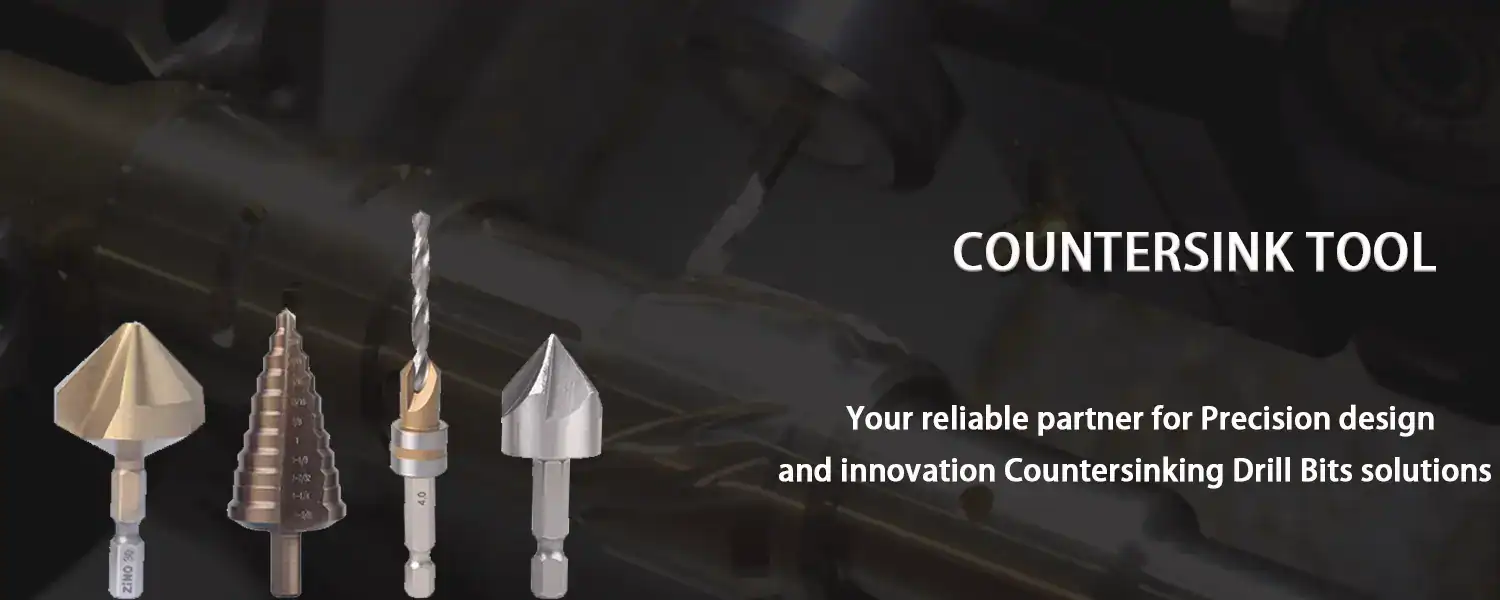

Countersinking Drill Bits Manufacturer
- Your Trusted Partner in Premium Hardware Tool Manufacturing
- 15+ Years of Excellence in Hardware Manufacturing
- Wholesale Hardware Sets at Factory-Direct Prices
- OEM & Private Label Services | EN12413 Certified
Countersinking Drill Bits Manufacturer From China
- One-stop solution for your purchase
- Your Source for Quality, Competitive Pricing, and On-Time Delivery.
- Wholesale Hardware Solutions for Every Need.
- Free samples start your business
Tenyu Tools’ Countersinking Drill Bits Manufacturer
- Countersink tools provide precise chamfering and deburring performance, ensuring clean hole finishes and proper screw seating.
- Industrial-grade alloy steel construction delivers strong wear resistance and maintains sharp cutting edges in continuous use.
- High-precision grinding ensures smooth countersinking with stable cutting control, ideal for woodworking, metalworking, and assembly tasks.
- Countersink tools are recommended for creating flush screw holes and deburring drilled surfaces across versatile workshop applications.
- B2B-focused supply with OEM customization, bulk pricing, and consistent production capacity for global distributors.
Industrial Packaging That Builds Tool Brands
- Your Packaging is Your Silent Salesman
- Custom Logo & Color Printing
- Distributor-Focused Packaging Design
- Export-Safe Protection Structure
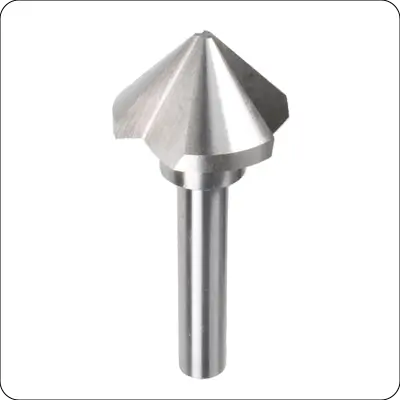
The Countersink Tools Produced by Our Factory
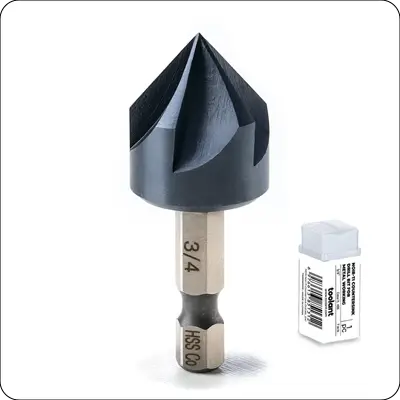
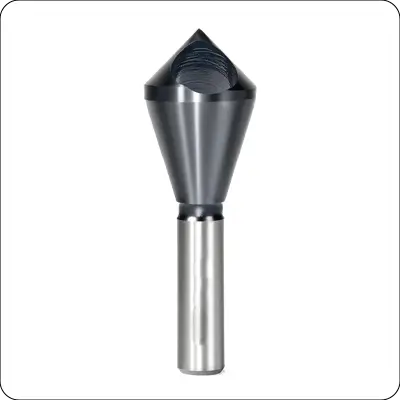
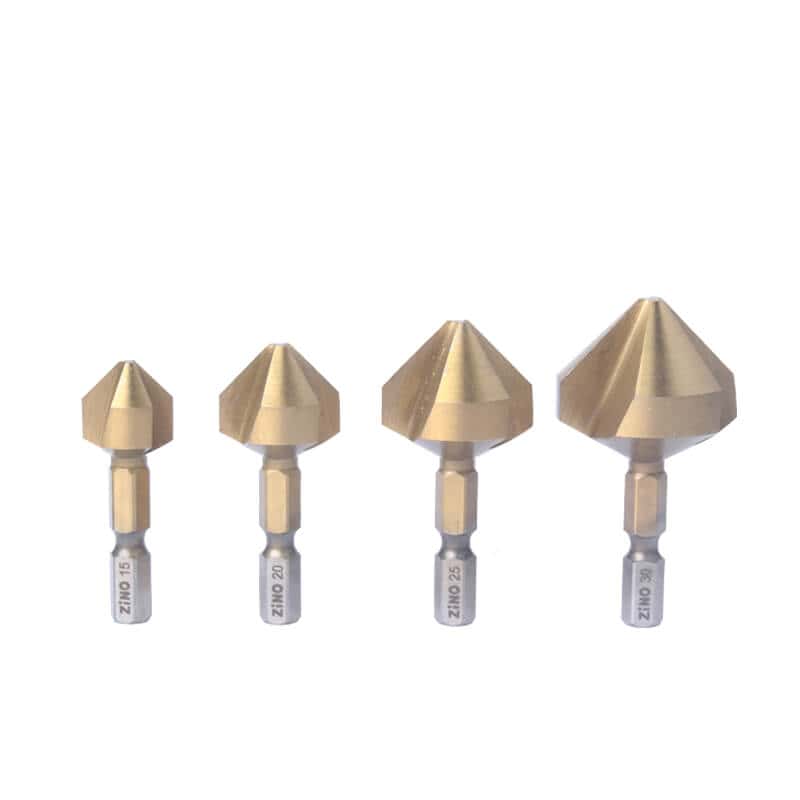
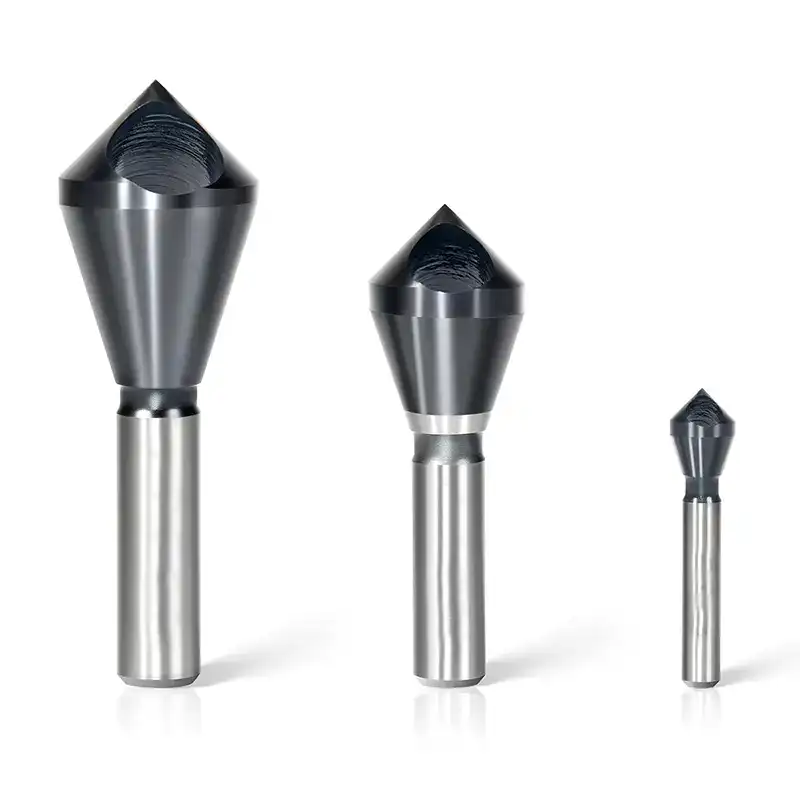
Cobalt Single-End Countersink Chamfer Tool – Heavy-Duty M35 90-Degree Countersink Bits
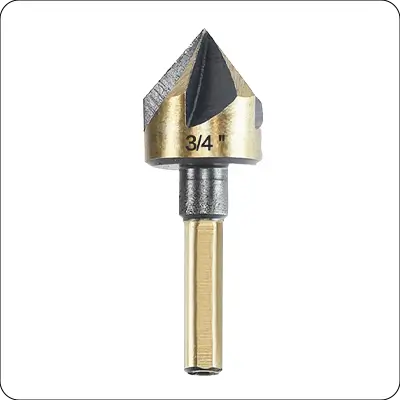
82 Degree Countersink Holes for Screws to Sit Flush or Under The Surface of Metal Wood Plastic, Sizes
Your Leading Countersinking Drill Bits Manufacturer & Supplier
SGS & ISO Audited Hole Saw
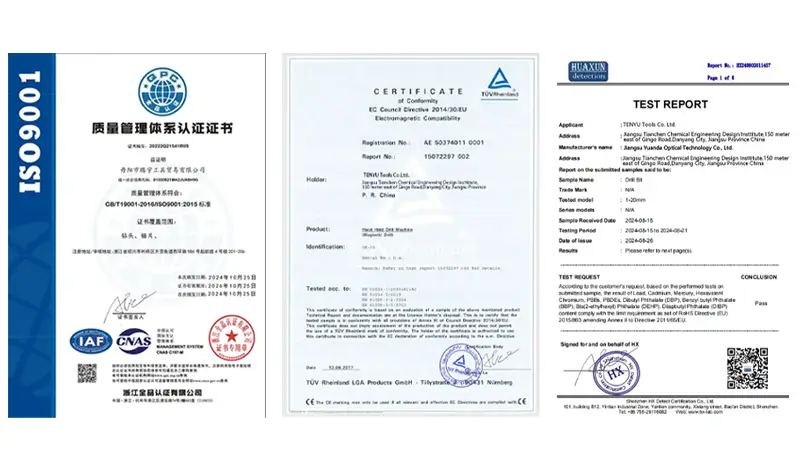
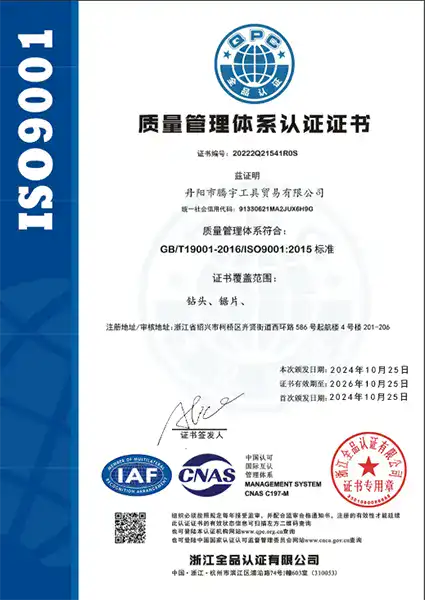
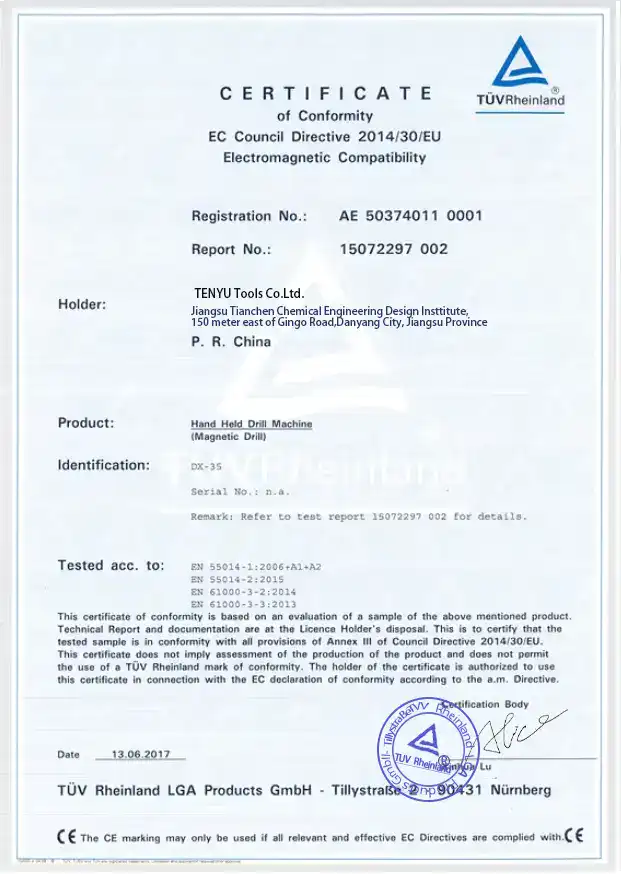
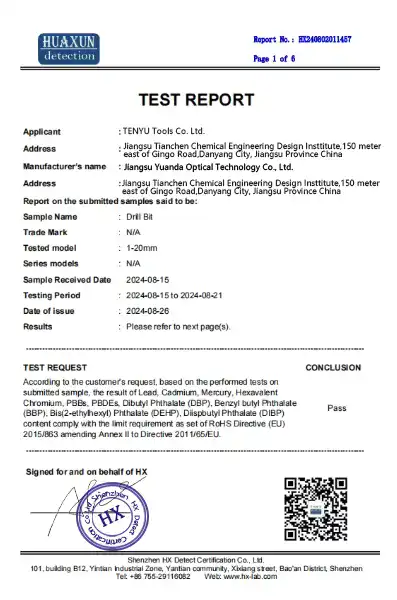
Tenyu Tool, a professional Countersinking Drill Bits supplier, has been approved by SGS, and obtain ISO quality system certification, ISO environmental management system certification.
0% Complaint
Tenyu Tool has advanced in-house quality testing lab, 100+ QC inspection team, 100% inspected before loading, which will guarantee the product quality and eliminate your concerns.
Manufacture Test Certificate
Tenyu Tool will issue manufacture test certificate for each order before shipment. In order to confirm the product meet chemical composition standard and achieve mechanical performance standard
Fast Delivery
Tenyu Tool keep stable delivery time 7-35 days. Tenyu Tool owns 15 auto production line which will guarantee your delivery date. Even in peak season, we can catch the delivery time. There will be no delay.
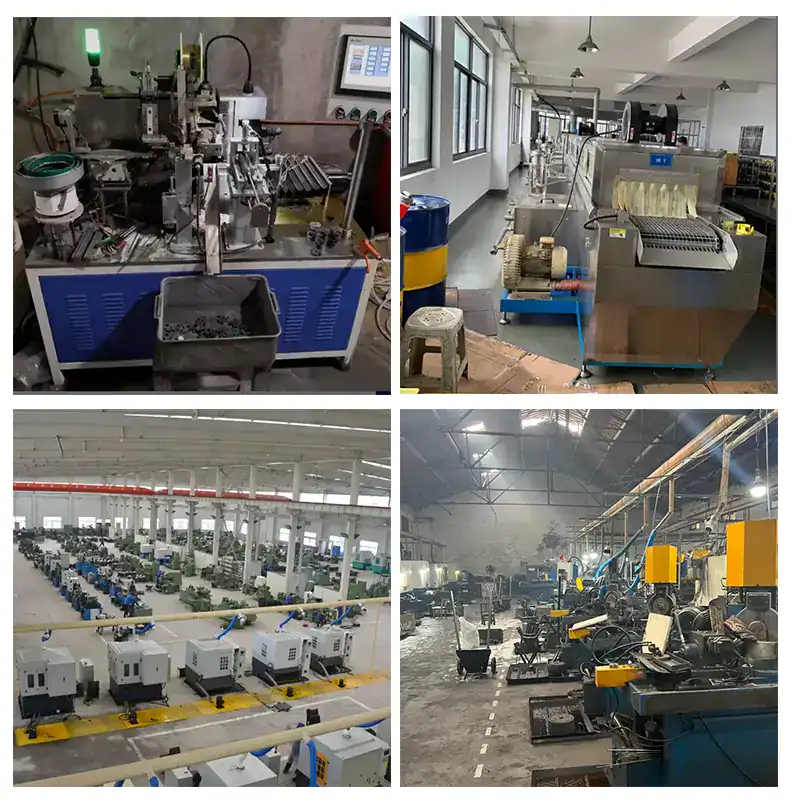
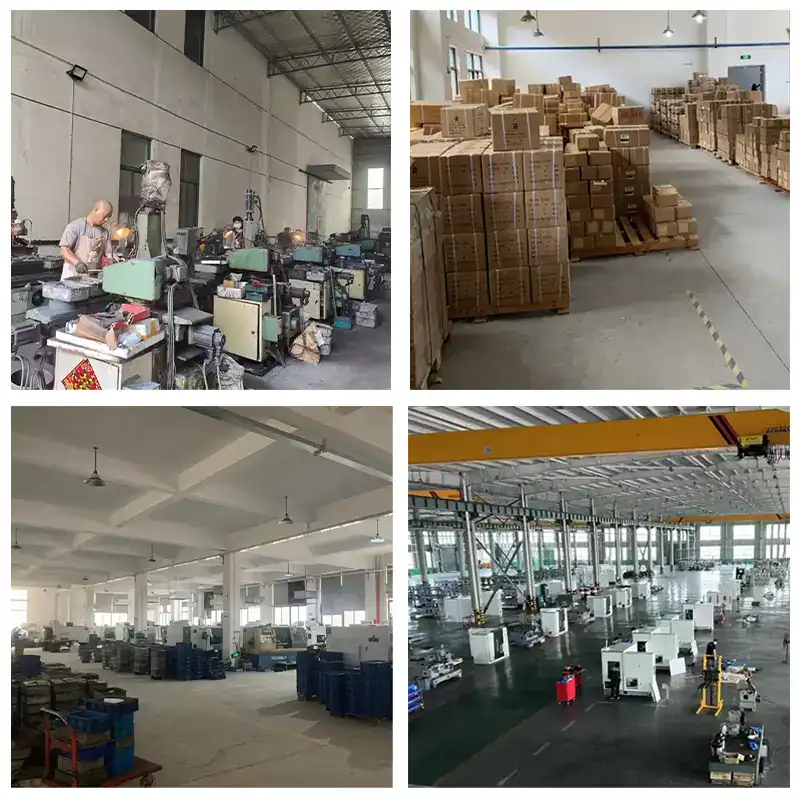
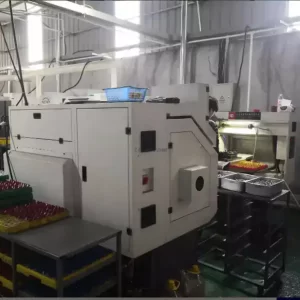
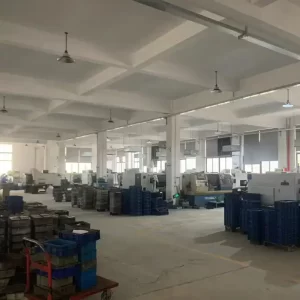
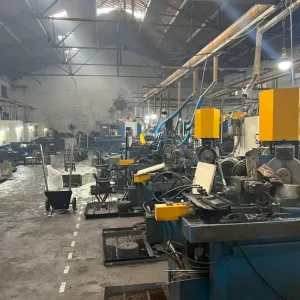
Tenyu Tool Professional Production Workshop for Countersinking Drill Bits
Support online face-to-face factory visits
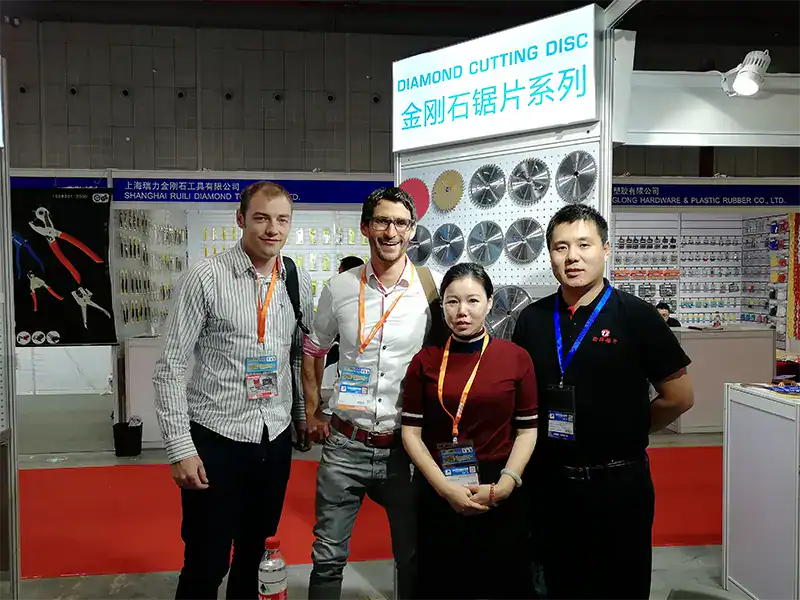
Voice of the World Exhibition
Tenyu Tool actively participates in trade shows around the world and visits our customers, we get closer to them and get more opportunities to present our countersinking drill bits
Qualification Certificate
Third-Party Verified Excellence: Engineering Confidence Into Every Countersinking Drill Bits
Purpose of a Countersinking Drill Bits
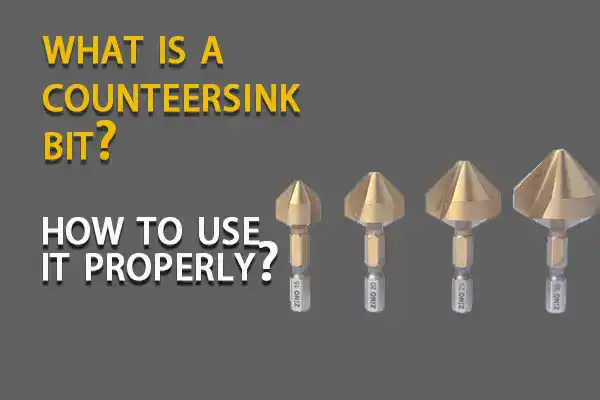
A countersink bit creates a conical recess at the top of a drilled hole, allowing screw heads to sit flush or below the surface for a clean, professional look.
How It Works
Drill a Pilot Hole – A hole is drilled to match the screw’s diameter.
Avellanar – The countersink bit chamfers the top of the hole to match the angle of the screw head.
Insert Fastener – The screw is driven in until its head is flush with or slightly recessed into the surface.
What is a Countersinking Drill Bits ? How does it work?
Why Choose Our Countersinking Drill Bits ?
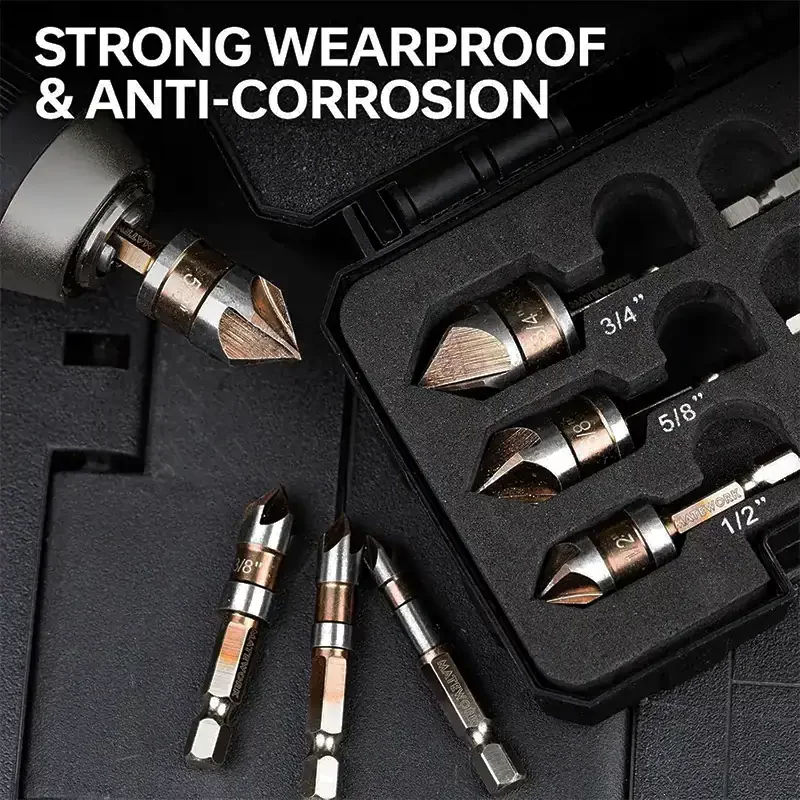
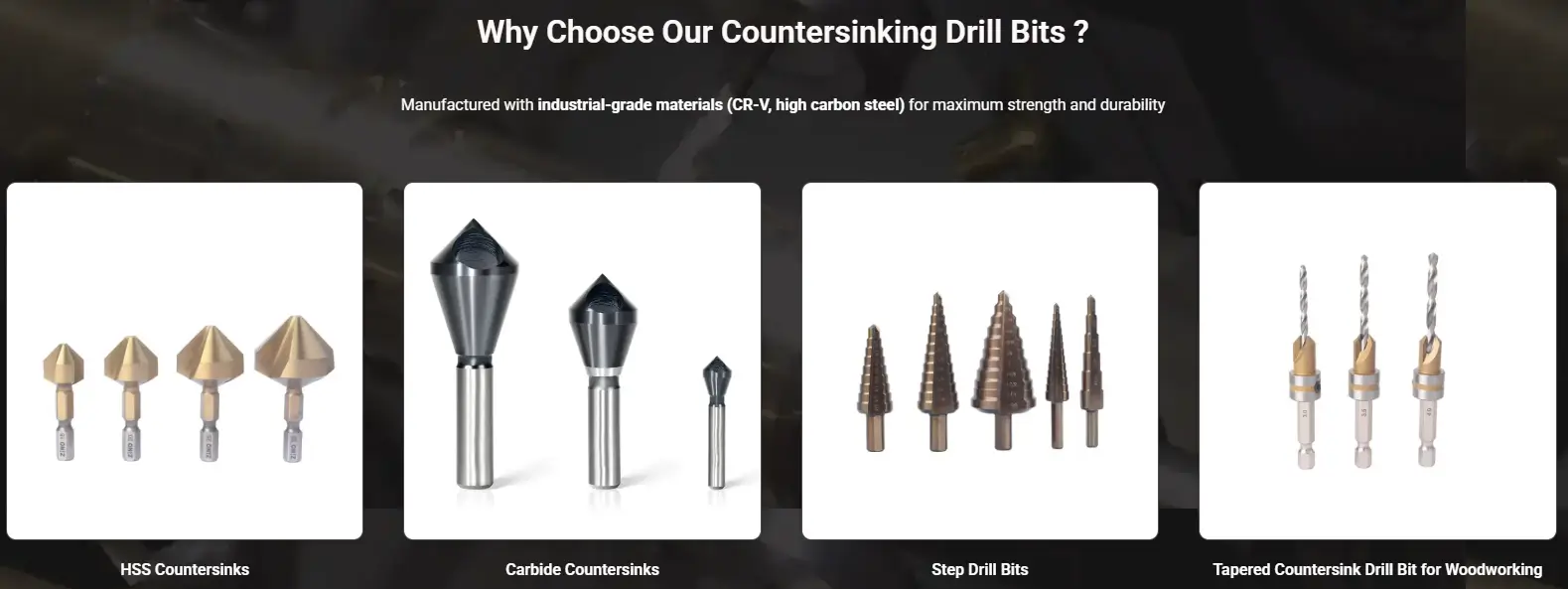
Manufactured with industrial-grade materials (CR-V, high carbon steel) for maximum strength and durability
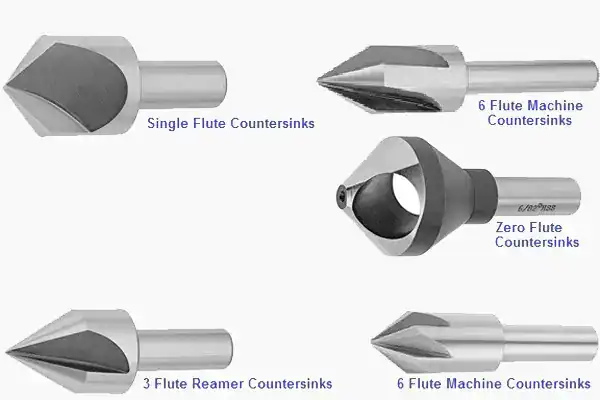
HSS Countersinks
Carbide Countersinks
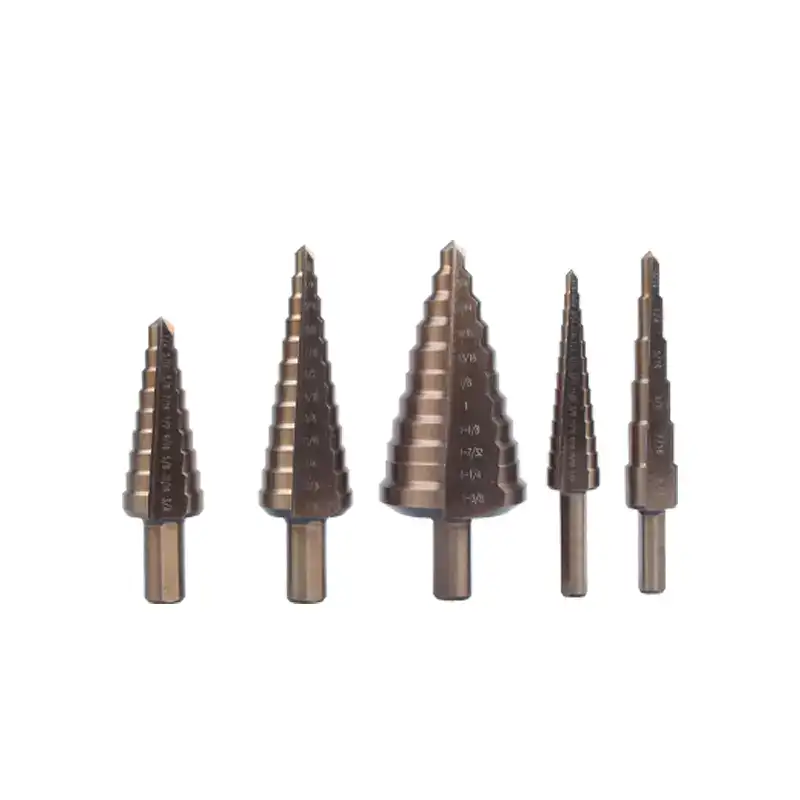
Brocas escalonadas
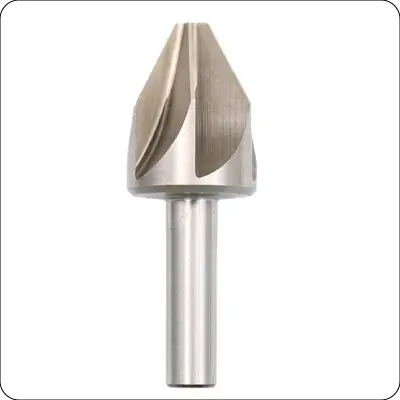
Tapered Countersink Drill Bit for Woodworking
FAQs about: Countersink Tools
A countersink tool cutting tool used to create a conical,V-shaped hole at the surface of a workpiece, so tapered screws sit flush or slightly below the surface. It is widely used in woodworking, metalworking, and assembly.
Countersinks widen drilled holes to create a conical recess for screws to sit flush or below the surface. They are used for deburring, improving appearance, preventing material cracking, and ensuring stable screw seating in woodworking, metalworking, and assembly.
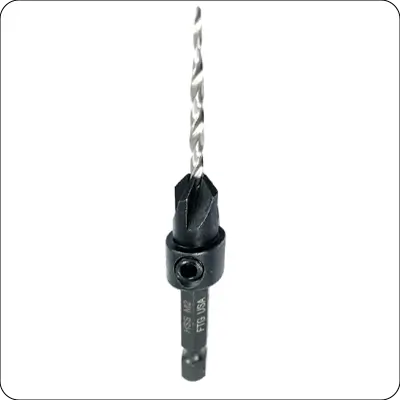
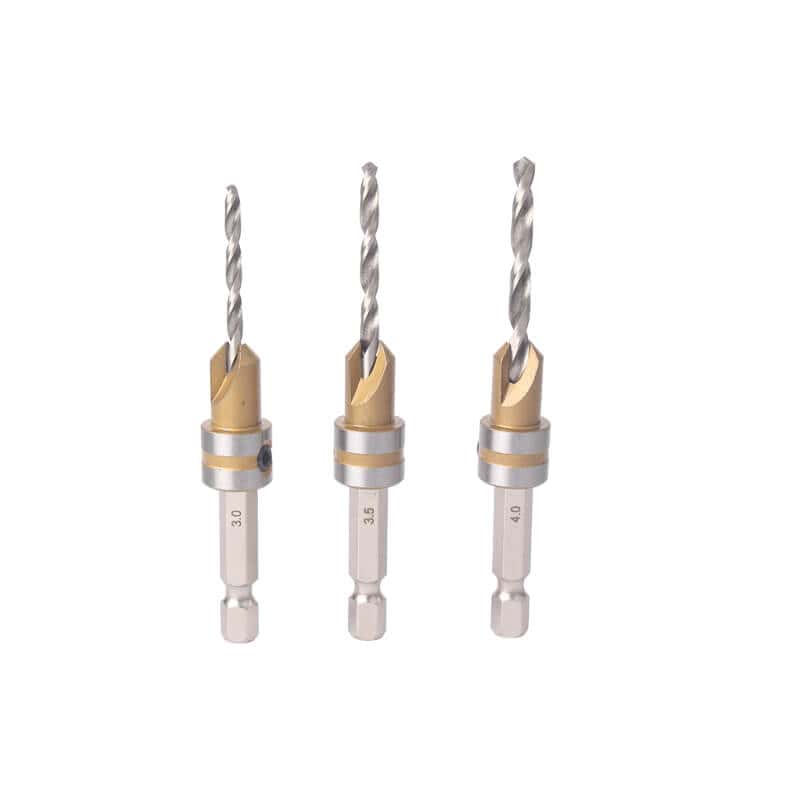
Yes! Our countersinking drill bits feature an adjustable stop collar (or adjustable sleeve). By loosening the included hex wrench (Allen key), you can slide the drill bit up or down to match the exact length of your screw.
• Benefit: This ensures you don’t drill too deep into your workpiece, which is critical for furniture making and cabinetry where precision is key.
Our bits are designed with extra-wide chip channels to eject sawdust efficiently as you drill.
• To prevent burning: If you are working with extremely hard woods (like Oak or Maple), we recommend a “pecking” motion—pulling the bit out slightly during the process to clear the chips. This prevents heat buildup that can scorch the wood or dull the cutting edge.
Not at all. The center pilot bit is fully replaceable. If it breaks or becomes dull, simply unscrew the set screw and swap in a standard tapered or straight drill bit of the same diameter.
• Shank Design: Our bits feature a 1/4″ Hex Shank, making them “Quick-Change” compatible. They fit perfectly into standard power drills and impact drivers without slipping.
A speed of between 1500 and 3000 RPM is recommended for drilling most tiles. When drilling large diameter tile holes, it is recommended to use slower speeds to avoid overheating and chipping. You exert less effort using a drill that has the capability to adjust its speed, and it will definitely make your work with ceramic or porcelain tiles useful and keep the diamond bit’s life as long as possible.
Yes. They are designed for woodworking, metalworking, and industrial assembly applications requiring clean and accurate screw seating.
What Our Clients Say

Michael B.
Purchasing Manager

“Tenyu drill bits offer excellent runout accuracy and reliability, reducing our quality returns by 15% since partnering in 2018.”

Lukas M. Owner
R&D Procurement
“Exceptional professionalism. The team provides engineering insights and consistent lead times, improving our product selection and making inventory forecasting more accurate.”

Carlos M.
Import Director
“Sleek custom packaging and sharp laser etching. Tenyu is our most reliable Asian partner, consistently delivering quality and strong brand presentation.”
Table of Contents
Countersinking Drill Bits Supplier: A Comprehensive Drilling Guide
Welcome to our ultimate counter-sinking drill bit guide. In this article, we’re going to take a closer look at drilling and, more precisely, countersink drill bits. Whether a woodworking veteran or new to the trade, knowing the details of these devices will only help your projects go more smoothly and end up looking just right. We’ll look at the various styles of drill bits, why you should be using a countersink and how to get the best one for your job.
Introduction to Drill Bits and Countersink Bits
What is a Countersink Drill Bit?
Knowing the degrees of a countersink drill bit is important in finishing. The prevalent angle for brocas avellanadoras is 82°, in which the screws head can sit perfectly. But there are also other angles, like 90° or 120°, to fit some screw heads or for a special use. “The right angle is very important to make it look professional and clean.”
Some reversible countersink drill bits are adjustable in angle, which makes them quite versatile for various applications. You can make it custom to your screw head with my countersink bit by just finding the right little slot, and you take that screw, and fit it in that hole.
Types of Drill Bits
The market is flooded with several types of drill bits for specific materials and applications. Some common types include:
- High Speed Steel (HSS) drill bits can be used for drilling wood, plastic and metal.
- Cost-effective brocas de carburo that stand up to hard materials such as steel.
Step drill bits are able to drill multiple hole sizes with a single bit. If you are choosing a drill bit set, think about what materials you’re working with and the size of the holes that would be created. Each has its own advantages, according to the project.
Applications of Countersink Bits
Countersink bits are used for many jobs. For woodworking, they are indispensable for recessing fasteners into your furniture and projects precisely, so they do not stick out. They are also important in the metal and woodworking industry, for checking an unobstructed surface and being used as a manual reference point. Additionally, countersink bits are employed in plastic moulding to provide a professional touch. Numerous woodworking applications benefit from a good countersink. Countersinking is done in many applications for various projects. The countersink bits will allow you to sink your screws so that they are flush.
Picking the Best Countersink Drill Bits
What You Should Look for in a Bit
Choose the right countersink drill bit. When choosing a countersink, there are several things to think about. Several aspects are particularly important:
- The Material You’re Working with is Important.
- Consider the diameter of the screw you will use.
The type of finish you want also makes a difference; better countersinks leave you with a cleaner, more professional look. The countersink bit should be the size as close to the screw head so it is flush with the top. Lastly, consider the tool you’ll be using, either a handheld drill or a drill press, and pick out a bit that has an appropriate shank.
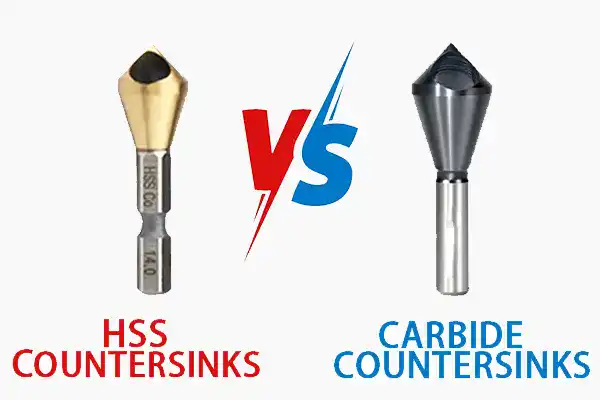
HSS vs. Carbide Countersink Bits
Whether you are deciding between HSS countersink or carbide countersink bits, you will need to consider the material that you are working with. There are some benefits to using HSS countersink bits:
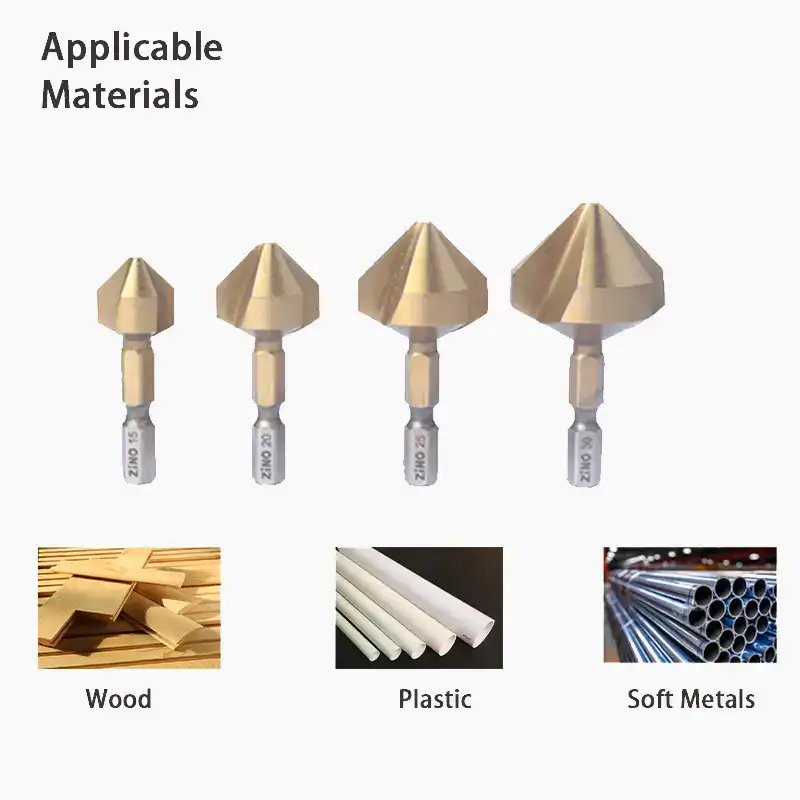
- They are universal and can be used with wood, plastic and soft metals.
- In many cases, they can be a cost-effective alternative.
On the other hand, carbide drill bits are much stronger, can bear up to high temperatures and offer you extended tool life as well as a clean countersink hole. They are the tool of choice for high-performance applications and deliver perfect results.
Understanding Countersink Drill Bit Angles
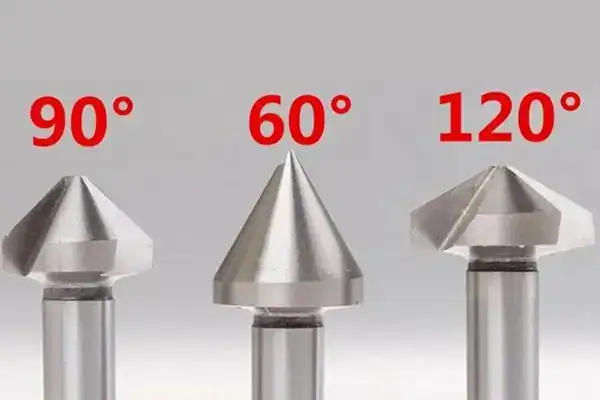
Knowing the degrees of a countersink drill bit is important in finishing. The prevalent angle for countersink drill bits is 82°, in which the screws head can sit perfectly. But there are also other angles, like 90° or 120°, to fit some screw heads or for a special use. “The right angle is very important to make it look professional and clean.”
Some reversible brocas avellanadoras are adjustable in angle, which makes them quite versatile for various applications. You can make it custom to your screw head with my countersink bit by just finding the right little slot, and you take that screw, and fit it in that hole.
Materials Best Suited for Countersinking
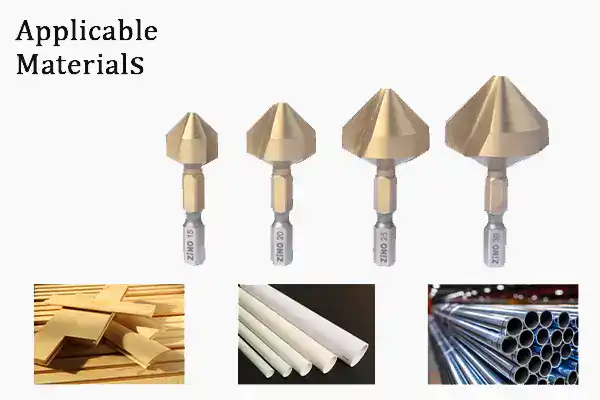
Countersinking Wood
Countersinking Wood is a must in woodworking, and picking the right countersink drill bit for wood will make all the difference. On wood, a High-speed steel (HSS) countersink is common. When the choice is between a single countersink bit and a set, it will generally depend on what screw size you’ll be using. A clean countersink hole is important so that the screw head rests even with the surface. Some pros will pre-drill a pilot hole, especially on hardwoods, to avoid splitting. If you use a wood plug after the screw is in, it may be an even cleaner look (where no screw is showing). If you need a countersink in woodworking, the proper countersink is crucial as well, or it could cause problems, and this will ensure you get the best result.
Countersinking Metals
When countersinking metals, particularly steel, the expectations placed on your tools really ramp up. A carbide countersink bit is preferred over HSS for these applications because they are incredibly durable, hold up to the heat better and can be used at higher speeds. With harder metal, the tool must be especially robust in order to produce a clean countersink hole, and not prematurely dull the drill bit as well. Make sure your countersink drill fits the angle of the screw head to make a flush-fitting hole; many screws use an 82° countersink. Employing an adjustable depth stop can also be handy for consistent results when countersinking a bunch of holes. This establishes that the screw lies in line with the surface. You can also get counter sink drill bits for a number of applications and various size requirements. If you are using the best tool, making a countersink becomes such an easy thing.
Countersinking Plastics
When countersinking in plastics, you need to have a soft touch so you don’t end up causing the part to crack or chip. Softer plastics may be okay to cut with diamond or carbide, but for these applications, a decent HSS countersink bit is often ok to use a slow drill speed. A multiple-flute countersink drill bit is used to make cleaner cuts. It is a must to use the right bit size compared to the screw’s diameter so that, after hammering in, there will be no protruding head point. Think about using an adjustable counter sink drill bit for control and accuracy. It’s very common to use a countersink drill bit, and that leaves a screw head flush with the surface, so you don’t end up with any raised screw head issues. That will give me a flat plane, which I need for the project. A good quality countersink is a must for professional-looking work.
How to Use Countersink Drill Bits Effectively
Preparing Your Workpiece
Before using a countersink bit, it’s important to prepare your workpiece. Be sure to have the wood or metal piece clamped down firmly against a steady surface so that it doesn’t move during drilling. This will give a much better result, which would be very handy. Excise the part of each end to meet your counter sink requirements. Next to preparing the workpiece properly, this is the best way to guarantee a professional, smooth woodworking experience and that your screw will lay flush.
Drilling Techniques for Flush Finishes
Dimpling work using a countersink depends on accurate drilling practices. First, choose an appropriately sized countersink bit for the size screw head you are using. Begin drilling at a slow, constant speed to avoid the bit from slipping and damaging the wood or metal surface. Occasionally, peek at the depth of your countersink hole to make sure you’re in good shape.
Utilizing Pilot Holes for Precision
Pilot holes are generally the secret to perfection when it comes to making a countersink. A pilot hole, smaller in diameter than the core of the screw, is drilled for that portion of the screw which will penetrate into the finer wood, and such a pilot hole thereby guides the countersink drill bit and screw so that almost no chance exists of its splintering or splitting his work. When drilling close to the edge of a workpiece, this method can be very helpful. The initial hole guarantees that the counter-bore is perfectly centred.
Caring for and Storing Your Drill Bits
Best Practices for Bit Maintenance
Taking care of your brocas is key if you want them to last and continue performing. Use the drill bit strictly after cleaning it well. Sharpening your drill bits when necessary is also key – a blunt drill bit will not give you good quality countersunk holes. The next step: proper maintenance of your drill bit, and receiving a top-notch countersink each and every time.
Choosing a Suitable Storage Case
Choosing the right drill bit case for your set is a great investment and has many benefits. The included storage case provides a home for your drill bits and helps protect them from damage or corrosion. Choose a case that has separate compartments to hold each broca, so you can find the one you need quickly.
Identifying Visual Wear and When to Replace
Knowing the symptoms of dull drill bits is essential to keep your work quality. A blunt drill bit will need to be pressed harder in order to place a countersink hole. So, if you start to see your drill bit slipping or slipping and not able to penetrate the surface, you can change it or replace it. Signs of visible damage – if you have a chipped or cracked wheel, or one with a bent shank, then it’s probably time to replace it!