If you want your cutting tool idea1 to succeed, you must find the right supplier—one who makes products that match your expectations for quality, delivery, and performance. For many brands and tool importers, choosing a trusted manufacturer2 is the difference between thriving at scale or facing costly mistakes and delays.
To find the best tool supplier, you need to define your product clearly, understand the different supplier types3, carefully evaluate potential factories, run a step-by-step sourcing process4, and build strong working relationships for long-term growth. Tenyu Tool’s proven approach delivers reliability and results for first-time creators and major brands.
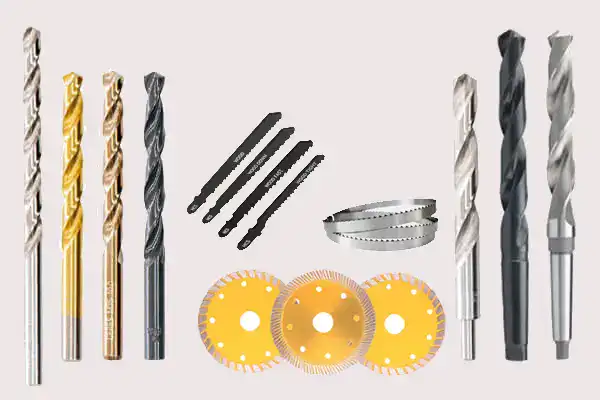
I have helped tool brands and buyers overcome their supply challenges by focusing on professional sourcing and open, honest partnerships. The success stories always start with preparation, deep evaluation, transparent negotiation5, and consistent post-contract management. Here’s how you can find your ideal supplier and get your drill bits, saw blades, or custom cutting tools made right—every time.
Understanding Your Product Idea?
Your sourcing journey starts by defining exactly what you want to make. The more detailed your vision, the easier it is to secure a factory that truly understands your needs.
Write out every product specification6, from materials and dimensions to performance features and certification targets. Define your target customer and estimate volume needs with realistic timelines. This clarity sets a professional standard that attracts top suppliers.

Carefully document tool specs: for a carbide saw blade, list blade diameter, tooth count, tip geometry, alloy grade, surface coating, and expected cutting speed or lifecycle. Detail the quality standard: tolerance level, hardness, anti-vibration features, and compliance targets (ISO, CE, EN, RoHS). Decide who will buy: are you targeting building contractors, distributors, hardware chains, or industrial buyers? Assess if your first run is a small pilot batch or full mass production, and set expected delivery dates for samples and finished goods. Your supplier needs this blueprint to quote correctly and plan capacity.
Dive Deeper: Specification and Sourcing Prep
| Planning Detail | What to Include | Impact |
|---|---|---|
| Materials/Features | Alloy, geometry, coatings | Accurate quality, true pricing |
| User/Market Profile | End user, channel | Design relevance, product fit |
| Volume Requirement | Batch size, ramp-up plans | Sourcing factory with right capacity |
| Tech Documents | CAD, schematics, certifications | Prevents misunderstanding |
Types of Suppliers?
Suppliers are not all the same. Choosing the right type—OEM7, ODM8, contract manufacturer9, agent, or freelancer—depends on your product’s complexity and your specific needs.
Understand the roles and value of each supplier type before you start working together. Select an expert with proven results for your kind of tool and production scale.

- OEMs (Original Equipment Manufacturers): You provide a full design; they produce to your exact specs, ideal for private-label tool brands wanting strict IP control and high repeatability.
- ODMs (Original Design Manufacturers): You start with an idea or a rough concept; they help develop the product, engineer it, and produce it. ODMs are fast for new brands who want technical support, but you trade some IP control.
- Contract Manufacturers: They handle parts, assembly, and packaging. Useful if you have a unique process or want to outsource just one step.
- Sourcing Agents: Middlemen who find, negotiate, and oversee foreign factories. Helpful if you’re new to sourcing or want extra oversight in China’s tool hub.
- Freelance Designers/Engineers: Perfect for prototype and early-stage innovation, but not scalable for mass production.
Tenyu Tool is both a seasoned OEM and ODM, specializing in drills, blades, and bespoke cutting tools for global brands. Our clients value strict IP protection, flexible volume scaling, and deep production support.
Dive Deeper: Supplier Type Selection
| Supplier Type | Best Use Case | Typical Drawbacks |
|---|---|---|
| OEM | Full control, high-repeat specs | Needs mature design, higher MOQ |
| ODM | Fast development, tech expertise | Some IP risk, less custom ownership |
| CM | Modular, easy scaling | Limited engineering or R&D |
| Sourcing Agent | Overseas, hands-off sourcing | Extra cost, variable quality control |
| Freelancer | Early design, concept testing | Not scalable, less QC |
Evaluating Potential Suppliers?
Choosing the wrong supplier can ruin a launch. You must look beyond price and check every detail—experience, QC, communication, capacity, and compliance.
Evaluate suppliers by their track record, industry certifications, quality testing systems, openness in communication, price honesty, and volume flexibility. Only work with those who prove reliability on every front.

Check for experience with similar tool products—drill bits for masonry, blades for wood, or multi-material cutting tools. Ask for client references and real QC data (ISO 9001, CE, EN, RoHS). Visit the factory or request live video tours to see lines and quality processes. Get detailed breakdowns on price, including tooling and freight, and insist on clear payment terms. Also, check capacity: a major supplier like Tenyu Tool offers both pilot batches and full-scale runs with flexible scheduling. Clear English communication is critical for managing changes, resolving problems, and ensuring your specs are met. Never trust unusually low pricing; quality and compliance always cost money.
Dive Deeper: Supplier Audit Checklist
| Audit Area | How to Check | Success Indicators |
|---|---|---|
| Industry Experience | Portfolio, references, samples | Proven results in your category |
| Certifications/QC | Docs, lab visits, test reports | ISO/CE/EN, full-process QC |
| Comunicación | Response time, role clarity | Fast, clear updates in English |
| Pricing/Terms | Quotes, contract, fee structure | Fair terms, honest breakdowns |
| Capacity/Lead Time | Run history, plant scale | On-time delivery, quick ramp-up |
The Sourcing Process?
Once you choose who to approach, follow a step-by-step workflow for maximum efficiency and minimum risk.
A structured sourcing process starts with research, RFQ/sample requests, deep due diligence, then negotiation and contracting. Verify every detail before placing your first order.

Conduct in-depth research using directories, trade shows, B2B platforms, and trusted referrals. Instead of high-volume pitches, shortlist 3–5 premium candidates and send them a detailed RFQ with product specs, QC standards, packaging, and shipping timelines. Test their samples personally—Tenyu Tool sends full tech reports and certified real samples. Before signing, audit the supplier for legal, financial, and batch QC reliability. Negotiate not just for price, but for lead times, warranty, IP protection, and after-sales support. Use strong, written contracts approved by legal advisors to clarify everything and protect your business.
Dive Deeper: Smart Sourcing Process Flow
| Sourcing Step | Target Action | Supplier Value Delivered |
|---|---|---|
| Initial Research | Use directories, networks | High-relevance supplier shortlist |
| RFQ/Samples | Send specs, request batch/sample | Quality and process validation |
| Due Diligence | Audit legal, financial, QC | Risk mitigation, brand protection |
| Negotiation/Contract | Set terms, get legal review | Reliable agreement, scalable growth |
Building and Maintaining Supplier Relationships?
Securing a supplier isn’t the end. Building trust and two-way communication is key for price, quality, and continuous improvement. Good relationships prevent disputes and open doors for fast innovation.
Communicate clearly, give feedback, resolve problems together, and make your supplier a strategic partner—not just a vendor. This leads to long-term success and market advantage.

Share your product goals and challenges; ask your supplier for technical advice10 y market insights11. When issues happen—delivery delay, quality dip—work jointly to solve them. Tenyu Tool values open data sharing and rapid improvement cycles, offering client access to ongoing test reports and upgrade suggestions. View your supplier as a long-term partner who invests in your success, not just a one-time vendor. This builds mutual respect and faster response when your demand changes, or when new products are ready for launch.
Dive Deeper: Supplier Partnership Best Practices
| Relationship Focus | Actions to Take | Partnership Benefit |
|---|---|---|
| Clear Communication | Frequent reporting, open calls | Prevents errors, speeds launches |
| Feedback Loops | Joint QC reviews, improvement | Higher quality, lower claims |
| Problem Solving | Collaborative issue resolution | Strong resilience, market agility |
| Strategic Vision | Share plans, co-develop products | Innovation, faster market moves |
You Can Send Us Your Request



Conclusión
Finding the right supplier for your cutting tool, drill bit, or saw blade idea is about more than price—it’s about matching vision, process discipline, and long-term partnership. By specifying exactly what you need, understanding supplier types3, running professional evaluation audits, and developing strong ongoing relationships, you build a supply chain12 that supports innovation and market success. With Tenyu Tool’s certified manufacturing13 and process expertise, your product idea moves from concept to market with confidence and lasting impact.
-
Explore insights on refining your cutting tool concept to ensure market success. ↩
-
Learn how to select a reliable manufacturer to avoid costly mistakes. ↩
-
Understand various supplier types to choose the best fit for your needs. ↩ ↩
-
Get a detailed overview of the sourcing process to minimize risks. ↩
-
Learn negotiation tactics to secure favorable terms with your suppliers. ↩
-
Discover essential elements of product specifications to attract top suppliers. ↩
-
Gain insights into OEMs and their role in manufacturing for private-label brands. ↩
-
Learn how ODMs can accelerate product development for new businesses. ↩
-
Find out how contract manufacturers can streamline your production process. ↩
-
Learn how to leverage supplier expertise for better product outcomes. ↩
-
Discover how suppliers can offer valuable market knowledge to enhance your products. ↩
-
Understand the elements that contribute to a successful supply chain. ↩
-
Learn about the significance of certified manufacturing in ensuring product quality. ↩