Struggling with broca exports to Mexico? Customs paperwork and compliance rules can slow you down fast.
A reliable drill bit supplier can simplify Mexico customs clearance by providing accurate documents, correct labeling, and value declarations, reducing risks of delay or penalty.

If you’re a buyer dealing with inconsistent customs clearance, you’re not alone. The good news? A supplier who knows the Mexican system can make a big difference. Let’s go through the key customs areas together.
What Documents are Required for Exporting Drill Bits to Mexico?
Export mistakes often start with missing or incorrect paperwork1. That means delays, fines, or even seized goods2.
To export drill bits to Mexico, you must prepare a commercial invoice, packing list, certificate of origin, and correct HS codes. Incomplete or incorrect documents can stop clearance.
The Basics You Must Prepare
When sending brocas to Mexico, accurate paperwork is your first defense against delays. Let’s break this down:
| Document | Purpose | Notes |
|---|---|---|
| Factura comercial | Shows value, buyer info, product detail | Must match goods exactly; avoid vague terms |
| Lista de empaque | Details contents and dimensions | Helps customs with verification |
| Certificado de origen | Required for trade benefits under USMCA or others | Must match actual production location |
| HS Code (NCM in MX) | For correct classification and tax application | Incorrect code = wrong tax or rejection |
Some importers also ask for the pedimento, the official customs entry form submitted by the Mexican broker. I always send my clients pre-verified HS codes and document templates in advance.
Why is Accurate Value Declaration Critical for Mexico Customs?
Many companies get penalized for under-declaring value3. They think it saves cost. But Mexico customs4 is strict.
If the declared value is too low, Mexico customs can reject the invoice, re-evaluate the goods, and charge high penalties. It also damages trust and causes long delays.

What Happens When Value is Wrong?
Here’s what I’ve seen happen when value declarations don’t reflect reality:
- Re-valuation: Customs uses market references or past shipments to adjust the price.
- Delayed Release: Goods are held for weeks during investigation.
- Fines: These can reach 100% of the misdeclared value.
- Blocked Importers: Repeat violations can get your importer flagged.
| Guión | Result |
|---|---|
| Value is 30% below market rate | Customs rejects and reassesses |
| Invoice lacks detail | Risk of "fraud" classification |
| Real value declared | Fast release, no issues |
I always advise buyers: don’t chase lower declared values. Instead, work with a supplier like us who balances real pricing with customs logic.
What Bill of Lading Information Is Required for Smooth Customs Clearance in Mexico?
One small mistake on the bill of lading5 can hold up your shipment6. Many clients overlook this.
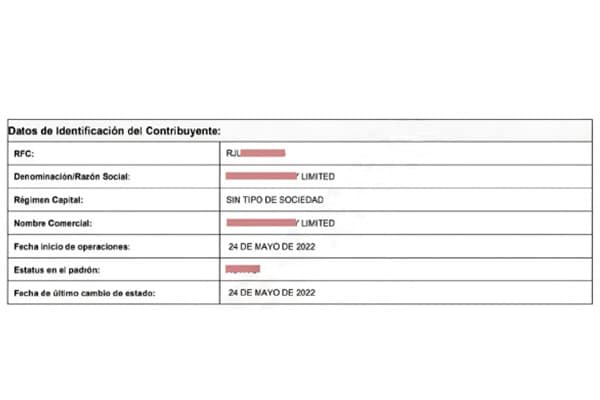
Mexico customs requires a bill of lading showing complete consignee name, tax ID (RFC), and correct cargo description. Vague or missing data can cause clearance failure.
Key Fields That Must Be Correct
If you’re shipping brocas to a Mexican distributor, make sure your B/L contains:
| Field | Requirement |
|---|---|
| Consignee Name | Full legal name (matches tax registration) |
| RFC (Tax ID) | Must be valid and included |
| Cargo Description | Exact product name, model, and materials |
| Weight & Dimensions | Must match packing list and invoice |
| Notify Party | Optional but useful for large warehouse deliveries |
Also, avoid using unclear descriptions like hardware tools. Use brocas, twist bits, or even HS code references. I always help clients double-check their draft B/L before cargo leaves the port.
How Does an Experienced Supplier Help Avoid Delays and Fines?
Even if the importer prepares the customs process, an experienced exporter can reduce risk from the start.
A good supplier offers pre-verified HS codes, accurate documents, branded packaging support, and customs-friendly invoices to reduce rejections or audits.
Real Help From the Start
Here’s what I offer my Mexico clients to help avoid customs problems:
- HS Code Check: I suggest tested HS codes used by other buyers in Mexico.
- Custom Invoice Templates: With correct structure, value, and product naming.
- Bilingual Support: I help clarify details in both English and Spanish if needed.
- Neutral Branding or OEM Labels: To match Mexican label laws or distributor needs.
- QC Certifications: CE, ISO, and material reports to reassure customs.
| Supplier Support Area | Value to You |
|---|---|
| Correct Documentation | No holds due to missing data |
| Packaging Advice | Fewer label-related issues |
| Clear Communication | Faster response to customs questions |
| Consistent Quality | Avoids re-checks or forced inspections |
You Can Send Us Your Request



Conclusión
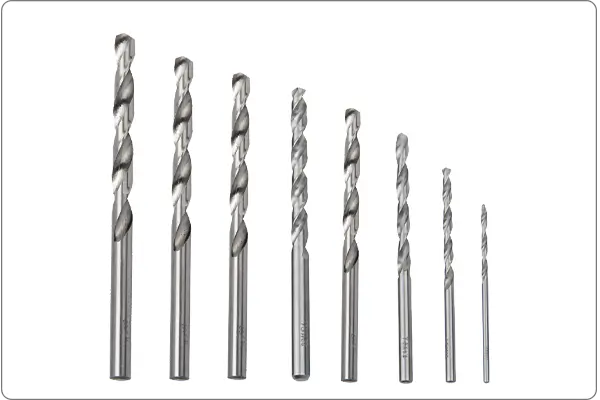
Importing brocas to the Mexico doesn’t have to be confusing—choose the method that fits your volume, urgency, and customs handling needs. Working with a supplier who understands Mexico’s customs helps you avoid delays, penalties, and stress—while making every shipment smooth.
-
Understanding the implications of missing or incorrect paperwork can help you avoid costly mistakes in your export process. ↩
-
Exploring the risks associated with delays and fines can provide insights into how to safeguard your exports effectively. ↩
-
Exploring the risks of under-declaring value can help companies make informed decisions and avoid legal issues. ↩
-
Understanding Mexico customs regulations can help businesses avoid costly penalties and ensure compliance. ↩
-
Understanding the bill of lading is crucial for smooth shipping operations and avoiding delays. ↩
-
Learn effective strategies to prevent shipment delays and ensure timely delivery. ↩