Are you struggling to find the right tool for your cutting needs?
A cut-off wheel is a thin, abrasive disc used on power tools to cut metal, tile, or concrete. It’s essential for clean and precise cuts.

If you are trying to figure out the best way to make clean cuts, keep reading. I will guide you through everything you need to know about cut-off wheels.
How to Choose the Right Cut-Off Wheel?
Do you feel lost when faced with so many cut-off wheel choices?
Choosing the right cut-off wheel depends on the material you plan to cut. Consider the wheel’s size, thickness, and the abrasive material it’s made from for the best results.

Key Factors in Selecting a Cut-Off Wheel
It is important to consider these factors:
| Factor | Consideration |
|---|---|
| Material | Match the wheel to the material (metal, tile, concrete). |
| Tamaño | Ensure the wheel fits your tool. |
| Espesor | Thinner wheels cut faster; thicker wheels last longer. |
| Abrasive Type | Aluminum oxide for steel, silicon carbide for stone and concrete. |
| Tamaño del eje | Match the wheel’s arbor size to your tool. |
I usually suggest aluminum oxide wheels for cutting steel because they are durable and cost-effective. For harder materials like stone or concrete, silicon carbide wheels are a better choice. They can withstand the heat and abrasion1 better. The wheel’s size must match your tool. A wheel that is too big or too small can be dangerous. Finally, thinner wheels cut faster2 but wear out more quickly. Thicker wheels last longer but may cut more slowly. It’s a trade-off you need to consider based on the job.
Can a Cutoff Wheel Cut Wood?
Wondering if your cut-off wheel can handle that piece of wood?
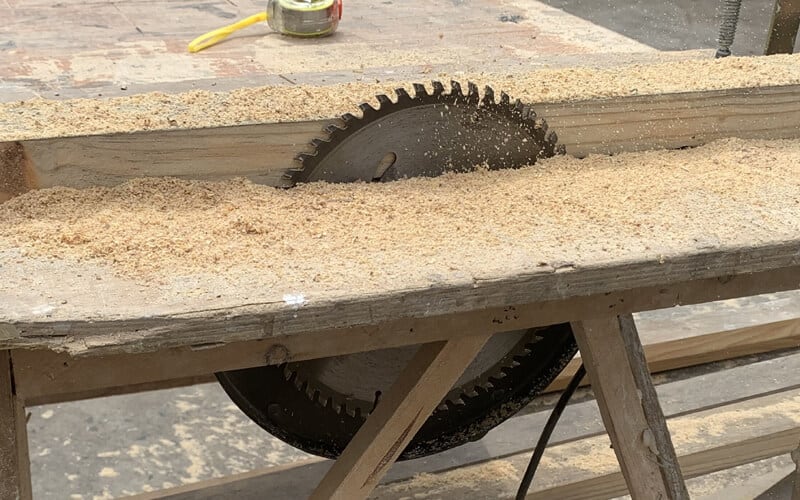
No, you should not use a standard cut-off wheel to cut wood. There are specific saw blades designed for wood cutting. Using a cut-off wheel on wood can be dangerous.

Dangers of Using a Cut-Off Wheel on Wood
I learned this the hard way when I first started in the hardware tool business. I tried using a metal cut-off wheel on a piece of wood. The wheel caught and sent the wood flying across the room! It was a good reminder that using the right tool for the job is essential for safety.
Here’s why it is important to use the right tool:
- Material Compatibility: Cut-off wheels are designed for specific materials like fiberglass, steel, iron, plastic, stainless steel, and other ferrous metals. Wood requires a different cutting action.
- Tooth Design: Wood-cutting blades have teeth that slice through the wood fibers. Cut-off wheels grind away material.
- Safety: Using the wrong wheel can cause kickback, where the tool suddenly moves backward. This can be very dangerous.
So, stick to using saw blades designed for wood3. You will get cleaner cuts and avoid accidents. Always wear safety glasses and gloves4. These protect you from flying debris.
Can you Cut Aluminum with a Cutoff Wheel?
Are you unsure if a cut-off wheel can handle aluminum?
Yes, you can cut aluminum with a cut-off wheel, but it requires a specific type of wheel designed for non-ferrous metals. Using the wrong wheel can cause the aluminum to melt or bind.

Best Practices for Cutting Aluminum
When our customers ask about cutting aluminum5, I tell them to look for wheels labeled specifically for non-ferrous metals6. These wheels have a different abrasive and bonding agent7 that prevents the aluminum from sticking to the wheel.
Here’s a more detailed look:
| Factor | Consideration |
|---|---|
| Wheel Type | Use wheels designed for non-ferrous metals. |
| Lubrication | Applying a cutting lubricant can reduce friction and heat. |
| Velocidad cortante | Use a slower cutting speed to prevent melting. |
| Safety Gear | Always wear safety glasses and gloves. |
| Alternative Options | Consider using a saw with a blade designed for aluminum for cleaner cuts. |
I always recommend using a cutting lubricant8 when working with aluminum. It helps keep the material cool and prevents the wheel from binding. A slower cutting speed9 also helps. If you need to make a lot of cuts in aluminum, a saw with a blade designed for aluminum10 might be a better choice.
Can you Use a Cut Off Wheel on a Circular Saw?
Thinking about putting a cut-off wheel on your circular saw?
No, you should not use a cut-off wheel on a circular saw. Cut-off wheels are designed for angle grinders or specialized cut-off saws, which operate at different speeds and have different safety features.

Why Cut-Off Wheels and Circular Saws Don’t Mix
I once saw someone try to use a cut-off wheel on a circular saw. The wheel shattered within seconds! It was a dangerous situation that could have been avoided by using the right tool11. This is why I am so passionate about making sure my customers, like Alex, know the proper ways to use our tools12.
Here’s why you should not use a cut-off wheel on a circular saw:
- Speed Mismatch: Circular saws operate at different speeds than angle grinders.
- Safety Guards: Circular saws have guards designed for saw blades, not cut-off wheels.
- Arbor Size: The arbor size (the hole in the middle of the wheel) may not match.
- Tool Design: Circular saws are designed for cutting wood, while cut-off wheels are for cutting metal, tile, or concrete.
Using a cut-off wheel on a circular saw is dangerous and can damage the tool. Stick to using cut-off wheels on angle grinders or cut-off saws. Make sure the tool has the right safety features and operates at the correct speed.
Conclusión
Cut-off wheels are great for specific cutting tasks. Just make sure you pick the right one!
Buscando alta calidad cutting disc ¿Ofrecen rendimiento y durabilidad? En TENYU TOOL, nos especializamos en la fabricación de herramientas de primera calidad que cuentan con la confianza de profesionales de todo el mundo.
-
Understanding materials that resist heat and abrasion can enhance your tool selection and safety. ↩
-
Exploring the mechanics behind thinner wheels can help you choose the right tool for your cutting needs. ↩
-
Discover the top-rated saw blades for wood to ensure cleaner cuts and enhanced safety in your projects. ↩
-
Learn about the critical role of safety glasses and gloves in protecting you from injuries while working with saws. ↩
-
Explore this resource to learn effective techniques and tools for cutting aluminum safely and efficiently. ↩
-
Understanding non-ferrous metals can enhance your knowledge of materials and their uses in various industries. ↩
-
This link will provide insights into how these agents affect cutting performance and tool longevity. ↩
-
Explore this link to understand how cutting lubricants enhance performance and prolong tool life when machining aluminum. ↩
-
Learn about the impact of cutting speed on efficiency and quality in aluminum machining to optimize your processes. ↩
-
Discover the best blades for aluminum cutting to ensure precision and reduce wear on your tools. ↩
-
Understanding the importance of using the right tool can enhance safety and efficiency in any task. Explore this link to learn more. ↩
-
Learning the proper ways to use tools is essential for safety and effectiveness. This resource can provide valuable insights. ↩