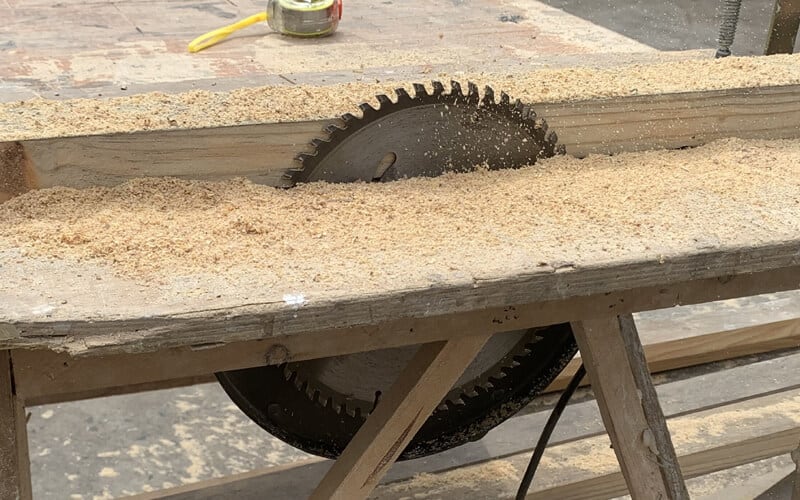
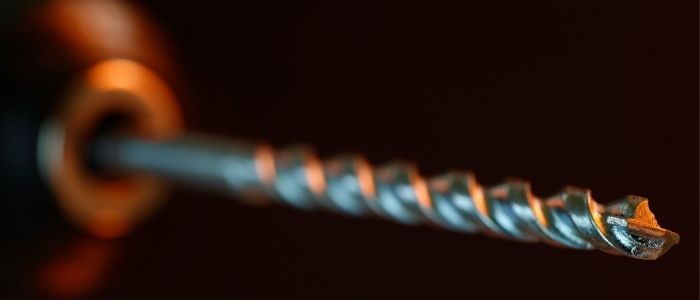
Manufacturing tools today is riskier than ever if you rely only on China. US tariffs, supply chain shocks, and changing rules hit profits and disrupt shipments. For tool brands, moving production is no longer just about saving money—it’s about survival and resilience.
Mexico is the strongest option for avoiding US tariffs. Vietnam, Malaysia, and Thailand can help diversify your supply chain, but navigating their tariffs and compliance takes planning. Choose based on your product, market, and long-term goals.
I’ve worked with clients who watched profit margins vanish overnight due to Section 301 duties1. Tariffs reach up to 25% for steel tools from China—making once-cheap manufacturing expensive. The new landscape means switching factories or building “China+12” networks is now a top priority for tool makers everywhere.
The Tariff Problem: Why Staying in China Is Risky for Tool Brands
US tariffs3 on Chinese steel and carbide tool products keep going up. Even temporary tariff “exemptions” can vanish without notice.
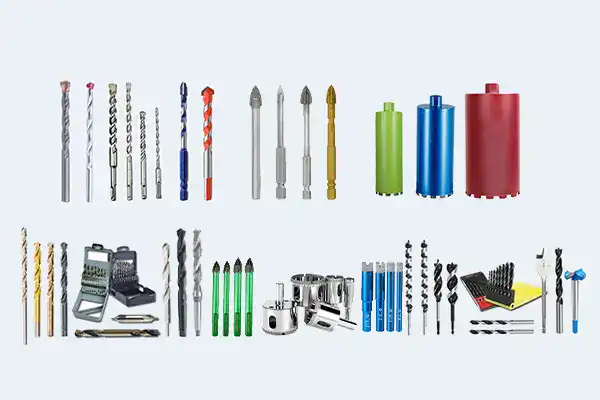
Drill bits, saw blades, and cutting tools made in China face 25% tariffs or more under Section 301 rules, shrinking profit and hurting business stability.
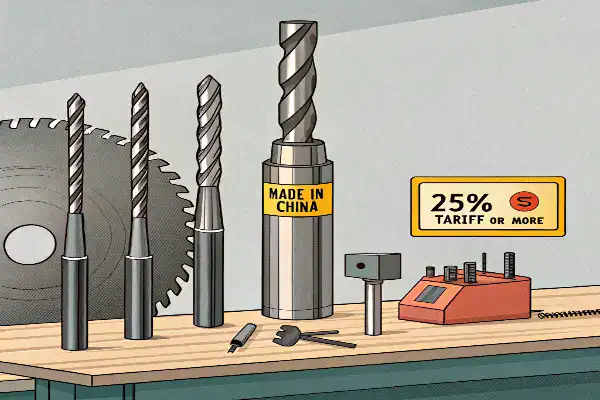
Steel and carbide cutting tools4 shipped from China have been hit hardest. Some exporters have caught a break with short-term exclusions, but these windows can close fast. Companies relying only on China aren’t just exposed on price—they’re one trade rule away from lost business or stranded inventory.
Dive Deeper: Product Tariff Table
| Tool Category | Tariff from China | Notes |
|---|---|---|
| Brocas | 25% | Immediate impact, exemptions rare |
| Cuchillas de sierra | 25% | Same, especially for carbide/blade alloys |
| Cutting Knives | 25% | Includes hand tools, accessories |
| Temporary Exemptions | Varies | Can expire/renew at any time—unpredictable |
The Top "China+1" Contenders: Where Can You Move Manufacturing?
Many tool companies now build supply chain5s in Vietnam6, Malaysia7, Thailand8, or Mexico9 to dodge US tariffs. Each has pros and cons for the cutting tool industry.
Vietnam offers low labor but faces rules-of-origin risks. Malaysia is strong for high-tech tools, Thailand is steady but faces political uncertainty, and Mexico wins for US market speed and tariff-free entry under USMCA.

At Tenyu Tool, we help brands make drill bits in China and abroad. Labor-intensive assembly can move easily to Vietnam6, especially for simple sets. Malaysia7 adds sophistication for coated and precision ground drill bits. Thailand8 is balanced, but legal and logistics issues can slow the process. For the US, Mexico9 is the leader—with duty-free access10 and fast shipping.
Dive Deeper: Region Comparison Table
| Country | Pros | Cons/Risks |
|---|---|---|
| Vietnam | Lowest labor cost, easy for basic tools | Rules-of-origin complexity, risk of 40% tariff if caught transshipping |
| Malaysia | Skilled labor and top IP laws, advanced processes | Higher labor cost, relies on component imports, ESG risks |
| Thailand | Large tool workforce, strong incentives | Political instability, unclear tariff rules, higher logistics cost |
| Mexico | 0% US tariff (USMCA), fastest shipping, skilled labor | Strict rules-of-origin11, high upfront investment, must use NA components |
Vietnam: Good for Simple Tools—But Watch Out for Transshipment Risks
Vietnam’s low wages make it tempting for brands making screwdriver sets or basic Brocas HSS.
Moving final tool assembly to Vietnam works, but most components still come from China. Proving “substantial transformation” is key to avoiding 40% US tariffs for transshipped goods. Documentation and supply chain audits12 are a must.

Tenyu Tool partners in Vietnam handle assembly and general machining well, but complex coatings or carbide work still depend on Chinese supply. Getting “rules of origin” compliance requires proof your product was fundamentally modified in Vietnam.
Dive Deeper: Vietnam Table
| Product Type | Direct Labor Cost | Tariff Risk (US) | RoO Proof Needed |
|---|---|---|---|
| Brocas HSS | Very Low | 40% (if caught transshipping) | Yes |
| Carbide Tools | Low-Mid | 20%-40% | Yes (complex supply chain) |
| Final Assembly | Lowest | 20% | Must show transformation |
Malaysia: Ideal for Advanced Tooling With Strong IP Protection
Malaysia has a high-tech manufacturing base, perfect for precision drill bits y coated saw blades.
Malaysia’s skilled workforce and strong English skills ensure quality and IP security. Wages are higher than Vietnam, but reliability and advanced processes justify the price for demanding tool buyers.

Malaysian factories suit brands requiring tight tolerances or custom PVD coatings. IP protection13 is robust, lowering risk of patent infringement. Component supply chains are developed, but not as vast as China’s—audit carefully to ensure you avoid forced labor or unapproved imports.
Dive Deeper: Malaysia Table
| Product Type | Labor Cost | Skill Level | IP Protection |
|---|---|---|---|
| Brocas de carburo | High | Very High | Strong |
| Hojas de diamante | High | High | Strong |
| Basic HSS Tools | Mid-High | High | Strong |
Thailand: Big Workforce, Decent Value, Uncertain Future
Thailand draws brands for its experienced labor pool and well-developed electronics and tool industry.
Thailand offers solid incentives and a strong supply base, but political instability and uncertain US trade rules create risk. Logistics and approvals also take longer.

Tenyu Tool’s Thai partners excel at mass production and specialized blade manufacturing. However, sudden changes in local law or international agreements can affect costs and compliance.
Dive Deeper: Thailand Table
| Product Type | Labor Cost | Tariff Situation | Risk Level |
|---|---|---|---|
| Cuchillas de sierra | Moderate | 19% (uncertain RoO) | Political, Customs |
| Carbide Tools | Moderate | 19% | Political, Approvals |
| Basic Hand Tools | Low-Mid | 19% | Moderate |
Mexico: The Best Bet for Duty-Free Entry and Fast Delivery to the US
Manufacturing in Mexico solves three major problems: tariffs, delivery speed, and compliance.
Under the USMCA, drill bits, blades, and tools made from North American sources enter the US tariff-free. Lead times drop to days. Building a Mexico-based tool supply chain takes upfront planning and investment but pays off for US-focused brands.
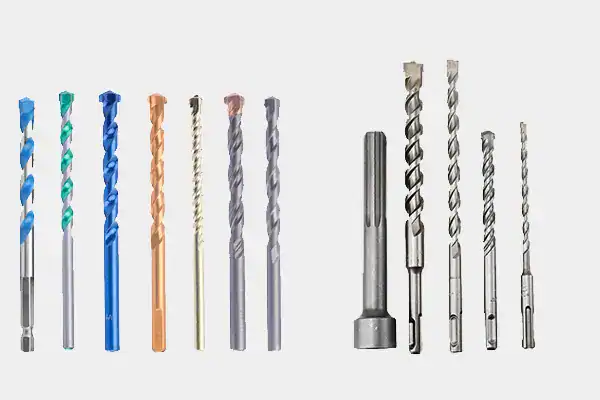
Tenyu Tool helps brands assemble USMCA-compliant tool sets in Mexico. This involves using local or US steel, North American packaging, and rigorous RoO documentation. It’s the highest upfront cost, but brings the strongest, most resilient supply chain and peace of mind for US distribution.
Dive Deeper: Mexico Table
| Product Type | Labor Cost | Tariff to US | RoO Compliance Need |
|---|---|---|---|
| Brocas | Moderate | 0% (USMCA) | Strict |
| Cuchillas de carburo | Moderate | 0% | Strict |
| Bulk Tool Sets | Moderate | 0% | Very High |
You Can Send Us Your Request



Conclusion: Make Your Move Before Temporary Tariffs Return
Sourcing all from China is no longer safe. Persistent US tariffs mean smart tool brands must diversify right now.
Vietnam is best for immediate cost relief but watch origin rules. Malaysia brings high tech and low risk for advanced tools. Thailand balances value with higher uncertainty. Mexico wins for complete freedom from US tariffs, fastest shipping, and a stable investment climate. Moving tool production now with trusted partners, like Tenyu Tool, ensures you stay competitive—no matter how trade winds shift.
-
Section 301 duties can significantly impact import costs, making it vital for businesses to stay informed. ↩
-
The ‘China+1’ strategy helps companies diversify their supply chains to mitigate risks associated with relying solely on China. ↩
-
Understanding US tariffs is crucial for manufacturers to navigate costs and compliance effectively. ↩
-
Staying updated on trends in cutting tool manufacturing can help businesses remain competitive and innovative. ↩
-
Optimizing your supply chain can significantly reduce costs and improve efficiency, especially in a tariff-heavy environment. ↩
-
Vietnam provides low labor costs and potential for cost savings, but understanding risks is essential. ↩ ↩
-
Malaysia’s skilled workforce and strong IP protection make it ideal for advanced tooling needs. ↩ ↩
-
Thailand has a strong labor pool, but political instability can impact manufacturing reliability. ↩ ↩
-
Mexico offers duty-free access to the US market, making it an attractive option for tool manufacturers. ↩ ↩
-
Duty-free access under USMCA can enhance profitability for manufacturers exporting to the US. ↩
-
Rules-of-origin are critical for determining tariff eligibility and compliance in international trade. ↩
-
Supply chain audits ensure compliance and help identify potential risks in the manufacturing process. ↩
-
Strong IP protection in Malaysia safeguards innovations, making it a secure choice for manufacturers. ↩