Turning your new tool product idea into a real item customers can buy is always a thrilling challenge. If you skip key steps, you risk failed launches, wasted investment, and missed opportunity in a competitive market. By mastering the five essential stages of manufacturing—from initial planning to sales—you put your project on the fastest path to success and market leadership.
To manufacture a product you must: plan a clear strategy, validate your idea with research, build and test a prototype1, partner with an expert manufacturer, and launch with a solid online sales plan2. This roadmap ensures your product meets exact market needs and quality expectations.
I have seen many new tool brands and entrepreneurs transform ideas into best-selling products. The winners always start with sharp planning and trust only proven manufacturing partner3s. With experience supporting private labels and major B2B buyers, I know how to guide creators through every critical step—avoiding common mistakes and optimizing every decision for performance, compliance, and sales results.
Step 1: Plan the Scope for Manufacturing Your Product?
Jumping straight into production is never wise. Define your project with exact specs and market needs4 before a single part gets made. Poor planning leads to delays, cost overruns, and products that don’t sell.
Successful manufacturing starts by defining what your product does, whom it serves, what features make it valuable, and how you will launch. Map every stage, set milestones, align your budget, and plan for risk.

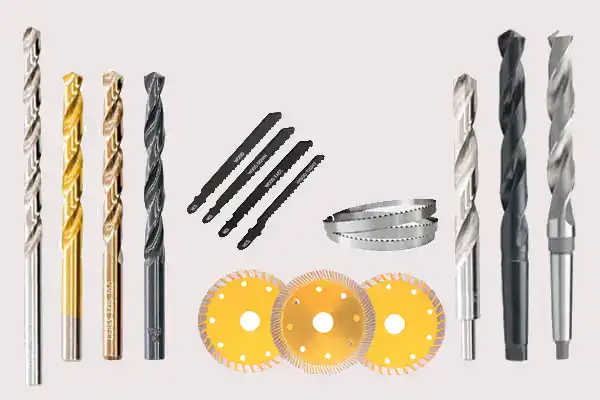
For example, with a new foret or Lame de scie, start by specifying technical features—material grade (HSS, carbide), end use (wood, metal, masonry), and standout selling points (premium coatings, special tooth profile, anti-vibration slotting). Next, decide your audience: trade professionals, DIYers, wholesalers, or retail chains. Research required certifications5 like ISO, EN, CE for your target markets. Make a clear staging plan: idea validation, CAD design, engineering review, prototyping, tooling, and mass production. Build a realistic budget covering each phase, and identify funding sources before committing. Always prepare contingency steps for potential setbacks such as supplier delays or testing failures.
| Planning Stage | Critical Actions | SEO Keywords to Target |
|---|---|---|
| Product Definition | Specify product, users, features | Product concept, unique features, end use |
| Market Validation | Confirm demand and value | Market research, pain points, competitive advantage6 |
| Timeline/Milestones | Map launch steps and dates | Manufacturing schedule, go-to-market plans |
| Budget Planning | Estimate and allocate resources | Cost projection, production budget7 |
| Risk Mitigation | Prepare for issues and delays | Risk management, supply chain stability8 |
Step 2: Research Your Product Before You Manufacture It?
Market research shields you from costly errors and positions your product for maximum impact. Most failed projects ignore user feedback9, real competition, or technical constraints.
Effective research means understanding your ideal customer, studying competitors, confirming technical feasibility, and meeting all global compliance requirements. Use this data to perfect your product and outpace rivals.

Begin by mapping your target customer segments—DIYers, contractors, distributors, large retailers. What are their core frustrations or needs? For example, do they want longer blade life, cleaner cuts, or easier handling? Study similar products: analyze prices, features, materials, warranty, and certifications. Benchmark top brands to find gaps or weaknesses to seize. Make sure your design passes required standards (ISO, EN, ANSI) and that you understand CE, RoHS, and other export requirements for global sales. Assess all manufacturing options for material availability, process reliability, and cost. Protect your idea—check for patents, trademarks, and consider registering your own. SEO-focused research means defining product niches and ranking for top industry keywords such as “professional drill bits,” “long-life lames de scie,” or “low-vibration cutting tools.”
| Research Area | Methods/Insights | SEO Keywords to Target |
|---|---|---|
| User Needs | Surveys, field tests, feedback | User pain points, best features, benefits |
| Competitive Review | Product benchmarking, pricing | Top brands, competitive advantage, price comparison |
| Feasibility Study | Material, process check, costing | Production feasibility, cost structure |
| Compliance | Certification, standards audit | ISO, CE, EN, global certifications |
| IP Protection | Patent search, trademark registration | Patent analysis, trademark protection |
Step 3: Create a Manufacturing Prototype?
Prototyping moves your vision off paper and into reality. It’s the essential stage for confirming your design, finding flaws early, and convincing buyers or investors.
A physical prototype validates design, function, and user experience. It helps you test, refine, and demonstrate your product—saving time and money before full-scale production.
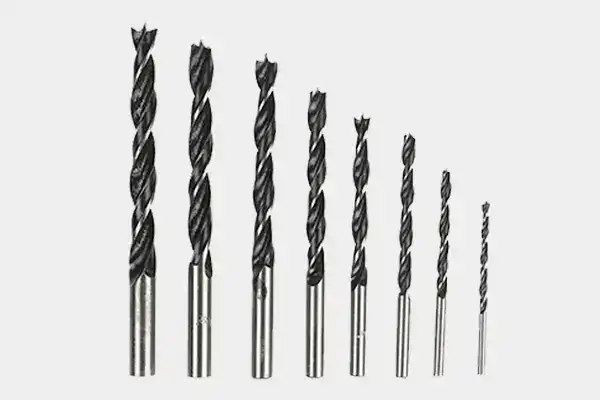
Start by finalizing your design in 3D CAD, specifying every dimension, material, and surface finish. Select the right production processes—CNC machining, laser cutting, precision forging, or coating systems—for your product type. Tenyu Tool’s advanced prototyping lines use high-end equipment so you see exactly how the finished item will look and perform. Assemble prototypes to check fit, durability, and ease of manufacturing. Run tests for sharpness, cut quality, tool life, vibration, and safety; request feedback from key users or sample buyers. Use data from these trials to make changes, whether in geometry, coating or assembly. SEO-friendly copy describes the value of “precision prototypes,” “tested tool samples,” or “high-performance cutting tools.”
| Prototyping Stage | Key Actions | SEO Keywords to Target |
|---|---|---|
| Design Finalization | CAD, material specs, production method | CAD prototype, material selection |
| Fabrication | Build using real processes | CNC prototype, test sample, fabrication |
| Assembly | Check fit and manufacturability | Assembly inspection, fit analysis |
| Testing | Perform functional and durability tests | Product testing, performance trial |
| User Feedback | Gather opinions, refine design | User feedback, prototype iteration |
Step 4: Find a Production & Manufacturing Partner?
Your choice of factory makes or breaks your product’s future. Reliable manufacturing means you get consistent quality, scalable volume, and on-time delivery. The wrong choice risks bad products, missed deadlines, and unhappy buyers.
Pick a manufacturer with certified expertise, proven quality control, strong communication, and flexible private-label or co-development options. This reduces risk and boosts success.

Define your expected production volume—pilot batch, mass run, or growing demand. Search for partners with relevant certifications: ISO 9001 for quality management, CE/EN for Europe, ANSI for the US. Assess their production lines, technical skills, and process transparency. Schedule sample reviews and factory audits to check for defect rates, repeatability, and compliance. Good partners like Tenyu Tool offer customized OEM/ODM/JDM options, fast prototyping, full-report QC, and responsive project management. For SEO, highlight terms like “certified tool manufacturer,” “OEM drill bits supplier,” or “private label saw blade factory.”
| Manufacturer Checkpoints | What to Evaluate | SEO Keywords to Target |
|---|---|---|
| Certifications | ISO, CE, EN, global standards | Certified manufacturer, CE saw blade, ISO OEM factory |
| Technical Process | CNC, coating, QC, scalability | CNC manufacturing, process reliability, volume capacity |
| QC and Reporting | Sample testing, batch records | 100% inspection, QC reports, defect rate |
| Communication | English support, fast response | English project management, responsive support |
| Souplesse | OEM/ODM/JDM, private label | OEM options, custom tool solutions |
| Delivery and Warranty | On-time, clear terms | Fast shipping, product warranty |
Step 5: Go Time—How To Sell Your Product Online?
Strong online sales transform your manufactured item into a best-selling tool product. Clear listings, sharp branding, smart promotion, and seamless service win customers and build long-term success.
Create optimized online listings with compelling images, keywords, and descriptions. Use data-driven ads and social content to drive traffic, and ensure fast, reliable fulfillment and support.
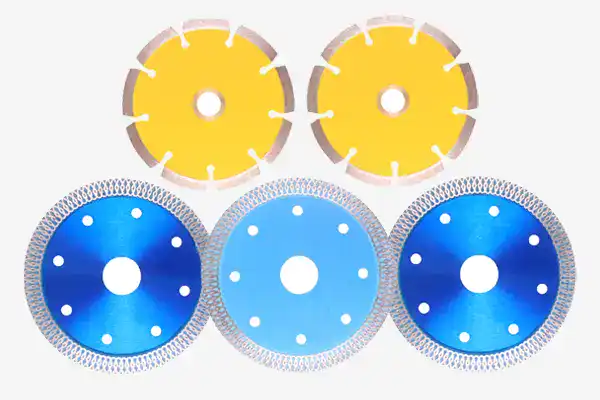
Decide whether to sell on Amazon, Alibaba, your website, or B2B platforms10. Use high-quality images and videos showing product performance—cutting precision, durability, safety features, certifications. Write SEO-rich product titles and bullet points: focus on key benefits and targeted keywords (“premium carbide saw blade,” “low-vibration drill bit,” “industrial-grade cutting tool”). Run paid search and social ads; launch content marketing11 to reach contractor forums and tool communities. Ensure strong after-sales support—quick replies, easy returns, and active review management. Monitor analytics for conversion and feedback, adjusting strategies for results. Keywords like “buy drill bits online,” “tool product SEO,” “Amazon tool bestseller,” rank well.
| Online Sales Focus | Actions to Take | SEO Keywords to Target |
|---|---|---|
| Listing Optimization | Keyword use, clear images, top features | SEO product listing, feature-rich listing |
| Content Promotion | Social, email, paid ads, influencer | Content marketing, sponsored posts |
| Fulfillment/Service | Fast shipping, easy support, reviews | Fast delivery, customer support, product reviews |
| Analytics/Iteration | Track results, adapt for conversion | Conversion optimization, A/B testing |
Vous pouvez nous envoyer votre demande



Conclusion
Manufacturing and selling your first tool product requires clear planning, deep research, smart prototyping, strong factory partnerships, and sharp online marketing. Get every step right to maximize sales, build brand reputation, and win in competitive global markets. With the right strategy and expert support, your tool product can become tomorrow’s bestseller.
-
Discover why prototyping is crucial for validating your product design and functionality before mass production. ↩
-
Find out how to develop a robust online sales plan that drives traffic and boosts conversions. ↩
-
Find insights on selecting a reliable manufacturing partner to ensure product quality and timely delivery. ↩
-
Learn how to effectively identify market needs to ensure your product meets customer expectations. ↩
-
Explore the key certifications needed to ensure your product meets industry standards and regulations. ↩
-
Discover strategies to create a competitive advantage that sets your product apart in the market. ↩
-
Get tips on creating a comprehensive production budget to manage costs effectively during product development. ↩
-
Learn strategies to maintain a stable supply chain, crucial for consistent product availability. ↩
-
Learn effective strategies for collecting user feedback to refine your product and enhance user satisfaction. ↩
-
Explore the top B2B platforms that can help you reach a wider audience for your products. ↩
-
Explore content marketing strategies that can help promote your product and engage your target audience. ↩