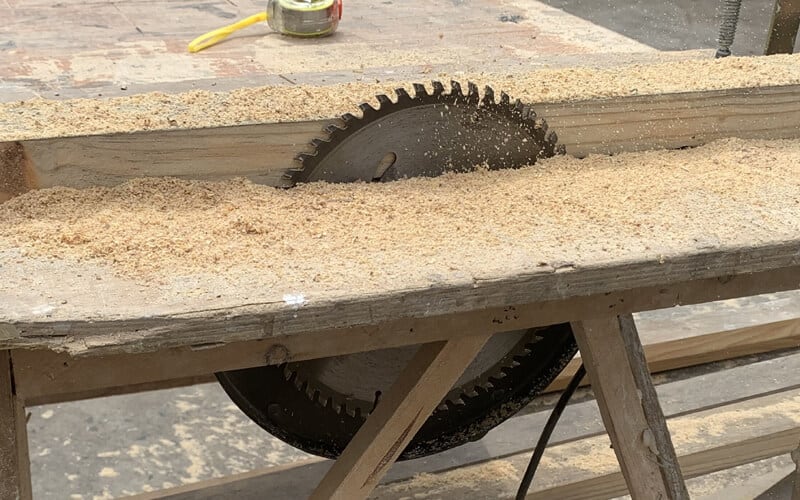
La saw blade supply chain1 is changing. US trade shifts and rising competition force buyers to reassess whether to trust China’s proven base or Vietnam’s growing scene for long-term supply security.
China still leads with over 70% of global saw blade production, the world’s most complete supply chain, and cutting-edge technology. Vietnam is expanding fast, but all technical roots and key materials trace back to China.
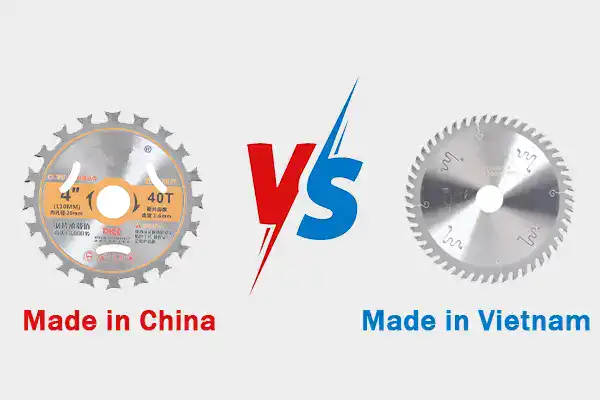
Rising demand and uncertain tariffs mean every purchasing team now asks: which country best balances cost, performance, and compliance for their brand or retail chain?
Why has China led the global saw blade market for decades?
Buyers looking for quality, scale, or special finishes always start with China. Why?
China’s saw blade factories dominate the world, clustered in Jiangsu, Guangdong, and Zhejiang. Here, end-to-end local supply chains, skilled teams, and top automation deliver the best prices and the widest selection.
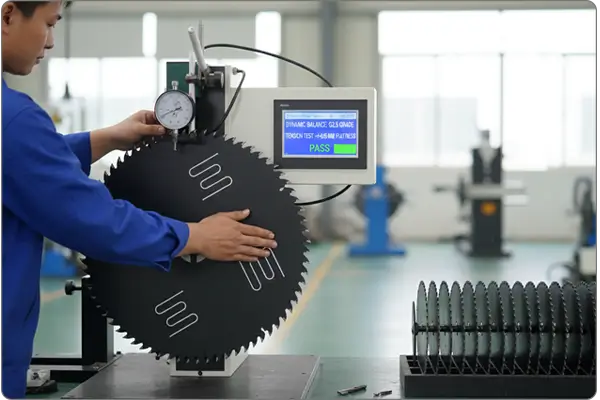
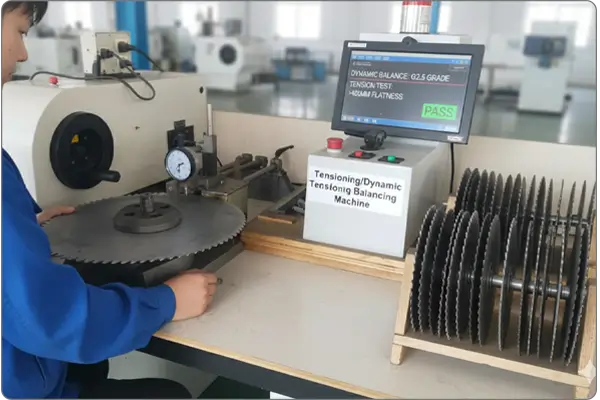
These clusters host everything a saw blade factory needs: steel suppliers, carbide tip makers2, diamond mixing experts, and CNC workshops. Any custom order—a new diameter, new coating, new bond—happens quickly in China. R&D and testing labs run close to the shop floor, which is why China can deliver everything from DIY-grade to top industrial blades. Brands come for reliability; resellers come for consistent cost and flexible delivery. Even the newest diamond or carbide formulas are developed with local technical support. No newcomer matches the scale and integration of China’s supply base.
| Chine | Vietnam (new plants) | |
|---|---|---|
| Industry Chain | Complete—materials, R&D, tool shops | Needs Chinese imports and guidance |
| Tech/Expertise | Leading, always upgraded | Managed by Chinese teams |
| Price (Total Cost) | Lowest with highest efficiency | 10–15% higher (despite cheap labor) |
| Market Share | 70%+ | Rapidly growing, but small volume |
| Customization | Fast, flexible, expert | Mostly bulk/simple items |
Why did some saw blade production shift to Vietnam after 2018?
Vietnam entered the spotlight mainly for political reasons—not lower cost or better technology.
Trade war tariffs after 2018 pushed some Chinese saw blade plants to Vietnam. This mainly served US buyers, since America now takes over 60% of all global saw blade imports.

To meet US demand and sidestep tariffs, these “Vietnamese” factories actually import nearly everything—machinery, steel/carbide/diamond materials, heat treatment furnaces, and engineering teams—from China. Local workers handle simpler tasks, but managers, R&D, and line setup come from their Chinese parent. The total cost in Vietnam, due to added logistics, is still 10–15% higher than in China. This setup is risk control, not a true new supply chain. For custom items, tricky grades, or special certifications, work still happens in China; Vietnam packs and ships bulk orders.
What happens if US tariffs on saw blades return in 2025?
Supply chains are bracing for big shifts with policy changes on the horizon.
Saw blades have enjoyed tariff exemptions, but if the US adds a 60% tariff after May 2025, more Chinese makers will move plants to Vietnam for “China+1” supply—but keep R&D and complex jobs in China.
This dual approach helps buyers hedge their risks. Mass-market SKUs—basic industrial or DIY blades—get assembled and packaged in Vietnam. High-performance, non-standard, or engineered blades remain in China where talent and tech lead the world. You may see more “Made in Vietnam” labels, but most value, custom requests, and advanced blades will quietly stay in Chinese hands. Many clients now ask suppliers for full process transparency: where the tip is welded3, which country performs the heat treatment4, who tests quality, and how traceability is managed.
Can Vietnamese saw blade manufacturers keep up with changing demand?
Vietnam is building new plants yearly, but how ready are they to deliver on quality and versatility?
Vietnam’s saw blade factories are multiplying, yet all rely on Chinese equipment, managers, and materials for complex work. It’s safest to partner with makers who bring real manufacturing roots5 from China.

For now, core materials—carbide disks, diamond mixes, precision sintering ovens—must be imported. Chinese teams run most technical processes and guarantee quality meets EU or US benchmarks. Over time, local workers will improve, but at this stage, the safest and most flexible supply comes from teams that blend Chinese expertise and Vietnamese operations. That’s why I always advise buyers to check the actual source: look for suppliers that provide inspection records, test reports, and end-to-end factory audit data spanning both China and Vietnam. This guarantees continuity and protects your reputation across all markets.


Conclusion
In saw blades, China remains the center for cost, tech, and skilled work. Vietnam expands your supply options, but best results come from partners with proven Chinese roots and global expertise.
-
Understanding the supply chain components helps buyers assess production capabilities and make informed decisions on sourcing saw blades. ↩
-
Explore top carbide tip makers in China to understand their role in the global saw blade industry and how they contribute to quality and innovation. ↩
-
Explore how China’s advanced welding techniques ensure high-quality saw blade tips, crucial for performance and durability in global markets. ↩
-
Understanding heat treatment’s role in saw blade production helps ensure quality and performance, crucial for choosing the right supplier. ↩
-
Discover the importance of manufacturing roots in ensuring quality and reliability in sourcing. ↩