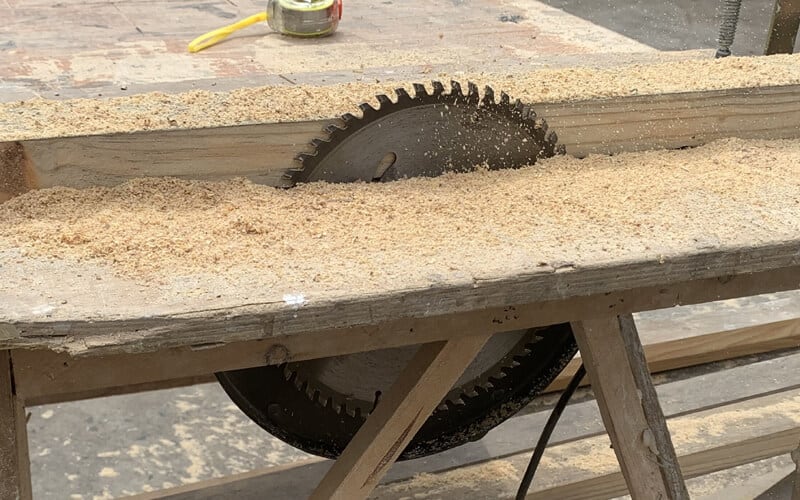
Struggling with rough cuts, burning, or splintering every time you slice through wood? Choosing the right Lame de scie makes all the difference.
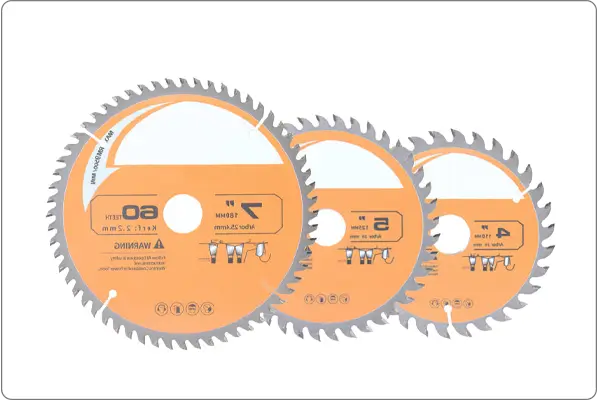
The best circular saw blade for cutting wood is a carbide-tipped blade with sharp teeth, optimized tooth count, and anti-vibration features. For most woodwork, a 24-tooth or 40-tooth blade offers fast, clean cuts in hardwood, plywood, and softwood.

You might have tried several blades, noticed wasted wood, and ended up frustrated. Picking a high-quality Lame de scie circulaire means smoother cuts, safer handling, and less time fixing mistakes. A good blade even saves money over time. So what exactly should you focus on?
Why Does Tooth Count Matter for Cutting Wood?
Ever wonder why saw blades have so many different tooth count1s? The answer shapes every cut you make.
A blade with fewer teeth (18–24) cuts fast and rough—ideal for framing. Blades with more teeth (40–80) give smoother, cleaner cuts, perfect for finish work or plywood.

Blades with fewer teeth are great if you need to rip through large boards fast and don’t mind a rough edge. These work well for building frames, decks, or prepping lumber. When you need clean, smooth edges for trimming, furniture, or finish carpentry, higher tooth blades shine. More teeth mean each tooth removes less wood with each pass, so you get less tear-out and neater results. Here’s a quick guide to matching the right blade to your job:
| Tooth Count | Recommended Use | Vitesse de coupe | Edge Quality |
|---|---|---|---|
| 18–24 | Framing, rough cuts | Fast | Rough, splintery |
| 40–60 | Finish work, trim | Slower | Smooth, clean |
| 80+ | Veneer, laminates | Slowest | Ultra-smooth |
When I want a fast, quick cut on studs, I reach for a 24-tooth blade. For plywood or fine trim, I grab a 40 or 60-tooth model and always notice the difference.
What Is the Best Blade Material for Cutting Wood?
Do you want a blade that stays sharp for months instead of just a few projects? Blade material is key.
Carbide-tipped blades last longer, resist heat, and keep a sharp edge better than regular steel. They are the top choice for cutting all types of wood effectively.
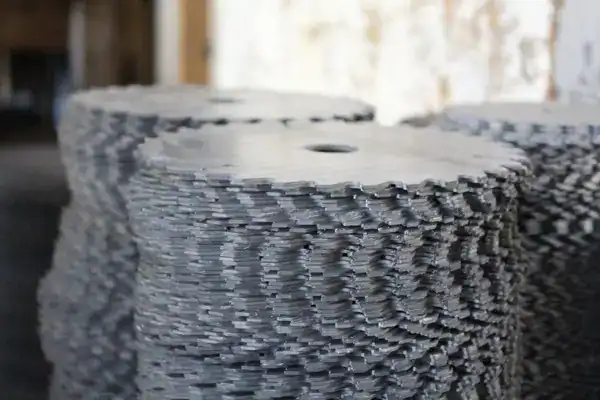
Steel blades are affordable but don’t hold up to repeated use—especially against hardwood or knots. Carbide-tipped blades can handle tough jobs, resist chipping, and power through nail hits. Most pro carpenters and contractors agree: you spend less per year with carbide as you replace blades less often. When my work depends on consistent, clean cuts2, I won’t use anything but carbide.
| Blade Material | Lifespan | Sharpness | Best For |
|---|---|---|---|
| Acier | Low | Dulls fast | Budget, short-term jobs |
| Carbide-Tipped | High | Stays sharp | Frequent or pro use |
| diamant | Very high | Overkill | Special use, not for wood |
Do Blade Coatings and Vibration Control Really Matter?
There’s more to a blade than teeth and material. New blades come with special coatings and anti-vibration slots—but do they help?
Modern blades often have anti-friction coatings and vibration dampeners. These features reduce burning, noise, and wear, giving you smoother cuts and a longer-lasting blade.
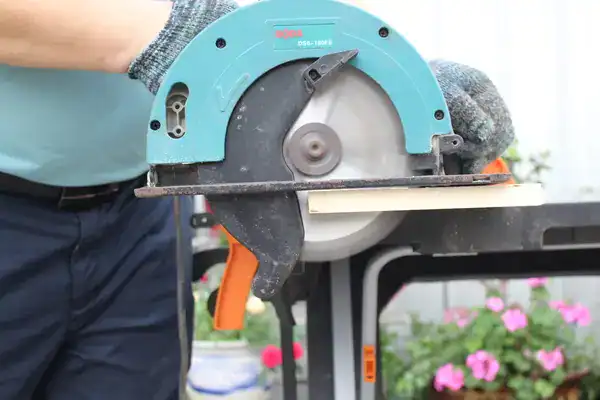
Coatings, like PTFE or titanium, keep pitch and sap from sticking, making cleanup easier and helping the blade glide through wood. Vibration control—slots or laser cuts in the blade—keeps the blade stable at high speeds, so you make straighter, cleaner cuts. These features save your arms and your blade, especially if you cut for hours at a time. Every time I use a well-designed blade, I notice less heat, less noise, and cleaner workpieces.
| Caractéristique | Fonction | Benefit |
|---|---|---|
| Anti-friction Coating | Less friction, heat | Cleaner, quicker cuts |
| Vibration Slots | Reduce wobble | Smoother, quieter |
| Reinforced Core | Stops warping | Accuracy, longevity |
Are Premium Blades Like Festool or Tenyu Tool Worth the Price?
If you walk through a tool shop and notice Festool and other premium blades3, or browse catalogs and see Outil Tenyu4’s lineup, is the extra price really justified?
Tenyu Tool circular saw blades use top-grade steel cores, ultra-hard carbide tips, advanced tooth geometry, and professional anti-vibration designs. Their blades are engineered for durability, precise cuts, and quiet operation—and trusted by experienced woodworkers globally.
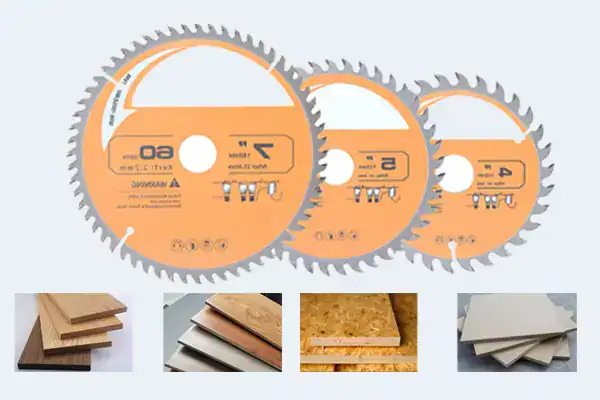
I’ve used Tenyu Tool’s saw blades on everything from dense hardwoods to laminates. The coatings prevent sap build-up. The edge stays sharp cut after cut. They compete with the best in the market, giving consistent performance, less noise, and fewer blade changes—important for big projects or daily use. If your business relies on reliable, clean results and long blade life, Tenyu Tool offers premium blades3 without compromising on quality.
| Marque | Type de lame | Strengths | Who Should Choose? |
|---|---|---|---|
| Festool | Carbide, coated | Premium performance, price | High-end users |
| Outil Tenyu | Carbide, coated | Reliability, durability, value | Pro & DIY users |
How to Choose the Right Circular Saw Blade for Your Wood Project?
Facing a new job with different types of wood? Selecting the right blade is about matching features to your materials and goals.
Pick a carbide-tipped blade, use fewer teeth for ripping, more teeth for smooth finish cuts, check your saw’s size and arbor, and look for anti-vibration slots for the cleanest results. For reliable quality, consider Tenyu Tool blades for consistent and professional outcomes.

Start by knowing what kind of wood you’ll be working with. For framing softwood, a fast-cutting blade is fine. If you’re building furniture or cutting panels, choose more teeth and premium coatings. Always verify the blade diameter5 and arbor fit your saw. I always review the project needs and pick a reputable brand; experience has shown that good blades make my work far more enjoyable. Tenyu Tool blades, with their proven durability and quality, are now my top recommendation.
| Step | What to Check |
|---|---|
| Identify wood type | Soft, hard, engineered |
| Tooth count | Fast/rough or slow/clean |
| Blade material | Carbide-tipped, always |
| Diameter and arbor | Match your saw specs |
| Brand/features | Reviews, coatings, slots |
You Can Send Us Your Request





Conclusion
The best Lame de scie circulaire6 for wood is carbide-tipped, with the right tooth count and features like coatings and vibration control7. Choosing a trusted brand such as Tenyu Tool means cleaner cuts, less hassle, and real value.
-
Tooth count is crucial for determining the cut quality and speed; learn how to choose the right one. ↩
-
Learn techniques and blade features that contribute to achieving cleaner cuts in your woodworking. ↩
-
Exploring the advantages of premium blades can help you decide if they are right for your projects. ↩ ↩
-
Discover the unique features and benefits of Tenyu Tool blades for professional and DIY woodworking. ↩
-
The right blade diameter ensures compatibility with your saw and optimal cutting performance. ↩
-
Understanding the basics of circular saw blades can help you choose the right one for your projects. ↩
-
Vibration control features lead to smoother cuts and less operator fatigue; learn more about their benefits. ↩