Ever felt frustrated when a cheaper power tool fails mid-project, costing you downtime and lost money? Festool promises lasting reliability—and charges a premium for it.
Festool’s price is high because the company uses top-tier materials, precise engineering, and strict German production standards. About 80% of Festool products are made in Germany, delivering consistent quality that professionals trust.
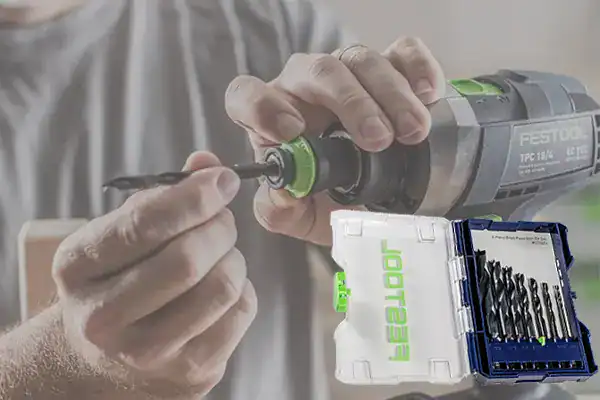
You notice the steep price. You want tools that last and perform well, but you wonder if Festool is really worth it. Their reputation for innovation and quality1 comes from a century of dedication to German standards. Let’s look at what you get when you buy Festool.
Is Festool Made in Germany?
If you care about quality, you want to know where your tools are made. Many brands outsource, but Festool stands by German craftsmanship.
Festool manufactures about 80% of its tools in Germany. Their headquarters and chief production site are in Wendlingen, where quality and precision remain their top priorities.

Festool’s story started in Germany nearly a century ago. Their headquarters in Wendlingen runs advanced R&D2 and final assembly. Most production lines are in Germany, and even overseas sites must meet “Made in Germany” standards. This means every facility follows strict processes, from material selection to performance testing3. No matter where the product is made, Festool promises the same quality.
Festool Production Overview
| Location | % of Products | Standard | Fonctionnalités |
|---|---|---|---|
| Wendlingen, Germany | ~50% | ISO9001/In-house | R&D, Precision Assembly |
| Other German sites | ~30% | German Standards | Final Assembly, Testing |
| Czech Republic | ~10% | German Standards | Accessories, Some Assembly |
| Other Countries | ~10% | German Standards | Packaging, Components |
Is Festool Really the Best?
You expect the best from the highest-priced tools. Does Festool deliver or is it hype?
Festool is considered the industry leader by professionals. Their products win awards for innovation, durability, and design. The company’s 100-year history and engineering set the benchmark for reliability.

Festool’s engineering has earned them countless awards. Their research focuses on performance, safety, and long-term reliability. Cabinetmakers, carpenters, and tradespeople often turn to Festool because their tools speed up work, last longer, and give perfect results. Reports from users show high satisfaction, especially for flagship products like the Domino joiner and routers. Festool puts innovation and function first, aiming to meet the needs of demanding professionals.
Festool vs. Major Brands
| Marque | Innovation Awards | Durabilité | User Ratings | Years in Use |
|---|---|---|---|---|
| Festool | Many | Premium | 4.8/5 | 10+ |
| Bosch | Several | High | 4.2/5 | 7-8 |
| Makita | Some | High | 4.3/5 | 6-7 |
| Dewalt | Few | Good | 4.1/5 | 4-5 |
Where Are Festool Tools Made?
Not all tools carrying a famous name are produced at the brand’s main facility. Festool tries to be clear about their origins.
Most Festool tools come from German plants, but some are assembled in the Czech Republic and other countries, all strictly following German quality protocols.
Festool’s strict standards don’t change between facilities. Any tool, accessory, or part produced outside Wendlingen still goes through careful testing to meet German benchmarks. From raw materials to final packaging, every step is monitored. The German approach to manufacturing runs through the entire process, making the label mean more than geography.
Festool Saw Blades
Precise, smooth cuts are the mark of a good blade. Cheaper blades might work for a while, but Festool wants results that last—not just at installation, but over months of tough jobs.
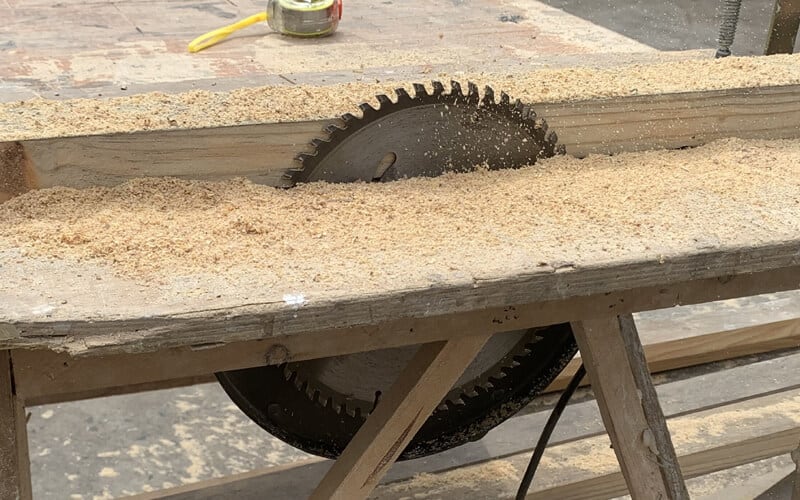
Festool saw blades use top-grade steel, advanced tooth patterns, and vibration control designs. They balance sharpness, durability, and minimal noise—all features chosen for demanding professional use.
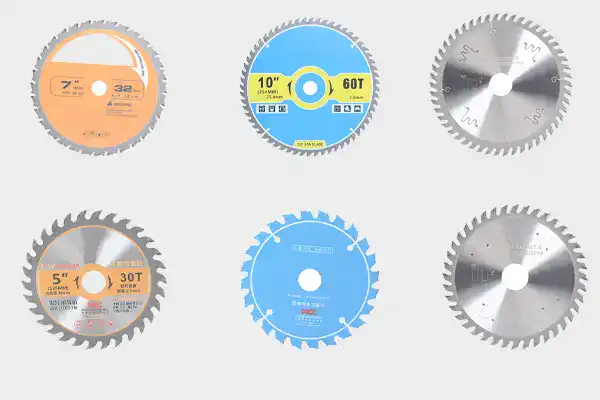
Festool saw blades are made for exact cuts and longer life. The steel is tough and resists warping. Tooth geometry is designed for clean edges in hardwood, plywood, or composite boards. The blades feature anti-vibration and special coatings to help them last longer and keep noise down. This design means you spend less money and time swapping out worn blades, and more time getting jobs finished right.
Festool Drill Bits
Drill bits are often overlooked, but a high-quality bit means faster, cleaner drilling and fewer broken pieces. Festool puts premium quality into these too.
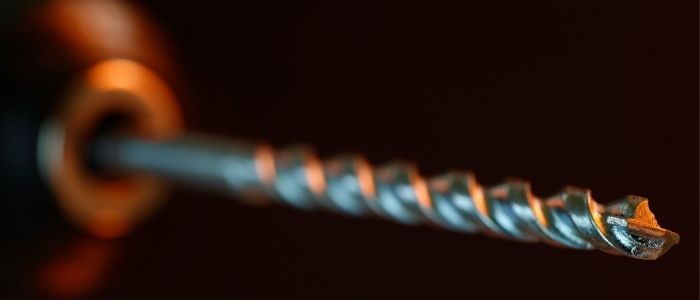
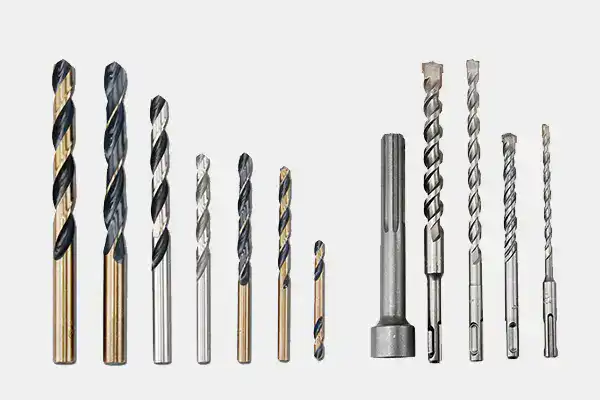
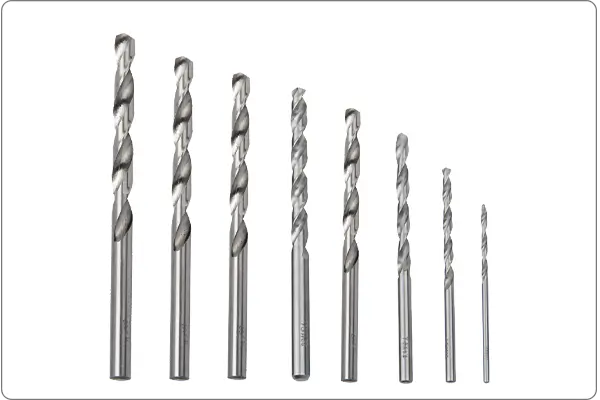
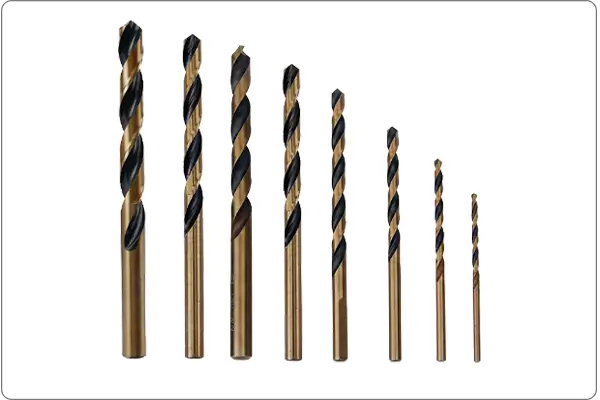
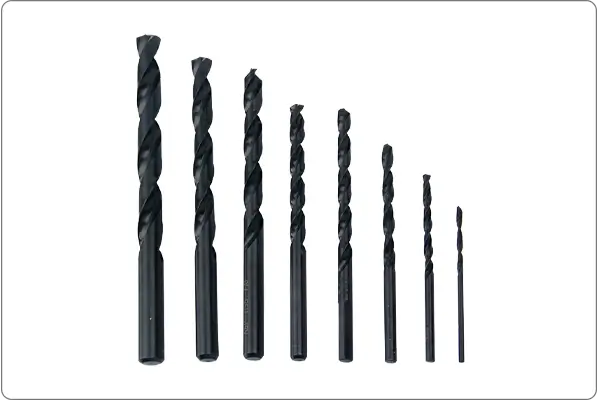
Festool drill bits are made from strong alloy, feature sharp cuts, and are designed to last through many jobs. Special options ensure accuracy in wood, metal, and composites.
Festool’s drill bits4 undergo the same strict process as their other products. Alloy choices maximize hardness and life span. Festool grinds edges to tight tolerances for smooth, exact holes. Their range includes bits for wood, steel, and more—each chosen for precise, repeated use. When you buy Festool drill bits, you save money in the long run, replacing cheap, broken bits with ones that last.
You Can Send Us Your Request



Conclusion
Festool charges premium prices for German-made, highly engineered tools, demanding quality checks and innovation. Professionals pay more for tools built to last, perform, and deliver consistent results.
-
This link will help you understand how innovation drives quality in tool manufacturing. ↩
-
Understanding R&D can provide insights into how tools are developed and improved. ↩
-
Understanding performance testing can clarify how tools are evaluated for quality. ↩
-
Discover why Festool’s drill bits are engineered for durability and precision, offering long-term savings and superior performance in various materials. ↩