Broken taps are a headache that every machinist has faced. If your machine tap keeps breaking, it brings production to a halt, ruins expensive workpieces, and hikes your costs—again and again. Why is the tap broken again? Let’s diagnose the real reasons and fix them.
The most frequent causes of machine tap breakage are bad tap quality, improper tap selection, a mismatch between tap and material, errors in drilled hole diameter, workpiece flaws, poor machine precision, bad lubrication, wrong speed and feed rates, and operator mistakes. Solving these issues starts with early recognition and specific troubleshooting steps.
Every tool engineer or shop manager benefits from understanding these nine machine tap failure zones. Let’s look at each in detail so you can reduce breakage, downtime, and scrap.
Does Tap Quality Make the Difference?
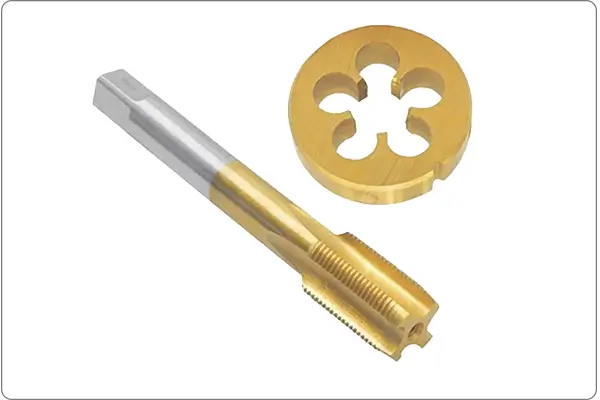
Tap quality1 is critical. Weak raw materials, poor design, improper heat treatment, or a bad coating all add risk. Structural flaws, sharp transitions, or built-up stress areas—especially near the shank or weld joint—make taps prone to fracture.
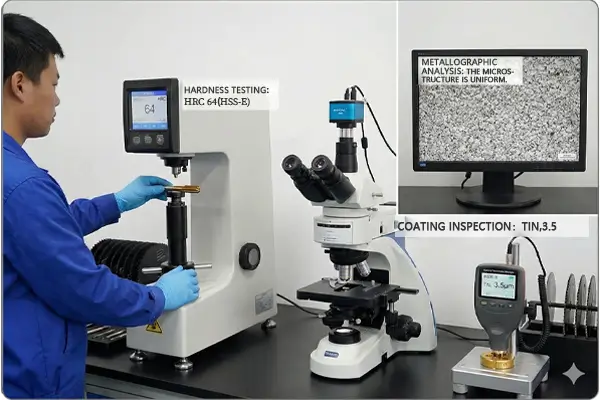
Select taps made from certified HSS-vanadium or cobalt alloys. Demand good heat treatment: proper pre-heating, controlled quenching, and multiple tempers are required. Precision finishing and a strong coating increase tap life. Ask tap suppliers for batch certificates and test against DIN or ISO standards.
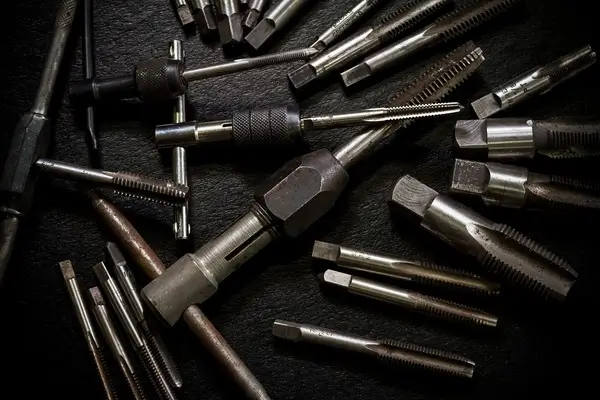
A good tap starts with a uniform section transition and a stable heat profile, reducing stress concentration and cracking.
Why Is Tap Choice Critical for Different Jobs?
Not every tap fits every material or job. Proper selection depends on hardness, chip shape, cut depth, and machine type.
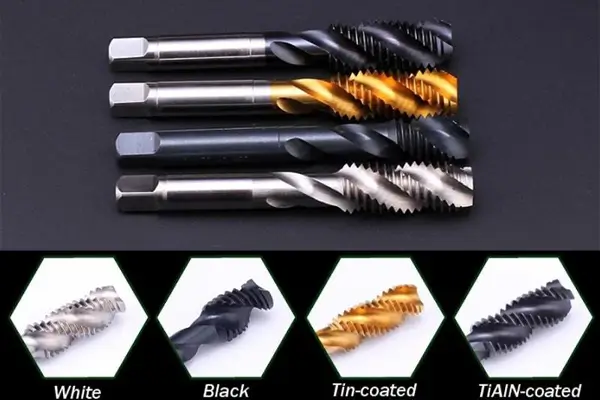
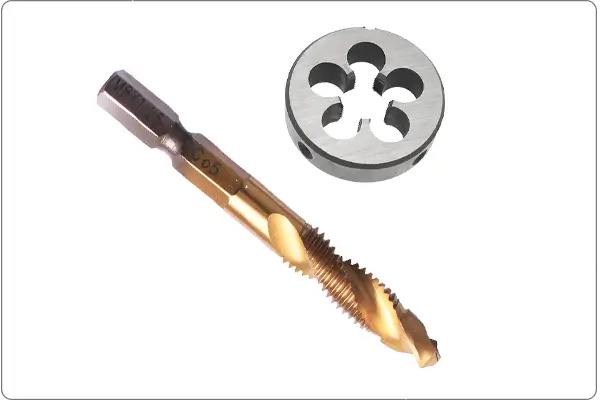
Pick cobalt-HSS or carbide taps2 for hard metals. Use spiral flute taps for blind holes, and straight flute taps for through holes. Coatings like TiAlN or TiN help with wear resistance and friction reduction in tough applications. The shape, pitch, and size of the chip groove must suit your workpiece and chip removal needs.
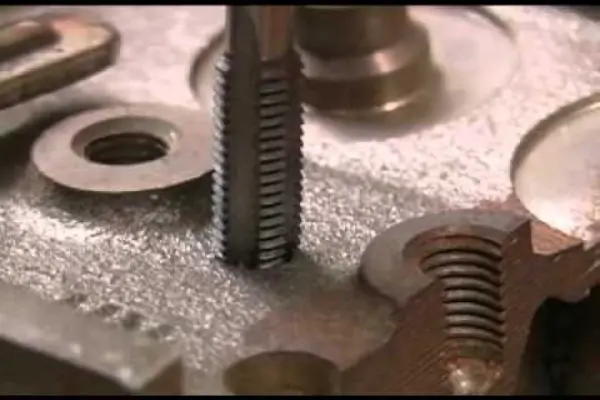
Matching tap design to the exact job avoids jamming, premature dulling, and snap events.
How Does Tap and Material Matching Affect Performance?
The tap must suit the workpiece material. Many machinists assume that imported or more expensive taps will always work best, but what matters is the right match.
Check the hardness, composition, and cut behavior of your material. Use tap charts to decide the tap type and coating for stainless steel, copper alloys, hardened steels, or new materials. For difficult alloys, select taps specifically rated for that material—sometimes customized geometry is needed.
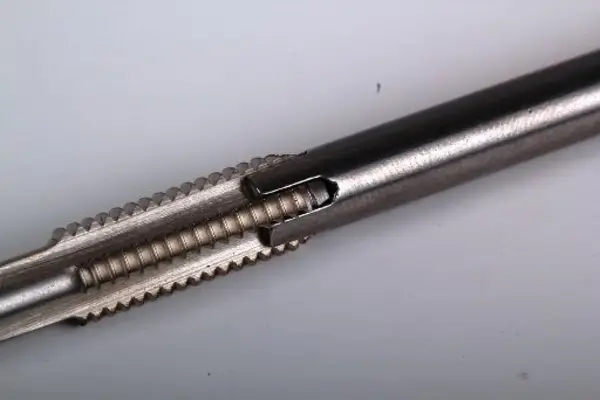
Don’t rely only on price or foreign brands; instead, choose taps customized for your exact machining challenge.
How Does Bottom Hole Size and Depth Lead to Tap Breaks?
Drilling the pilot hole with the wrong diameter or depth increases force and makes it easy to snap taps.
Use the correct formula: for metric threads, bottom hole diameter = thread diameter – thread pitch. For M5×0.5 thread in steel, choose a 4.5mm drill—not 4.2mm. Always drill slightly deeper than needed for blind holes and never undersize the pilot drill. A larger diameter is better if an exact match isn’t available.
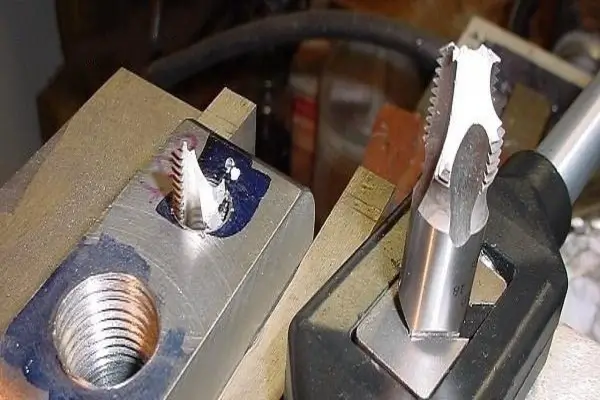
A correct pilot hole ensures chips have space to evacuate and lets the tap cut with less load.
What Impact Does Workpiece Material Quality Have?
Impure materials, hard spots, or internal voids increase load on the tap and can snap it instantly.
Choose workpieces with tested, certified consistency. Inspect visually and run test taps on each new batch or supplier. Reject or re-machine pieces with internal flaws—especially casting pores or hard inclusions.
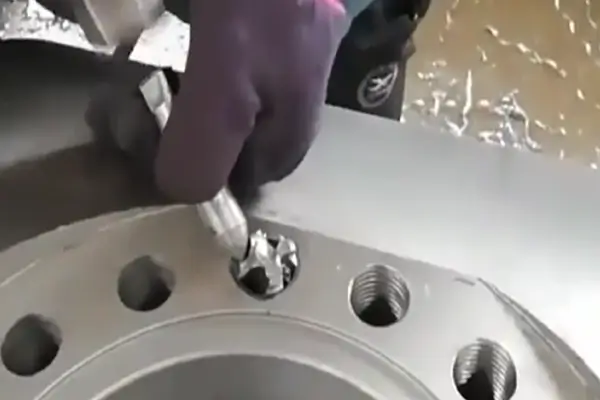
Hidden defects are a silent tap killer—always verify before starting high-value threading.
Why Is Precision in Machine Tools and Clamping Essential?
Accurate tool alignment and clamping are critical for tap survival. Poor concentricity and misaligned entry are common causes of breakage.
Use precision machine chucks, collets, and fixtures rated for tapping. Align the spindle and tool exactly over the pilot hole. For CNC tapping, ensure the machine tool is calibrated. Axial run-out and angled starts multiply stress and break taps quickly.
Correct setup lets taps cut smoothly and prevents stress buildup.
How Does Cutting Fluid Quality Affect Tap Life?
Lubrication and cutting fluid are often overlooked but have a huge effect. Low-grade fluids cause burrs, overheating, and tap failure.
Always use manufacturer-recommended lubricants. Good fluids give clean thread surfaces, reduce burrs, and extend tap life. On high-value jobs, synthetic or specialized cutting oils work best—apply directly to the cutting flutes and re-apply for every tap cycle.
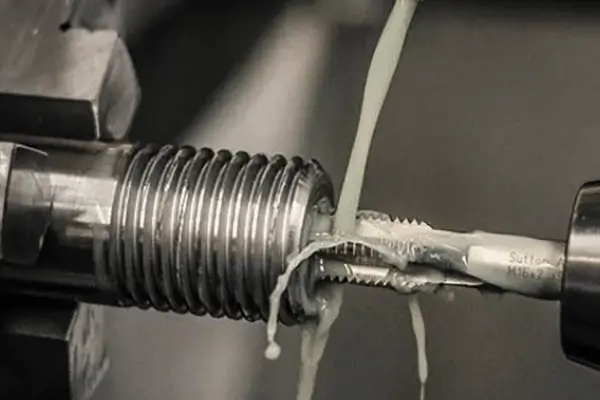
Investing in proper lubrication pays for itself by reducing scrap and downtime.
How Do Speed and Feed Rates Cause Tap Breakage?
Most machine tap failures are linked to improper machining settings. Too slow a speed reduces push force and thread quality; too fast creates high torque and overloads the tap.
| Matériel | Cutting Speed (m/min) |
|---|---|
| Acier | 6–15 |
| Quenched Steel | 5–10 |
| Acier inoxydable | 2–7 |
| Fonte | 8–10 |
Adjust speed and feed by tap diameter—smaller taps use higher speeds, large taps slower feeds. Always work within the recommended range for your material, and pay attention to the tap manufacturer’s feed and speed chart.
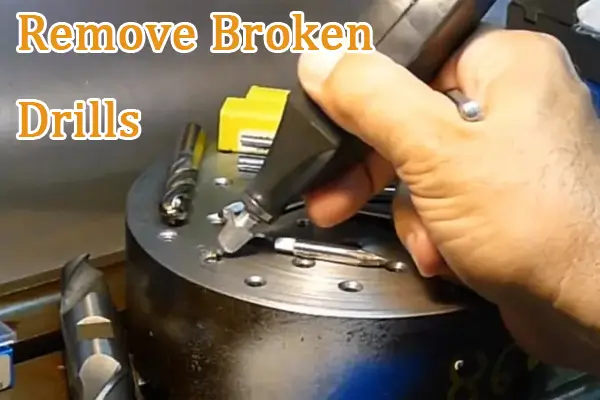
Keep settings steady and make small adjustments based on real-time feedback.
How Does Operator Skill Prevent Tap Breakage?
Poor technique is a leading cause of failed taps. Skipping alignments, running the tap too deep, or failing to back out for chip removal quickly damages threads and breaks taps.
Train operators to monitor tap entry, rotation, and resistance. Always back off when the tap approaches hole bottom or when chip removal slows. Never force the tap during chip congestion. Use a two-handed approach and always check vertical alignment both visually and with a square.
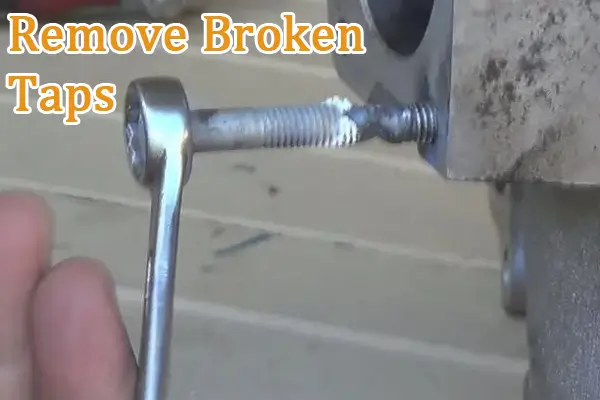
Encouraging careful technique is the cheapest way to avoid breakage.
Advanced Solutions to Reduce Tap Breakage
Upgrading Machine Tools and Tap Technology
Modern CNC machining offers advanced tap [manufacturing—CNC grinding](https://www.tenyutool.com/hss-double-ended-twist-drill-bits/ “manufacturing—CNC grinding”), salt bath heat treatment, and consistent quality in geometry and coating. Taps made from custom HSS-vanadium, like those from Heygo, deliver high red hardness and stable cutting—even in tough jobs.
Advanced machines now offer torque control, real-time speed and feed sensors, and adaptive cycle adjustment. Specialized coatings and carbide taps2 further reduce friction and extend life, while spiral flute taps3 improve chip evacuation in blind or deep holes.
Monitoring and Predictive Maintenance
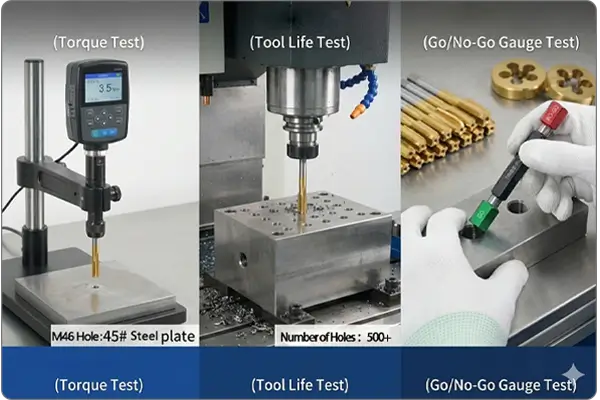
Digital monitoring of tapping cycles lets you track speed, torque, and spindle alignment in real time. Predictive maintenance using sensors and logging helps you spot signs of wear or misalignment and plan for tap changes before failure happens.
Regular inspection cycles and performance data analysis keep tap reliability high, especially in mass production or critical jobs.
Practical Operator Training
Develop routines that combine visual inspection, live alignment checks, and feedback reporting. Use checklists for pilot hole size, fluid application, speed settings, and tap entry sequence. Involve operators in problem-solving and offer skill workshops to raise awareness.
Innovative Cutting Tools for Breakage Prevention
Modern taps often feature multi-stage grinding, enhanced coatings, and chip-breaking flute designs. Choosing spiral point taps, spiral flute taps, or form taps for specific applications helps avoid chip packing, reduces torque, and increases tool life.
Ask for case studies, performance charts, and warranty options from your supplier when evaluating new tap solutions.
Looking for industrial tapping bits that slice through hardened steel without snapping? Reach out to Tap today for testing kits, detailed spec sheets, and full private label support for your distribution network.

Conclusion
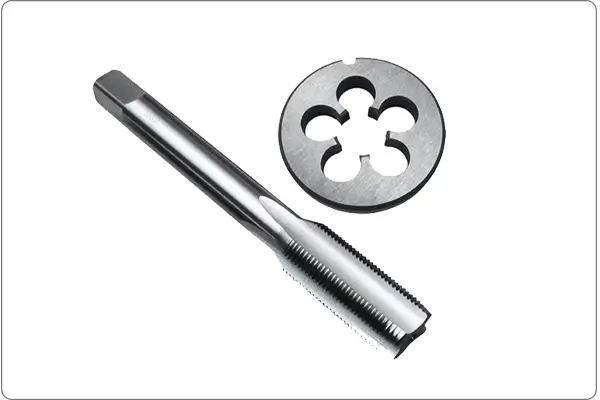
Tap breakage is a complex but preventable problem. By improving tap quality, choosing the right design and material match, adjusting drilling and machine settings, using the correct lubrication, and investing in operator skill, you can avoid snap events in your shop. Use advanced CNC taps, monitor performance, and maintain proper procedure every cycle. Minimizing tap breakage means more productivity, less downtime, and higher profit for every job.
-
Explore the key factors that define tap quality and how they affect performance and durability. ↩
-
Discover how carbide taps enhance machining by offering superior hardness and wear resistance, ideal for tough materials and high-speed applications. ↩ ↩
-
Understand the benefits of spiral flute taps for blind holes and how they improve chip evacuation. ↩