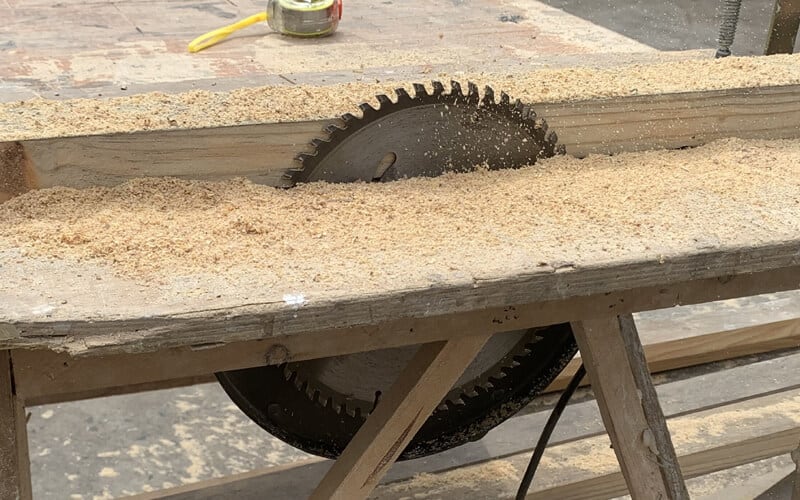
Low-quality hole saws often lead to broken teeth, slow cutting, and rising customer complaints.
If you supply industrial cutting tools to distributors, wholesalers, or hardware retailers, product stability directly affects repeat business. End users expect a hole saw that cuts smoothly through metal and wood without overheating or losing teeth during operation.
When cutting performance becomes unstable, distributors usually face more returns, damaged reputation, and lower reorder rates. Understanding how a bi-metal hole saw is designed1 helps you choose more reliable products for long-term wholesale supply.
A bi-metal hole saw combines a flexible alloy steel body with high-speed steel cutting teeth2. This structure allows the tool to maintain flexibility while still providing strong wear resistance during cutting. Compared with carbon steel hole saws, bi-metal designs perform better across multiple materials and usually offer a longer service life under industrial use conditions.
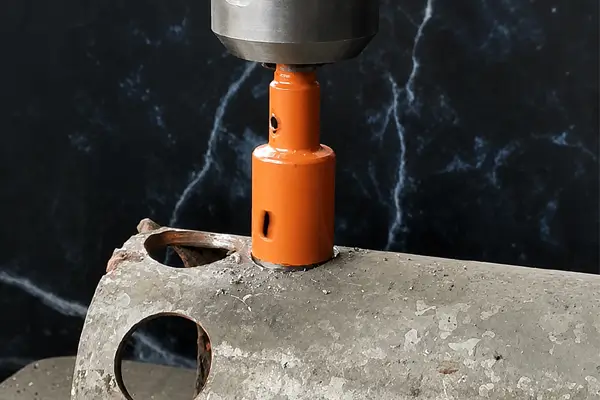
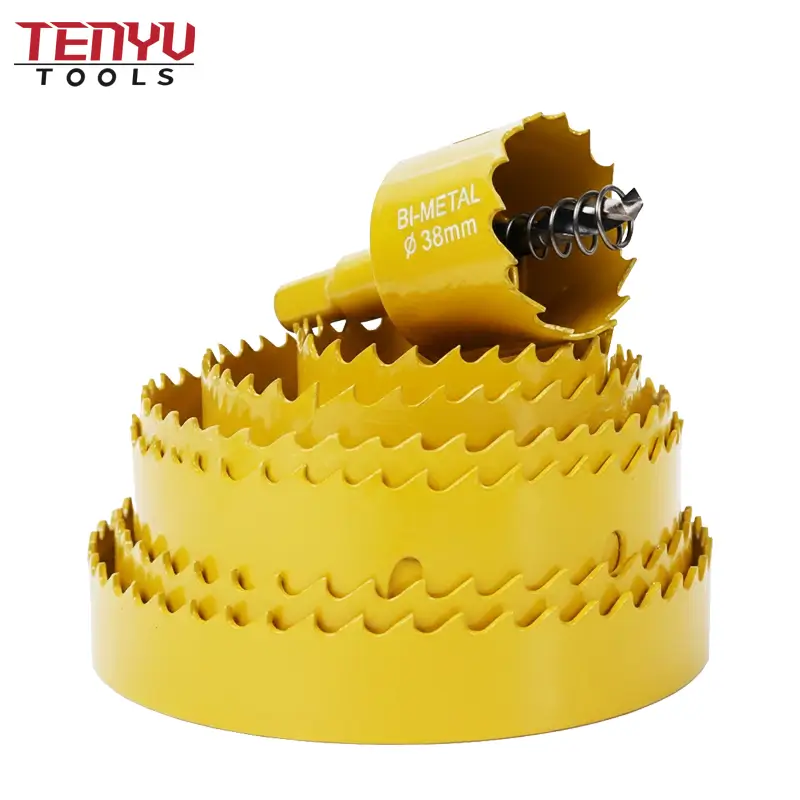
Bi-metal hole saw designed for Metal Smooth Cutting.
What is the Difference Between a Bi-Metal vs Carbide Hole Saw?
Although bi-metal and carbide hole saws are both used for drilling hard materials, they are designed for very different cutting environments. The tooth material, cutting speed, heat resistance, and durability3 all influence how the tool performs under real working conditions. For wholesalers and procurement managers, choosing the correct type helps reduce incorrect purchases and improves customer satisfaction across different industries.
Which Hole Saw Type Is Better for Stainless Steel, Wood, and Sheet Metal?
Different cutting materials place different demands on the hole saw teeth. Bi-metal hole saws are widely used because they balance flexibility and durability4, making them suitable for several materials within one application range. Carbide hole saws perform better on highly abrasive or extremely hard materials5.
| Material | Recommended Hole Saw | Main Advantage |
|---|---|---|
| Aço inoxidável | M42 Bi-Metal Hole Saw | Better heat resistance |
| Madeira | Serra Copo Bimetálico | Smooth and versatile cutting |
| Sheet Metal | Bi-Metal Hole Saw / Carbide Hole Saw | Reduced tooth breakage |
| Thick Stainless Plate | Carbide Hole Saw | Longer tool life |
| PVC & Plastic | Serra Copo Bimetálico | Cleaner cutting performance |
For general-purpose industrial markets, bi-metal hole saws remain the preferred option because they handle interrupted cuts and vibration more effectively than carbide designs.
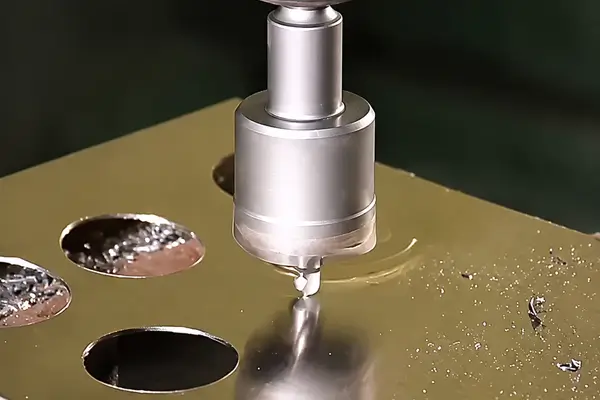
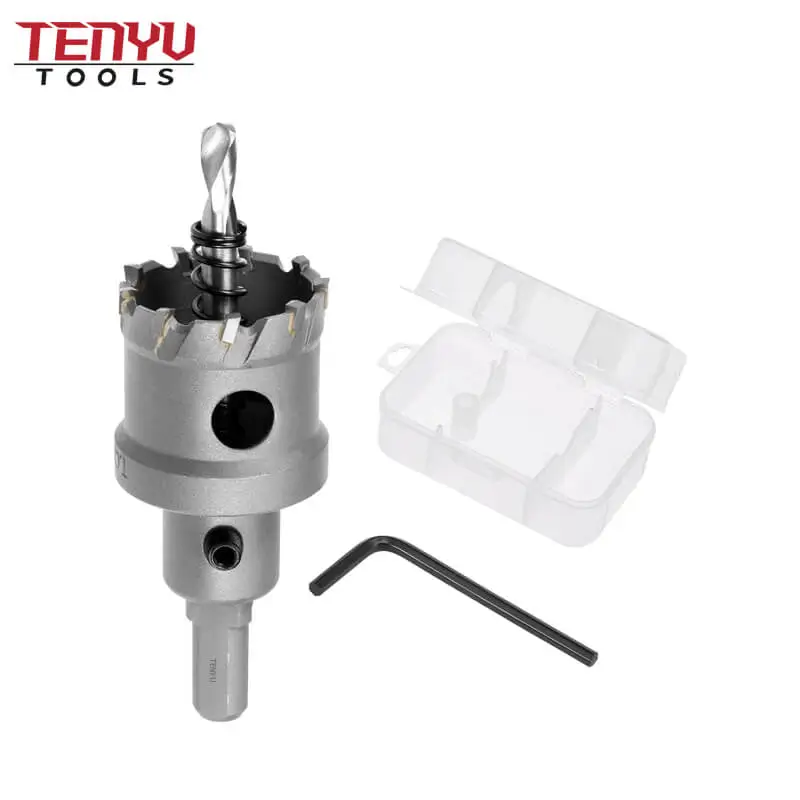
TCT Hole Saw for 0.3mm Stainless Steel Drilling
How Do Bi-Metal and Carbide Hole Saws Compare in Cutting Speed and Tool Life?
Carbide hole saws usually cut faster on very hard materials because carbide teeth maintain sharpness under heavy friction6. However, bi-metal hole saws often provide better overall value in mixed-material environments where flexibility and lower replacement cost are important.
| Característica | Serra Copo Bimetálico | Carbide Hole Saw |
|---|---|---|
| Flexibilidade | High | Médio |
| Impact Resistance | Better | Lower |
| Tool Life on Hard Materials | Médio | Long |
| Custo | Lower | Higher |
| Multi-Purpose Use | Excellent | Limited |
| Tooth Brittleness | Low | Higher |
For electrical, plumbing, HVAC, and maintenance markets, bi-metal hole saws generally produce more stable long-term sales because one product line can cover several applications.
Why Do Importers Choose Bi-Metal Hole Saws for General Industrial Applications?
Importers often prefer bi-metal hole saws because they provide a strong balance between cost, versatility, and durability. Professional users frequently work across different materials during one project, so they prefer a tool that can cut wood, sheet metal, plastic, and thin stainless steel without changing accessories constantly.
The main advantages include:
- Lower purchasing cost compared with carbide
- Better shock resistance during interrupted cuts
- Wider material compatibility
- Easier inventory management for distributors
- Reduced risk of tooth chipping
For wholesalers, multi-purpose products simplify inventory planning and improve stock turnover across several customer groups.
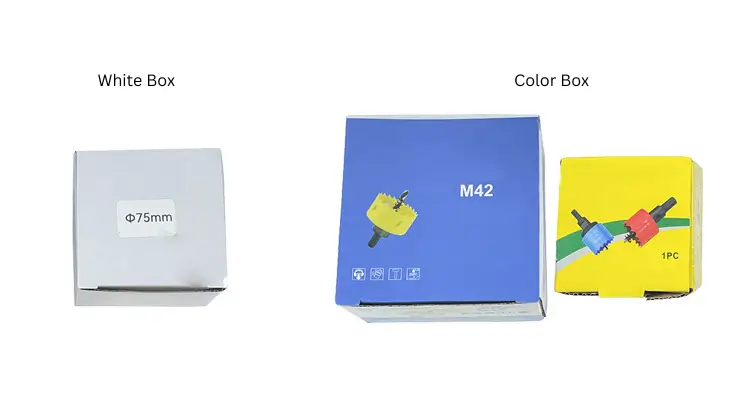
OEM bi-metal hole saw packaging prepared for industrial distributors and wholesale hardware markets.
Can I Cut Wood with a Bi-Metal Hole Saw?
Yes. Bi-metal hole saws are commonly used for cutting plywood, hardwood, softwood, MDF, drywall, and laminated wood panels7. Their flexible tooth structure allows smooth cutting while reducing the risk of cracking or excessive vibration during operation.
For wholesalers, this versatility is one of the strongest selling points because customers increasingly prefer tools that can handle multiple materials with consistent performance.
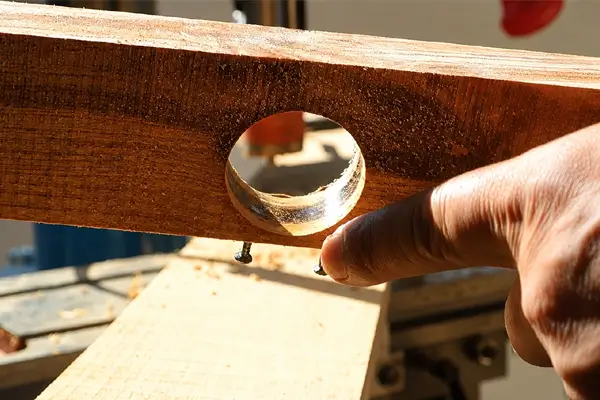
Bi-metal hole saw cutting plywood and hardwood with smooth edge quality and stable chip removal.
What Wood Materials Can Be Cut with a Bi-Metal Hole Saw?
Bi-metal hole saws can process many common wood materials used in construction and furniture industries. Their cutting performance depends on tooth geometry, drill speed, and the density of the material being cut8.
Suitable materials include:
- Solid wood
- Madeira dura
- Madeira macia
- MDF board
- Particle board
- Madeira compensada
- Laminated panels
Dense hardwood usually requires slower RPM and proper cooling to prevent overheating. If users apply excessive pressure during cutting, the teeth may wear faster and reduce overall tool life.
Which Tooth Design Helps Achieve Cleaner and Faster Wood Cutting?
Tooth design directly affects chip evacuation, cutting smoothness, and cutting speed9. Professional-grade bi-metal hole saws often use variable pitch teeth because they reduce vibration and improve cutting stability during continuous drilling.
Variable pitch tooth structures help:
- Reduce cutting noise
- Improve chip removal
- Lower heat buildup
- Produce smoother hole edges
- Improve cutting efficiency
Poorly ground teeth often create rough edges, burn marks, and unstable cutting performance. For industrial buyers, stable tooth precision is one of the most important indicators of manufacturing quality.
Why Should Wholesalers Stock Multi-Purpose Hole Saws for Broader Market Demand?
Customers increasingly prefer tools that work across several materials because this reduces both cost and storage requirements. Multi-purpose bi-metal hole saws are especially popular in hardware stores, industrial supply chains, and online retail markets because they simplify purchasing decisions.
For wholesalers, stocking multi-purpose products creates several advantages:
- Broader customer coverage
- Faster inventory turnover
- Lower SKU complexity
- Better repeat order potential
- Easier product marketing
Because bi-metal hole saws serve electrical, plumbing, maintenance, and construction industries simultaneously, they remain one of the most stable-selling industrial cutting tools.
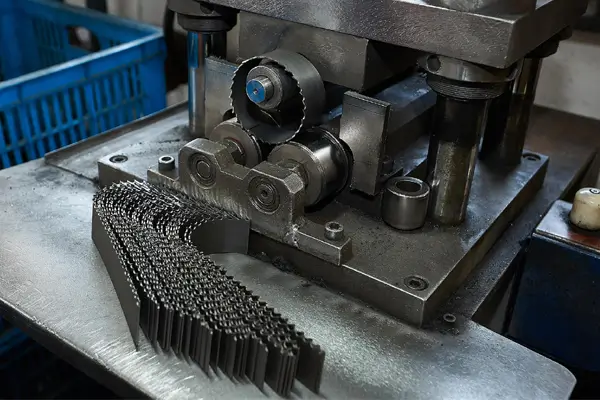
Bi-Metal Hole Saw Production
How to Sharpen a Bi-Metal Hole Saw?
Bi-metal hole saws can sometimes be resharpened, but the result depends heavily on the condition of the teeth. In most industrial applications, proper maintenance is more important than aggressive sharpening because incorrect grinding may damage tooth geometry and reduce cutting efficiency10.
Professional users usually focus on extending tool life through cooling, lubrication, and correct drill speed rather than repeated resharpening.
Can Bi-Metal Hole Saws Be Resharpened for Longer Service Life?
Lightly worn teeth can sometimes be sharpened using fine grinding tools, especially if the cutting edges remain evenly shaped. However, heavily damaged teeth are difficult to restore completely, and excessive grinding may weaken the tooth structure.
Resharpening works best when:
- Tooth wear is still minor
- Teeth remain evenly aligned
- Overheating has not softened the material
- Cutting edges remain structurally stable
In many industrial environments, users prefer replacing severely worn hole saws because stable cutting performance is more valuable than extending the life of damaged tools.
What Maintenance Tips Help Reduce Tooth Wear and Overheating?
Excessive heat is one of the main reasons bi-metal hole saws fail prematurely during metal cutting11. Proper lubrication and controlled operating speed help maintain tooth hardness and reduce unnecessary wear.
To improve service life, users should:
- Apply cutting oil during metal drilling
- Reduce excessive RPM
- Remove chips frequently
- Avoid excessive feed pressure
- Allow cooling during continuous cutting
Ignoring these steps often causes softened teeth, slower cutting speed, and premature tooth failure.
How Can Buyers Identify High-Quality Hole Saws with Better Reusability?
High-quality hole saws usually show consistent tooth geometry, stable weld quality, and better surface finishing. Reliable manufacturers also maintain stable hardness levels across large production batches, which improves cutting consistency during long-term use.
%high quality M42 bi metal hole saw inspection%
Inspection process for high-quality M42 bi-metal hole saws before industrial shipment.
Will a Bi-Metal Hole Saw Cut Stainless Steel?
Yes. Bi-metal hole saws are widely used for stainless steel sheet, thin plate, and medium-duty industrial applications. However, stainless steel creates more heat during cutting12, so tooth quality and heat resistance become much more important compared with wood or plastic applications.
Professional-grade M42 cobalt bi-metal hole saws are especially suitable for stainless steel because they maintain hardness under high-temperature conditions.

Bi-Metal Hole Saw Strict Inspection
Which Bi-Metal Hole Saw Grade Performs Better on Stainless Steel?
M42 cobalt bi-metal hole saws generally perform much better on stainless steel than lower-grade HSS or carbon steel products. Their higher cobalt content improves heat resistance and allows the teeth to maintain sharpness during continuous metal cutting.
| Hole Saw Grade | Performance on Stainless Steel |
|---|---|
| Aço carbono | Not recommended |
| M3 Bi-Metal | Basic cutting performance |
| M42 Cobalt Bi-Metal | Excellent heat resistance |
For industrial distributors, M42 cobalt hole saws usually generate fewer complaints and longer customer satisfaction because the cutting performance remains more stable under demanding conditions.
How Do M42 Cobalt Teeth Improve Heat Resistance During Metal Cutting?
M42 cobalt teeth contain additional cobalt elements that improve hardness retention at elevated temperatures. During stainless steel cutting, friction generates significant heat13, and lower-grade teeth often soften quickly under continuous load.
M42 cobalt teeth help improve:
- Heat resistance
- Wear resistance
- Tooth hardness stability
- High-speed cutting performance
- Service life under heavy load
This is why professional stainless steel applications usually require M42-grade bi-metal hole saws rather than lower-cost alternatives.
What Features Should Procurement Managers Check Before Ordering Hole Saws for Stainless Steel?
Before placing bulk orders for stainless steel cutting applications, procurement managers should evaluate both cutting performance and production consistency. Stable quality becomes especially important because stainless steel places heavy stress on the teeth during operation.
Conclusão
Bi-metal hole saws remain one of the most versatile cutting solutions for industrial, construction, electrical, and maintenance markets. Their flexible structure, wide material compatibility, and lower replacement cost make them highly suitable for wholesalers and distributors serving mixed-material applications.
For professional buyers, stable tooth quality, reliable heat resistance, and consistent manufacturing standards are far more important than extremely low pricing. M42 cobalt bi-metal hole saws provide excellent performance on stainless steel while still maintaining strong versatility across wood, plastic, and sheet metal cutting environments.
Reliable products supported by proper heat treatment, stable tooth welding, and professional OEM packaging help reduce complaints, improve repeat sales, and strengthen long-term customer trust.
FAQ
What Does Bi-Metal Mean on a Hole Saw?
Bi-metal on a hole saw means the cutting edge combines two types of steel: high-speed steel(M3, M42) teeth bonded to a flexible alloy carbon steel body. This construction improves durability, cutting speed, and resistance to tooth breakage.
Will a Bi-Metal Hole Saw Cut Cast Iron?
Bi-metal hole saws can cut certain types of cast iron, especially thinner sections, but cutting speed should be reduced and lubrication is recommended.
How to Tell if a Hole Saw is for Metal or Wood?
Hole saws for metal usually feature fine tooth spacing and harder cutting materials, while wood hole saws often have larger, more aggressive teeth for faster cutting in soft materials. Bi-metal hole saw can cut both of the product
Is a Bi-Metal Hole Saw Good for Wood?
Yes, bi-metal hole saws work well on wood and provide clean cuts with good durability. They are especially useful when switching between wood and metal applications without chang tools.
Can you Use a Bimetal Hole Saw on Tile?
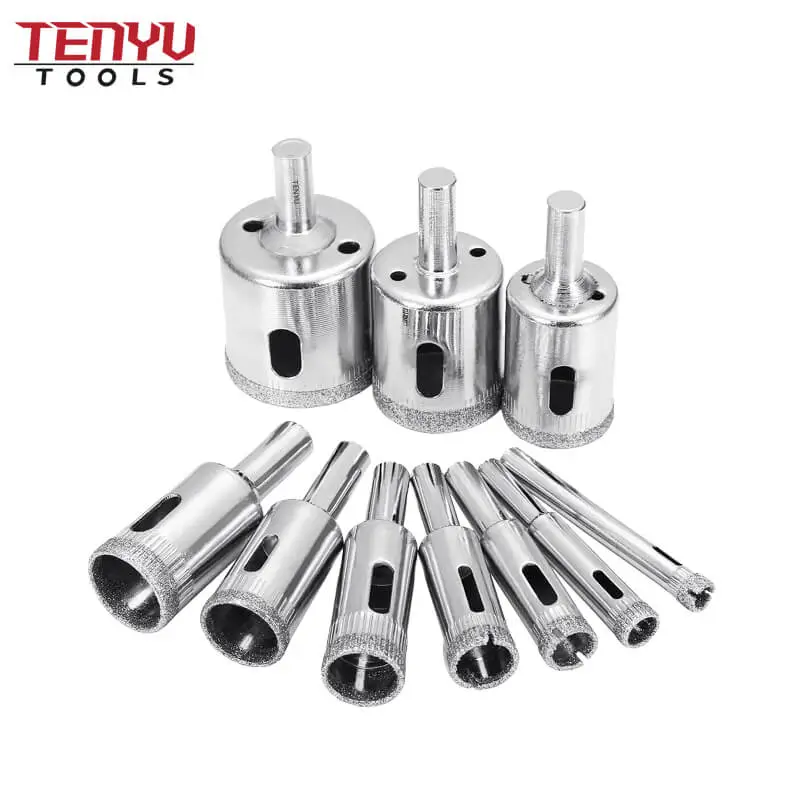
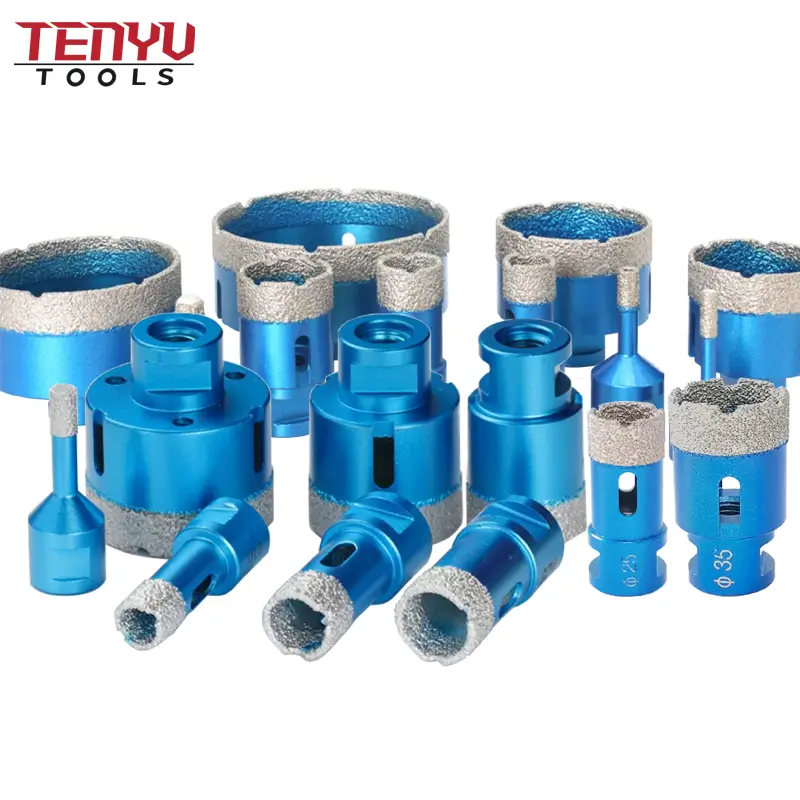
Bi-metal hole saws are not ideal for ceramic or porcelain tile because the teeth can wear quickly or chip the surface. Generally recommend diamond hole saw for tile drilling applications.
Request Your Free Sample
-
Technical references describe bi-metal hole saws as combining a tough steel body with high-speed-steel cutting teeth, a design intended to balance flexibility, tooth hardness, and cutting durability. ↩
-
A technical reference on hole-saw construction describes bi-metal hole saws as using a spring/alloy-steel body joined to high-speed-steel cutting teeth, supporting the stated material composition. ↩
-
Machining references describe cutting-tool performance as dependent on tool material properties, cutting speed, thermal behavior, wear resistance, and durability under operating conditions. ↩
-
A materials or tooling reference can support that bi-metal hole saws typically combine a flexible steel body with harder high-speed-steel cutting teeth, a construction intended to provide both toughness and wear resistance. ↩
-
A neutral engineering or materials source can support that cemented carbide cutting tools have high hardness and wear resistance, properties that make them suitable for machining hard or abrasive materials. ↩
-
A materials-engineering source on cemented carbides can support that carbide cutting tools are valued for high hardness, hot hardness, and wear resistance, properties that help cutting edges retain function under abrasive or high-friction conditions. ↩
-
A manufacturer-neutral technical or educational source describing hole saw applications can support that bi-metal hole saws are suitable for cutting common wood-based and building materials, including plywood, hardwood, softwood, MDF, drywall, and laminated panels. ↩
-
A machining or woodworking reference should explain that cutting performance is influenced by cutter geometry, spindle or drill speed, and workpiece material properties such as density; this supports the stated factors at a general mechanical level rather than providing product-specific performance data for bi-metal hole saws. ↩
-
Machining and saw-tooth geometry references describe tooth form, pitch, and rake as factors influencing chip formation/removal, surface finish, and cutting performance; this supports the general relationship but does not quantify effects for every hole-saw material or application. ↩
-
A machining or manufacturing-engineering source should document that cutting-tool geometry, including rake, clearance, and tooth form, affects cutting forces, chip formation, and efficiency; therefore, improper grinding that alters this geometry can degrade performance. ↩
-
Materials and machining references describe elevated cutting temperatures as a contributor to tool wear and loss of tool-edge performance in metal cutting; this supports the mechanism behind premature hole-saw failure, though it may not address bi-metal hole saws specifically. ↩
-
Machining literature describes stainless steels as difficult-to-machine materials because their low thermal conductivity and work-hardening behavior can raise cutting temperatures; this supports the heat-generation rationale, though actual temperature depends on alloy, tool geometry, speed, feed, and coolant use. ↩
-
Machining literature identifies cutting-zone friction and plastic deformation as major heat sources during metal cutting, and stainless steels are commonly discussed as difficult-to-machine materials in part because heat is concentrated near the cutting edge. ↩