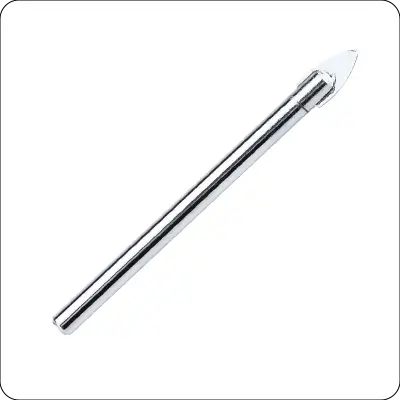
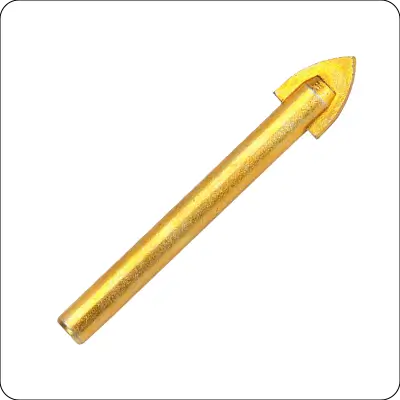
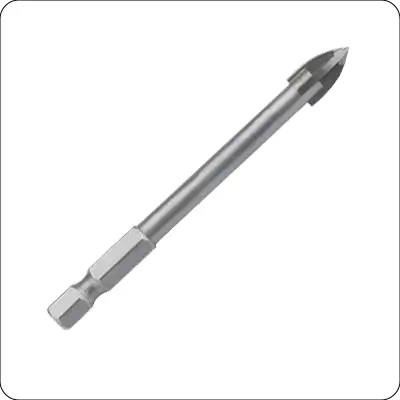
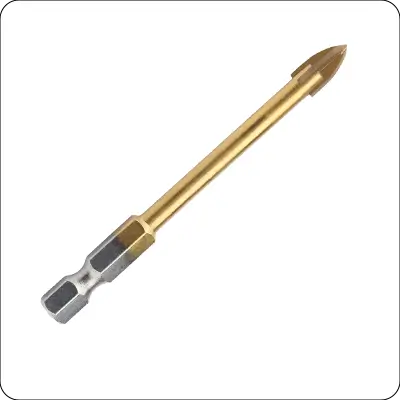
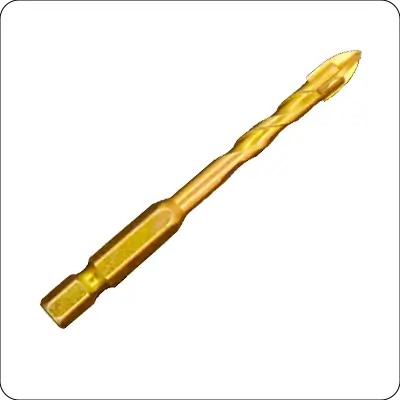
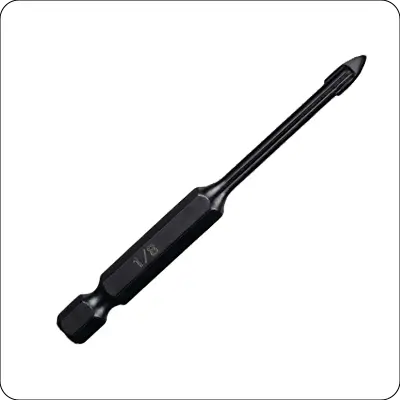
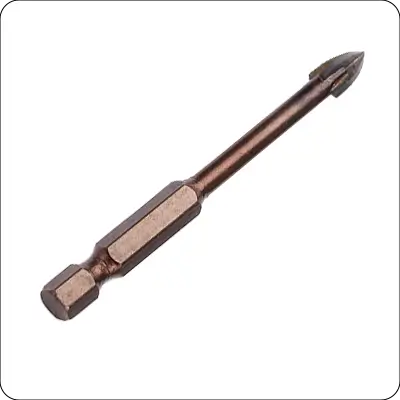
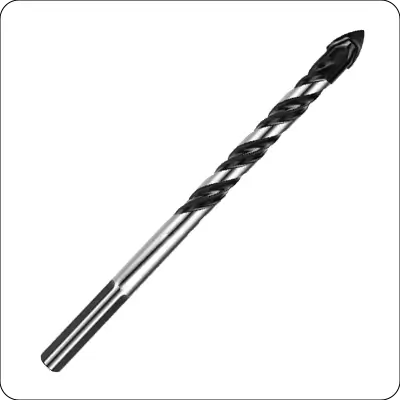
Glass Drill Bits Manufacturer
- OEM customization & bulk discounts for wholesalers
- Advanced Manufacturing Capabilities
- Professional Support from Quote to Shipment
- OEM & Private Label Services | EN12413 Certified
Glass Drill Bits Manufacturer From China
- One-stop Design & Manufacturing Solutions
- 15+ Years of Manufacturing Expertise
- Factory-Direct Pricing & Global Export Experience
- Free samples start your business
Your Leading Glass Drill Bits Manufacturer & Supplier
SGS & ISO Audited Hole Saw
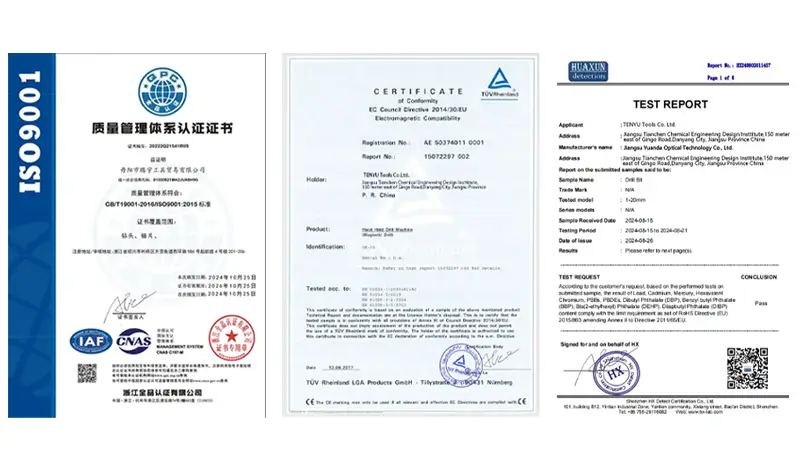
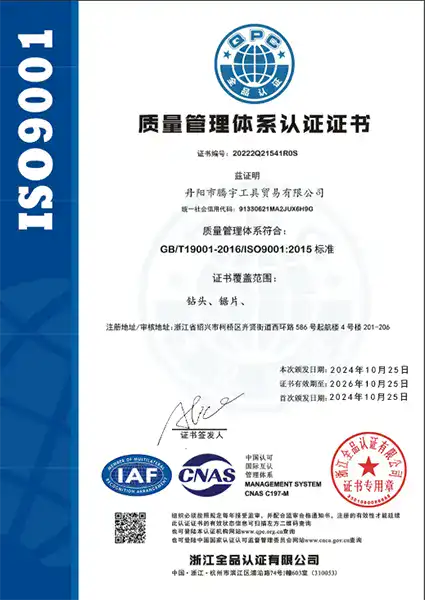
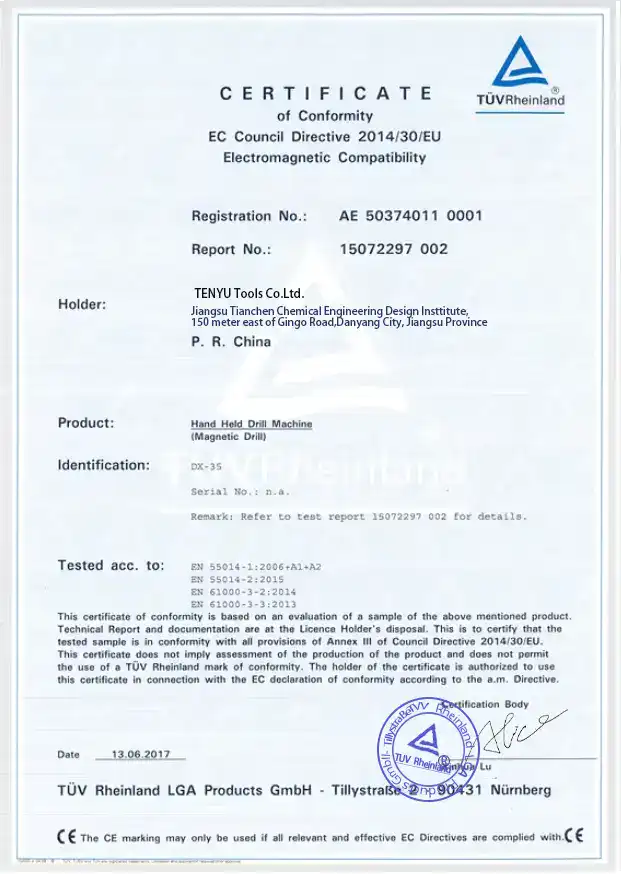
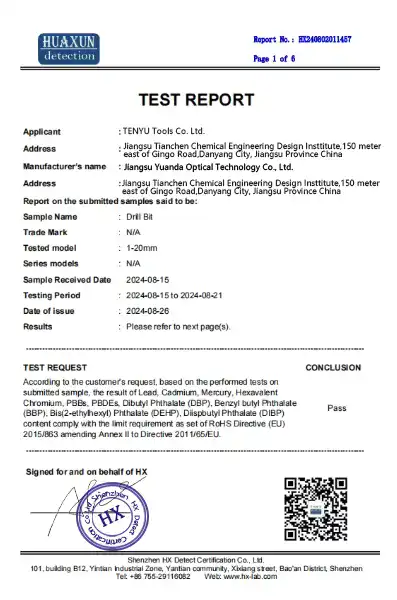
Tenyu Tool, a professional glass drill bits supplier, has been approved by SGS, and obtain ISO quality system certification, ISO environmental management system certification.
0% Complaint
Tenyu Tool has advanced in-house quality testing lab, 100+ QC inspection team, 100% inspected before loading, which will guarantee the product quality and eliminate your concerns.
Manufacture Test Certificate
Tenyu Tool will issue manufacture test certificate for each order before shipment. In order to confirm the product meet chemical composition standard and achieve mechanical performance standard
Fast Delivery
Tenyu Tool keep stable delivery time 7-35 days. Tenyu Tool owns 15 auto production line which will guarantee your delivery date. Even in peak season, we can catch the delivery time. There will be no delay.
Tenyu Tool Professional Production Workshop for Glass Drill Bits
Support online face-to-face factory visits
Tenyu Tool Professional Production Workshop for Glass Drill Bits
Support online face-to-face factory visits
Voice of the World Exhibition
Tenyu Tool actively participates in trade shows around the world and visits our customers, we get closer to them and get more opportunities to present our glass drill bits.
Voice of the World Exhibition
Tenyu Tool actively participates in trade shows around the world and visits our customers, we get closer to them and get more opportunities to present our glass drill bits.
Qualification Certificate
Third-Party Verified Excellence: Engineering Confidence Into Every Glass Drill Bits.
Qualification Certificate
Third-Party Verified Excellence: Engineering Confidence Into Every Glass Drill Bits.
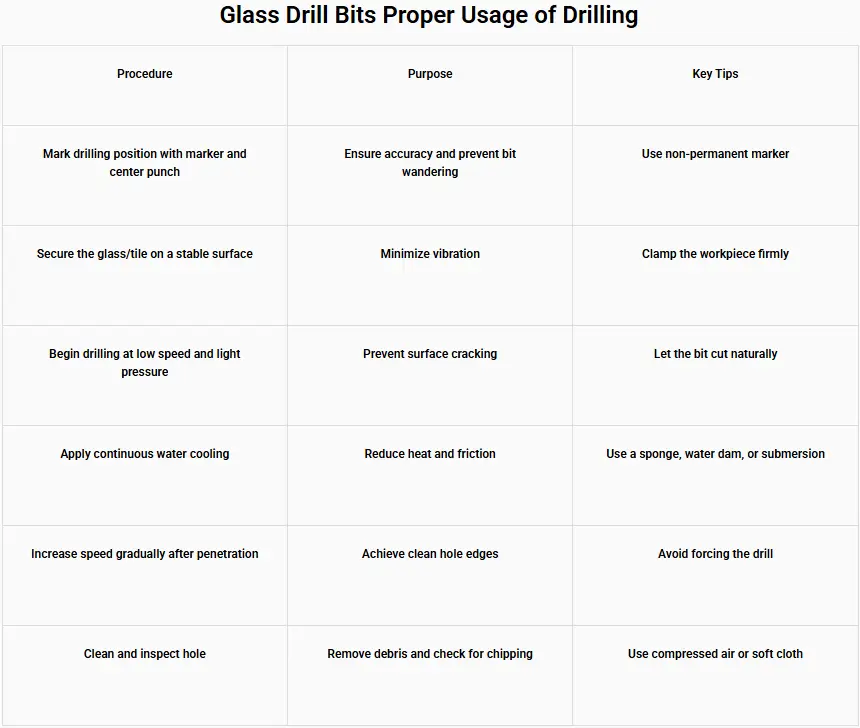
Glass Drill Bits Proper Usage of Drilling
Procedure | Purpose | Key Tips |
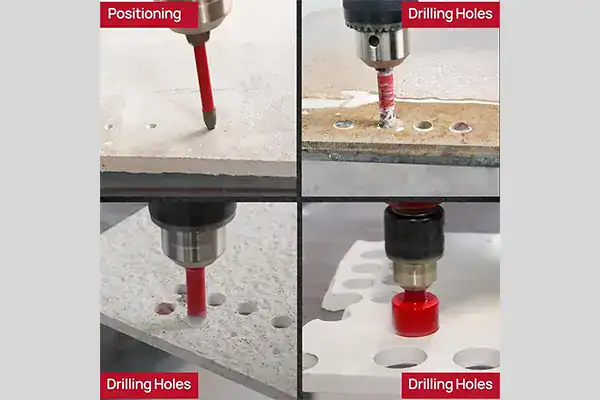
Mark drilling position with marker and center punch | Ensure accuracy and prevent bit wandering | Use non-permanent marker |
Secure the glass/tile on a stable surface | Minimize vibration | Clamp the workpiece firmly |
Begin drilling at low speed and light pressure | Prevent surface cracking | Let the bit cut naturally |
Apply continuous water cooling | Reduce heat and friction | Use a sponge, water dam, or submersion |
Increase speed gradually after penetration | Achieve clean hole edges | Avoid forcing the drill |
Clean and inspect hole | Remove debris and check for chipping | Use compressed air or soft cloth |
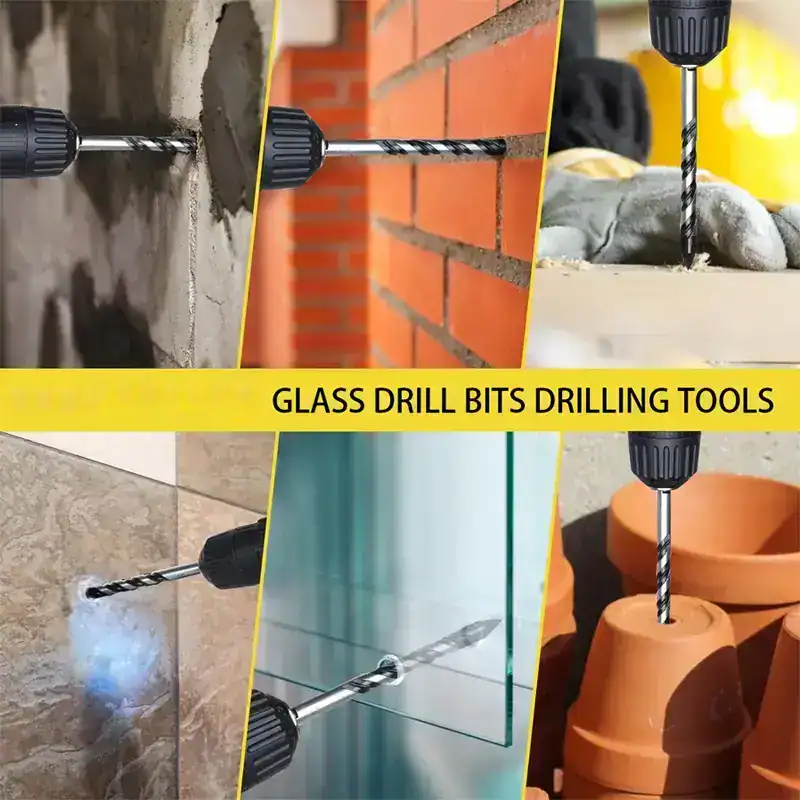
Glass Drill Bits Material-Specific Techniques
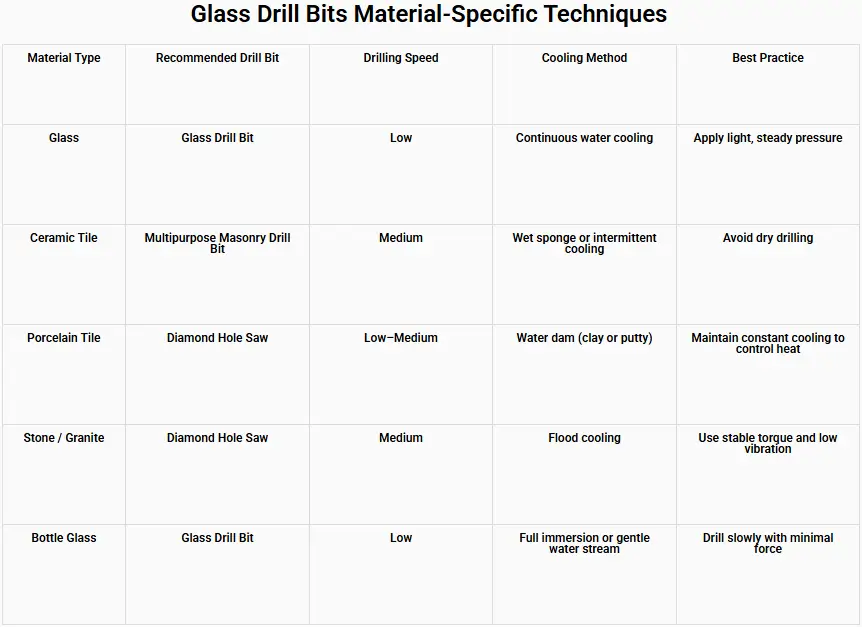
| Material Type | Recommended Drill Bit | Drilling Speed | Cooling Method | Best Practice |
| Vidro | Glass Drill Bit | Low | Continuous water cooling | Apply light, steady pressure |
| Ceramic Tile | Multipurpose Masonry Drill Bit | Médio | Wet sponge or intermittent cooling | Avoid dry drilling |
| Porcelain Tile | Serra de furo de diamante | Low–Medium | Water dam (clay or putty) | Maintain constant cooling to control heat |
| Stone / Granite | Serra de furo de diamante | Médio | Flood cooling | Use stable torque and low vibration |
| Bottle Glass | Glass Drill Bit | Low | Full immersion or gentle water stream | Drill slowly with minimal force |
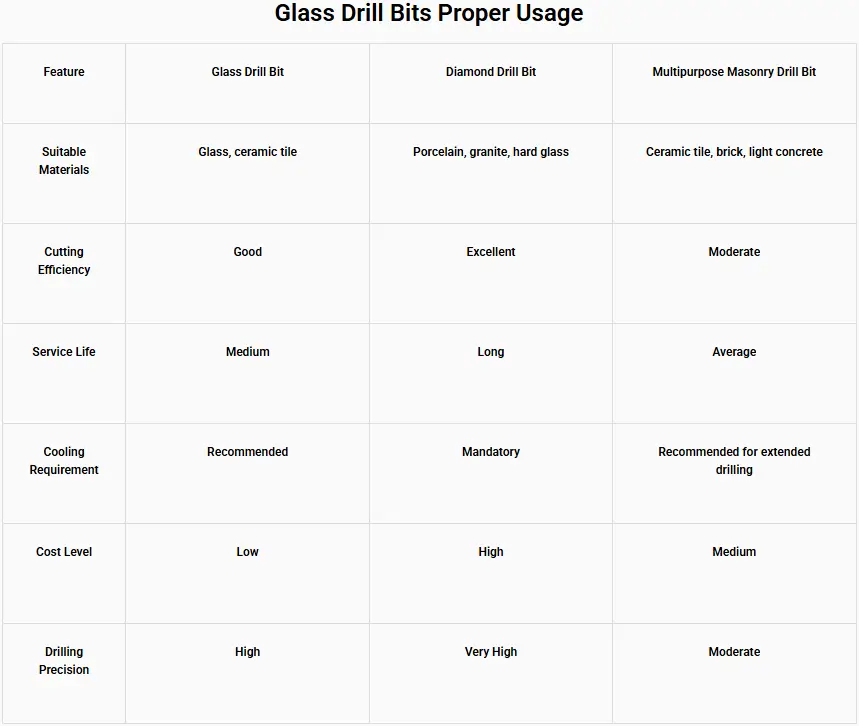
Glass Drill Bits Proper Usage
Característica | Glass Drill Bit | Broca de diamante | Multipurpose Masonry Drill Bit |
Suitable Materials | Glass, ceramic tile | Porcelain, granite, hard glass | Ceramic tile, brick, light concrete |
Cutting Efficiency | Good | Excellent | Moderate |
Service Life | Médio | Long | Average |
Cooling Requirement | Recommended | Mandatory | Recommended for extended drilling |
Cost Level | Low | High | Médio |
Drilling Precision | High | Very High | Moderate |
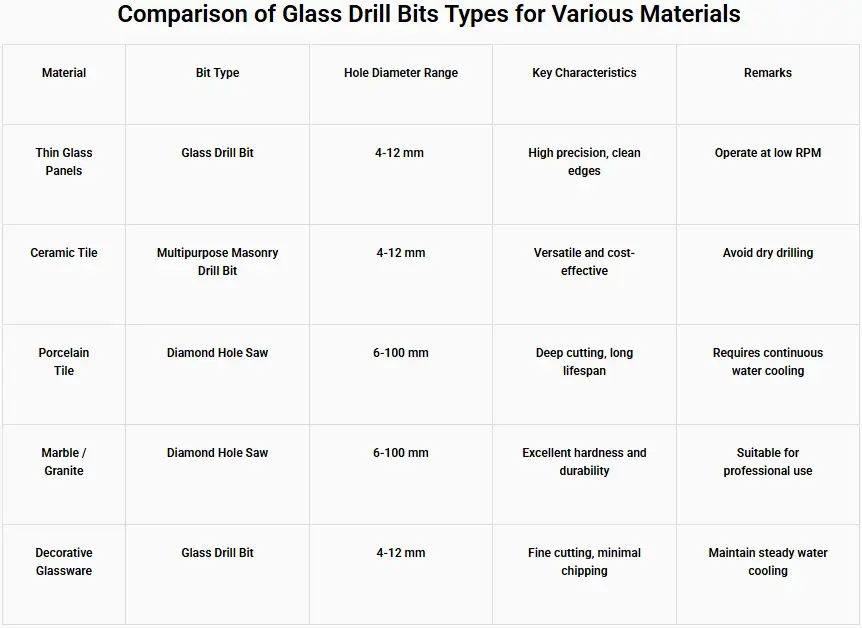
Comparison of Glass Drill Bits Types for Various Materials
Material | Bit Type | Hole Diameter Range | Key Characteristics | Remarks |
Thin Glass Panels | Glass Drill Bit | 4-12 mm | High precision, clean edges | Operate at low RPM |
Ceramic Tile | Multipurpose Masonry Drill Bit | 4-12 mm | Versatile and cost-effective | Avoid dry drilling |
Porcelain Tile | Serra de furo de diamante | 6-100 mm | Deep cutting, long lifespan | Requires continuous water cooling |
Marble / Granite | Serra de furo de diamante | 6-100 mm | Excellent hardness and durability | Suitable for professional use |
Decorative Glassware | Glass Drill Bit | 4-12 mm | Fine cutting, minimal chipping | Maintain steady water cooling |
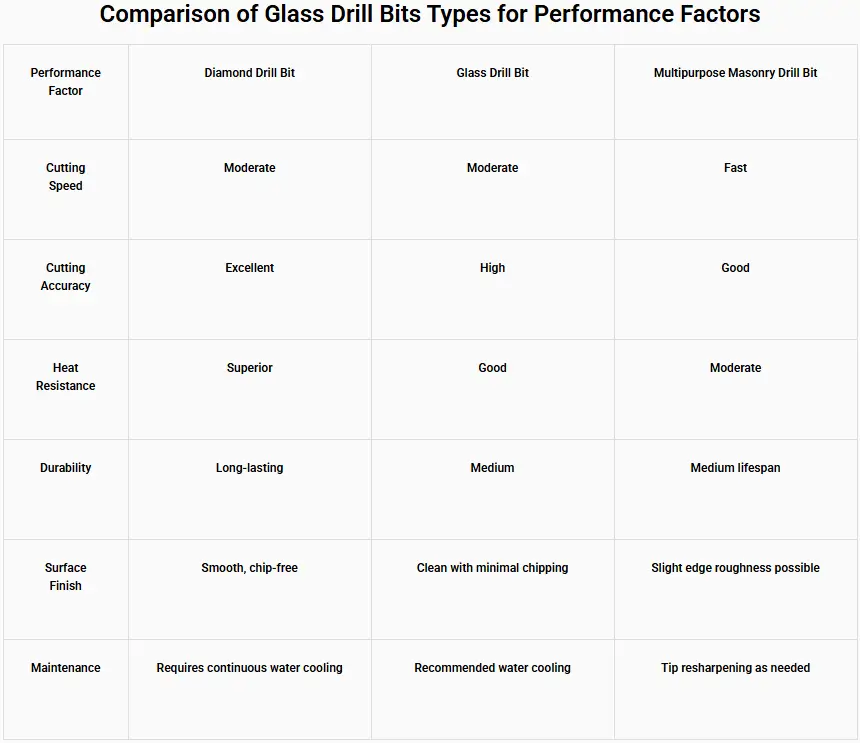
Comparison of Glass Drill Bits Types for Performance Factors
Performance Factor | Broca de diamante | Glass Drill Bit | Multipurpose Masonry Drill Bit |
Velocidade de corte | Moderate | Moderate | Fast |
Cutting Accuracy | Excellent | High | Good |
Heat Resistance | Superior | Good | Moderate |
Durabilidade | De longa duração | Médio | Medium lifespan |
Acabamento de superfície | Smooth, chip-free | Clean with minimal chipping | Slight edge roughness possible |
Maintenance | Requires continuous water cooling | Recommended water cooling | Tip resharpening as needed |
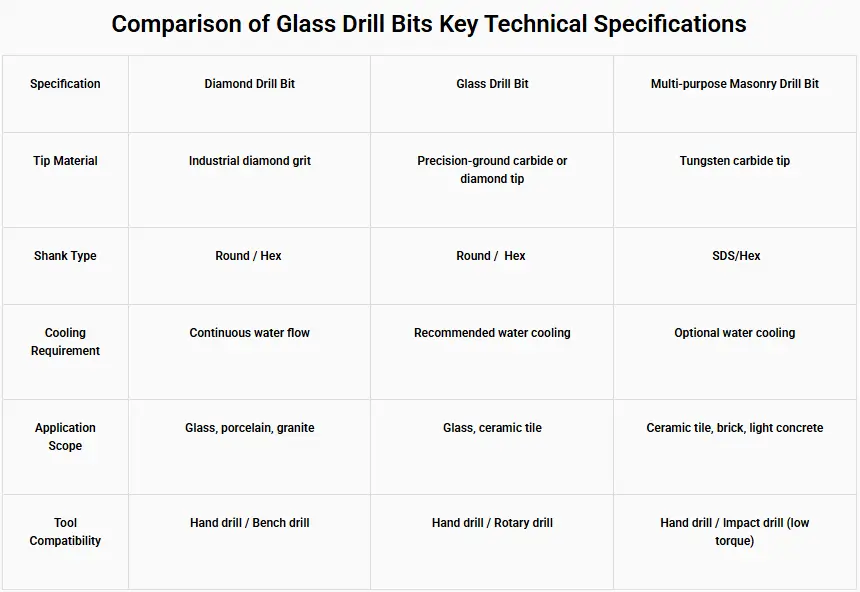
Comparison of Glass Drill Bits Key Technical Specifications
Especificação | Broca de diamante | Glass Drill Bit | Multi-purpose Masonry Drill Bit |
Material da Ponta | Industrial diamond grit | Precision-ground carbide or diamond tip | Tungsten carbide tip |
Tipo de haste | Round / Hex | Round / Hex | SDS/Hex |
Cooling Requirement | Continuous water flow | Recommended water cooling | Optional water cooling |
Application Scope | Glass, porcelain, granite | Glass, ceramic tile | Ceramic tile, brick, light concrete |
Tool Compatibility | Hand drill / Bench drill | Hand drill / Rotary drill | Hand drill / Impact drill (low torque) |
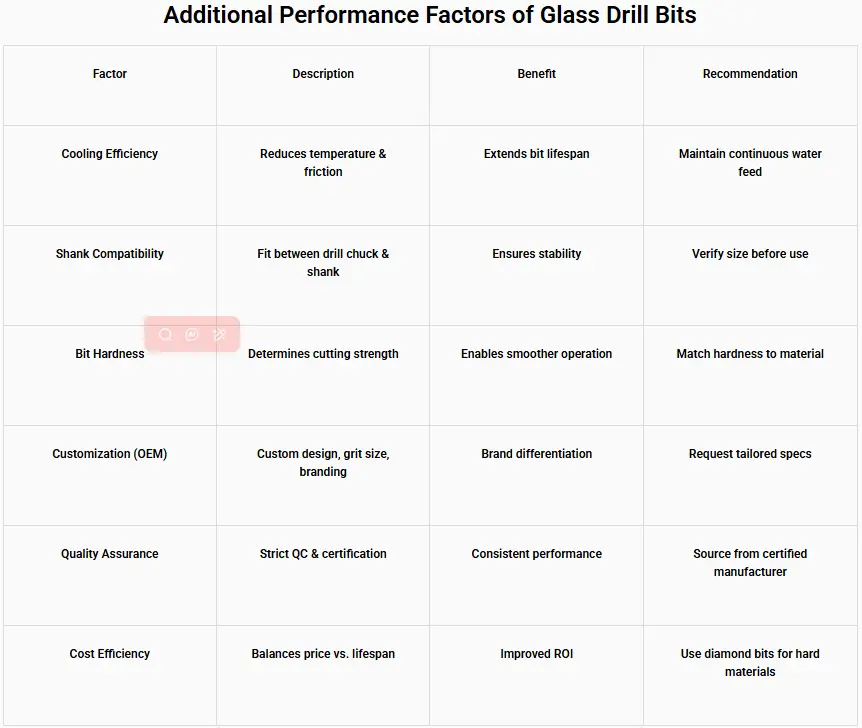
Additional Performance Factors of Glass Drill Bits
Factor | Descrição | Benefit | Recommendation |
Cooling Efficiency | Reduces temperature & friction | Extends bit lifespan | Maintain continuous water feed |
Shank Compatibility | Fit between drill chuck & shank | Ensures stability | Verify size before use |
Bit Hardness | Determines cutting strength | Enables smoother operation | Match hardness to material |
Customization (OEM) | Custom design, grit size, branding | Brand differentiation | Request tailored specs |
Garantia da Qualidade | Strict QC & certification | Consistent performance | Source from certified manufacturer |
Cost Efficiency | Balances price vs. lifespan | Improved ROI | Use diamond bits for hard materials |
Índice
FAQ:
Why is it essential to use water or coolant when drilling through glass?
Using a coolant (usually water) is the most critical safety and performance factor when working with glass.
Heat Management: Drilling creates intense friction. Because glass is a poor conductor of heat, localized “hot spots” cause rapid expansion, leading to thermal shock and immediate cracking.
Tool Longevity: Most glass bits are Diamond Tipped. High heat will cause the industrial diamonds to detach or blunt prematurely. Continuous water flow keeps the diamonds cool and effective.
Dust Control: Water traps the fine glass powder (silica dust), preventing you from inhaling hazardous particles.
Pro Tip: Create a “dam” around the hole location using plumber’s putty and fill it with water to keep the bit submerged during the process.
How do I prevent the drill bit from "walking" or slipping across the glass surface at the start?
Glass is incredibly smooth, making it difficult for a bit to gain traction. To avoid scratching your workpiece, follow these steps:
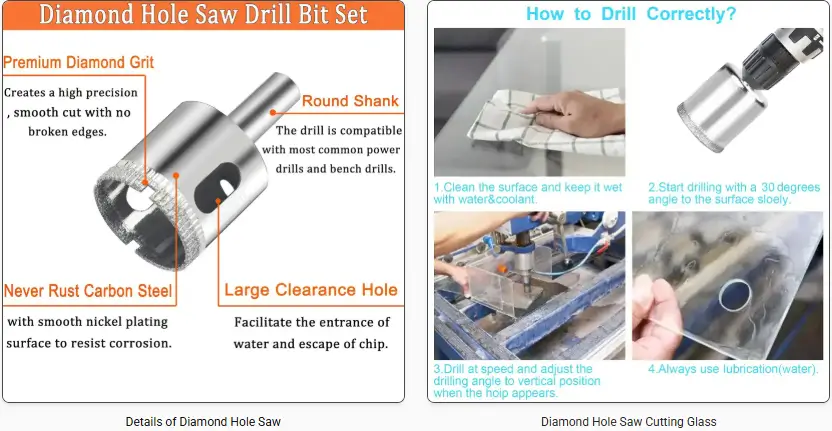
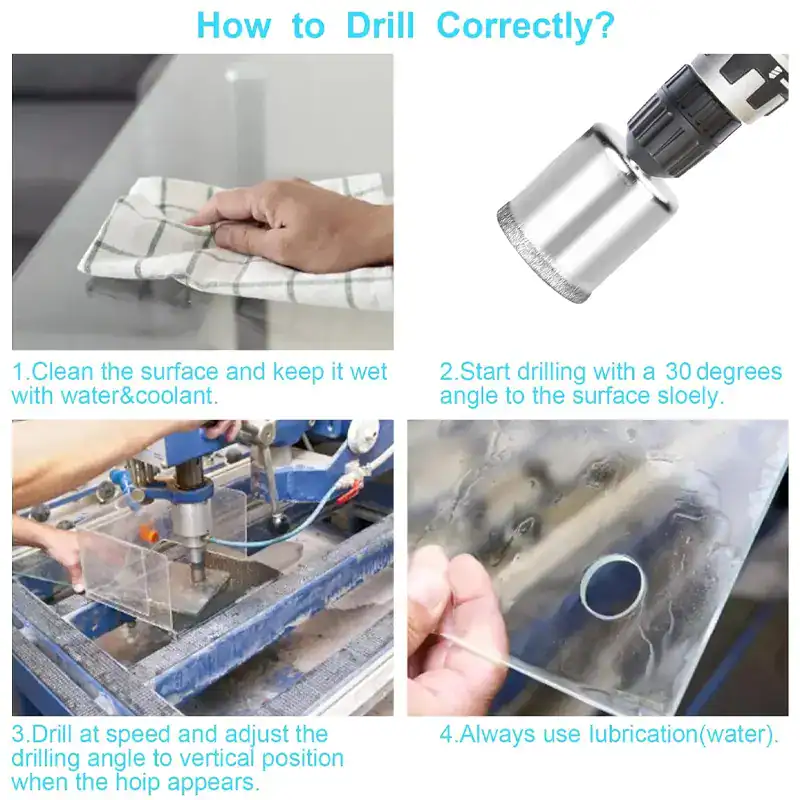
The 45-Degree Start: Do not start with the drill perpendicular to the glass. Hold the drill at a $45^\circ$ angle to create a small initial notch (a “starter groove”).
Gradual Leveling: Once the bit has “bitten” into the surface and won’t slip, slowly pivot the drill up to a $90^\circ$ vertical position while maintaining rotation.
Use a Template: Alternatively, clamp a piece of scrap wood with a pre-drilled hole over the glass to act as a physical guide for the bit.
How can I avoid "breakout" or chipping when the bit exits the back of the glass?
“Breakout” occurs because the pressure of the drill pushes against the final thin layer of glass before it is fully ground away.
Reduce Pressure: As you feel the bit about to break through, lighten your hand pressure significantly. Let the weight of the drill do the work.
The Backing Board: Place the glass on a very flat, sacrificial surface (like a piece of dense MDF or another scrap of glass). This provides structural support to the exit side, preventing the glass from “flaking” off.
Double-Sided Drilling: For the cleanest finish, drill halfway through from one side, then flip the glass over and finish the hole from the opposite side.
Glass Drill Bits Manufacturer: Drilling Glass and Tile Made Easy
Welcome to the ultimate guide for glass drill bits importers, wholesalers and purchasing managers. This post shares a little secret about how to choose and use the right drill bits for glass and tile, helping you increase productivity while making a perfect cut. You might be dealing with fragile glass or tough-as-nails ceramic tile, but no matter the material, mastering these tools is essential for getting a professional look. From what the material is made of to selecting the right bit for drilling, we’ve got you covered.
About Glass and Tile Drill Bits
Drill Bits Types for Glass and Tile
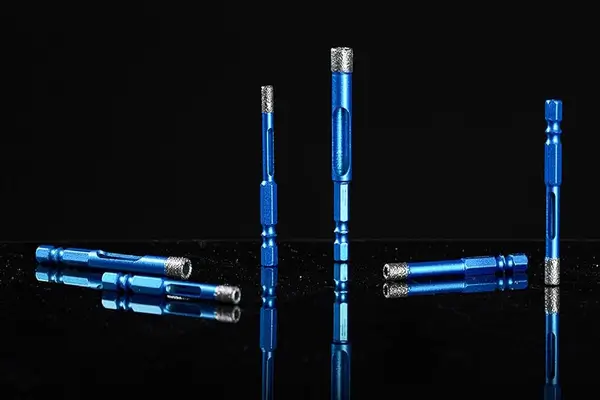
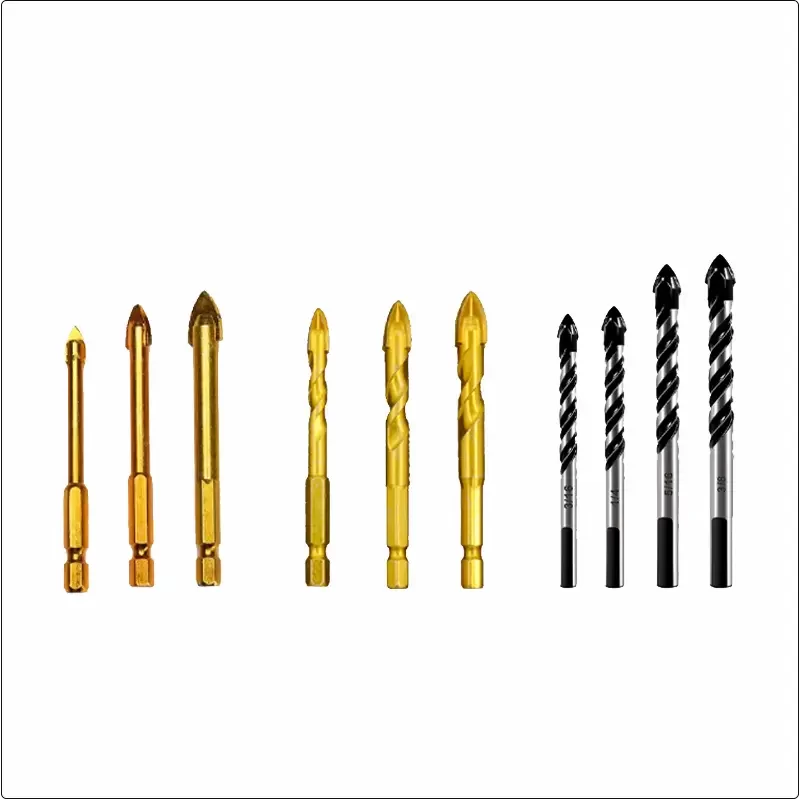
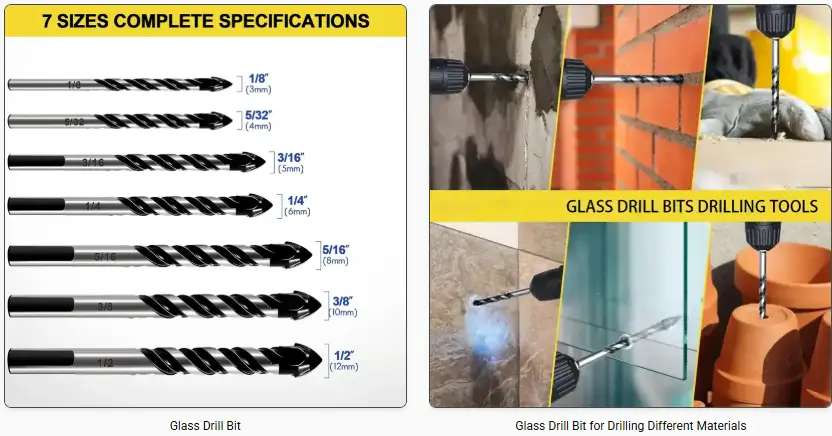
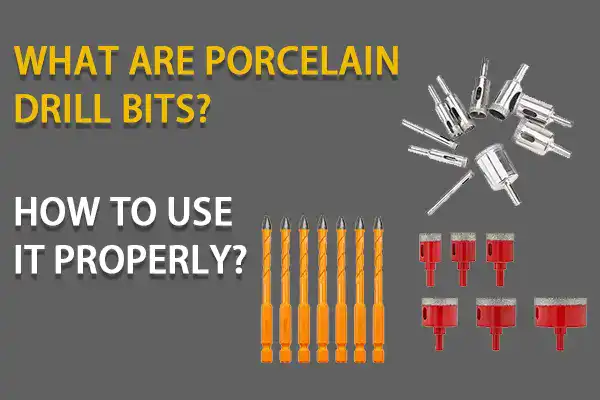
It is very important to choose the right type of drill bit for the surface you are drilling. There are a few different kinds of drill bits for glass and tile you may have to choose from, depending on what kind of project you are working on. The first and most familiar are glass drill bits and diamond drill bits. Specifically designed for cutting through hard surfaces without damaging your materials, these drill bits will create perfect holes the first time, every time. The type of bit you require depends on the material and the diameter of the hole. For fine, delicate work, a diamond drill bit is sometimes implemented. The glass and tile drill bit is used for most kinds of materials, such as delicate glass, tile, ceramics and more.
Material Composition: Carbide vs. Diamond
Drill bits are a tool that the material has everything to do with its performance and life. Here’s a look at two basic ones:
| Drill Bit Type | Primary Material & Suitable Materials |
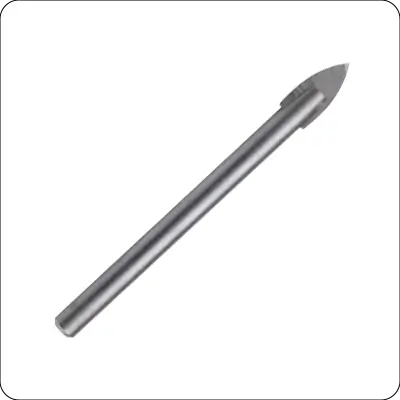
| Glass Drill Bits | Carbide-tipped, for tile and ceramic. |
| Diamond Drill Bits | Diamond grit edge; cuts glass, stone & hard-plate ceramic like porcelain tiles. |
Diamond drill bits may be slightly more expensive, but their efficiency and long service life make them well worth the extra expense. It just depends on what type of stuff it is!
Selecting the Appropriate Drill Bit for Your Project
Choosing the right bit makes using a drill on glass or tile that much easier. First, consider the material that you’ll be working with. When choosing the right drill bit, take these factors into consideration:
- For glass, a diamond–tipped drill bit works best.
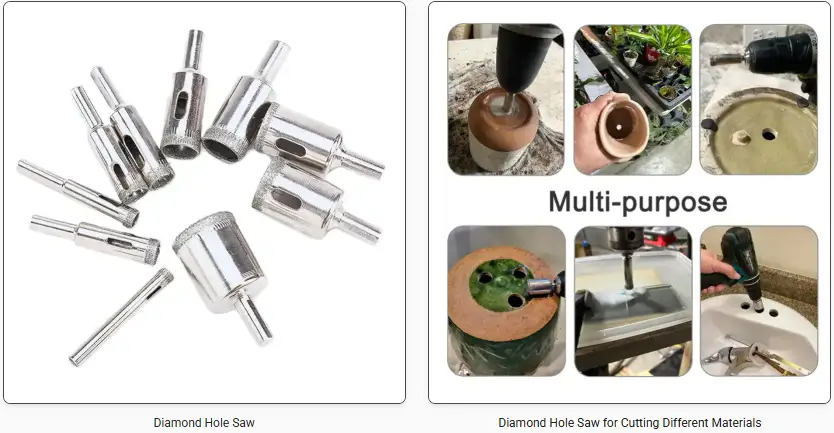
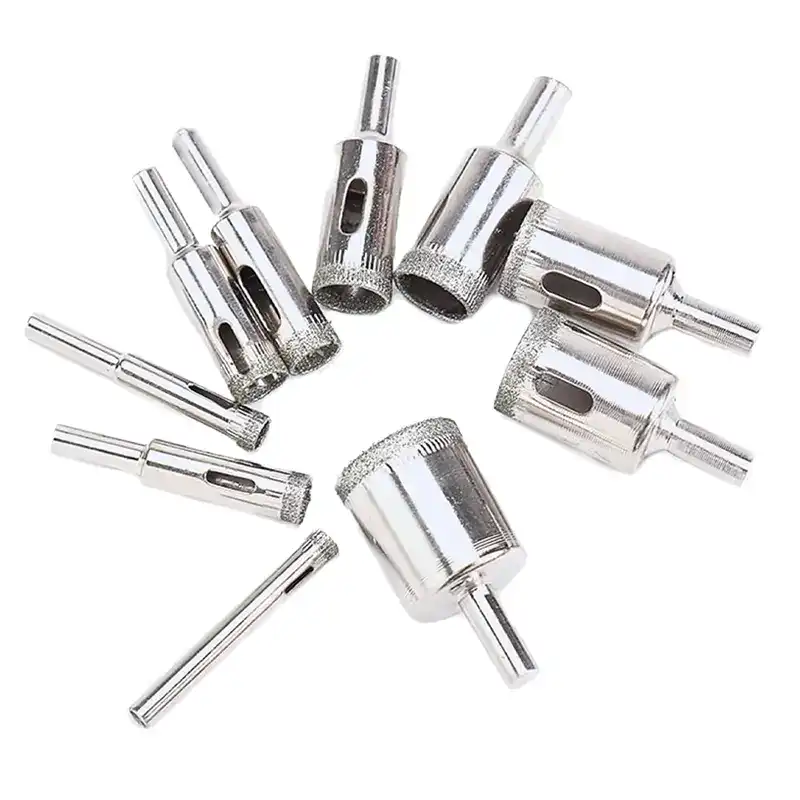
- A glassdrill bit might do the trick when working with ceramic tile, but for sturdier materials like porcelain tile or granite, a diamond hole saw is required.
Think about the perimeter of the hole. If the holes are small, you can use a regular glass drill bit. A diamond hole saw is required for bigger holes. Always use water to cool the bit and lessen friction.
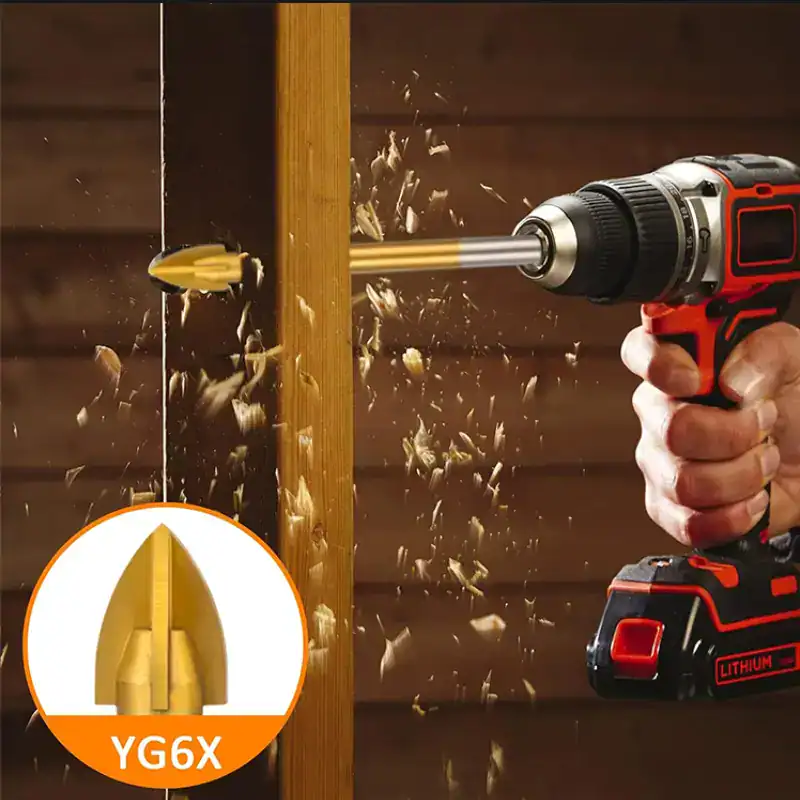
Essential Features of Drill Bits
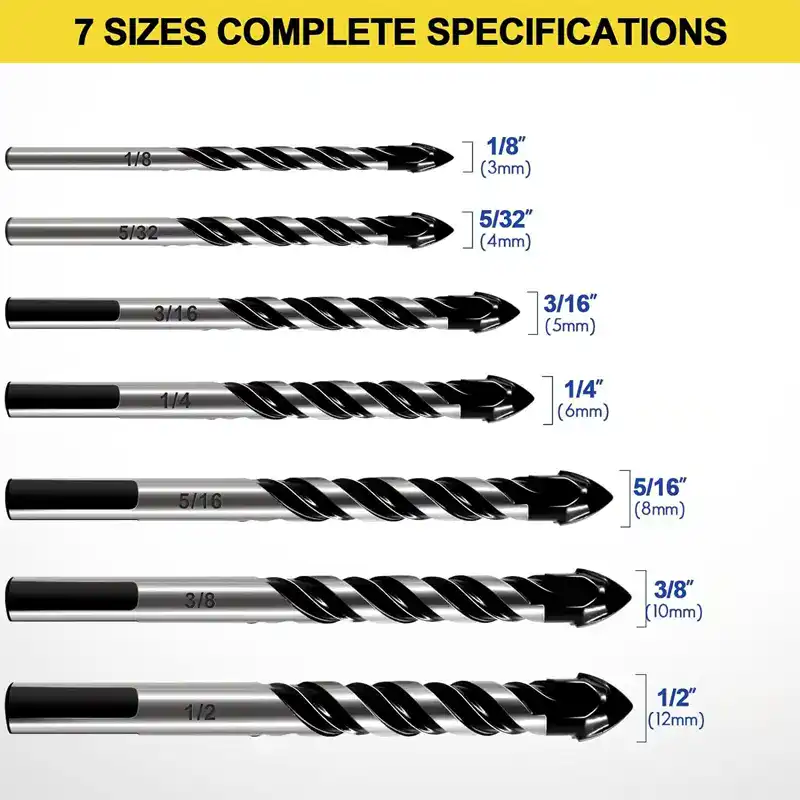
Shank Size and Compatibility
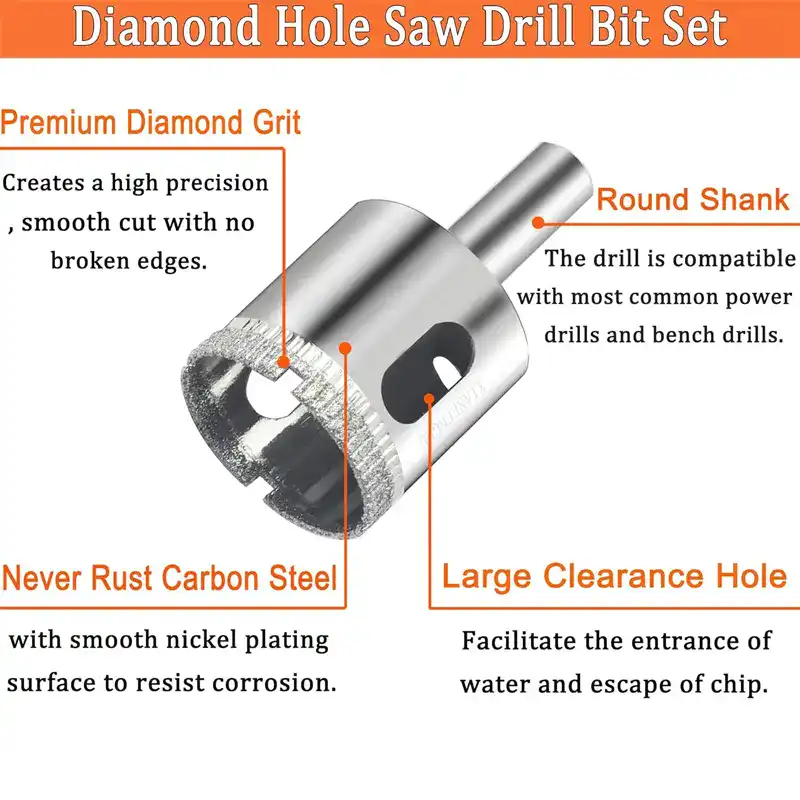
The shank for a drill bit is one of the most important when considering compatibility with your drill. The shank is the part of the bit that goes into the drill’s chuck, and if it isn’t the right size, then your bit isn’t going to stay put, which can cause inaccurate boring as well as potential damage to your material or tool. Nearly all drills accommodate a common shank size.
Diameter Considerations for Different Materials
The most important factor to consider when choosing the correct drill bit is whether you are drilling into soft or hard material (i.e. glass, ceramic, tile, porcelain). As I already mentioned that the diameter means the size of the hole you are drilling directly. When working on delicate materials such as glass or ceramic tile, a smaller bit is preferable since any rough handling can cause the glass to chip or crack. As a general rule of thumb, make sure to take into account the particular needs of your project and the characteristics of the material you’re drilling through when selecting your drill bit size. That’s true whether you’re using a diamond drill bit or a carbide-tipped glass drill bit for glass and tile.
Carbide vs. Diamond Tips – Which Are The Best?
Carbide-tipped glass drill bits are the best tile drill bits for a softer type of ceramic tiles. Use a diamond drill bit for drilling through glass, porcelain tile, or stone; it is more effective. Since diamond is one of the hardest known materials, it’s capable of easily slicing through those dense materials. The diamond coated tip allows for clean, even drilling without stressing or cracking the material. While diamond drill bits may be pricier, their durability and quality make them a no-brainer for tough jobs.
Efficient Drilling of Glass and Tile
Preparing Your Workspace for Drilling
Setting up your work area is key to safely and accurately drilling glass and tile before you begin to drill. Remove any debris from the work area and make sure you have enough room to operate the drill and your material. Proper lighting is important in order to make accurate cuts, and it would also be helpful to have a stable work surface that can accommodate the weight, clamp or secure your glass or tile piece to prevent movement. Keep water nearby to cool the drill and bring down the friction. Doing so will help ensure that you can safely and properly operate your glass and broca de azulejo, which could be a diamond drill bit or even carbide tip drill bits.
Water Usage and Cooling Techniques
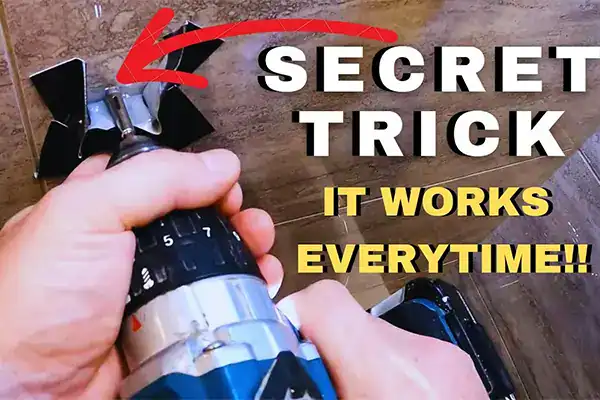
Good cooling is necessary to avoid overheating and extend the life of your glass and broca de azulejo when drilling. It is, however, a particularly good coolant. While drilling, flood the cutting place with a stream of water. You can also immerse the material in water or wet the surface with a sponge. To drill a hole in a vertical surface like the wall, make use of putty or clay to form a dam at the drilling point, and hold water around it. This is especially relevant for diamond drill bits as they create a lot of heat. Don’t forget, it’s crucial to keep the drill bit (and material) cool when cutting, whatever you are drilling, be it glass, ceramics or tile.
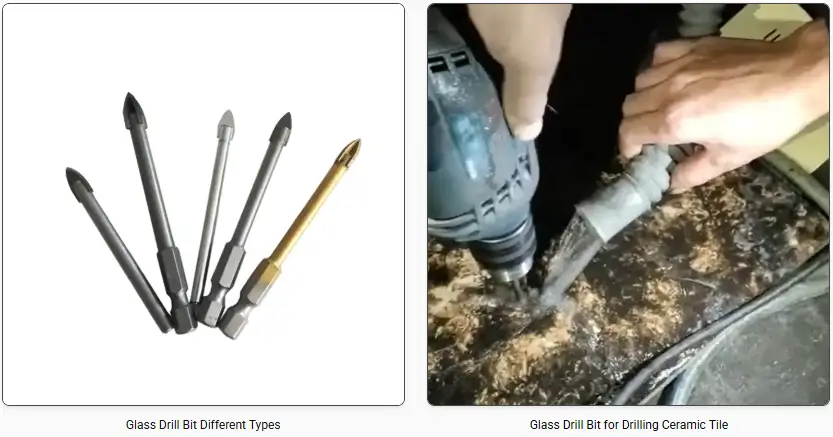
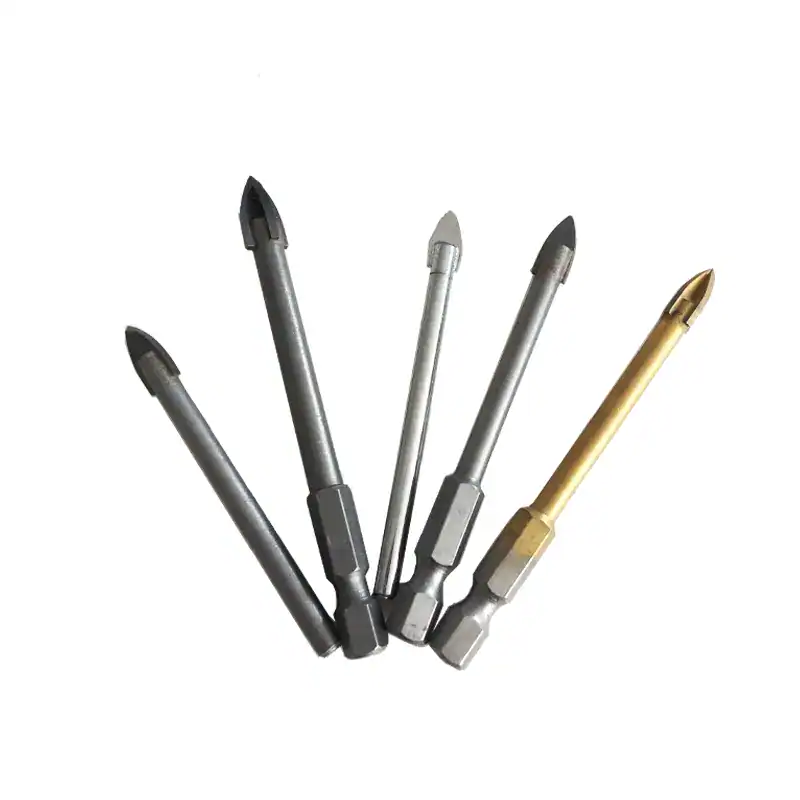
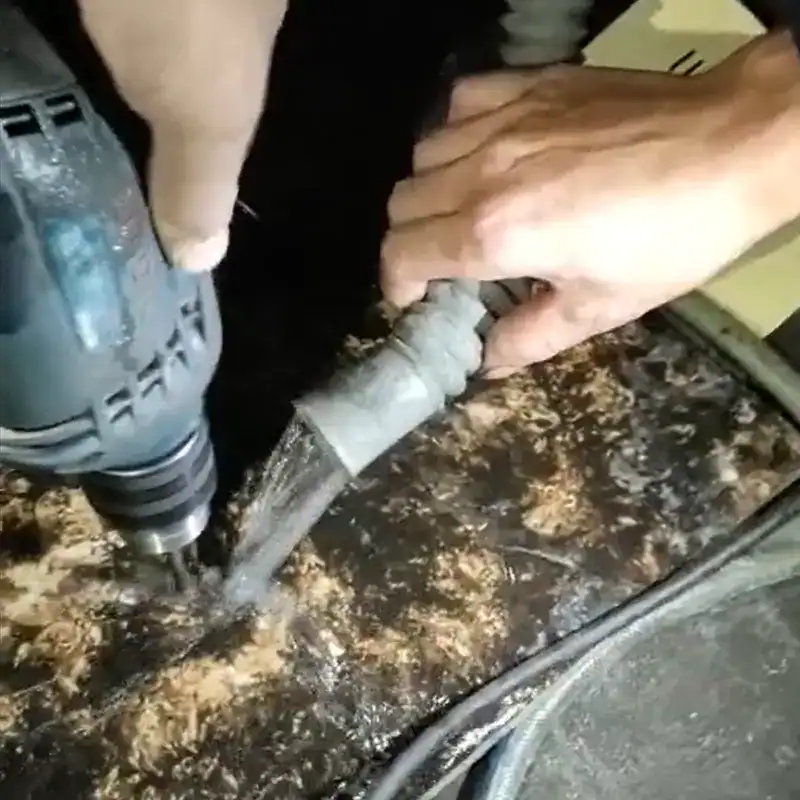
Choosing the Right Carbide Hole Cutter
Selecting the proper carbide hole cutter requires understanding your material and project specifics. Carbide-tipped hole saws excel in cutting abrasive materials that would quickly dull standard tools.
For professionals drilling with fiber cement, ceramic tiles, or hardened steel, carbide cutters provide unmatched durability. The tungsten carbide teeth maintain sharpness 5-8 times longer than bi-metal in these tough applications.
Step-by-Step Guide to Drilling Holes
Follow this tutorial to get professional drilling in glass and tile. Start with surface preparation, and make sure you:
- Mark the desired location with a marker and use a center punch to create a small
- Place the tipof your glass and tile drill bit on the mark.
Turn on your drill and begin to slowly bore into the grooves with minimal pressure. Use continuous water cooling to cool the bit and materials, preventing overheating. Once past the surface, power up as you apply pressure. Do not push the drill, and allow the bit to do the cutting. After drilling through, clean out the hole and check for any chips or cracks. This process allows for a clean, exact hole.
How to Use Glass and Tile Drill Bits
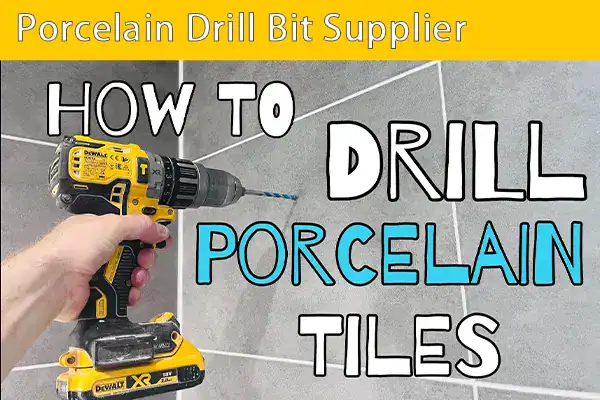
How To Drill Ceramic Tile And Porcelain
When it comes to ceramic or porcelain tile, you definitely want the best drill bit for the job. In the case of ceramic tile, a carbide-tipped bit should be enough, while with porcelain tile, use a diamond bit as it is much harder.
Make sure the drill bit is the same size as the hole you’d like. Cool the bit and tile by removing the bit once water is depleted or becomes too hot. Water will keep both your glass and bit cool to reduce friction caused during drilling; failure to use water as a coolant in high temperatures can cause damage to both your drill bit and the glass. Begin by slowly drilling, then increase the speed to both manage the cut and make it cleaner. The characteristics of the towel will also determine which one is best for your project.
Hollowing Out Bottles and Other Glass Objects
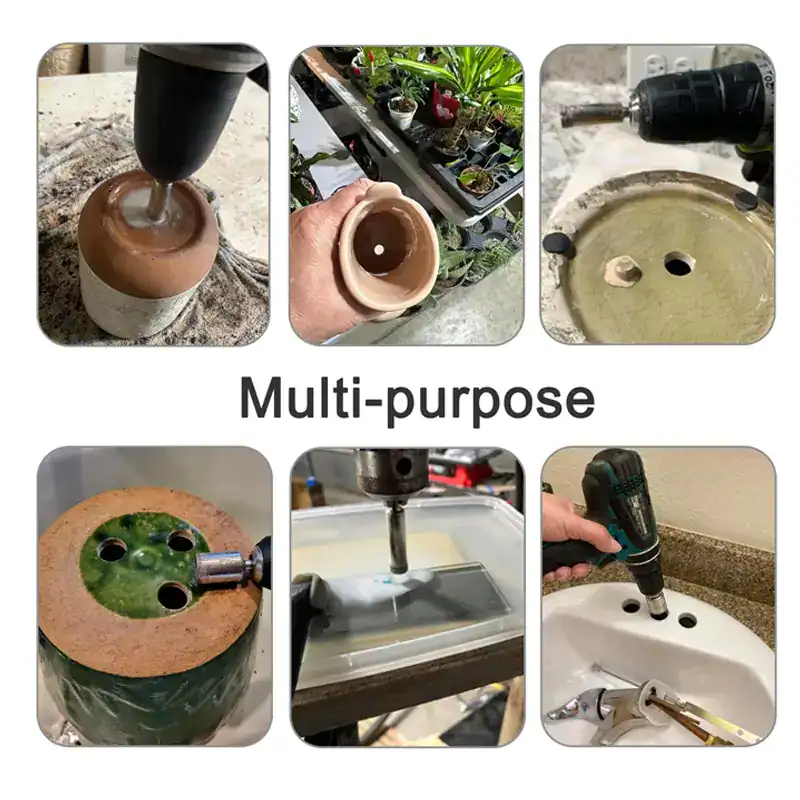
Punching holes in glass objects, such as bottles or Decorator Glass. The diamond drill bit is the best bet for “clean” holes. Begin by making a mark on the spot where you want to drill, tapping gently with the bit to make an indentation that will guide the drill. Continue to soak the glass in water or splash with a steady stream of water to cool the drill bit and prevent it from overheating, which can cause the glass to crack. Use a slow speed with very light pressure and let the diamond grit slowly cut into the material. Do not apply all the pressure you have because that would make the glass break.
Glass and Tile Drill Bit Buying Guide
Why Choose Our Glass and Tile Drill Bits?
Our glass drill bits are the best in quality and drilling performance for making holes in glass. Each bit is manufactured to exacting specifications and features a precision-ground, high-grade diamond grit for maximum cutting performance and long life. Whether you need to drill glass, tile or ceramic tile, our glass and tile bits give you what you need.
Customization and OEM Service
We also provide OEM & customization services to our clients. If you need custom sizes, shank designs, or diamond grit configurations, our engineering team will provide made-to-order glass drill bits designed to meet your specific requirements. We offer a full branding opportunity with our OEM service, and you can market our premium product as your own. We know that different projects call for different applications, and we take pride in designing tooling very closely with our clients to provide the right glass and tile drill bit product suite for your target market. We offer flexibility and performance—the best of both worlds, for your project—whether you need an advantage drill solution for hard materials (including carbide, diamond) or to ensure compatibility with certain offset drill models. This results in efficient cutting of glass.
Quality Control and Certifications
Quality is the core of the product, regardless of what kind of glass you’re drilling. We insist on a strict production process. It is that all bits stay cool/long whilst working, and have always been long-life drill bits. From choosing the excellent materials through to the strict quality control, we stand at the front of our products!