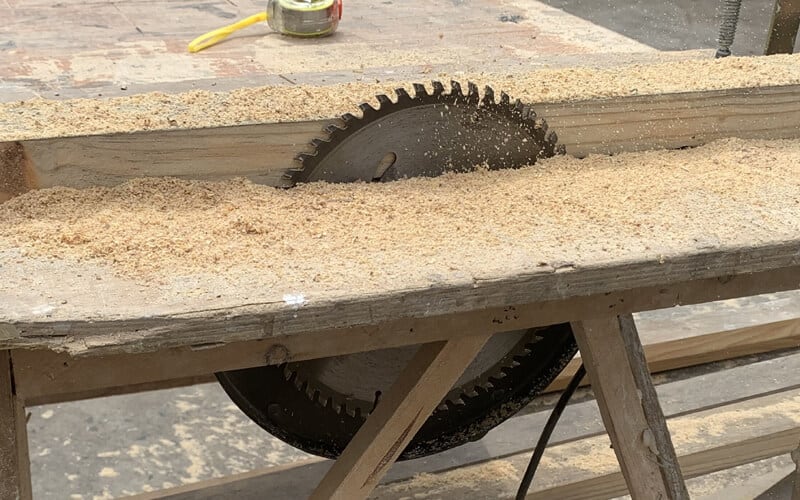
Have you ever wondered how a high-speed steel twist drill bit1 is made? From raw material selection to advanced finishing, the journey of a broca involves a blend of materials science, mechanical engineering, and precision manufacturing. Understanding this process can help procurement specialists, engineers, and tool users make informed choices about tool sourcing and performance.
The manufacturing process for HSS twist drill bits begins with alloy selection and progresses through shaping, flute creation, heat treatment, grinding, and surface coating. Every stage is engineered to maximize cutting efficiency, tool life, and reliability across industrial applications.
Drill bits may appear simple, but the details behind their production reveal critical factors that influence quality, durability, and cost. Let’s dive deeper into every phase of the HSS twist drill bit manufacturing process, from material science to industrial use cases.
Overview: Twist Drill Bit Manufacturing
Manufacturing a drill bit is a multi-stage process, each step influencing the performance and longevity of the finished tool.
Manufacturing HSS drill bits involves selecting high-alloy steel, precise shaping, accurate flute machining, controlled heat treatment2, and advanced coatings. Each stage ensures optimal hardness, edge life, chip evacuation, and surface finish.

Unlike simple sharpening or stamping, professional drill bit production demands robust process control and strict adherence to technical standards like ISO, DIN, and ANSI.
What Is an HSS Drill Bit and Why Is It Preferred?
HSS drill bits set the standard for industrial hole making, thanks to their material properties and engineered design.
An HSS drill bit is a rotary cutting tool made from high-speed steel alloy known for retaining hardness under high heat. It can drill steel, non-ferrous metals, plastics, and wood at high production rates.

The combination of tungsten, chromium, molybdenum, cobalt, and vanadium3 delivers exceptional wear resistance, toughness, and red hardness required by modern industry. HSS is the global benchmark for cost-effective, high-volume drilling operations.
Variants: Types of Drill Bits Made from HSS
HSS is the base material for a wide spectrum of drill bit geometries, each suited for particular tasks.
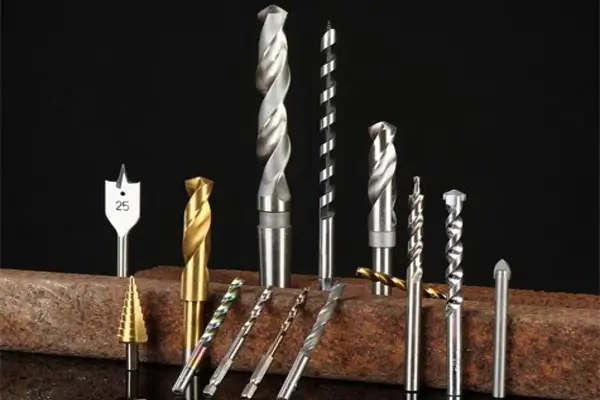
Typical HSS drill bit types include standard twist drills, step drills, brad point designs for wood, center drills, reamers, and hole saws for large diameter cuts. Each features custom flute shapes, point angles, and shank types to suit the machine and material.
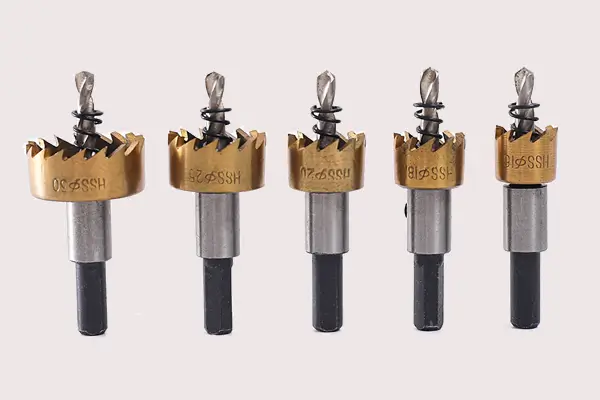
Engineers select bit type based on material, hole size, desired finish, and machine compatibility. HSS’s adaptability supports this specialization, while maintaining affordable costs and consistent performance.
Why High-Speed Steel Is Essential for Drill Bit Manufacturing
Material selection determines key performance indicators like edge retention, cutting efficiency, and resistance to breakage.
High-speed steel is engineered for drilling due to its high hardness, wear resistance, and ability to keep a sharp edge under continuous thermal and mechanical stress. Alloy composition (W, Mo, Co, Cr, V) enables fine grain structure, optimizes tool life, and supports high cutting speeds.
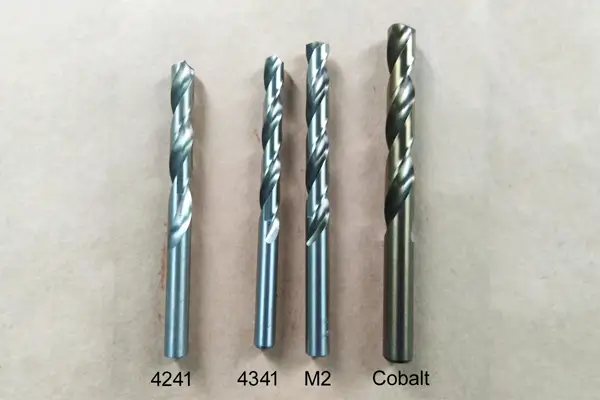
Detailed metallurgical analysis, including optical emission spectroscopy, ensures alloys meet technical standards. HSS outperforms Aço carbono in both cutting speed and resistance to plastic deformation, making it indispensable in automotive, aerospace, and construction industries.
Raw Materials and Metallurgical Preparation
The process starts with precisely blended steel—a high-performance alloy created under strict conditions.
HSS billets are produced from steel melts, with controlled additions of tungsten, cobalt, molybdenum, chromium, and vanadium. Each element enhances cutting edge stability and reduces wear in aggressive machining environments. Billets are hot rolled to size and inspected for internal flaws using ultrasonic and magnetic particle testing.
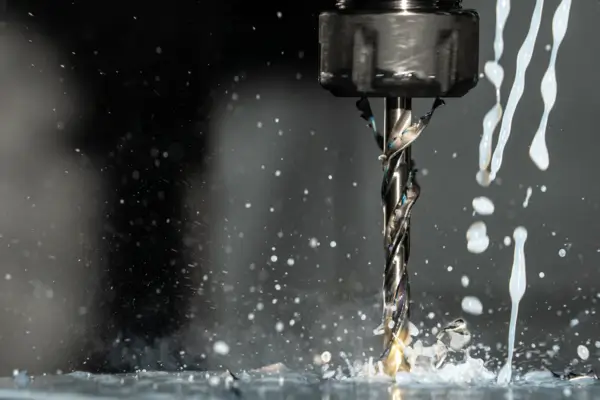
Consistency and purity of raw materials directly affect drill bit strength, reliability, and ability to maintain tight tolerances in advanced manufacturing.
Detailed Steps in the HSS Twist Drill Bit Manufacturing Process
The transformation from blank steel to a finished drill bit is managed by a series of precision steps:
1. Blanking & Cutting:
Steel rods are cut to length to form the bit blank. Size depends on the intended diameter and shank type.
2. Flute Forming:
Three primary methods dominate:
- Milling: Most common for diameters 2.5–70mm. Specialized form cutters carve spiral grooves, shaping flutes prior to heat treatment.
- Rolling: Uses heated blanks and mechanical deformation. Reduces material consumption, increases production rate (up to 20x versus milling), but sacrifices geometric accuracy after heat treatment.
- Grinding: State-of-the-art, used for diameters <15mm, delivers superior finish and tolerance. Post-heat treatment grinding minimizes distortion and provides sharp, accurate flutes.
3. Point Forming & Tip Grinding:
Point angle and chisel edge geometry are set via CNC grinding, individualized for specific materials (118° for general, 135° for steel).
4. Heat Treatment (Quench & Temper):
Drills are heated to 1200°C for austenitization, then rapidly quenched (oil, air, or salt bath). Tempering relieves internal stress, improves toughness, and refines the martensite microstructure.
5. Straightening & Finish Grinding:
Any warpage is corrected. Secondary grinding delivers final edge sharpness and precise size.
6. Coating Application:
Drill bits may be coated with TiN, TiAlN, TiCN, or oxide to increase wear resistance, lower friction, and extend service life by up to 3x.
7. Marking and Inspection:
Bits are laser-marked with size, standard, and lot codes. Automated vision, profile inspection, and hardness testing ensure ISO or DIN compliance.
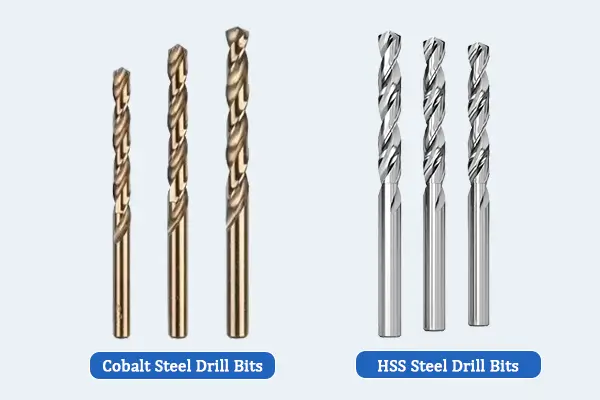
Each stage supports tight dimensional control, consistency, and high efficiency, with material traceability and real-time process monitoring.
Technical Comparison of Flute Manufacturing
| Processo | Ra Edge Band | Ra Flute | Flap Symmetry | Radial Runout | Production Rate (units/hr 12mm) | Service Life (holes, VB=0.15mm) |
|---|---|---|---|---|---|---|
| Milling | 4.6 μm | 8.6 μm | 0.105 mm | 0.05 mm | 18 | 28 |
| Rolling | 6.5 μm | 12.5 μm | 0.301 mm | 0.08 mm | 250 | 25 |
| Grinding | 2.5 μm | 3.2 μm | 0.03 mm | 0.01 mm | 98 | 51 |
Grinding delivers best finish, minimal runout, and longest tool life, but is most expensive and suited for small sizes.
Role of Heat Treatment
Heat treatment is the key to red hardness and edge stability.
Precise control of heating, quenching, and tempering ensures drill bits achieve optimal hardness (62–65 HRC) and resistance to fatigue and fracture. Modern factories employ automated furnaces and digital temperature monitoring for repeatability.

Careless heat treatment can result in soft drills, reduced wear resistance, and unpredictable breakage.
Twist Drill Design: Engineering for Cutting Efficiency
Drill bit performance depends on engineering the right geometry—for flutes, helix angle, point angle, web thickness, and relief.
**- Helix angle influences chip removal: 20–30° for general use, >35° for deep holes in aluminum
- Point angle selects material: 118° for soft, 135° for hard
- Web thickness and relief balance strength and sharpness
- Shank styles (straight, tapered, hex) match machine chuck and torque requirements**
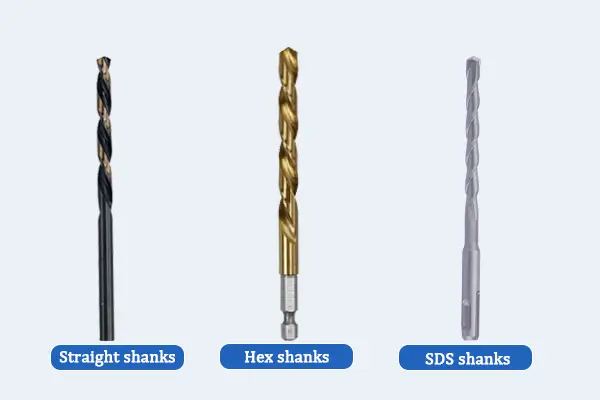
CNC controls, laser measurement, and simulation tools deliver drill bits that maximize metal cutting and minimize vibration or runout.
Bit Size and Shank Variations
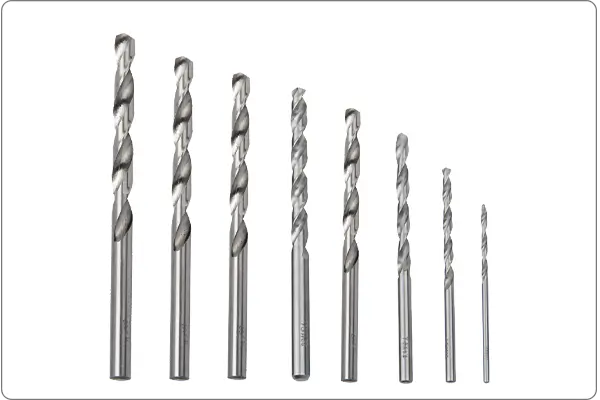
HSS drills range in size from sub-millimeter (microelectronics) to custom large-diameter (heavy industry).
**- Metric and imperial sizing
- Fractional, wire gauge, letter sizes
- Straight shanks for standard chucks
- Tapered or hex shanks for specialized applications**
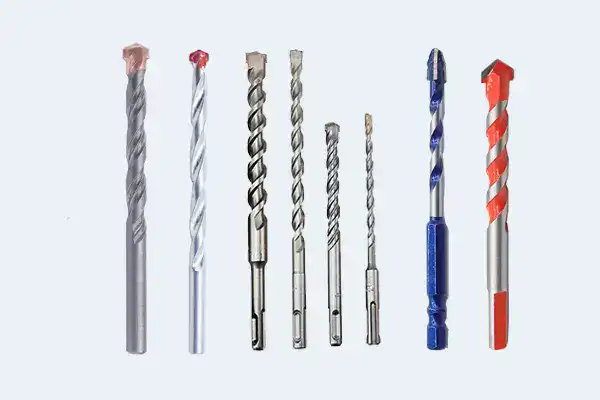
Procurement teams select based on hole geometry, machine holder compatibility, and the material to be drilled.
Advanced Coating Technologies
Modern drill bits often feature advanced coatings:
| Revestimento | Appearance | Functional Benefit | Recommended For |
|---|---|---|---|
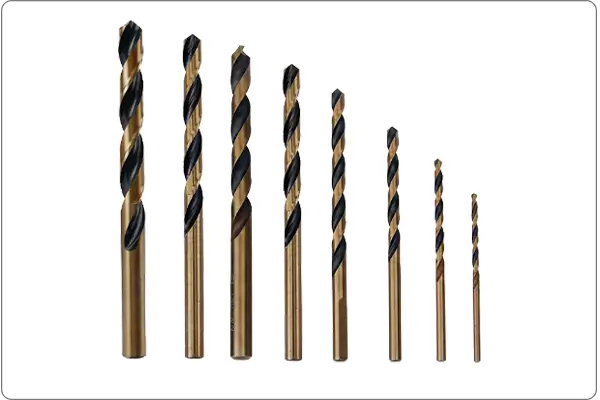
| Lata | Ouro | Lubricity, wear resistance | Mild & alloy steels |
| TiAlN | Dark purple/black | Heat resistance | Stainless, abrasive metals |
| TiCN | Blue-gray | Toughness | High alloy, hard steel |
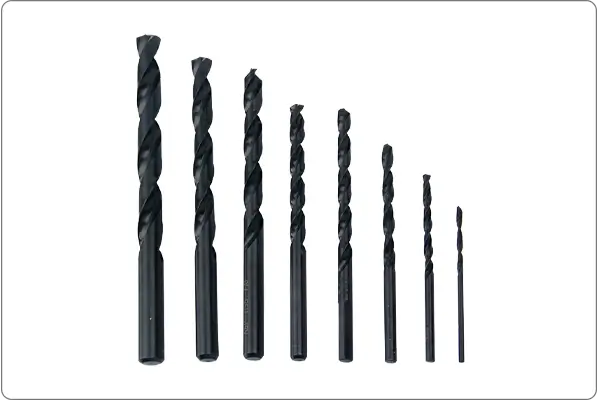
| Oxide | Preto | Fluid retention, low friction | General steel |
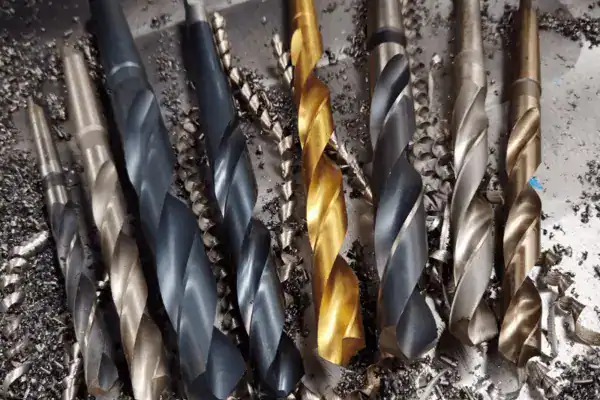
Nano-coatings now appear in high-performance bits, and R&D continues to push edge life and speed limits.
Factors Influencing Tool Wear and Performance
Drill bit failure comes from heat, abrasive contact, misaligned cutting, and insufficient cooling.
Prevent tool wear by optimizing feed/speed rates, using appropriate coolants, selecting correct bit geometry, and inspecting wear regularly. Resharpening programs and predictive maintenance cut costs and downtime.

Tool life depends on both manufacturing quality and smart operation. Procurement managers can boost ROI by matching use to specification.
Precision Drilling Applications
High tolerance industries require precise, repeatable holes. Achieving accuracy involves selection, setup, and operations:
**- Use sharp, properly ground HSS bits
- Utilize um punção de centro ou furos-guia para localização.
- Aplique taxas de alimentação e refrigeração controladas.
- Garantir uma fixação segura da peça e minimizar a vibração.
- Prefira brocas revestidas para tarefas repetitivas em metais duros.**
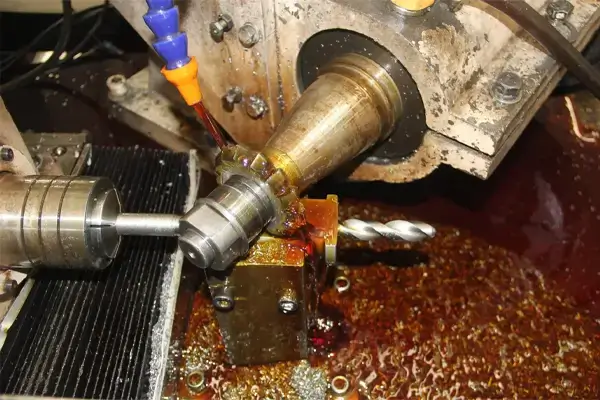
Práticas consistentes de aquisição e usinagem garantem a qualidade nos setores aeroespacial, médico e automotivo.
Comparação de brocas de aço rápido (HSS), carboneto e cobalto
| Modelo | Dureza (HRC) | Resistência ao calor | Custo | Reafiável | Ideal para |
|---|---|---|---|---|---|
| HSS | 62–65 | Moderado | Baixo | Sim | Uso geral |
| Cobalto | 66–70 | Alto | Médio | Sim | Ligas resistentes |
| Carboneto | >75 | Muito alto | Alto | Não | Metais ultraduros |
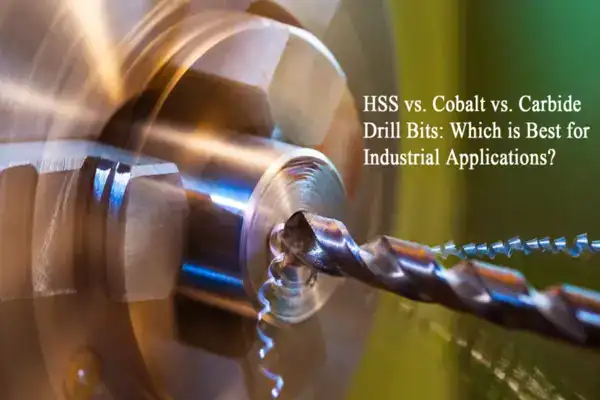
Cobalto e brocas de carboneto O aço rápido (HSS) se destaca onde o HSS não consegue — metais duros, desgaste extremo ou ultraprecisão. Mas o HSS continua sendo a principal opção para a maioria das aplicações, graças ao seu custo e versatilidade.
Aplicações industriais comuns para brocas HSS
As brocas HSS são ferramentas essenciais em todos os setores de manufatura e construção.
**- Automotivo: blocos de motor perfurados, chassis, suportes
- Aeroespacial: componentes de alumínio e titânio
- Construção: aço, madeira, plásticos
- Eletrônica: placas de circuito impresso, conectores
- Engenharia geral: máquinas, ferramentas, ferragens**

As especificações de aquisição refletem os materiais, o ciclo do processo, as metas de custo e a conformidade com as normas do setor.
Impacto econômico e eficiência do processo
A seleção do processo influencia o custo, a velocidade e a vida útil:
| Método | Economia de Materiais | Custo do equipamento | Produtividade do Trabalho | Taxa de sucata | Inscrição |
|---|---|---|---|---|---|
| Milling | Padrão | Alto | Baixo | Moderado | Prototipagem, baixo volume |
| Rolling | Até 30% | Médio | Muito alto | Mais alto | Produção em massa |
| Grinding | Padrão | Alto | Alto | Mais baixo | trabalhos de precisão |
A retificação é preferida para trabalhos que exigem precisão e aplicações de alto valor agregado; a laminação maximiza a eficiência do material em larga escala.
Tendências futuras na tecnologia de brocas de perfuração
Inovação em broca A produção industrial está se acelerando, impulsionada por materiais avançados, sensores e design automatizado:
Revestimentos nanocompósitos para extrema durabilidade e velocidade.
- Brocas inteligentes com monitoramento de desgaste baseado em sensores
- Fabricação aditiva para geometrias personalizadas
- Otimização CNC para perfis de flauta complexos
- Fabricação sustentável para reduzir o impacto ambiental**

Líderes de mercado investem em P&D para ligas de grãos ultrafinos, geometria de torção adaptativa e redução dos custos de energia na produção. A equipe de compras deve monitorar novas tecnologias e normas para manter a competitividade e a conformidade.
Solicite sua amostra grátis



Conclusão
o HSS twist drill bit O processo de fabricação demonstra a importância da engenharia de materiais, do projeto de precisão e da inovação de processos. Da composição da liga à retificação e revestimento avançados, cada etapa impacta a vida útil da ferramenta, a precisão e o custo. Equipes de compras, engenheiros e operadores que compreendem esse processo podem otimizá-lo. cadeias de suprimentos, menor custo total de propriedade e garantir confiabilidade em
-
Compreender o processo de fabricação de brocas helicoidais de aço rápido pode ajudá-lo a tomar decisões mais informadas sobre a qualidade e o desempenho da ferramenta.↩
-
O tratamento térmico aumenta a dureza e a durabilidade das brocas, garantindo um bom desempenho em condições de alta tensão.↩
-
Esses elementos contribuem para a resistência ao desgaste, a tenacidade e a resistência ao calor das brocas, tornando-as adequadas para tarefas exigentes.↩