Choosing the wrong broca wastes effort and money. Bits that dull, snap, or wander make any job longer and riskier. Knowing the key differences unlocks better results for every project.
Industrial drill bits1 offer far greater durability, precision, and long-term value, while DIY bits2 provide affordable options for basic tasks. Understanding both helps you pick the right bit and avoid costly mistakes.

Most tool buyers just want their drill to work—no drama, no surprises. I’ve worked with frustrated homeowners and demanding workshop crews. The right bit does make all the difference. Here are five benefits to help you make smarter choices every time.
Which Drill Bit Type Lasts Longer and Handles Tough Jobs Best?
Working on hard metal, masonry or frequent drilling wears out regular bits fast.
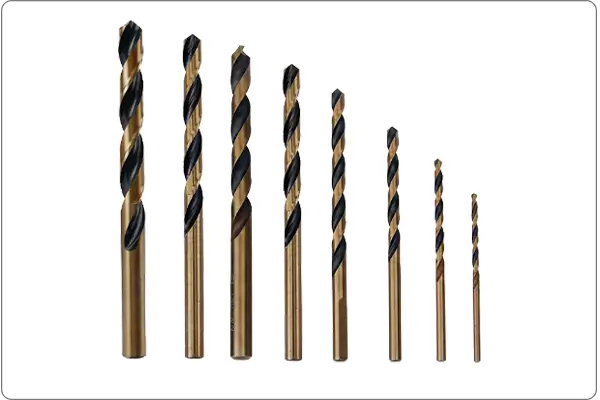
Industrial drill bits are built to last. They use cobalt or carbide to resist heat, friction, and tough material, so you get more holes per bit. DIY bits suit light tasks but wear quicker if pushed.

Industrial-grade bits are the clear pick for aço inoxidável, cast iron or thick concrete. They cost more upfront, but they need replacing far less often. DIY bits2 are fine for wood or plastic, but heavy work chips, bends or dulls them quickly. For repeated, tough jobs, industrial pays off.
Dive Deeper: Durability Table
| Bit Type | Material | Durabilidade3 | Ideal Use | Replace Frequency |
|---|---|---|---|---|
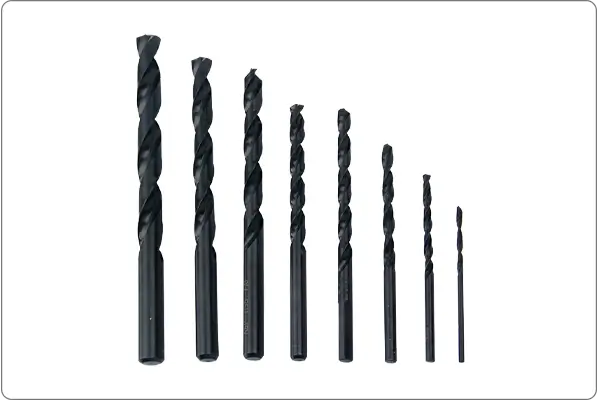
| DIY | HSS | Moderate | Wood, plastic, drywall | Frequent |
| Industrial | Cobalt/Carbide4 | Very High | Steel, Cast, Masonry | Rare |
Which Bits Work on Difficult Materials?
Drilling into steel, brick, or tile is a real test. Some bits burn out instantly.
Industrial drill bits are made for tough materials. DIY bits handle common home fixes, but struggle with hard steel or stone.

Industrial bits use robust designs and stronger tips to cut smoothly through the toughest jobs. Features like split point or carbide tips make precise starts and stop slipping. For general home projects, DIY bits do fine—wood, drywall, plastic and soft metals are safe bets. As soon as your job demands more, only industrial bits reliably perform.
Dive Deeper: Performance Table
| Bit Type | Handles Well | Limited On | Special Feature |
|---|---|---|---|
| DIY | Wood, plastic | Steel, stone, concrete | Standard point |
| Industrial | Metals, masonry | None (if matched) | Precision split point |
Which Bits Are Most Cost Effective Over Time?
Low price is tempting. But replacing poor bits quickly racks up expense.
DIY bits give instant savings for small, easy tasks. Industrial drill bits cost more upfront but last longer, lowering replacement cost for professionals or regular users.
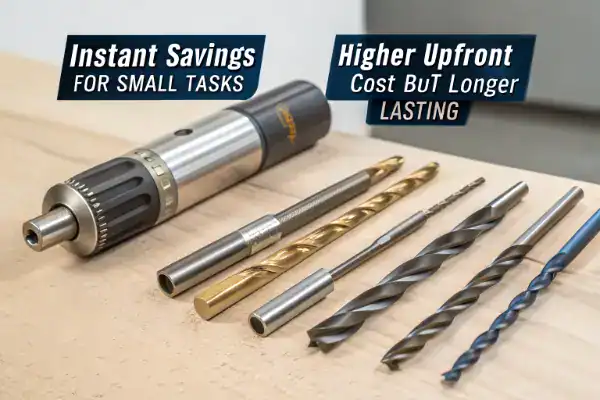
Occasional users get good mileage from affordable sets of HSS bits5. But heavy use, or tough materials, ruins them swiftly. Every replacement set eats into savings. Spending more for industrial-grade bits pays back with fewer replacements and steadier project flow. Long-term, pros prefer higher-grade options.
Dive Deeper: Cost Comparison Table
| Use Case | DIY (HSS) | Industrial (Cobalt/Carbide) |
|---|---|---|
| One-off light repair | Lowest cost | Overkill |
| Frequent hard jobs | Replaces often | Lasts much longer |
| Mixed home use | Best for basics | Great for demanding tasks |
Which Drill Bits Offer Better Precision and Safety?
Messy holes or a bit that “walks” across the material are common problems.
Industrial bits offer greater precision and less walking. They use split points or better tip geometry for clean, safe starts—even on metal or stone.

Precision matters for cabinetry, metalworking, and repair jobs that require neat results. Industrial bits are designed to cut fast and straight with less effort. DIY bits are fine for rough work but risk wandering and creating burrs, especially at higher speeds or on slick surfaces.
Dive Deeper: Precision Table
| Bit Type | Starting Accuracy | Finish Quality | Slip Risk |
|---|---|---|---|
| DIY | Basic | Fair | Médio |
| Industrial | Excellent | High | Low |
How Do You Choose the Right Drill Bit for Each Job?
Not everyone needs an expensive kit—know what’s right for your regular tasks.
DIY drill bits work for quick fixes—wood, drywall, soft metals. For tough, repeated work, industrial bits are worth the investment. Choose the best fit for your materials and frequency.
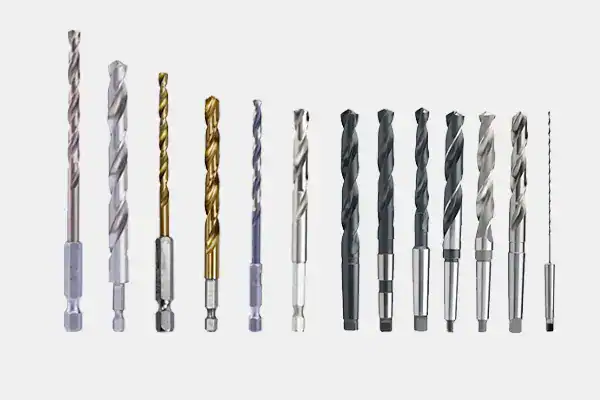
For common repairs, an affordable HSS set serves you well. If you regularly drill steel, masonry, or heavy-duty hardware6, you need cobalt or carbide bits7. Professionals and frequent DIYers avoid downtime and waste by picking quality up front.
Dive Deeper: Selection Table
| Project Type | Recommended Bit | DIY or Industrial? |
|---|---|---|
| Hanging shelves | HSS | DIY |
| Drilling steel | Cobalto | Industrial |
| Concrete anchors | Carbide masonry | Industrial |
You Can Send Us Your Request



Conclusão
Industrial brocas excel in durability, material handling, long-term value, and precision. DIY bits give good service for light, easy projects. Match your choice to your job and frequency for fewer problems, better results, and lower overall cost.
-
Explore the benefits of industrial drill bits for durability and performance in tough materials. ↩
-
Learn when DIY bits are suitable for light tasks and how they compare to industrial options. ↩ ↩
-
Understand the importance of durability in drill bits for long-lasting performance. ↩
-
Discover the materials and applications of Cobalt and Carbide drill bits for tough jobs. ↩
-
Explore this link to understand how HSS bits are ideal for wood, plastic, and drywall, offering a cost-effective solution for light DIY tasks. ↩
-
Discover the best drill bits for heavy-duty hardware to ensure durability and precision in demanding projects, saving time and reducing replacement costs. ↩
-
Explore this link to understand why cobalt or carbide bits are essential for tough materials, offering durability and precision for demanding projects. ↩