Your Best Reliable HSS Drill Bits for Stainless Steel Manufacturer and Supplier
- Your Trusted Partner in Premium Hardware Tool Manufacturing
- 15+ Years of Excellence in Hardware Manufacturing
- Wholesale Hardware Sets at Factory-Direct Prices
- OEM & Private Label Services | EN12413 Certified
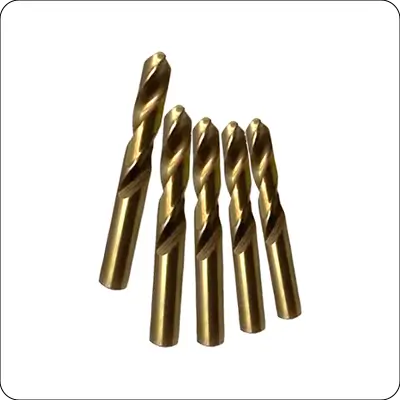
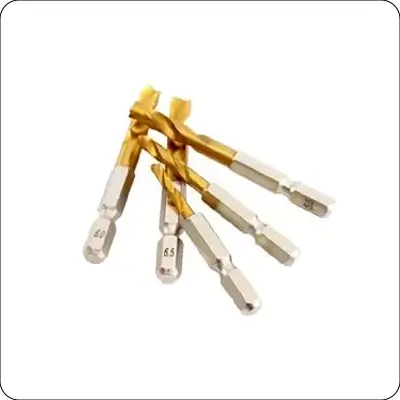
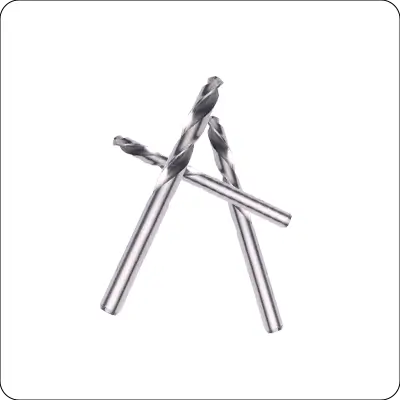
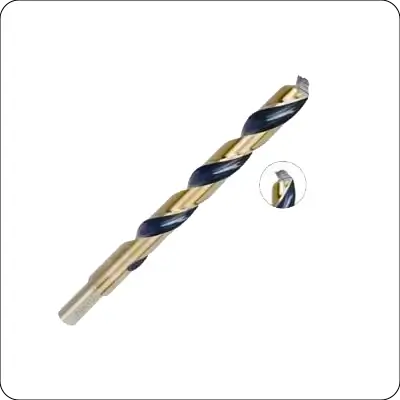
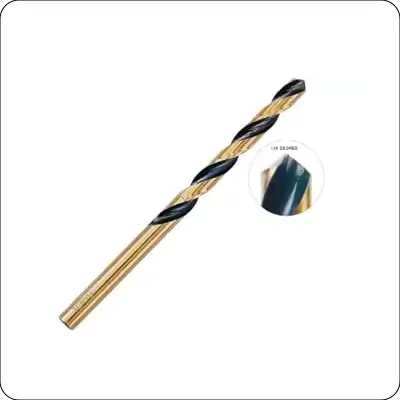
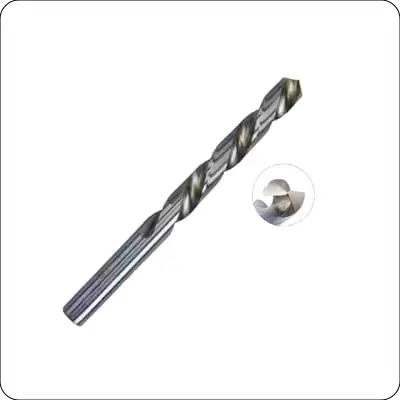
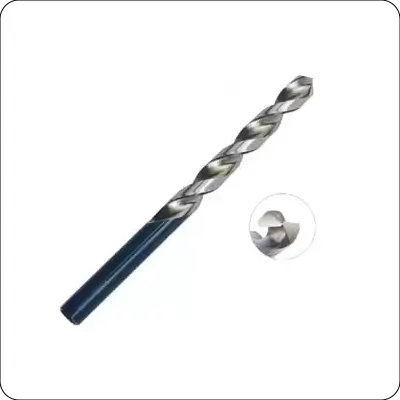
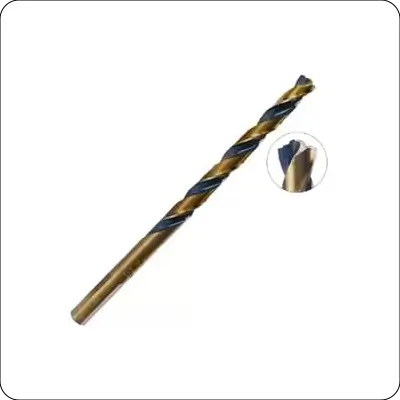
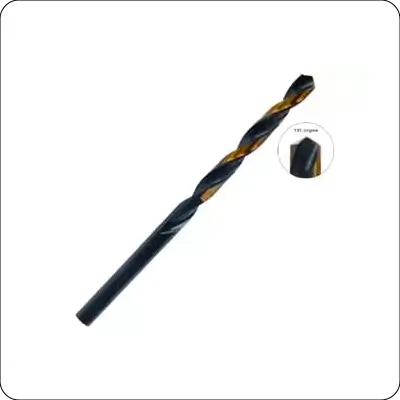
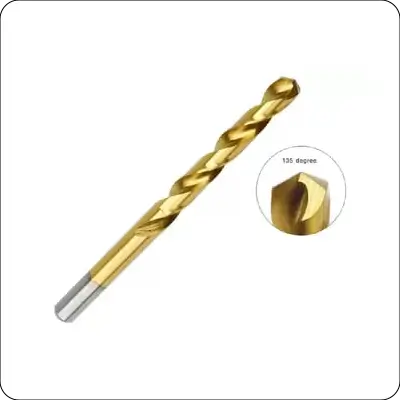
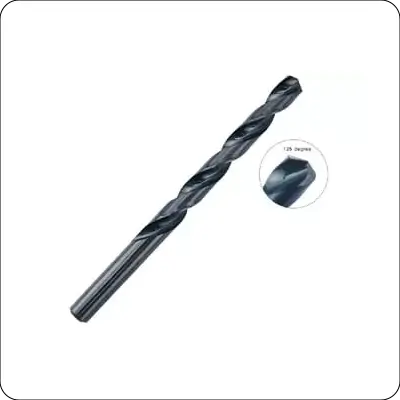
The HSS Drill Bits for Stainless Steel Produced by Our Factory
The manufacturing process of HSS Twist Drill Bit
Raw Material Cutting
Coarse Grinding
Fine Grinding
Shank Grinding
Double Angle
Angle Grinding
Flute Edge Grinding
Sharping Edge
Inspection process for HSS Twist Drill Bit
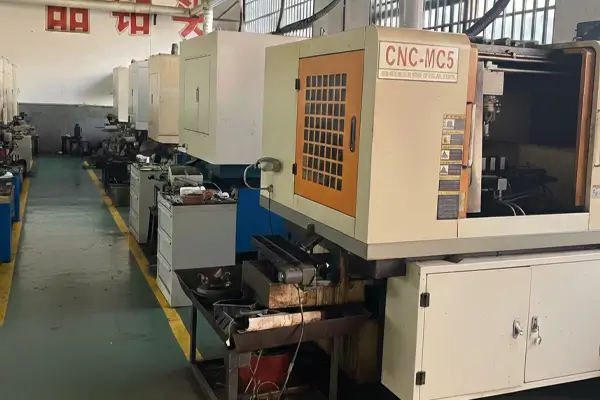
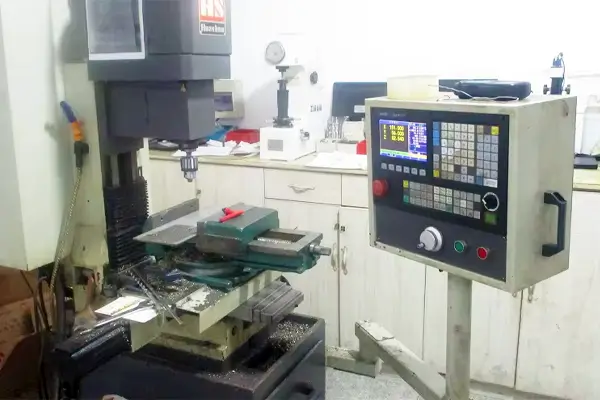
Numerical Control Drilling And Milling Machine
YVM
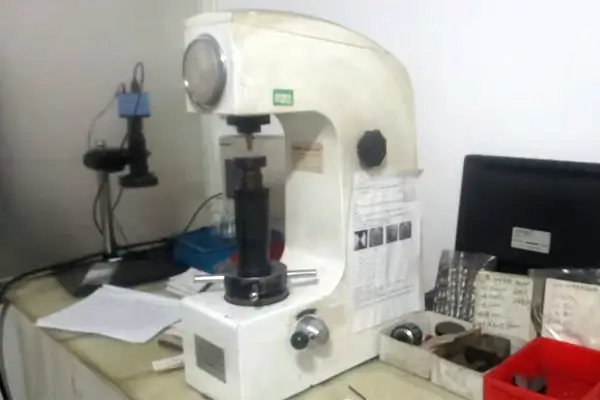
Hardness Tester
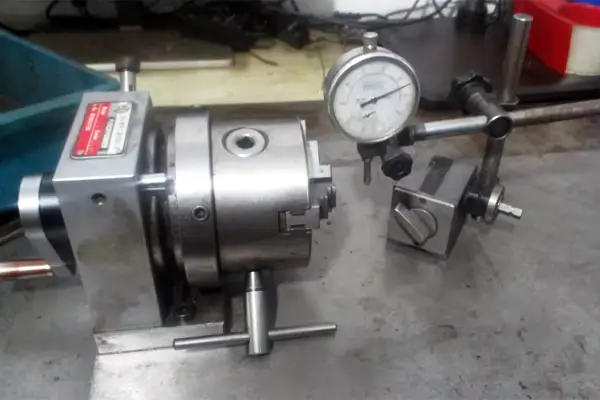
Punch Former
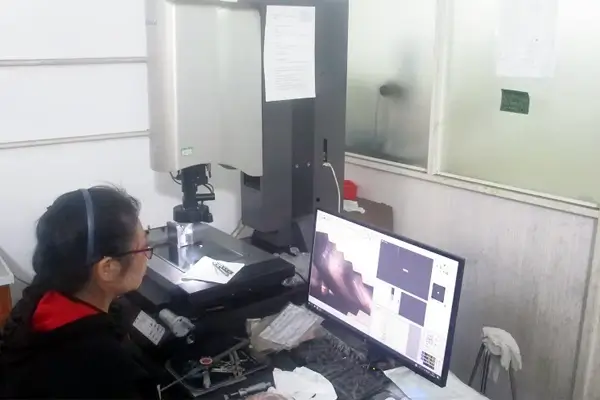
5-Axis Inspection
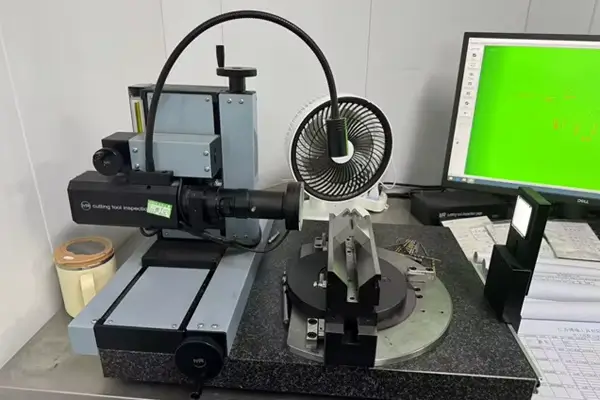
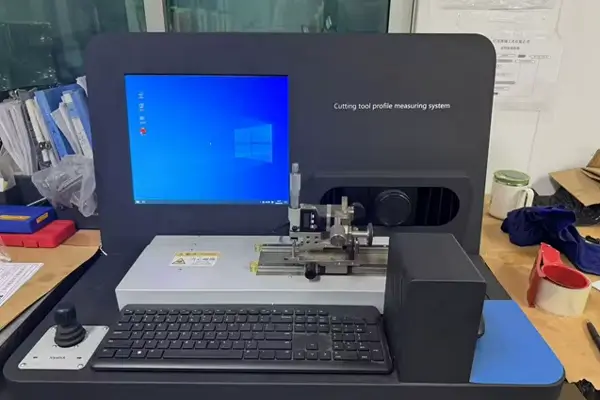
Cutting Tool Profile Measuring System
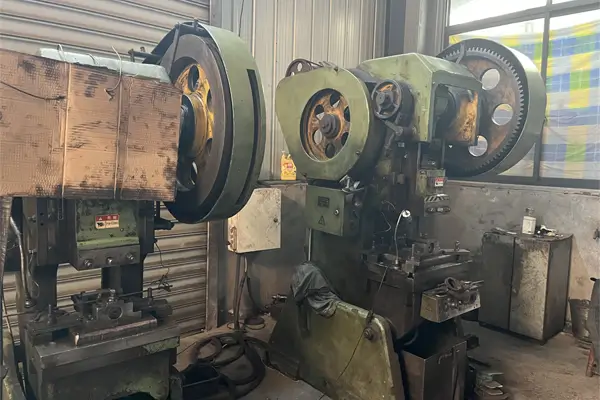
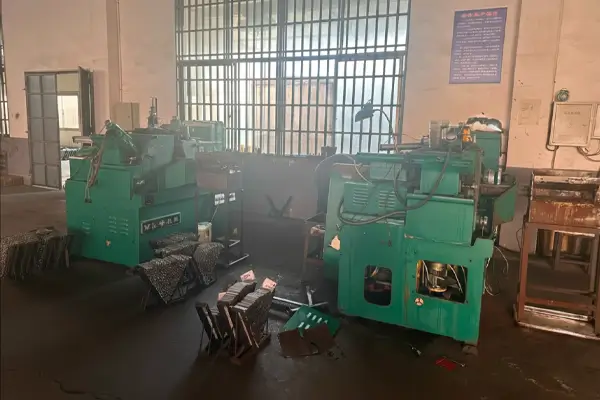
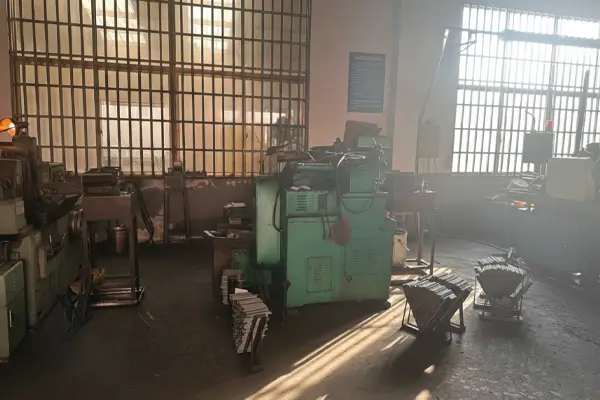
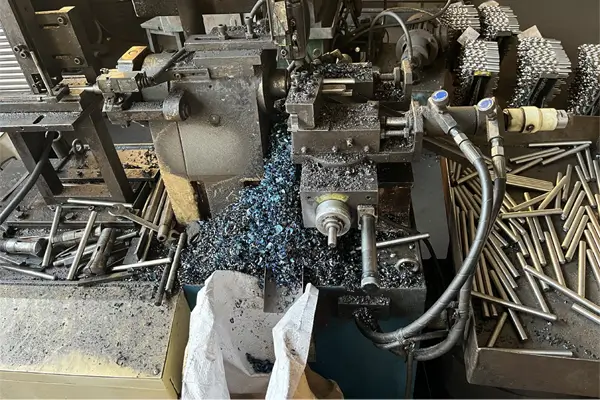
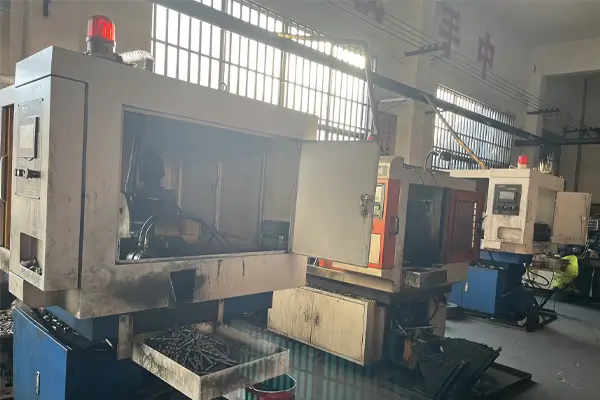
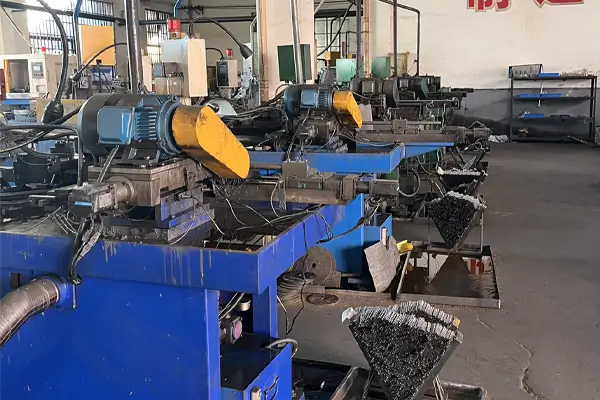
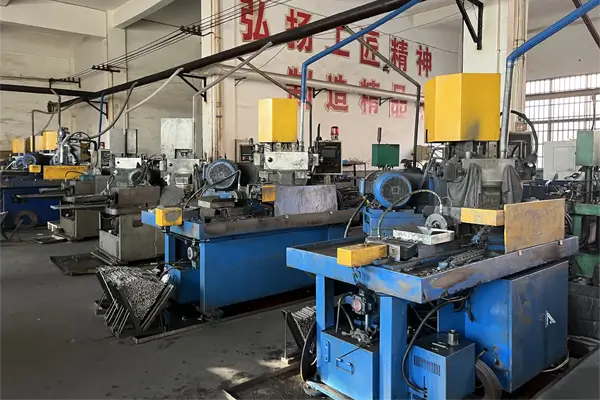
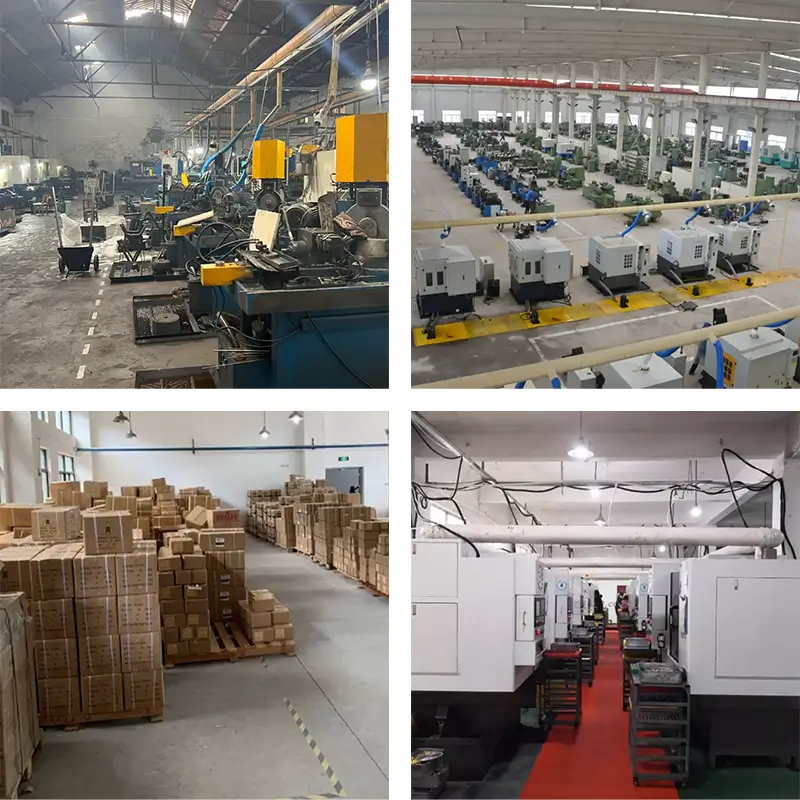
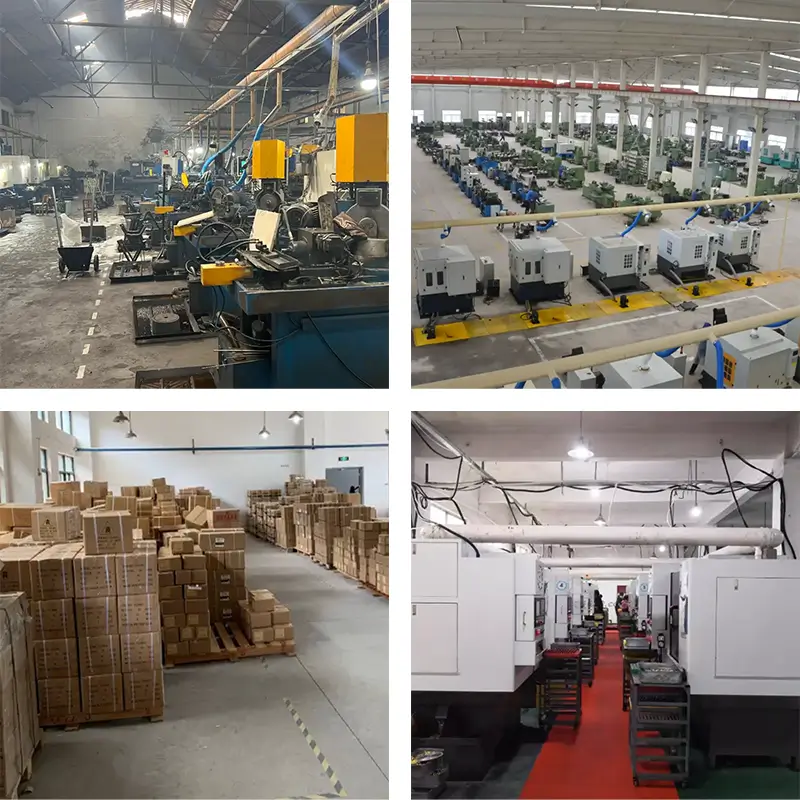
Tenyu Tool Professional Production Workshop for HSS Drill Bits for Stainless Steel
Support online face-to-face factory visits
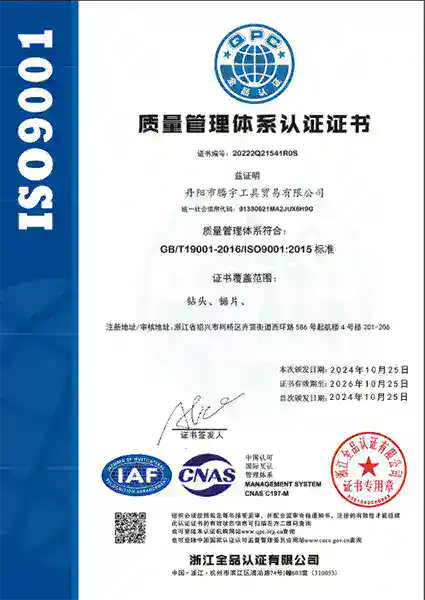
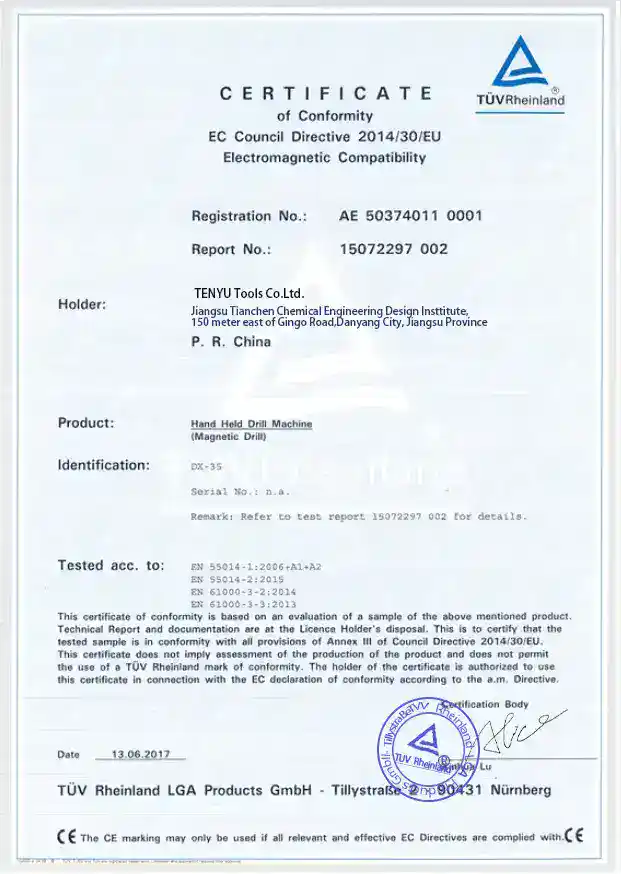
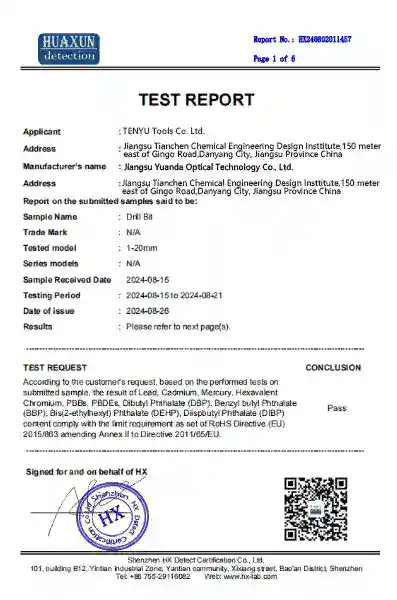
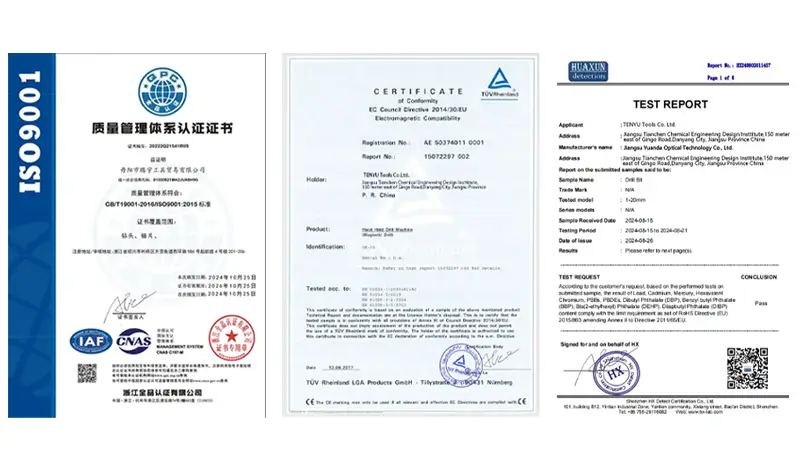
Qualification Certificate
Third-Party Verified Excellence: Engineering Confidence Into HSS Drill Bits for Stainless Steel
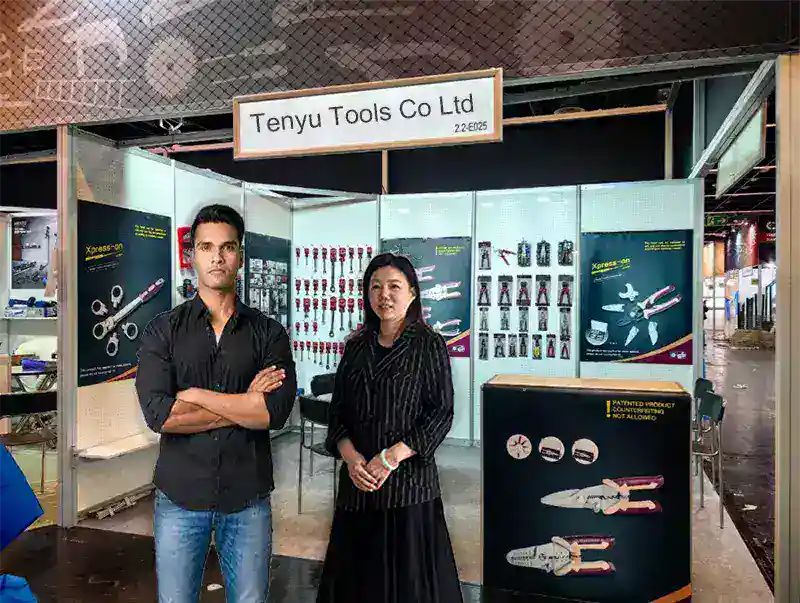
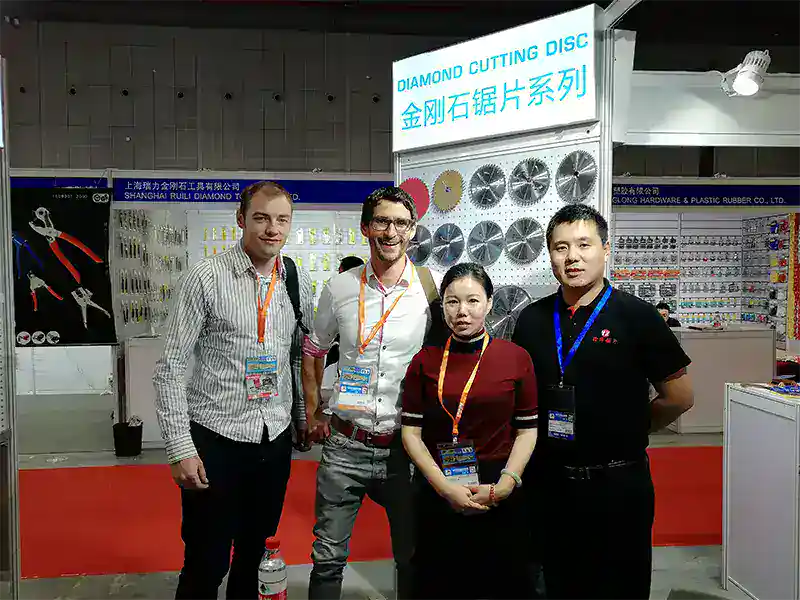
Voice of the World Exhibition
Tenyu Tool actively participates in trade shows around the world and visits our customers, we get closer to them and get more opportunities to present our hss drill bits for stainless steel.
FAQs about: HSS Drill Bits for Stainless Steel
For 316 stainless steels, the HSS Co drill bit including the M42 grade of HSS Co bits are generally recommended. The high cobalt content offers increased heat resistance, so the drill will not lose its temper as quickly. These bits are also great for drilling into stainless steel which many similarly priced sets seem to struggle with producing a clean over sized hole. To do so, selecting the right drill bit is very important.
It is possible to use existing high-speed steel drills (HSS) on stainless steel, but the work results can be unsatisfactory. The regular type HSS drills are insufficient hardness and heat resistance when you need to drill into weighty and dense materials such as stainless steel.The extent of wearing is only related to standard HSS bits. The best drill bits are always cobalt and carbide enhanced. There are multiple kinds of bits that work for different applications.
Drill bit burnout when drilling into stainless steel is usually caused by the heat generated via friction. With its low thermal conduction stainless steel does not dissipate heat and HSS or steel drills will overheat. To reduce this problem, it is possible to use high-speed steel bits with cobalt, use cutting fluid (for lubrication or cooling) and rotate the drill slowly.
Yes, high-speed steel drill bits are suitable for stainless steel, but the success of a HSS bit in working with a stainless alloy depends upon the particular chemistry and heat treatment of that alloy as well as your drilling application. For harder grades of stainless, cobalt drills are the best choice due to their high resistance to heat and harden-ability. Correct application guarantees long service life of the drill bit and efficient drilling.
The best drill bits for hardened steel are the ones and cobalt-steel alloy and cobalt anchors come in two types: high-speed steel (HSS) or solid carbide. Cobalt bits are fantastic at heat resistance and carbide bits possess high hardness, serving to extend its life. The decision is based on the particular alloy of stainless steel and on the size of the drilling job. Correct bit cooling is essential to reduce premature wear.
which is better carbide or hss for stainless steel? Carbide tipped drill bits are hard and resistant to heat and are for solid, tabletop and small scale top drilling of cast iron and ferrous and nonferrous metal. HSS drill bits, especially those of cobalt quality are perfect for many A2 stainless steel applications, as they offer a cost effective solution with an acceptable performance level.
Table of Contents
Professional HSS Drill Bits for Stainless Steel: Engineered for Extreme Durability
Drilling through stainless steel presents unique challenges. This guide explores the selection of professional HSS drill bits designed to overcome these difficulties, focusing on high-speed steel drill bits, especially cobalt variants like M35 and M42. Choosing the right drill bit is crucial for achieving efficient and durable results when working with stainless steel.
Understanding Stainless Steel and Drilling Challenges
Successfully drilling in stainless steel requires understanding the material’s properties and how they impact the drilling process. Regular bits used on stainless steel without the proper consideration can produce a lot of frustration and smoking off the workpiece, that’s why we insist on using bits made for use with stainless.
The Hardness of Stainless Steel
Stainless steel is renowned for its hardness, demanding robust solutions. Standard drill bit set options often struggle due to rapid wear. This is where high-speed steel (HSS) drill bits, particularly those with cobalt alloy, become essential. The increased hardness of cobalt drills addresses stainless steel challenges.
Common Problems in Drilling Stainless Steel
Drilling stainless steel often leads to issues like work hardening, where the material becomes even harder as you drill, increasing friction and heat. Conventional steel drill bits wear quickly and can break under less force than quality HSS drill bit.
Why Regular HSS Bits Fail
Regular HSS drill bits often fail when drilling stainless steel because they lack the necessary heat resistance. High-speed steel bits without specialized coatings or alloys are prone to rapid wear and breakage, making them unsuitable for the demanding task of drilling through stainless steel efficiently.
Choosing the Right HSS Drill Bits for Stainless Steel
Selecting the right drill bits for stainless steel is crucial for efficient and clean drilling. The specific type of high-speed steel along with cobalt content and the design of the bit greatly affects the durability and performance when drilling into hard metals like stainless steel.
Types of HSS Drill Bits
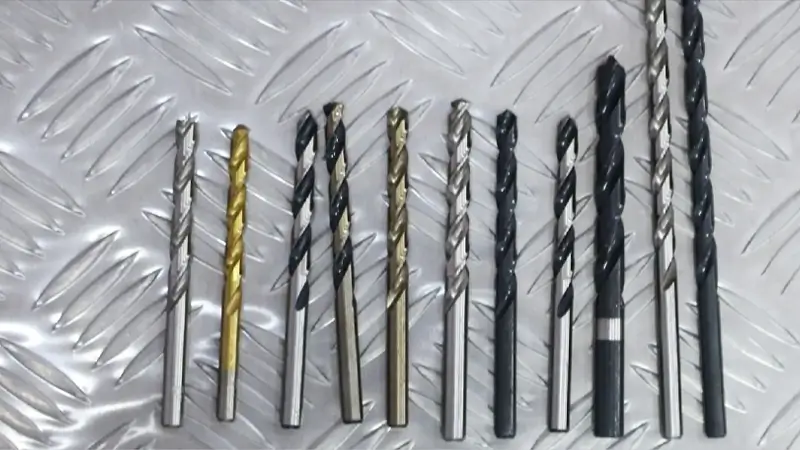
Different types of HSS drill bits cater to various drilling needs. There are different types of drill bits, such as high-speed steel drills to titanium nitride-coated ones for improved hardness and heat resistance.
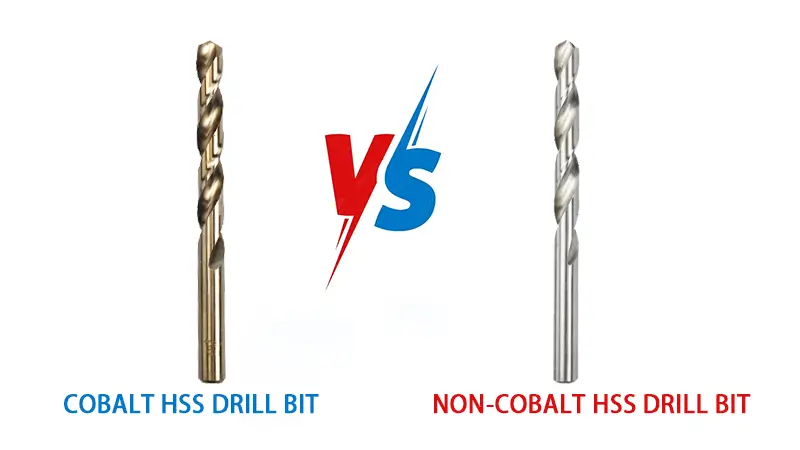
Cobalt HSS drill bits offer superior performance with stainless steel due to their enhanced durability.
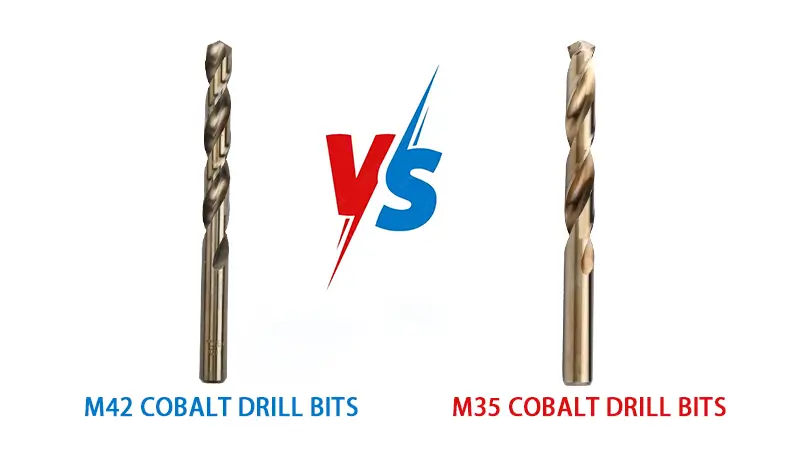
M35 vs M42 Cobalt Drill Bits
When considering cobalt drill options, M35 and M42 are popular choices. M42 cobalt bits, with a higher cobalt content, offer superior heat resistance and hardness compared to M35. This heat resistant property of M42 make the coating especially effective for high speed steel machining or when trimming hard stainless steels. Standard jobber drills in high speed steel are outclassed by both M42 and TiN drill inserts.
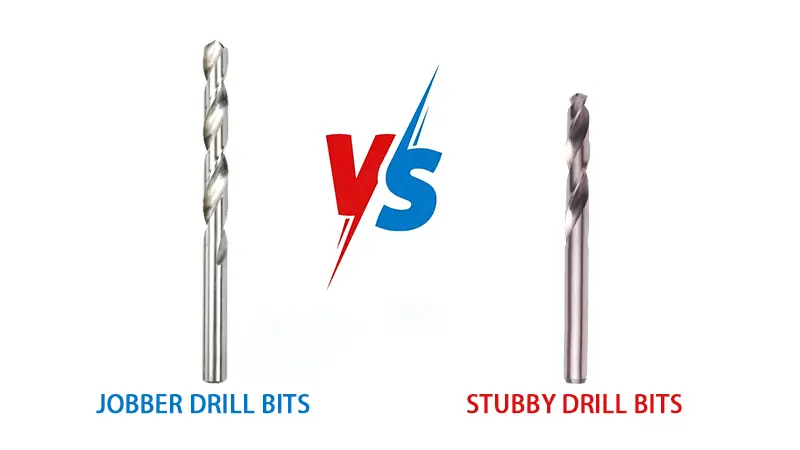
Jobber Drill Bits vs Stubby Drill Bits
Jobber drill bits are general-purpose and suitable for a wide range of drilling tasks, while stubby drill bits are shorter, providing increased rigidity. When drilling stainless steel, stubby cobalt bits consistently offer a more precise hole and reduce vibration and deflection making the job faster and easier.
Key Features of High-Speed Steel Drill Bits
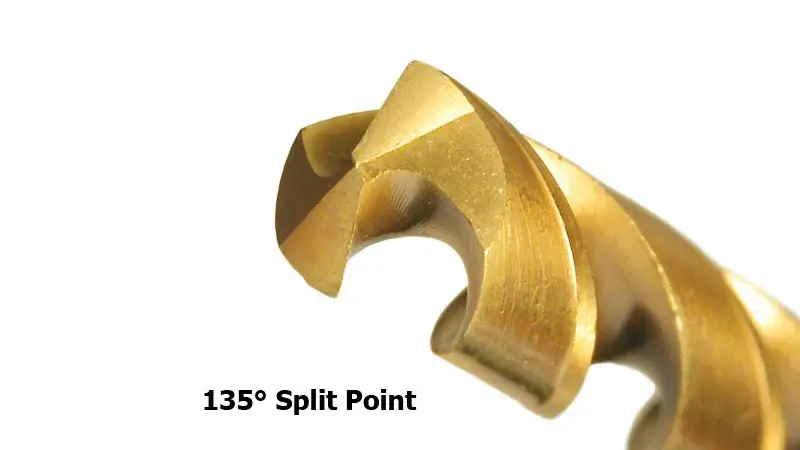
135° Split Point Design
A 135° split point is a crucial feature for any high-speed steel drill bits designed for stainless steel. This feature ensures that the drill bit will stay in place and will not “walk” across the hard metal surface, which is the main issue when drilling sterling. This eliminates the need for a pilot hole, allowing for greater speed and accuracy in drilling.
Flute Design and Its Importance
The flute design of high-speed steel drill bits is vital for chip evacuation when you are drilling through stainless steel. An evenly fluted flute is critical for the effective chip-removal from that hole minimizing clogging and heat build-up. Furthermore, the drill flute type may dramatically effect cutting speed and overall performance when drilling and consequently the life of the steel drill.
Heat Resistance and Edge Retention
Heat resistance and edge retention are critical for the best drill bits for stainless steel. Cobalt HSS drill bits, like M35 and M42, offer superior heat resistance compared to standard HSS drills. This allows them to maintain their cutting edge at high temperatures, extending the tool’s life and ensuring efficient drilling in stainless steel, a hard metal.
Best Practices for Drilling Stainless Steel
Recommended Cutting Speeds and Feeds
Selecting the correct drill speed and feed rate is essential for successful drilling in stainless steel. It is usually advised to use lower speeds and uniform, light feed rates in order to avoid work hardening and heat build-up. Efficient material removal and tool life using a HSS drill bit with optimal cutting parameters.
Cooling Techniques During Drilling
Effective cooling techniques are essential when drilling in stainless steel to manage heat, using cutting fluid or lubricant. Coolant is a must when using our steel drilling tools to reduce friction and keep drill bits cool while making cuts, resulting in cleaner cuts and longer lasting steel drill bit. All users’ since it is possible to avoid premature wear of the bit by following the correct bit cooling procedure.
Common Mistakes to Avoid
Many common mistakes can lead to poor results when drilling stainless steel. Using excessive drill speed, Too much pressure or not using cutting oil may see the drill bit become hot quite quickly, it may even snap. Choosing the right drill bit, keeping consistent pressure and using proper cooling methods will ensure that you get optimal results and avoid ruining a few good blocks otherwise.
Comparative Analysis of Drill Bits for Stainless Steel
HSS vs Carbide Drill Bits
When drilling in stainless steel, the choice between high-speed steel (HSS) drill bits and carbide drill bits is significant. High Speed Steel (HSS) drills, with cobalt alloy are a less costly, yet very effective between the now legendary solid carbide drills and one of those cheap inconsistent moves that tend to clog even when drilling through mild steel. By contrast, carbide drills are known for their hardness and heat resistance – perfect for drilling through hard materials and in mass production environments, but also more prone to chipping.
Performance Across Different Stainless Steel Grades
The type of drill bit required varies with different stainless steel grades. Softer stainless steel can be drilled by high-speed steel bits, while harder grades require cobalt or carbide. Different steel drill bit should be chosen according to the alloy and its machining property so as to obtain good cutting effect. The right choice of the drill bits for stainless steel is important.
Cost-Effectiveness and Longevity
The cost-effectiveness of a drill bit is as crucial as its longevity, particularly when drilling through stainless steel. HSS drill bits, especially those with cobalt (HSS Co), strike a balance between price and durability. Carbide-tipped bits, while more expensive, retain their cutting edge longer on high-volume jobs.