Poor-quality chisels often create vibration, breakage, and expensive customer complaints.
If you supply demolition tools to hardware distributors, construction wholesalers, or industrial buyers, SDS chisel quality directly affects repeat business. Contractors expect chisels that fit securely, transfer impact efficiently, and maintain stable performance during heavy-duty demolition work.
When chisels wear too quickly1 or fail to fit properly inside rotary hammers2, users immediately notice the difference. For importers and procurement managers, understanding SDS chisel compatibility, maintenance, and application types is essential before placing large-volume orders.
SDS chisels are designed for concrete demolition, tile removal, masonry work, and surface preparation. Their specialized shank structure allows fast impact transfer while reducing slippage inside the hammer drill. Compared with traditional manual chisels, SDS chisels improve working efficiency significantly and reduce operator fatigue during long construction projects.
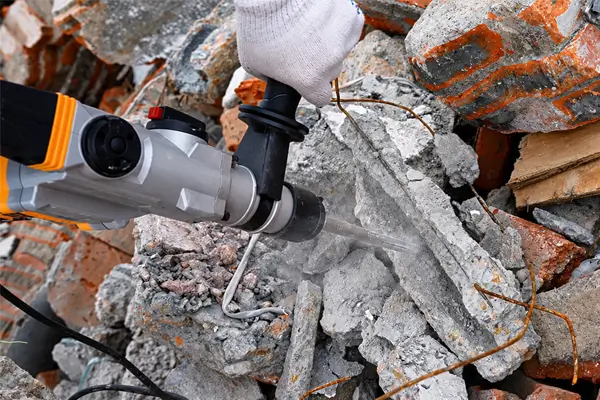
SDS chisel installed on a rotary hammer for concrete demolition applications.
Can I use an SDS Chisel with Any Hammer Drill?
Not every hammer drill is compatible with every SDS chisel system. The shank size, locking mechanism, and hammer structure must match correctly3 to ensure safe operation and stable impact performance. Using the wrong chisel type often causes excessive vibration, poor energy transfer, and premature tool wear.
For distributors and wholesalers, compatibility problems are one of the most common causes of returns and after-sales complaints in demolition tool markets.
Which Hammer Drills Are Compatible with SDS Plus and SDS Max Chisels?
SDS Plus and SDS Max are the two most common systems used in construction and demolition industries4. Although both use slot-based shank designs, their sizes and applications are very different.
| Chisel System | Typical Application | Compatible Machine Type |
|---|---|---|
| SDS Plus | Light demolition and tile removal | Medium rotary hammer |
| SDS Max | Heavy concrete demolition | Large rotary hammer |
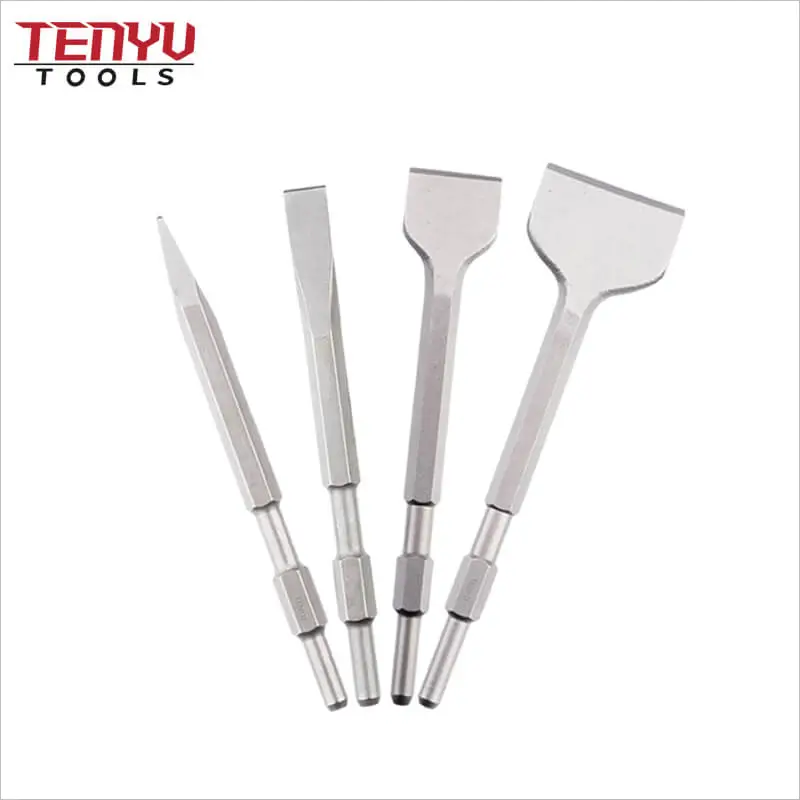
| Hex Shank Chisel | Industrial heavy-duty breaking | Demolition hammer |
SDS Plus chisels are commonly used for:
- Tile removal
- Wall channeling
- Light concrete demolition
- Masonry correction work
SDS Max chisels are more suitable for:
- Thick concrete removal
- Asphalt breaking
- Industrial demolition
- Heavy-duty construction projects
Choosing the correct system helps improve impact efficiency and reduces unnecessary machine stress.
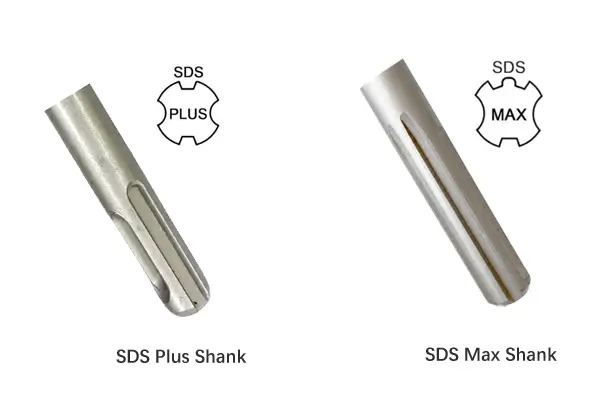
Comparison between SDS Plus and SDS Max chisel systems used in rotary hammer drills.
How Can Buyers Avoid Compatibility Problems Between Chisels and Rotary Hammers?
Compatibility issues usually happen because buyers focus only on chisel length or width while ignoring shank specifications. A poorly matched shank can create unstable locking, excessive movement, and reduced impact force during operation.
Before purchasing SDS keskiler in bulk, buyers should verify:
- Shank type compatibility
- Machine power range
- Chisel length and diameter
- Locking slot accuracy
- Rotary hammer brand requirements
Professional distributors often standardize their product range according to local market preferences. This reduces inventory confusion and improves customer satisfaction during repeat purchases5.
%precision SDS chisel shank dimensions close up%
Precision-machined SDS chisel shank designed for secure locking and stable impact transfer.
Why Should Importers Choose SDS Chisels with Precise Shank Tolerance?
Shank tolerance directly affects how the chisel performs inside the rotary hammer. If the tolerance is inconsistent, the tool may vibrate excessively or fail to transfer impact energy efficiently. Over time, this can damage both the chisel and the machine.
High-quality SDS chisels usually provide:
- Precise slot machining
- Stable shank hardness
- Smooth insertion and removal
- Reduced vibration during operation
- Better impact transfer efficiency
For importers, precise manufacturing tolerance helps reduce complaint rates and improves long-term customer trust in professional construction markets.
Can you Sharpen SDS Chisels?
Evet. SDS chisels can be sharpened when the cutting edge becomes worn6, but the sharpening process must be controlled carefully. Incorrect grinding angles or excessive heat during sharpening may reduce hardness and shorten the service life of the tool.
Professional users usually focus on maintaining edge geometry while preventing overheating during the sharpening process.
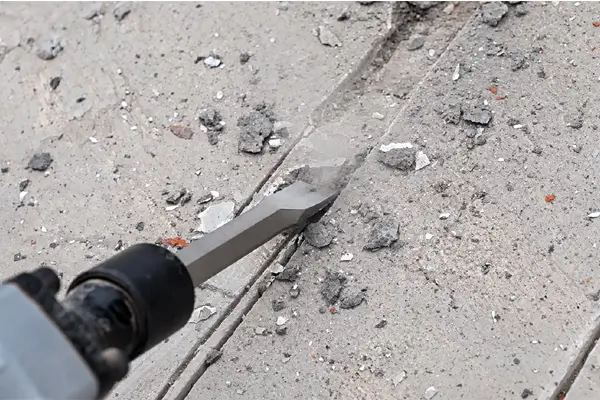
Sharpened SDS flat chisel used in concrete removal applications.
How to Sharpen SDS Chisels Without Reducing Tool Performance?
Sharpening should restore the cutting edge without changing the original tool geometry. Excessive grinding removes too much material and weakens the working edge under repeated hammer impact.
To sharpen SDS chisels correctly:
- Use controlled grinding pressure
- Avoid overheating the edge
- Maintain original cutting angle
- Cool the tool regularly during grinding
- Remove only damaged material
Blue discoloration on the edge usually indicates overheating, which can reduce hardness significantly and shorten tool life.
What Maintenance Tips Help Extend SDS Chisel Service Life?
Proper maintenance plays a major role in extending SDS chisel lifespan7, especially during heavy demolition work. Dust buildup, overheating, and poor lubrication often increase wear and reduce working efficiency.
Professional users usually follow these maintenance practices:
- Clean shanks after operation
- Apply light grease before insertion
- Avoid continuous overheating
- Store tools in dry conditions
- Inspect edges regularly for cracking
Low-quality chisels often fail because of poor heat treatment or inconsistent material hardness. Reliable products maintain edge stability longer and resist mushrooming under repeated impact.
Can a Hammer Drill be Used as a Chisel?
Yes. Many rotary hammers include a dedicated chisel mode that allows the machine to deliver hammer impact without rotation. This mode is widely used for concrete demolition, tile removal, wall chasing, and surface preparation work.
Compared with manual chiseling, rotary hammer chiseling improves efficiency significantly and reduces physical strain during long working hours.
%rotary hammer in chisel mode removing concrete%
Rotary hammer operating in chisel mode for concrete and tile demolition work.
How Does Chisel Mode Improve Concrete and Tile Removal Efficiency?
Chisel mode concentrates impact energy directly onto the working surface without rotating the tool8. This allows operators to break concrete or remove tile more quickly while maintaining better control over the working area.
Main advantages include:
- Faster demolition speed
- Reduced operator fatigue
- Improved impact concentration
- Better control during surface removal
- Reduced labor time on large projects
For contractors and construction users, this efficiency translates directly into lower project costs and improved productivity.
Which Applications Are Suitable for Hammer Drill Chiseling Functions?
Hammer drill chiseling functions are commonly used across construction, renovation, and demolition industries. Different chisel types are designed for specific tasks depending on the material and surface condition.
Common applications include:
- Tile removal
- Concrete demolition
- Asphalt breaking
- Wall chasing
- Surface scaling
- Masonry correction
- Plaster removal
Using the correct chisel type improves efficiency and helps prevent unnecessary wear on both the tool and the machine.
What Safety Features Should Buyers Check Before Bulk Purchasing SDS Chisels?
Safety becomes especially important in heavy demolition environments where tools experience constant impact and vibration. Poorly manufactured chisels may crack or deform under repeated stress9, creating serious safety risks for operators.
Before placing bulk orders, buyers should verify:
- Heat treatment consistency
- Material hardness stability
- Shank machining accuracy
- Impact resistance testing
- Surface crack inspection
Professional-grade SDS chisels usually include hardened working ends and reinforced shank structures that improve durability during continuous operation.
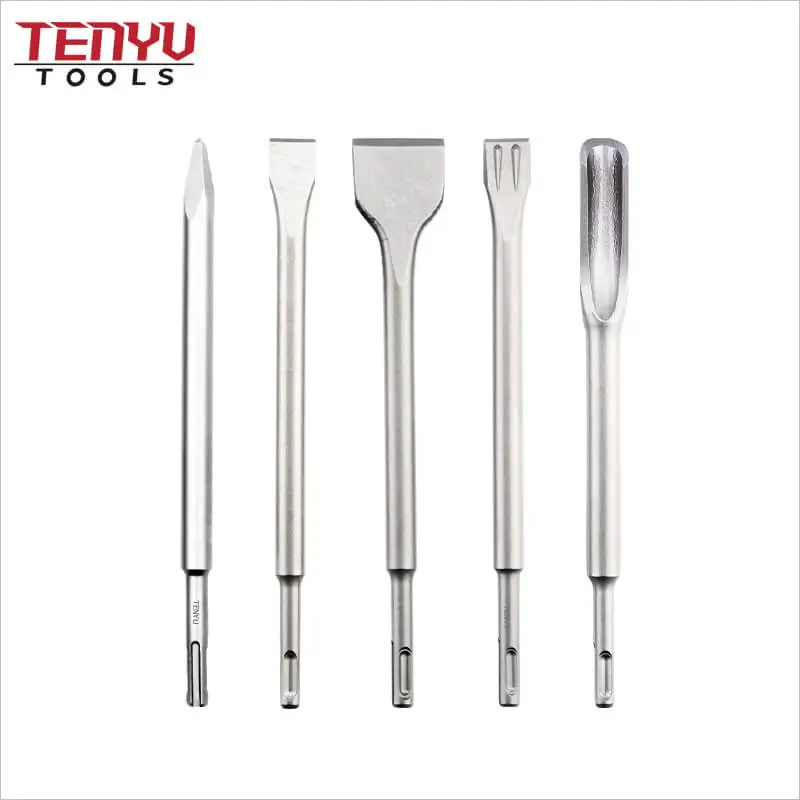
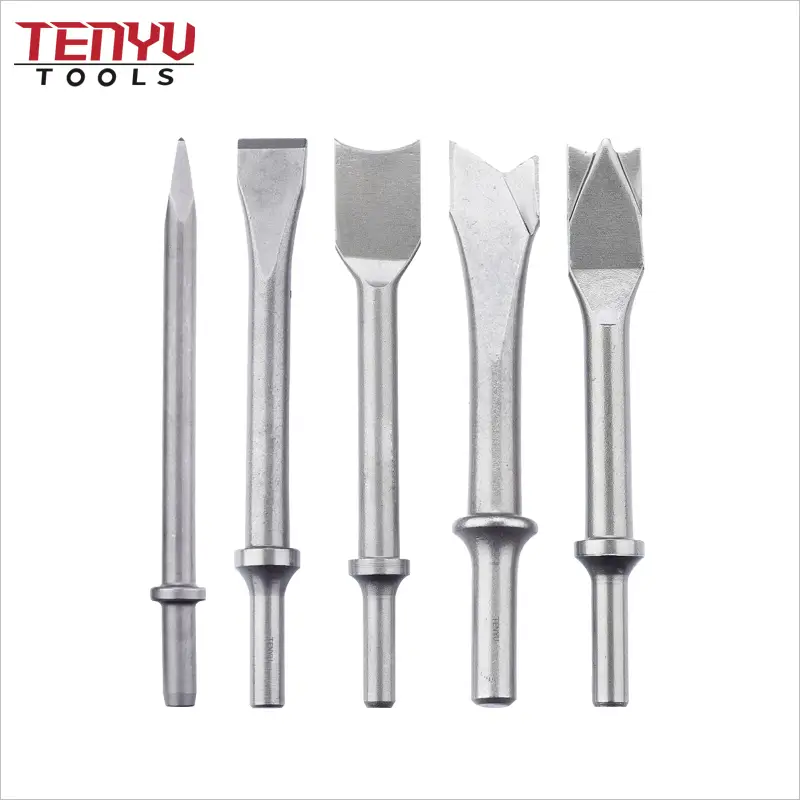
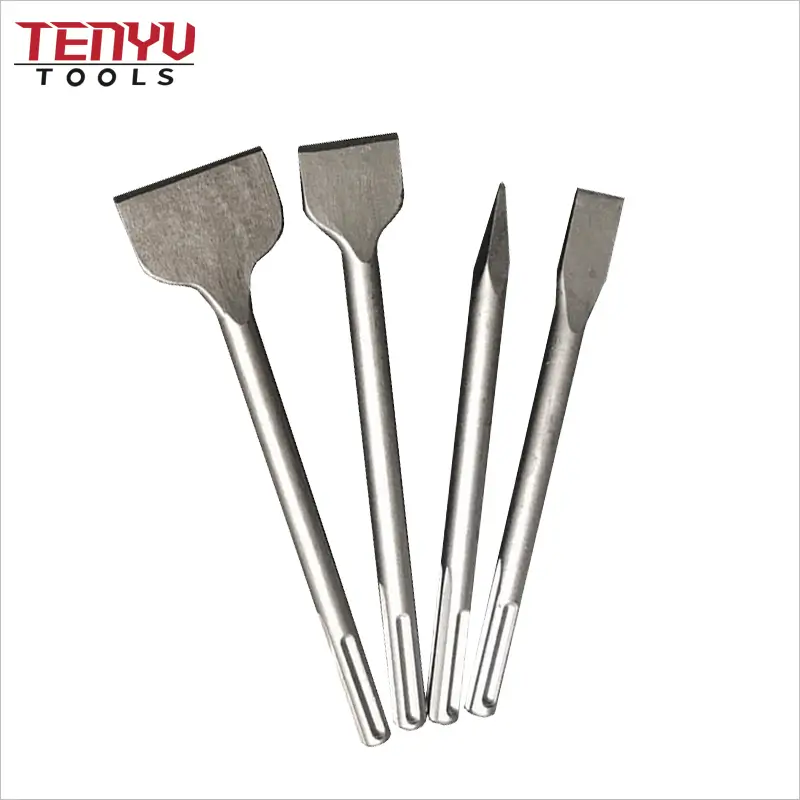
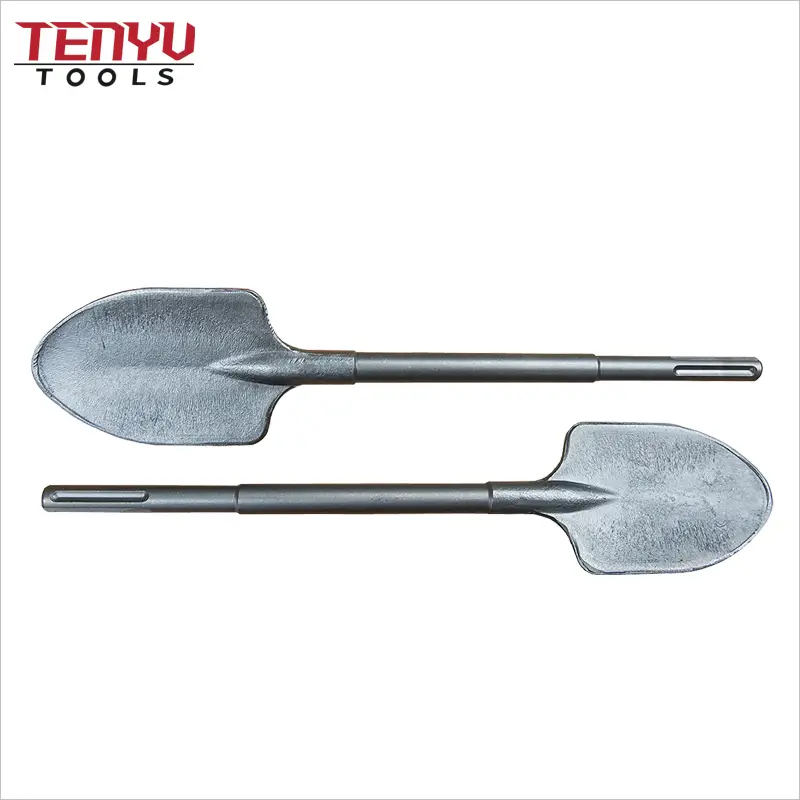
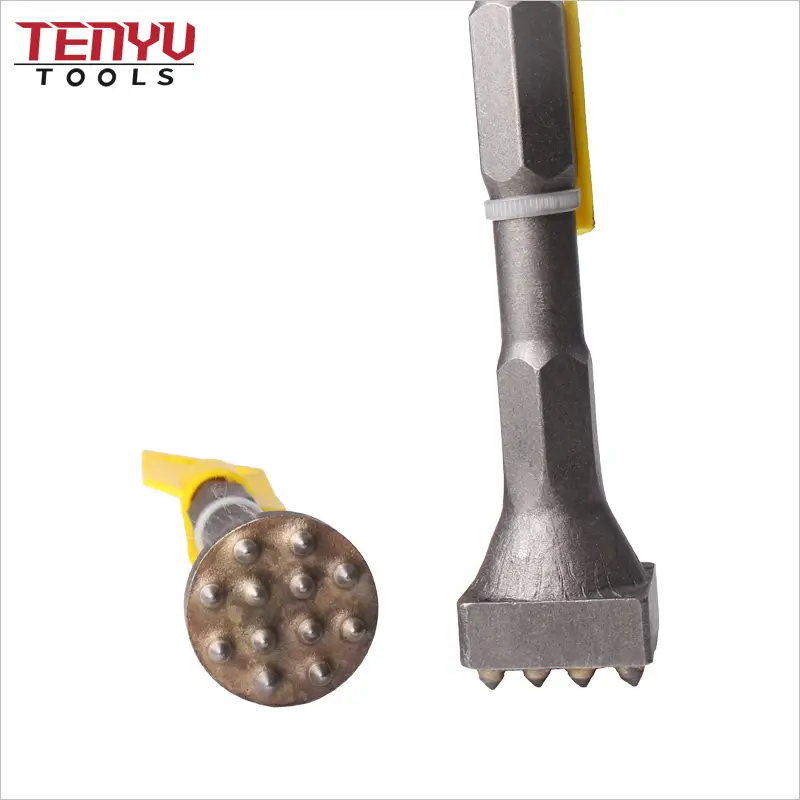
What are the Different Types of SDS Chisels?
Different SDS chisel designs are developed for specific demolition and surface preparation tasks. Choosing the wrong type often reduces working efficiency and increases unnecessary tool wear.
For wholesalers and procurement managers, offering a complete chisel range helps cover broader construction market demand.
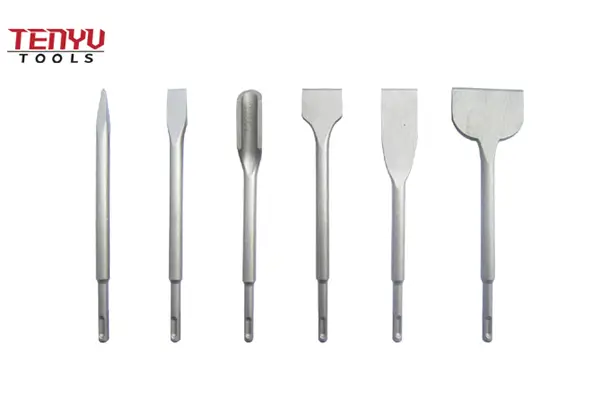
Different types of SDS chisels used for concrete demolition, tile removal, and masonry work.
What is the Difference Between Point Chisels, Flat Chisels, and Scaling Chisels?
Each chisel type is designed for a different impact application.
| Chisel Type | Main Application | Main Advantage |
|---|---|---|
| Nokta Keski | Concrete breaking | Concentrated impact force |
| Düz Keski | Tile and plaster removal | Wide surface coverage |
| Scaling Chisel | Surface cleaning | Efficient coating removal |
| Maça Keski | Asphalt and trench work | Broader breaking area |
Point chisels focus impact energy into a small area, making them suitable for breaking concrete and masonry. Flat chisels distribute force across a wider edge, allowing faster tile or plaster removal. Scaling chisels are commonly used for removing rust, coatings, or hardened surface materials.
Which SDS Chisel Types Are Best for Concrete, Tile, Asphalt, and Masonry Work?
Different construction materials require different impact shapes and edge geometries.10 Selecting the correct chisel improves working speed while reducing unnecessary machine stress.
| Malzeme | Recommended Chisel Type |
|---|---|
| Beton | Nokta Keski |
| Fayans | Düz Keski |
| Asfalt | Maça Keski |
| Duvarcılık | Point or Flat Chisel |
| Surface Coatings | Scaling Chisel |
Professional contractors often carry several chisel types because construction projects usually involve multiple materials within the same working environment.
For wholesalers, providing mixed chisel sets can improve order value and attract broader contractor demand.
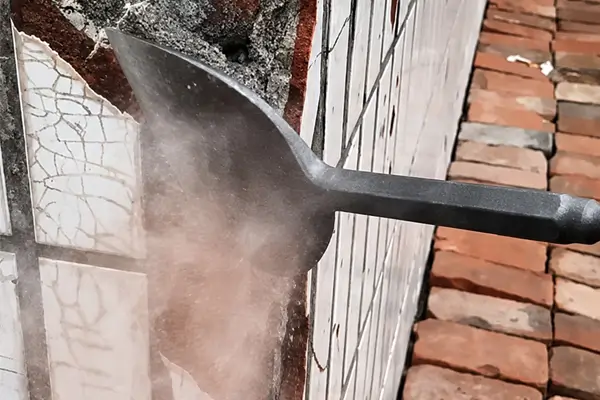
SDS chisels designed for concrete demolition, tile removal and other applications.
Çözüm
SDS chisels are essential demolition tools for construction, renovation, and industrial maintenance markets. Their performance depends heavily on shank precision, material quality, heat treatment, and application matching. Poorly manufactured chisels often create vibration, reduced impact efficiency11, and rising customer complaints.
For importers and wholesalers, selecting reliable SDS chisels with stable shank tolerance, consistent hardness, and professional heat treatment helps improve repeat sales and reduce after-sales problems. A complete product range covering SDS Plus, SDS Max, point chisels, flat chisels, and scaling chisels also helps distributors meet broader market demand across professional construction industries.
FAQ
What is the difference between SDS and SDS Plus?
SDS Max and SDS Plus are both hammer drill shank systems, but SDS Plus is more widely used version for light to medium-duty applications.
What Materials Can You Use an SDS Chisel On?
SDS chisels are suitable for hard construction materials such as concrete, brick, stone, mortar, tile, and plaster. Different chisel shapes are designed for different demolition and surface preparation tasks.
How Do I Prevent SDS Chisel Breakage?
To reduce the risk of SDS chisel breakage, avoid excessive side loading in the demolition, use the correct chisel type, and match the chisel size with the hammer power. Proper lubrication and controlled operation also help life extend.
How do Self-Sharpening SDS Chisels Work?
Self-sharpening SDS chisels feature specially designed cutting edges that wear evenly during use, helping maintain a sharper working profile over time.
What Size SDS Chisel Should I Use?
The correct SDS chisel size depends on the application and the material being removed. Such as SDS point chisels are better for precise breaking, while SDS flat chisels and SDS spade chisels are used for removing larger surface areas.
What Does SDS Stand for in Chisels?
SDS is a hammer tool shank system designe for fast installation and efficient impact transfer. The system allows the chisel to move slightly inside the chuck during operation to provide good hammering performance.
Request Your Free Sample
-
Research on percussive drilling or impact-tool wear supports that chisels and similar impact tools can lose service life through abrasive wear, impact fatigue, and material degradation under repeated hammering loads. ↩
-
A neutral technical reference describing SDS shank variants supports that rotary-hammer fit depends on matching the chisel’s shank system, such as SDS-plus or SDS-max, to the tool holder. ↩
-
Technical descriptions of SDS rotary-hammer interfaces explain that the bit or chisel shank profile engages a dedicated chuck/locking system and must correspond to the tool holder for proper retention and force transmission. ↩
-
A neutral technical reference on rotary-hammer drill shanks can support that SDS Plus and SDS Max are widely used standardized shank systems for masonry drilling and demolition tools, though it may not quantify their market share as the “most common.” ↩
-
Studies of customer satisfaction and repeat-purchase behavior show that satisfaction is associated with repurchase intentions and loyalty, offering contextual support for the claim that a consistent, preference-aligned product range may improve repeat-purchase experiences. ↩
-
Educational and workshop guidance on chisel maintenance describes sharpening as a standard method for restoring a dulled chisel edge; this supports the general maintenance principle, though it does not specifically test SDS masonry chisels. ↩
-
Engineering literature on tool wear and maintenance supports the general principle that controlling wear mechanisms and maintaining working surfaces can extend tool service life; this is contextual evidence rather than a test specific to SDS chisels in demolition work ↩
-
A technical source on rotary hammers or hammer drills can support that a chisel-only or hammer-only mode delivers percussive blows without bit rotation, explaining the mechanical basis for directing impact energy into the work surface. ↩
-
Materials engineering literature on tool steels and fatigue failure explains that repeated cyclic loading can initiate cracks or plastic deformation when material quality, heat treatment, or design are inadequate, providing a technical basis for this safety concern. ↩
-
Materials science and construction-tool references describe chisel performance as dependent on the interaction between tool geometry, contact stress, and the mechanical properties of the material being cut or broken; this supports the general principle but does not specify every material-tool pairing. ↩
-
Research and occupational-safety sources on percussive hand tools document that tool design, condition, and coupling can influence hand-transmitted vibration and impact-energy transmission during hammering operations. ↩