Sourcing managers today face tough choices as they look for dependable, high-quality drill bit suppliers1. Picking China or Vietnam isn’t just about price—it’s about technology, market needs2, and future-proofing your supply chain.
China remains the world’s dominant force in drill bit manufacturing, with over 70% of global capacity, the most complete industry chain, and the best cost-performance ratio, especially in regions like Jiangsu, Guangdong, and Zhejiang. Vietnam’s role is growing, driven by US trade shifts, but most premium drill bit production still relies on China’s equipment, materials, and technical know-how. For US-bound orders, costs in Vietnam are often 10–15% higher due to imported technology and logistics—even with cheaper labor. R&D, customization, and advanced processing remain China’s strengths, while Vietnam increasingly handles finishing and export, especially for the US market.
As global demands, tariffs, and customer needs shift, knowing how these two giants compare is key to making the best sourcing decisions for your brand.
Why Does China Still Lead the World in Drill Bit Manufacturing?
The secret to China’s global dominance is its tightly packed ecosystem—and decades of continuous improvement.
China’s drill bit production hubs in Jiangsu, Guangdong, and Zhejiang host every step of the supply chain. Steel and alloy suppliers, powder metallurgy plants, advanced CNC grinding, automatic assembly, vacuum heat treatment, and surface coating lines all operate locally. These clusters enable rapid product launches, reliable QC, and the most attractive pricing for both mass-market and premium, custom-engineered bits.
This tightly integrated setup means:
- Virtually every raw material, part, and machine is locally sourced—keeping transport costs and delays minimal.
- Factories easily scale from massive orders for hardware chains to small, high-performance specialty runs.
- Advanced R&D labs and in-house engineers respond fast to new trends or customer customizations, from diamond-coated masonry bits to specialized step drills.
- Quality control aligns with ISO, CE, EN, and ANSI standards at every stage.
| Aspect | China’s Advantage |
|---|---|
| Output | >70% of global drill bit capacity |
| teknoloji | Latest CNC, robotized QC, laser coatings |
| Cost Structure | Lowest per premium & bulk order |
| Innovation | R&D labs, rapid custom prototyping |
| Supply Chain | Fully localized, stable, repeatable |
| Compliance | Certified for global standards |
My personal work with Chinese manufacturers shows they deliver consistent quality and fast innovation—even for highly demanding brand requirements.
What Is Driving Vietnam’s Growth—and Where Are Its Weaknesses?
Vietnam’s rise is tied to politics, global demand, and China’s shifting export strategy.
After the 2018 US-China trade war, some Chinese drill bit manufacturers invested in Vietnamese plants to avoid tariff risks—especially for the US, which buys over 60% of the world’s drill bits. These Vietnam-based operations must import almost all equipment, core materials (alloy blanks, tips, coatings), and key engineers from China. Vietnamese workers are paid less, but the need for imported machines, heat treatment systems, and Chinese-led QA pushes the finished cost up by 10–15% compared to direct China sourcing.

Vietnam’s strengths are:
- Lower tariffs for US/EU buyers (for now), using Vietnam-origin labelling.
- Cheaper manual labor for packaging, visual inspection, and basic assembly.
- Good infrastructure and government support for export production.
But the limits are clear:
- No local source for core alloy, diamond powders, or advanced CNC systems.
- R&D and advanced testing rely on Chinese partner plants.
- Custom or innovative drills, complex geometries, and tight-tolerance orders are nearly always engineered in China.
- Most Vietnamese plants focus on final finishing, packaging, and export—not complete production.
| Category | Çin | Vietnam |
|---|---|---|
| R&D/Innovation | Domestic, advanced | Imported, limited |
| Malzemeler | Local, stable supply | Imported (mostly from China) |
| Skilled Labor | High, experienced | Less skilled, import-reliant |
| Final Unit Cost | Lowest | 10–15% higher |
| Tariff Compliance | Risky for US/EU | Favorable, Vietnam origin |
| Tech/Scale | Mature, massive | Growing, less flexible |
My clients often use Vietnam for mass orders bound for the US, but keep all new models, pilot runs, and special needs in China for speed and security.
How Are Tariffs, Supply Chains, and US Market Needs Changing Drill Bit Sourcing?
The US is the world’s biggest market—and shifting trade policy keeps everyone moving.
Drill bits (like saw blades) have been on the US Section 301 tariff exemption list, but that ends May 2025. If new tariffs hit, possibly up to 60%, “China+1” sourcing will accelerate. Brands will keep R&D, QC, and advanced fab in China, but finish, package, and label in Vietnam for tariff-free entry. This hybrid model increases complexity and cost, but reduces duty risk and helps brands reach US buyers quickly.
Here’s how the supply chain will often split:
- China: Handles design, engineering, raw part machining, and technical QA.
- Vietnam: Final assembly, product marking, inspection, and packing, just before shipping.
- Over time, more standard bits will finish in Vietnam, but custom and high-margin products will stay in China.
| Step | China Focus | Vietnam Focus |
|---|---|---|
| Design/Engineering | Leading, rapid | Relies on China |
| High-Precision Fab | Yes | Basic or imported |
| Kalite güvencesi | Full labs, systemized | Often Chinese-led |
| Tariff Navigation | At risk of sudden change | Current safe zone |
| Packaging/Export | Quick, robust | Quick, tariff shielded |
Many US/EU buyers now split orders, running standard batch finishing in Vietnam for tariff savings but getting development, data, and spares from China.
Who Should Handle Your Cutting-Edge R&D, Customization, and Small-Batch Drill Bits?
Precision and flexibility matter for a premium product line.
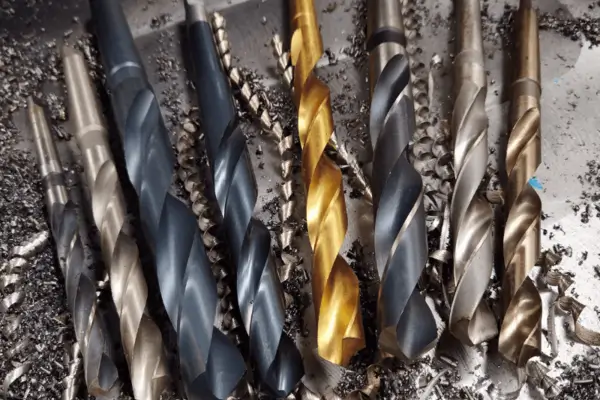
China’s manufacturing centers are equipped for rapid prototyping, tight-tolerance machining, PVD/TiN/TiAlN coatings, and advanced heat treatments. R&D teams, process engineers, and pilot lines stay in China due to technical depth and regulatory needs. Vietnamese plants rarely run R&D or specialty shapes—almost all innovation remains with their Chinese owners or engineering teams.
For buyers needing:
- Rapid new design implementation (e.g., custom flute shapes, carbide-tipped, cobalt bits)
- Quick pilot batches for market tests
- Digital QA reporting, performance testing, traceability, and custom-marked packaging
China is the clear choice, especially for industrial, aerospace, or specialty construction markets. Vietnam can handle high-volume, standard finishing but struggles with small, complex, or evolving orders.
| Need | Çin | Vietnam |
|---|---|---|
| Prototyping | <2 weeks, full options | 1–2 months, limited |
| Advanced Coatings | Full range, best process | Imported, basic |
| Custom Specs/MOQs | Flexible | Higher minimums |
| QA/Certs/Compliance | Automated, ISO/EN | Relies on China docs |
| Batch/Lot Traceability | Yes, digital | Manual/partial |
When I work on new product launches with tool brands, China’s engineering speed and adaptability remains unmatched.
Will Vietnam Overtake China for Drill Bit Production in the Future?
Vietnam’s potential is real, but the roadmap is gradual.
Every year, more Vietnamese factories join the global drill bit market. Skilled labor pools grow and more Chinese technology transfers in. But without deep local sources for alloy steel, precision CNC, and advanced QA, Vietnam still relies on tight cooperation with Chinese parent factories—especially for custom, complex, or high-performance drill bits. The best results come from joint ventures or Vietnamese companies with direct ties to Chinese experts and machinery.
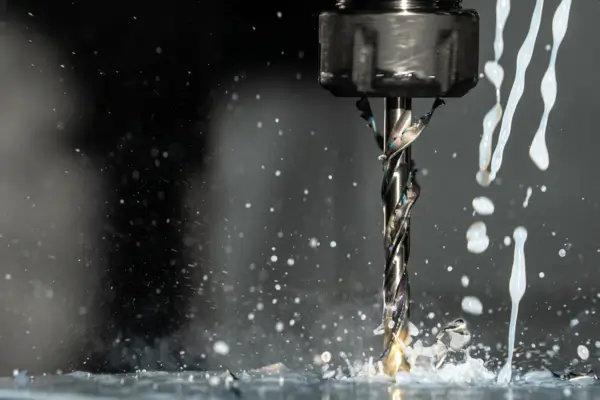
Already, smart brands use Vietnam for tariff relief and scale, but still connect with their Chinese partners for R&D, innovation, and complex specifications. Over time, Vietnam will handle more simple and high-volume drills, but China sets the technical standard and leads innovation.
| Key Buyer Concern | Best Strategy |
|---|---|
| Fast new launches | China for development; Vietnam finish |
| Complex geometry | China-led, advanced QA |
| Tariff risk | Vietnam assembly, China input |
| High-volume orders | Both, split by spec |
| R&D and expertise | China only |
| Supply Chain Security | China+Vietnam hybrid, trusted group |
Request Your Free Sample



Çözüm
İçin premium drill bits, China is the leader in capacity, cost, technology, and flexibility. Vietnam offers tariff-friendly finishing and export, but depends on Chinese input for key materials and innovation. The best strategy blends Chinese technical leadership with Vietnam’s growing scale, always anchored by a trusted China-driven supply chain.