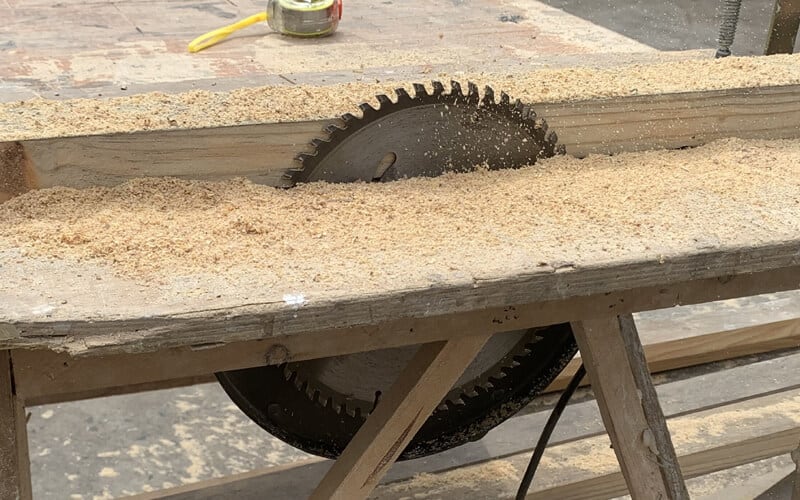
Choosing the wrong blade leads to complaints and returns.
For importers, wholesalers, and procurement managers, selecting the best brush cutter blade is not just about cutting performance1. It directly affects customer satisfaction, repeat orders, and brand reputation. This guide focuses on how to choose, install, and sell the right brush cutter blades based on real B2B purchasing needs.
How to Install Brush Cutter Blade?
Correct installation is the first step to reduce vibration, improve cutting efficiency, and avoid after-sales issues. Many complaints come not from product quality, but from incorrect mounting.

How Can Buyers Check Blade Size, Arbor Hole, and Adapter Fit Before Installation?
Before installation, you need to confirm three key parameters: blade diameter, arbor hole size, and adapter compatibility2. These directly determine whether the blade fits securely on the machine.
| Parameter | What to Check | Risk if Incorrect |
|---|---|---|
| Blade Diameter | Matches machine specification | Overload or poor cutting |
| Arbor Hole | Standard sizes (20mm / 25.4mm) | Loose fitting or wobbling |
| Adapter Ring | Included and correctly sized | Installation failure |
For bulk buyers, it is recommended to make according to your market needs (e.g., 25.4mm with reduction rings). This reduces compatibility issues across different markets.
What Installation Steps Help Reduce Vibration and Improve Cutting Safety?
Improper installation is one of the main causes of vibration and safety risks. You should ensure the following steps are clearly followed:
- Clean the mounting flange before installation
- Ensure the blade sits flat against the flange
- Use the correct washer and locking nut
- Tighten with proper torque (mentioned that not over-tightened)
- Check blade rotation direction same as arrow marking
A well-installed blade runs smoothly, reduces machine wear, and improves cutting precision. For distributors, providing installation guides can significantly reduce customer complaints3.
Why Should Importers Choose Brush Cutter Blades with Clear Fitting Instructions?
Clear instructions are not optional—they are a key selling point.
- Printed installation diagrams
- Clear size markings (diameter, arbor) use laser print or UV print
- Rotation direction arrows
For B2B buyers, this means fewer after-sales issues and stronger brand trust in your market.
Which Brush Cutter Blade to Use?
Different usages require different blade types. Choosing the wrong blade leads to poor performance.

How to Select the Right Brush Cutter Blade for Grass, Weeds, Shrubs, and Small Trees?
Each cutting task requires a specific blade structure:
| Başvuru | Recommended Blade Type | Key Advantage |
|---|---|---|
| Çimen | Nylon line / 2T blade | Fast, flexible cutting |
| Weeds | 3T blade | Balanced performance |
| Shrubs | 40T carbide blade | Strong cutting power |
| Small Trees | 60T–80T carbide blade | Clean and efficient cutting |
For wholesalers, offering a complete range allows you to cover more customer segments and increase order value.
Which Blade Material Gives Better Durability for Bulk and Repeat Orders?
Material directly affects durability, which is critical for repeat business.
Common materials include:
- Karbon çelik: Low cost, suitable for light-duty use
- 65Mn Çelik: Better toughness, longer lifespan
- Carbide Tipped (TCT): High durability, ideal for heavy-duty applications

For bulk buyers targeting professional users, carbide-tipped round blades are the best choice4. They reduce wear, maintain sharpness longer, and improve customer satisfaction.
What Blade Types Are Easier for Wholesalers to Sell in Different Markets?
Market demand varies, but some blade types have universal appeal:
- 3T blades: Popular in Southeast Asia and Africa
- 40T carbide blades: Strong demand in Europe and North America
- 2T blades: Entry-level markets and price-sensitive buyers
Standardizing your product range based on regional demand helps improve inventory turnover and reduce slow-moving stock.
What Blade to Use on a Brush Cutter?
Understanding blade structure helps you guide your customers better and avoid incorrect usage.

What Is the Difference Between 2T, 3T, 40T, and 80T Brush Cutter Blades?
The number of teeth determines cutting performance:
| Bıçak Tipi | Diş Sayısı | Başvuru | Özellik |
|---|---|---|---|
| 2T | 2 | Çimen | Fast, simple cutting |
| 3T | 3 | Weeds | Better balance and control |
| 40T | 40 | Shrubs | Strong cutting efficiency |
| 80T | 80 | Small trees | Smooth, precise cutting |
Higher teeth count means smoother cuts but requires more power5. Matching blade type with machine capacity is essential.
Which Brush Cutter Blade Works Best for Heavy-Duty Land Clearing?
For heavy-duty work such as dense shrubs and small trees, you should choose:
- 40T–80T carbide tipped blades
- Thick steel core for stability
- Reinforced teeth for impact resistance
These blades offer:
- Longer lifespan
- Higher cutting efficiency
- Reduced downtime
For professional users, this directly improves productivity.
Can I Put a Brush Cutter Blade on a Strimmer?
This is a common question in many markets, especially where users want to upgrade cutting performance.
When Is a Strimmer Suitable for Using a Metal Brush Cutter Blade?
Not all strimmers are compatible with grass cutting blades.
A strimmer can use a brush cutter blade only if:
- It has sufficient engine power (usually ≥30cc)
- It supports metal blade mounting
- It includes a proper guard and handle system
Otherwise, using a grass cutting blade may cause safety risks.
What Safety and Compatibility Checks Should Buyers Confirm Before Selling This Product?
Before selling brush cutter blades for strimmers, you should verify:
- Machine compatibility (shaft size, power)
- Clear user instructions provided
- Certification or safety compliance
Ignoring these checks can lead to serious safety issues and liability risks.
Why Should Distributors Offer Brush Cutter Blades with Reliable OEM Packaging and Clear Labels?
Packaging is more than appearance—it is part of your product quality.
Reliable OEM packaging should include:
- Clear product specifications
- Application instructions
- Safety warnings
- Barcode and branding
This helps:
- Build brand identity
- Improve shelf appeal
- Reduce misuse by end users
For distributors, strong packaging increases trust and supports long-term brand growth.
Çözüm
Choosing the best brush cutter blade is not about one product—it is about matching application, material6, and market demand. For importers and wholesalers, the focus should be on compatibility, durability, and clear product information. By selecting the right blade types and ensuring proper installation guidance, you can reduce complaints, improve customer satisfaction, and increase repeat orders.
FAQ
What is the Best Brush Cutter?
The best brush cutter depends on the type of vegetation and working conditions. For light grass, a nylon line trimmer is totally enough, while thick weeds and dense brush require a grass cutting blades with higher power and durability.
What is the Thickest Blade of Grass?
The “thickest” grass typically refers to dense, fibrous varieties like wild overgrown weeds. These require stronger cutting tools, 65Mn grass cutting blade will be a good choice.
What size arbor hole is most common?
25.4mm is the most widely used size, often supplied with reduction rings for flexibility.
What Happens if you Cut Grass with a Dull Blade?
Using a dull blade tears the grass instead of cutting it cleanly, which can lead to bad results, plant stress, and faster regrowth issues. It also increases load on the machine.
What is the Best Brush Cutter to Buy?
For professional or bulk use, tenyu carbide tipped grass cutting blades are recommended for durability and efficiency.
Request Your Free Sample


-
A safety or extension-agency source can show that brush-cutter blade selection also involves equipment compatibility, vegetation type, rated speed, guarding, and kickback risk, supporting the claim that blade choice is broader than cutting performance alone. ↩
-
A technical safety or manufacturer guidance source should be cited to show that saw blade selection depends on matching the blade diameter and arbor/bore dimensions to the tool, with adapters or bushings used only where permitted by the tool and blade specifications. ↩
-
Research on product documentation and user support associates clear instructions with fewer user errors and lower support demand; this provides general support for the claim that installation guides may reduce complaints, though it may not directly measure distributor complaint rates for blades. ↩
-
Materials and manufacturing references describe tungsten carbide cutting tools as having high hardness and wear resistance, which helps explain why carbide-tipped blades are often selected for demanding cutting applications. ↩
-
A technical woodworking or machining reference should support that blades with more teeth generally produce finer surface finishes, while increased tooth engagement can raise cutting resistance and power demand. ↩
-
Technical guidance on brush cutters and trimmers distinguishes cutting attachments by vegetation type and use case, supporting the claim that blade choice should be matched to the intended application and material being cut. ↩