Deciding where to manufacture your cutting tools1 is a big risk. Picking the wrong country means slower orders, hidden costs, and headaches with customs or quality. At Tenyu Aracı, we’ve helped global brands launch products from all three regions. The best answer isn’t just “who’s cheapest?” but “who keeps your supply chain safe, fast, and reliable?”
China gives unmatched scale and expertise but faces rising costs and tariffs. Vietnam pulls ahead with low wages for simple production, while Mexico delivers speed, stability, and duty-free access to the US. Pick based on your market, product complexity, and need for supply chain security2.

I’ve seen tool buyers struggle when new tariffs3 appear or deliveries stall at the border. Companies now look past price sheets and build smart, resilient supply networks. Read on—this guide breaks down your options for manufacturing drill bits4, blades, and saws.
The End of an Era: Why Are Brands Looking Beyond China?
For years, China was the go-to choice for tool makers. Today, new risks and costs make single-sourcing in China risky.
China’s wages and tariffs keep rising, US-China friction is unpredictable, and the pandemic proved that centralized supply chains can fail. Brands now want more agility, less risk, and better backup plans.

Labor costs in China climbed, cutting the savings gap with other countries. US tariffs can add 25% to the price of steel drill bits or saw blades. During COVID, tool shipments stopped for weeks while factories locked down. The "China Plus One" model now drives brands—including Tenyu Tool clients—to pair Chinese factories with Mexico or Vietnam, building in flexibility and resilience.
Dive Deeper: Risk and Cost Table
| Factor | Çin | Vietnam | Mexico |
|---|---|---|---|
| Wage Trend | Rising | Stable/Low | Mid-range |
| Tariff Risk | Very High | Moderate+ | Very Low |
| Supply Chain Flex | Low | Low-Medium | High |
| Policy Stability | Unstable | Orta | High |
China vs Vietnam vs Mexico: How Do They Compare for Tool Manufacturing?
Your final choice depends on price, worker skill, speed to market, and backup plans. Let’s break these down:
China leads with manufacturing experience and deep vendor networks. Vietnam wins on lowest labor cost for simple tools. Mexico now dominates speed and trade advantages for the US market, with strong worker protections.

Drill bits and saw blades need more than low wages. Coated carbide, split-point geometry, and high-volume runs require skilled labor and reliable local supply. With China, you get every size and finish plus automated production5. Vietnam suits basic sets or simple designs, but often relies on China for raw steel and coatings. Mexico is growing fast—especially for automotive and electronics-grade tooling—with many plants meeting US standards for precision and safety.
Dive Deeper: Workforce, Skill, and Ecosystem Table
| Factor | Çin | Vietnam | Mexico |
|---|---|---|---|
| Labor Cost | $6.50–$8.50/hr | $2.50–$3.50/hr | $3.50–$5.00/hr |
| Manufacturing Skill | Advanced CNC, automation | Young, general assembly | Skilled, strong QC |
| Supplier Network | Deep, complete for every part | Reliant on China | Mature, especially in auto/electronics |
| Infrastructure | World-class ports/highways | Improving, some bottlenecks | Top for NA market, strong logistics |
How Do Logistics, Tariffs, and Speed-to-Market Differ?
Shipping delays and customs fees6 can eat up any price advantage. For US brands, speed and tariff stability are now a must.
China means ocean freight takes 30–40 days, along with tariffs up to 25%. Vietnam ships faster, but can still get stuck with new US duties. Mexico wins on trucking speed (3–7 days) and duty-free entry under USMCA.

Tenyu Tool’s US clients often switch production to Mexico for this reason alone. Trucks bring orders in less than a week—no long port delays, no customs surprises. Vietnam improves ocean time but faces growing tariffs, especially if parts are sourced from China. Tariffs from Asia hurt margins, especially for finished steel goods. Mexico’s rules under USMCA7 let high-quality drill bits or saw blades move duty-free, as long as rules of origin are met.
Dive Deeper: Logistics and Tariff Table
| Factor | Çin | Vietnam | Mexico |
|---|---|---|---|
| Shipping Time | 30–40 days | 18–35 days | 3–7 days |
| US Tariffs | 25–30%+ | 20–40% | 0% (USMCA) |
| Inventory Needed | High | Orta | Low |
| Market Adaptation | Slow | Moderate | Fast |
How Safe and Reliable Is Each Region’s Business Environment?
You need more than cheap parts. IP protection, stable laws, and transparent trade make a difference for long-term success.
China now brings higher risk—IP theft, sudden policy changes, and US-China tensions. Vietnam is stable, but IP laws need careful attention. Mexico lines up closest with US standards, offering strong IP and trade protection for tool brands.

Tenyu Tool’s partners need trustworthy supply chains and contract enforcement. China’s risks include patent infringement and slow dispute response. Vietnam improves, but registering trademarks early is critical. Mexico stands out: As a USMCA partner, its legal system protects your intellectual property and investment, keeping surprises to a minimum.
Dive Deeper: Risk Mitigation Table
| Risk Factor | Çin | Vietnam | Mexico |
|---|---|---|---|
| IP Security | Weak | Orta | Strong |
| Contract Enforcement | Unpredictable | Moderate | Aligned w/ US |
| Political Stability | Variable | Stable | Stable |
| Tariff/Trade Risk | High | Orta | Low |
Making the Right Choice for Your Cutting Tool Business
Your best country depends on your order size, precision needs, and target market—especially if you sell in the US.
China is best for huge runs, automated machining, and dense supplier networks. Vietnam works for low-cost, basic sets. Mexico wins for US market speed, duty-free sales, and strong legal support. Match your needs to the region for the best results.

If you want scale and advanced coatings for karbür matkap uçları8, China offers unmatched options. If you focus on cost for general hardware sets, Vietnam has the lowest direct wages. For US launches—especially with complex applications, short lead times, and full compliance—Mexico is the new champion. Consider what matters most: speed, price, security, and resilience.
Dive Deeper: Decision Table
| Priority | Best Region | Neden |
|---|---|---|
| Mass production | Çin | Scale, experience |
| Lowest labor cost | Vietnam | Cheapest wages |
| US market speed | Mexico | Fast delivery, no tariffs |
| IP and risk control | Mexico | USMCA, strong IP laws |
| Complex ecosystems | Çin | Supplier density, automation |
You Can Send Us Your Request
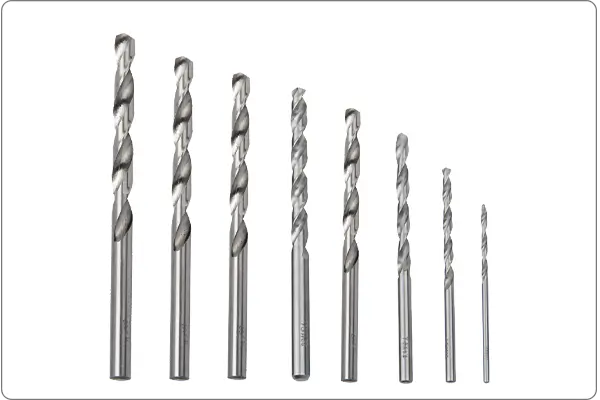

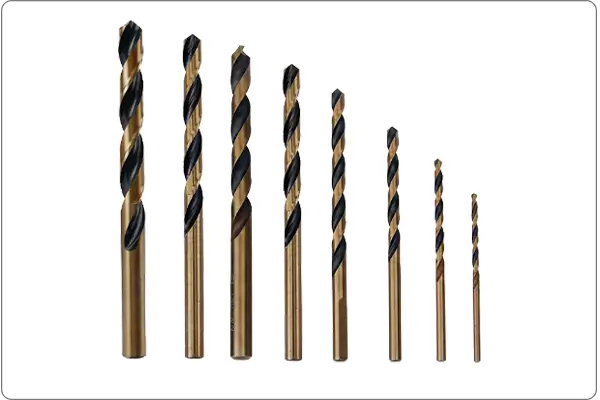

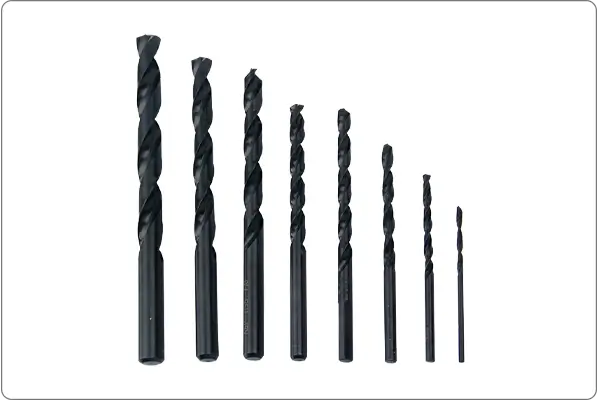

Çözüm
Manufacturing for Matkap uçları Ve blades today means balancing cost, speed, risk, and agility—not just chasing the lowest price. China still dominates for advanced capability, but faces more risk and cost. Vietnam is competitive only for basic production. Mexico provides the fastest response, lowest tariffs3, and strongest protection for US-focused brands. Choose based on your market and product complexity to future-proof your supply chain and business.
-
Learn about various cutting tools and their applications to enhance your manufacturing knowledge. ↩
-
This link provides insights on building a secure and resilient supply chain for your business. ↩
-
Understanding tariffs is crucial for managing costs; this resource explains their impact on manufacturing. ↩ ↩
-
Explore this resource to understand the latest techniques and innovations in drill bit manufacturing. ↩
-
Discover how automation can enhance efficiency and reduce costs in manufacturing processes. ↩
-
Explore how customs fees can affect your bottom line and learn ways to mitigate them. ↩
-
This resource explains the USMCA’s benefits for manufacturers, especially in North America. ↩
-
Discover why carbide drill bits are preferred for their durability and precision in manufacturing, ensuring high-quality and efficient production. ↩