


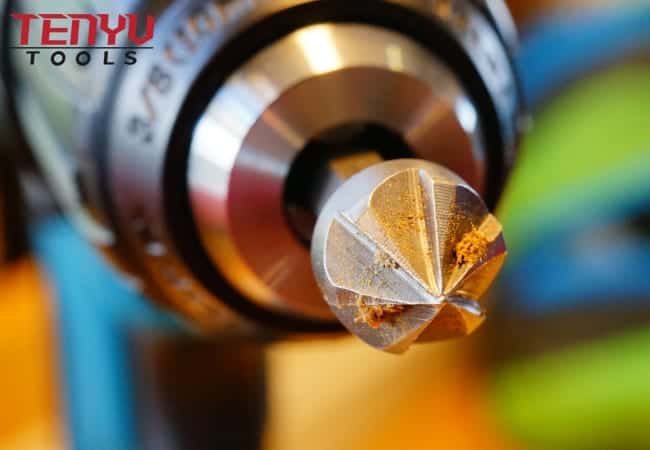
Avellanador de madera
Are you looking for countersink drill bits with smooth chamfering performance and reliable OEM bulk supply?
- 5-flute design for smoother chamfering
- Hex shank for practical drill compatibility
- Suitable for wood and metal deburring
- 90 degree chamfer type
- OEM logo and packaging support
- OEM & Wholesale
- Exhibition
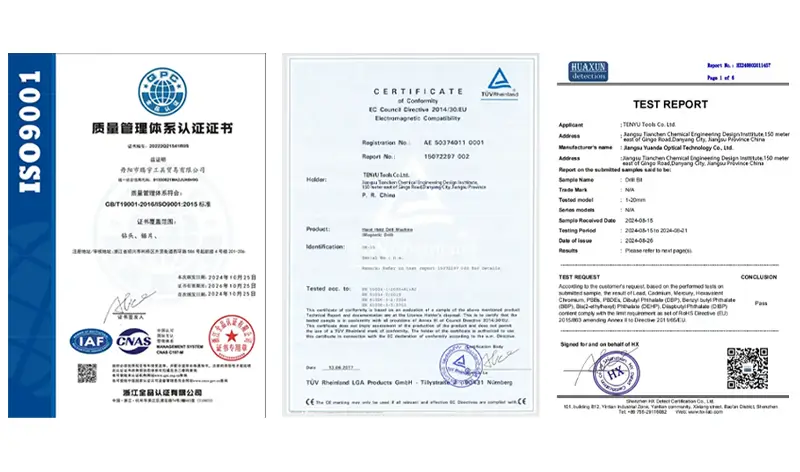
- Certificado
- Detalles de producto
OEM & Wholesale Service
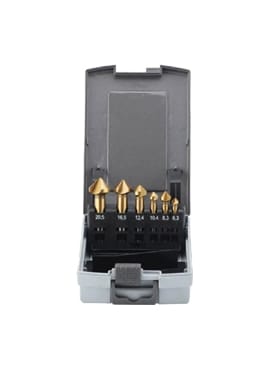
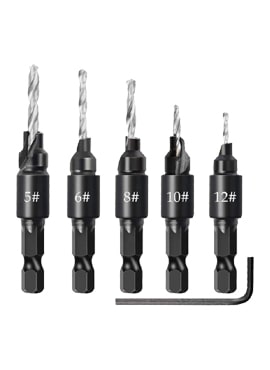
We supply hex shank countersink drill bit sets for importers, wholesalers, distributors, and private label tool brands. OEM options include logo marking, size combinations, blister card, plastic box, color box, and barcode label service. Samples can be arranged before bulk production.


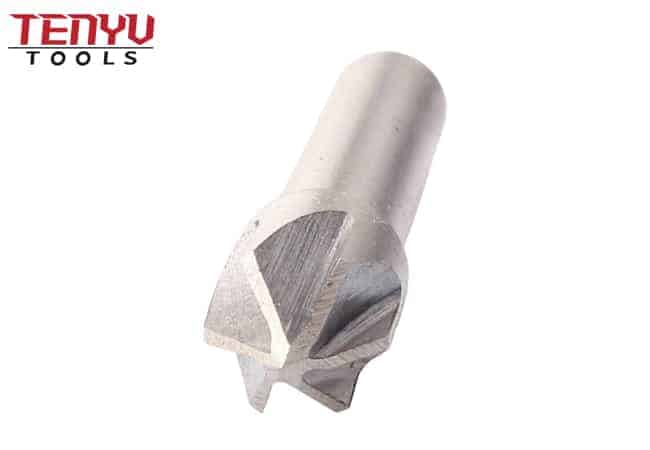
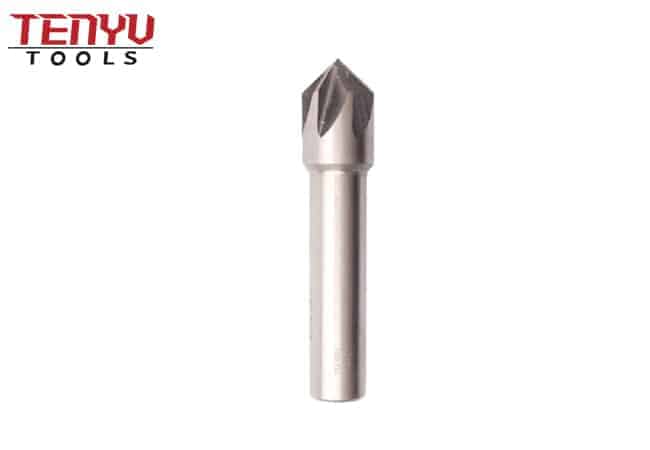
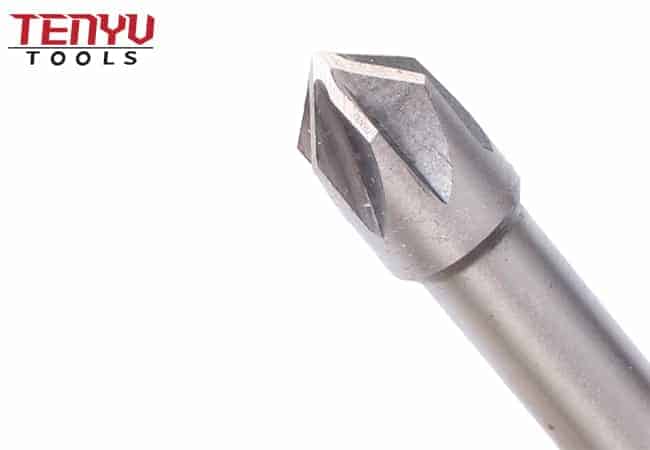
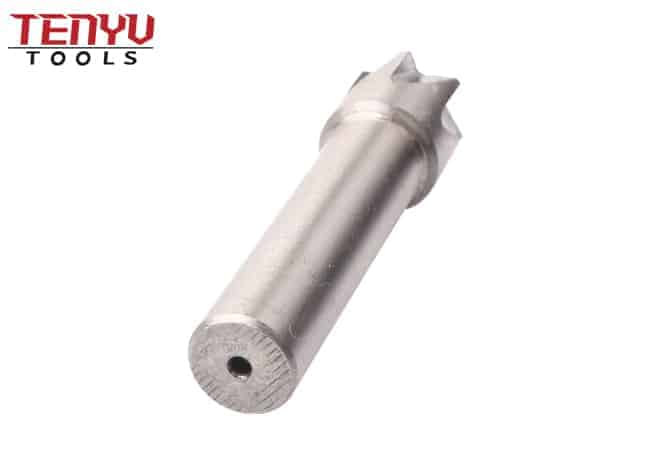
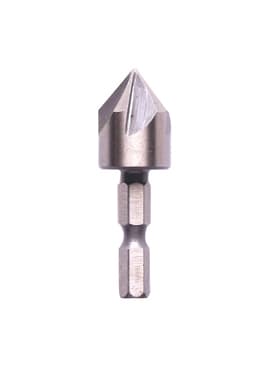
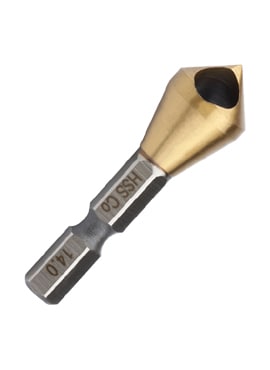
Vástago cilíndrico M2, 6 flautas, broca avellanadora de 60 grados para taladrar metales
- Hecho de material M2, duradero, máxima resistencia y longevidad.
- Con 60 grados en la punta para un avellanado nítido y preciso.
- 6 canales reducen la vibración para una perforación más suave.
- El mango cilíndrico es adecuado para taladros eléctricos portátiles y estacionarios estándar.
- Puede cortar fácilmente metal blando, madera, caucho, plástico y otros materiales.
|
Descripción del producto
|
||||
|
Más opciones para usted: Hogar > Broca avellanadora
|
||||
|
nombre del producto
|
Vástago cilíndrico M2, 6 flautas, broca avellanadora de 60 grados para taladrar metales
|
|||
|
Material
|
HSS
|
|||
|
Tipo de flauta
|
6 flauta
|
|||
|
Ángulo de corte
|
60°
|
|||
|
Caña
|
Vástago cilíndrico (también tiene vástago hexagonal, vástago cónico Morse)
|
|||
|
Acabado de la superficie
|
Brillante
|
|||
|
Paquete
|
1 unidad en tarjeta de blíster doble.
|
|||
|
Rasgo
|
1. Hecho de material M2, duradero, máxima resistencia y longevidad. 2. Con 60 grados en la punta para un avellanado nítido y preciso.
3. 6 flautas reducen la vibración para una perforación más suave. 4. El vástago cilíndrico es adecuado para taladros eléctricos portátiles y estacionarios estándar. 5. Puede cortar fácilmente metal blando, madera, goma, plástico y otros materiales. |
|||
|
Tamaño del producto (pulgadas)
|
||
|
Tamaño (pulgadas)
|
Vástago (pulgadas)
|
Longitud total (pulgadas)
|
|
3/16″
|
3/16″
|
1-1/2″
|
|
1/4″
|
1/4″
|
1-1/2″
|
|
5/16″
|
1/4″
|
1-5/8″
|
|
3/8″
|
1/4″
|
1-3/4″
|
|
1/2″
|
1/4″
|
2″
|
|
5/8″
|
3/8″
|
2-1/4″
|
|
3/4″
|
1/2″
|
2-5/8″
|
|
7/8″
|
1/2″
|
2-3/4″
|
|
1″
|
1/2″
|
2-3/4″
|
|
1-1/4″
|
3/4″
|
3″
|
|
1-1/2″
|
3/4″
|
3-1/4″
|
|
2″
|
3/4″
|
3-1/2″
|

Productos relacionados
Frequently Asked Questions
Q: que es un Broca avellanadora?
A: A countersink drill bit is a specialized tool designed to create a beveled hole, which allows the head of a screw or bolt to fit neatly below the surface of the material. The bit has a conical shape that matches the screw’s head, ensuring that it sits flush or slightly recessed. Countersink bits are often used in woodworking, metalworking, and other applications where an aesthetically smooth and functional finish is required.
Q: What is Countersinking?
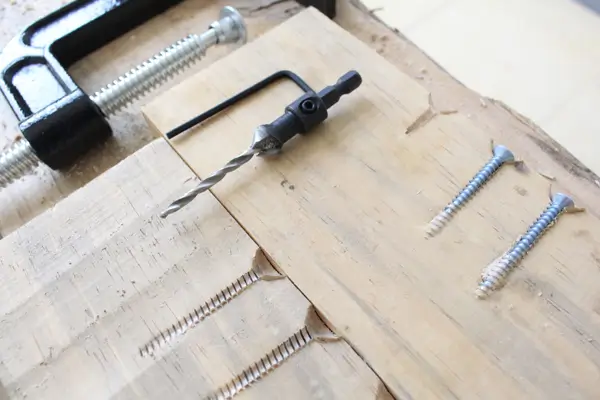
A: Countersinking refers to the process of drilling a conical recess around a hole so that the head of a screw or bolt can sit below or flush with the surface of the material. This technique is used to improve the appearance of the workpiece, prevent snagging, and allow screws to be hidden or aligned with the surface for a clean, professional finish. Countersinking is essential in applications where precision and a smooth surface are important.
Q: How to Countersink Screws?
A: To countersink screws, follow these steps:
-
Choose the correct countersink drill bit according to the screw size and material.
-
Mark the location where you want to drill the screw hole.
-
Drill a pilot hole to the size of the screw’s shaft.
-
Switch to the countersink bit and use it to create a conical hole around the pilot hole, ensuring the screw head will sit below or flush with the surface.
-
Insert the screw into the countersunk hole, making sure the head is properly recessed.
Q: What are Countersink Drill Bits Used For?
A: Countersink drill bits are used to create a conical recess in a workpiece, allowing the screw or bolt head to sit flush with or slightly below the surface. These bits are commonly used in woodworking, metalworking, and construction to ensure that screws are recessed for aesthetic reasons or to prevent them from protruding, which can cause interference. They are also valuable for providing a clean, smooth surface and enhancing the overall finish of the project.
Q: How to Use a Countersink?
A: To use a countersink:
-
Pick a countersink bit that matches the screw’s head and the material you’re working with.
-
Mark the spot where you intend to drill.
-
Drill the initial pilot hole to accommodate the screw’s shaft.
-
Attach the countersink bit to your drill and start drilling around the pilot hole to create a conical recess.
-
Be sure to stop once the recess is deep enough for the screw head to sit flush with or slightly below the surface.
-
Drive the screw into the countersunk hole and ensure it fits neatly within the recess.
Q: What Size Countersink to Use?
A: The size of the countersink bit you choose should correspond to the size of the screw’s head and the material being drilled. Generally, the countersink’s angle (usually 82°, 90°, or 100°) must match that of the screw head to ensure a perfect fit. To determine the correct size, measure the diameter of the screw’s head and select a countersink bit that provides enough room for the screw to sit comfortably within the recess without any gaps. Always ensure that the countersink bit is slightly larger than the screw head for optimal results.