

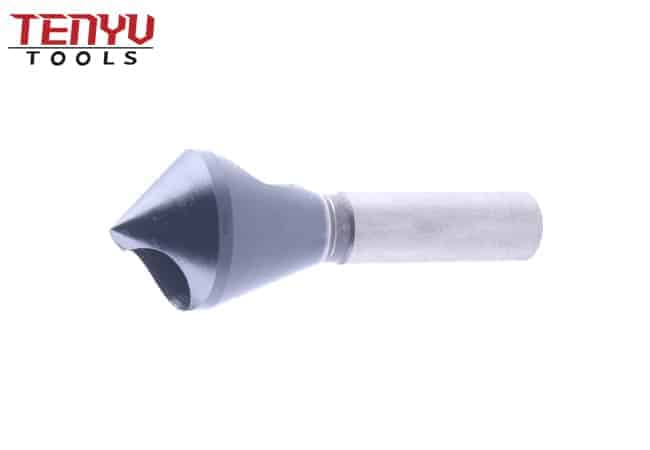
Avellanado de flauta cero
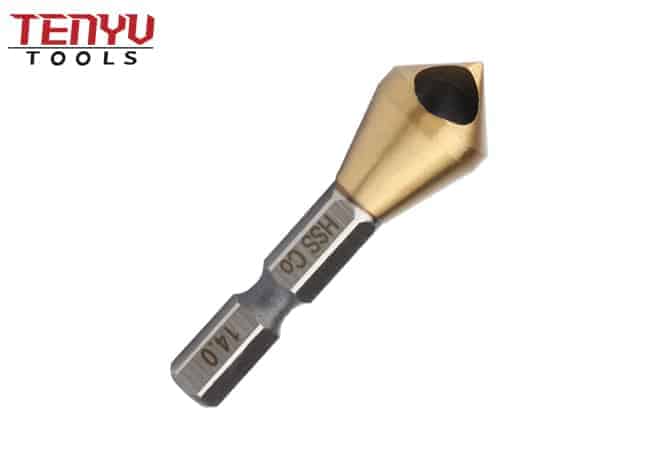
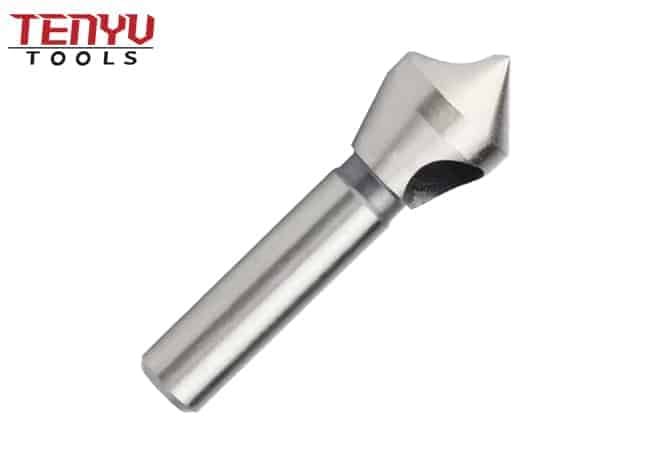
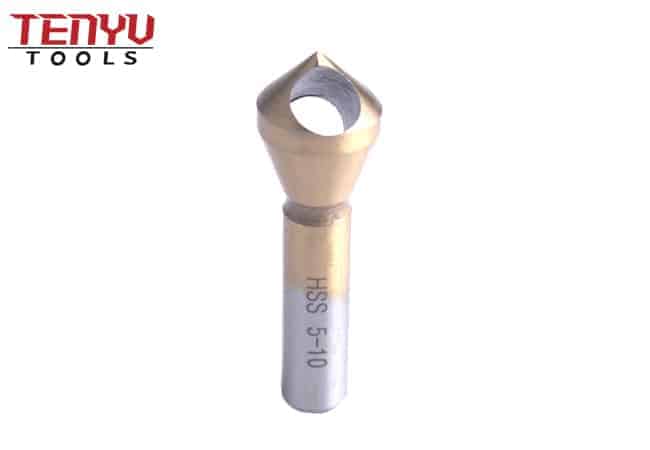
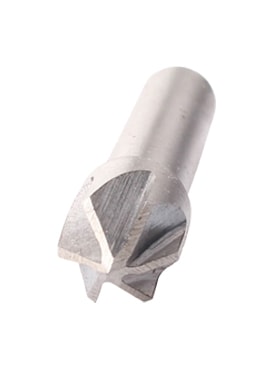
Broca avellanadora HSS 4241 Zero 0 con recubrimiento de superficie brillante o dorada
- Hecho de material HSS 4241, duradero, máxima resistencia y longevidad.
- Borde afilado suave, el efecto de corte es bueno.
- El mango cilíndrico permite su uso con una amplia variedad de sistemas portaherramientas.
- Ángulo de 90 grados en la punta para un avellanado nítido y preciso.
- Ideal para cortar metal, madera, plástico y placas de hierro delgadas.
- Detalles de producto
- Fábrica
- Material
| Descripción del producto | ||||
| Más opciones para usted: Hogar > Broca avellanadora | ||||
| nombre del producto | Flauta HSS 4241 Zero 0 con revestimiento de superficie brillante o dorada, herramienta de broca avellanadora para corte de madera | |||
| Material | HSS 4241 | |||
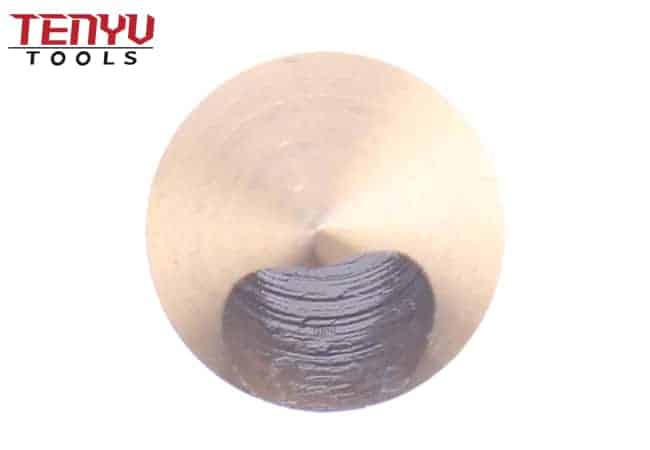
| Tipo de flauta | Cero 0 Flauta | |||
| Ángulo de corte | 90° | |||
| Caña | Vástago cilíndrico (también tiene vástago hexagonal, vástago cónico Morse) | |||
| Acabado de la superficie | brillante, dorado | |||
| Paquete | 1 Uds en caja de plástico | |||
| Rasgo | 1. Hecho de material HSS 4241, duradero, máxima resistencia y longevidad. 2. Borde afilado suave, el efecto de corte es bueno 3. El mango cilíndrico permite su uso con una amplia variedad de sistemas portaherramientas 4. Ángulo de 90 grados en la punta para un avellanado nítido y preciso 5. Ideal para cortar metal, madera, plástico y placas de hierro delgadas | |||
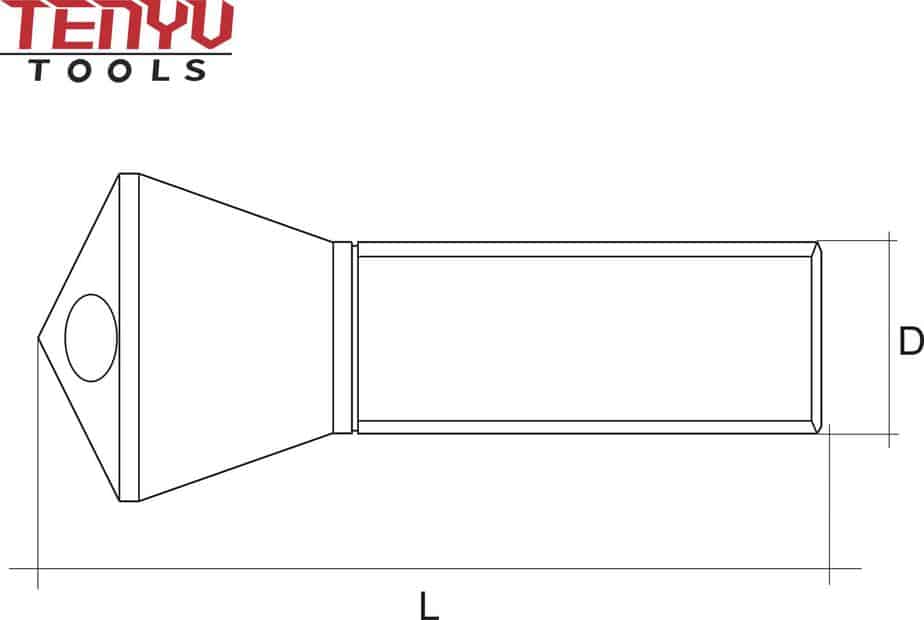
| Tamaño del producto | ||
| Tamaño (mm) | largo (mm) | profundidad (mm) |
| 1-4 | 40 | 4 |
| 2-5 | 45 | 6 |
| 5-10 | 48 | 8 |
| 10-15 | 65 | 10 |
| 15-20 | 85 | 12 |
| 20-25 | 102 | 15 |
| 25-30 | 115 | 15 |
| 30-35 | 127 | 15 |
| * Custom-sastre estaría disponible según los requisitos de los clientes | ||

Productos relacionados
Frequently Asked Questions
Q: What is a Countersink?
A: A countersink is a specialized conical cutting tool used to enlarge the rim of a pre-drilled hole. It is also the term for the conical hole itself. For industrial applications, these tools are typically made from High-Speed Steel (HSS) or Cobalt (M35) to ensure clean cutting in metals and hard woods.
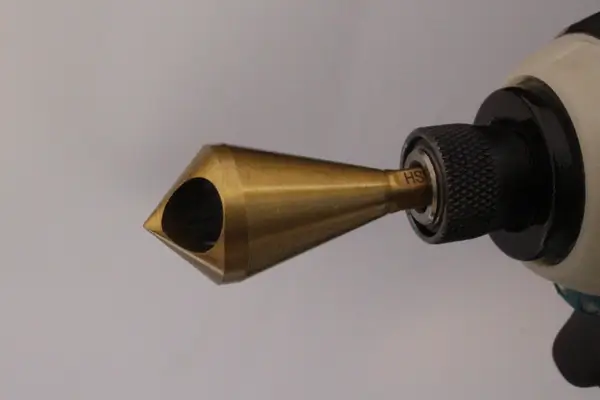
Q: What is a Countersink Used For?
A: Its primary purpose is to create a recess that allows the head of a countersunk screw or bolt to sit flush with or slightly below the surface of the material. Additionally, it is an essential tool for deburring, as it effectively removes sharp edges and burrs left behind after the initial drilling process.
Q: How do you Countersink a Hole?
A: The standard procedure involves two steps: first, drill a pilot hole for the fastener’s shank. Second, use the countersink bit at a slower RPM than standard drilling. Applying steady, controlled pressure ensures a smooth, chatter-free finish without damaging the material’s surface.
Q: How to Countersink Screws?
A: To achieve a professional finish, you must match the angle of the countersink bit to the angle of the screw head (typically 82° for imperial or 90° for metric). Drill the recess until the screw head fits perfectly flat against the workpiece. Using industrial-grade HSS bits prevents the “walking” or wobbling that often occurs with lower-quality tools.
Q: What is Countersinking?
A: Countersinking is the specific machining process of creating a conical enlargement at the opening of a hole. This process is critical in manufacturing for ensuring safety (eliminating protruding fasteners) and improving the aesthetic quality of the final assembly.
Q: What Size Countersink to Use?
A: The size of the countersink should be determined by the maximum diameter of the screw head. For example, if an M6 screw has a 12mm head diameter, you should use a countersink with at least a 12.4mm cutting range. Always verify the required angle: 90° is the global ISO standard for metric fasteners, while 82° is common for North American standards.