

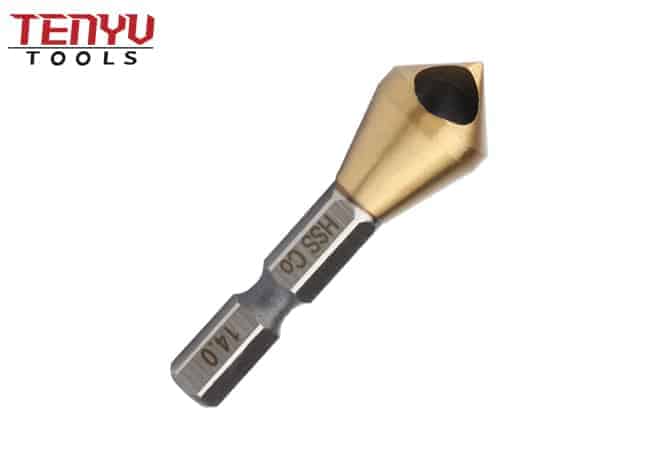
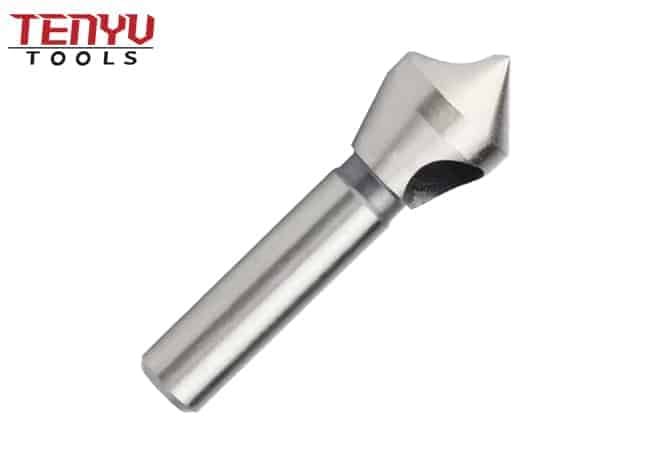
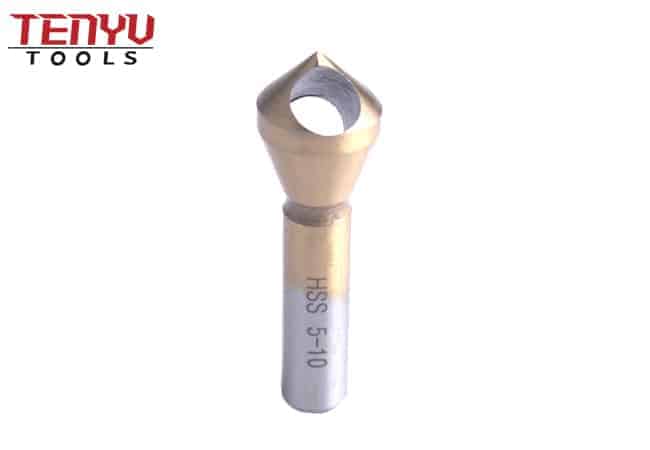
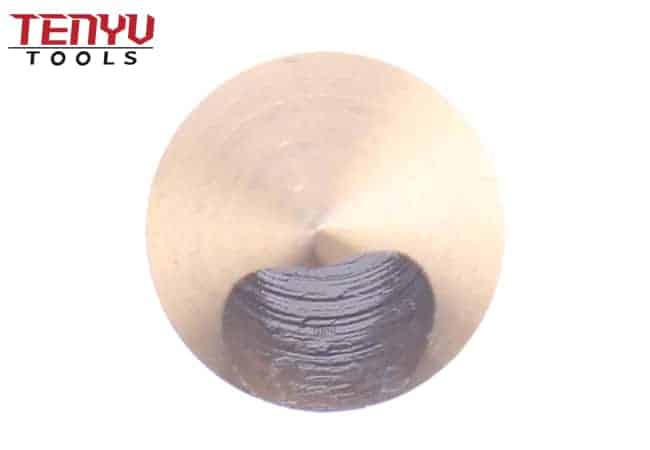
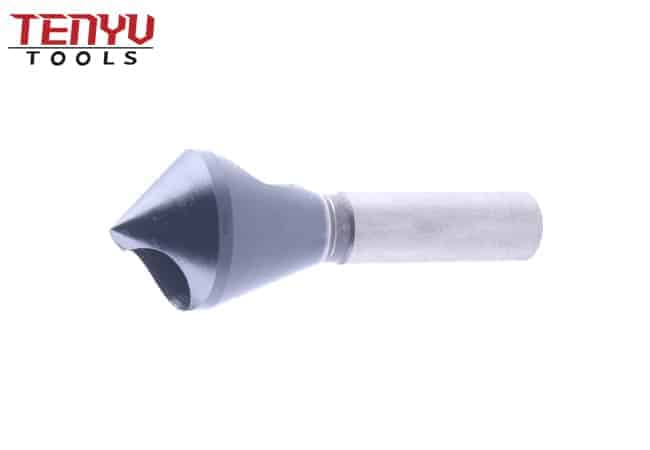
Sıfır Flüt Havşa
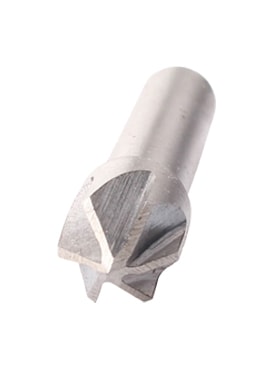
HSS 4241 Zero 0 Ağızlı Parlak veya Altın Kaplama Havşa Matkap Ucu
- HSS 4241 malzemeden üretilmiş, dayanıklı, maksimum mukavemet ve uzun ömürlüdür.
- Pürüzsüz keskin kenar, kesme etkisi iyidir.
- Silindirik sap, çok çeşitli takım tutma sistemleriyle kullanıma izin verir.
- Keskin ve hassas havşa açma için uçta 90 Derece açı.
- Metal, ahşap, plastik ve ince demir levhayı kesmek için idealdir.
- Ürün Detayları
- Fabrika
- Malzeme
| Ürün Açıklaması | ||||
| Sizin İçin Daha Fazla Seçenek: Ev > Havşa Matkap Ucu | ||||
| Ürün adı | HSS 4241 Sıfır 0 Flüt Parlak veya Altın Yüzey Kaplamalı Ahşap Kesme için Havşa Matkap Ucu Aleti | |||
| Malzeme | HSS 4241 | |||
| Flüt Tipi | Sıfır 0 Flüt | |||
| Kesme Açısı | 90° | |||
| İncik | Silindirik Şaft (Ayrıca Altıgen Şaft, Mors Konik Şaft da vardır) | |||
| Yüzey | Parlak, Altın | |||
| paket | Plastik Kutuda 1 Adet | |||
| Özellik | 1. HSS 4241 malzemeden yapılmış, dayanıklı, maksimum güç ve uzun ömür 2. Pürüzsüz keskin kenar, kesme etkisi iyidir 3. Silindirik sap, çok çeşitli alet tutma sistemleriyle kullanıma izin verir 4. Keskin ve hassas havşa açma için uçta 90 Derece açı 5. Metal, ahşap, plastik ve ince demir levhayı kesmek için ideal | |||
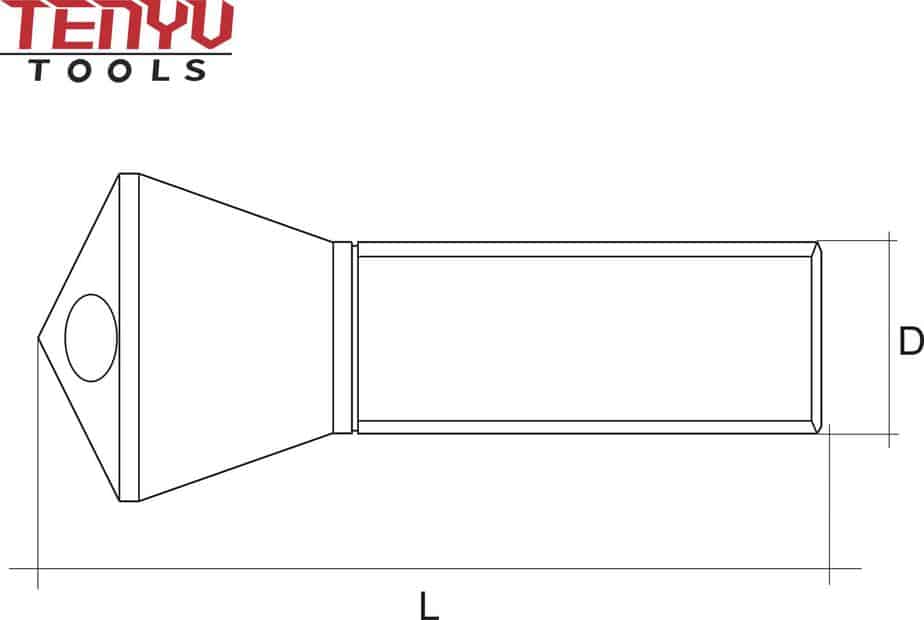
| Ürün boyutu | ||
| Boyut (mm) | Uzunluk (mm) | D (mm) |
| 1-4 | 40 | 4 |
| 2-5 | 45 | 6 |
| 5-10 | 48 | 8 |
| 10-15 | 65 | 10 |
| 15-20 | 85 | 12 |
| 20-25 | 102 | 15 |
| 25-30 | 115 | 15 |
| 30-35 | 127 | 15 |
| * Müşterilerin ihtiyacına göre özel terzi mevcut olacaktır. | ||

ilgili ürünler
Frequently Asked Questions
Q: What is a Countersink?
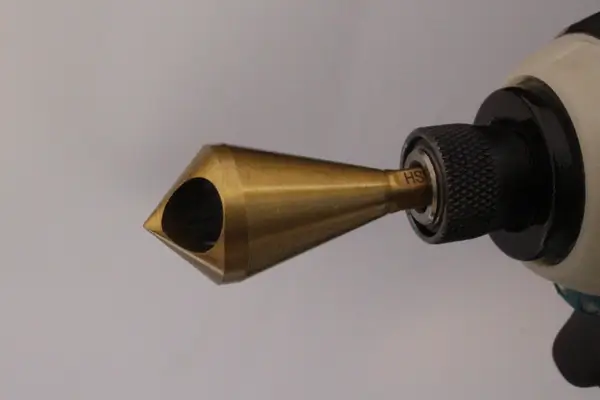
A: A countersink is a specialized conical cutting tool used to enlarge the rim of a pre-drilled hole. It is also the term for the conical hole itself. For industrial applications, these tools are typically made from High-Speed Steel (HSS) or Cobalt (M35) to ensure clean cutting in metals and hard woods.
Q: What is a Countersink Used For?
A: Its primary purpose is to create a recess that allows the head of a countersunk screw or bolt to sit flush with or slightly below the surface of the material. Additionally, it is an essential tool for deburring, as it effectively removes sharp edges and burrs left behind after the initial drilling process.
Q: How do you Countersink a Hole?
A: The standard procedure involves two steps: first, drill a pilot hole for the fastener’s shank. Second, use the countersink bit at a slower RPM than standard drilling. Applying steady, controlled pressure ensures a smooth, chatter-free finish without damaging the material’s surface.
Q: How to Countersink Screws?
A: To achieve a professional finish, you must match the angle of the countersink bit to the angle of the screw head (typically 82° for imperial or 90° for metric). Drill the recess until the screw head fits perfectly flat against the workpiece. Using industrial-grade HSS bits prevents the “walking” or wobbling that often occurs with lower-quality tools.
Q: What is Countersinking?
A: Countersinking is the specific machining process of creating a conical enlargement at the opening of a hole. This process is critical in manufacturing for ensuring safety (eliminating protruding fasteners) and improving the aesthetic quality of the final assembly.
Q: What Size Countersink to Use?
A: The size of the countersink should be determined by the maximum diameter of the screw head. For example, if an M6 screw has a 12mm head diameter, you should use a countersink with at least a 12.4mm cutting range. Always verify the required angle: 90° is the global ISO standard for metric fasteners, while 82° is common for North American standards.