

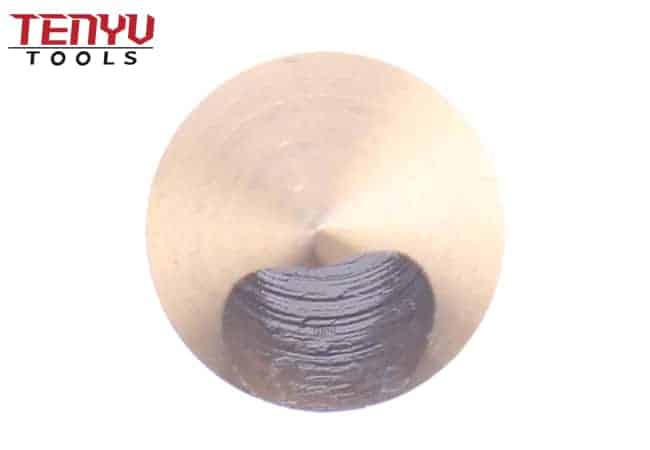
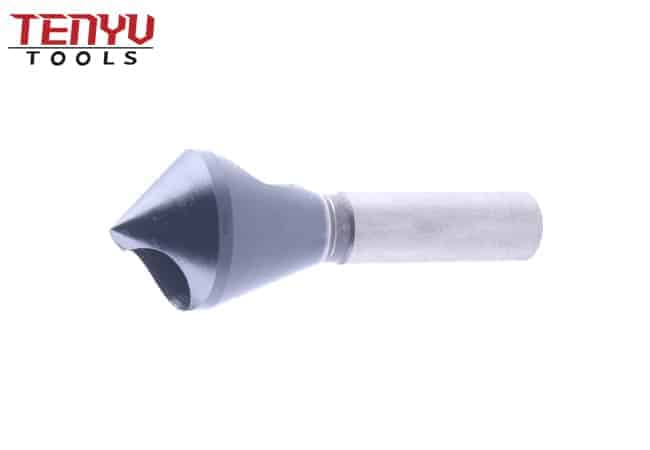
Escareador de Flauta Zero
Worried about inconsistent countersink quality, rough finishes, or unreliable bulk supply?
- Smooth chamfering with reduced chatter
- HSS material for stable cutting performance
- Bright or gold finish available
- OEM logo, size, and packaging support
- OEM & Wholesale
- Exhibition
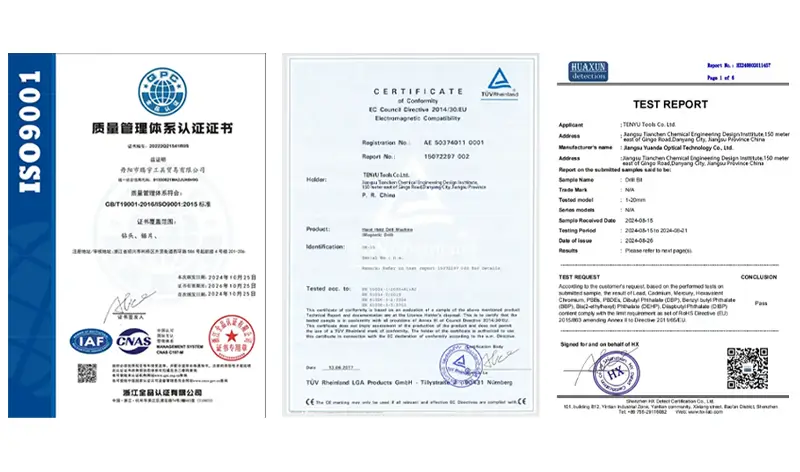
- Certificado
- Detalhes do produto
OEM & Wholesale
We supply zero flute countersink bits for importers, wholesalers, distributors, and private label brands. Custom options include material grade, surface finish, size range, logo marking, inner box, blister card, and barcode labelling.
- Caixa de plástico
- Blister Card
- Skin Card
- Wooden Box
- Others

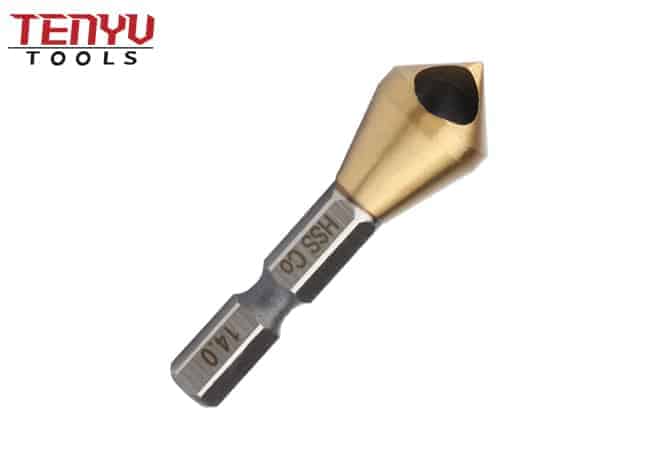
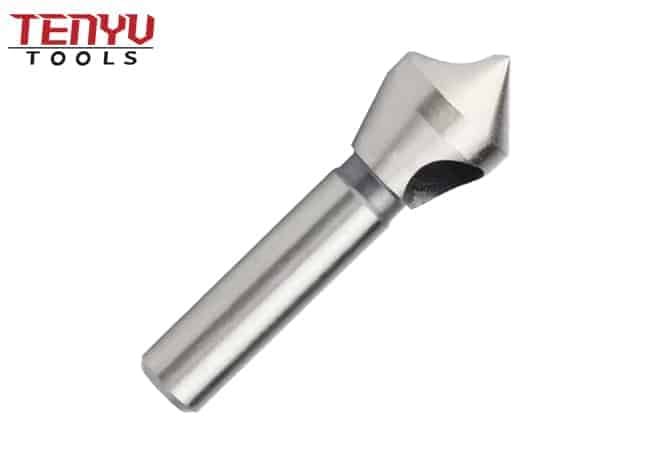
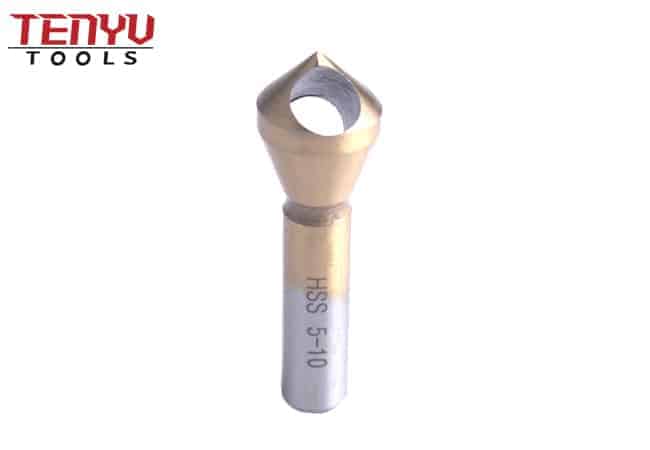
HSS 4241 Zero 0 Flauta com Broca Escareada com Revestimento Superfície Brilhante ou Dourado
- Feito de material HSS 4241, durável, máxima resistência e longevidade.
- Borda afiada lisa, efeito de corte é bom.
- A haste cilíndrica permite o uso com uma ampla variedade de sistemas de fixação de ferramentas.
- Ângulo de 90 graus na ponta para escareamento nítido e preciso.
- Ideal para cortar metal, madeira, plástico e chapas de ferro finas.
|
Descrição do produto
|
||||
|
Mais escolha para você: Casa > Broca Escareada
|
||||
|
Nome do Produto
|
HSS 4241 Zero 0 Flauta com Revestimento de Superfície Brilhante ou Dourado Broca Escareada Ferramenta para Corte de Madeira
|
|||
|
Material
|
HSS 4241
|
|||
|
Tipo de Flauta
|
Zero 0 Flauta
|
|||
|
Ângulo de corte
|
90°
|
|||
|
Shank
|
Haste Cilíndrica (Também tem Hex Shank, Morse Taper Shank)
|
|||
|
Acabamento de superfície
|
Brilhante, Dourado
|
|||
|
Pacote
|
1 peça em caixa de plástico
|
|||
|
Característica
|
1. Feito de material HSS 4241, durável, máxima resistência e longevidade 2. Borda afiada lisa, efeito de corte é bom
3. A haste cilíndrica permite o uso com uma ampla variedade de sistemas de fixação de ferramentas
4. Ângulo de 90 graus no ponto para escareamento nítido e preciso
5. Ideal para cortar metal, madeira, plástico e chapas de ferro finas |
|||
|
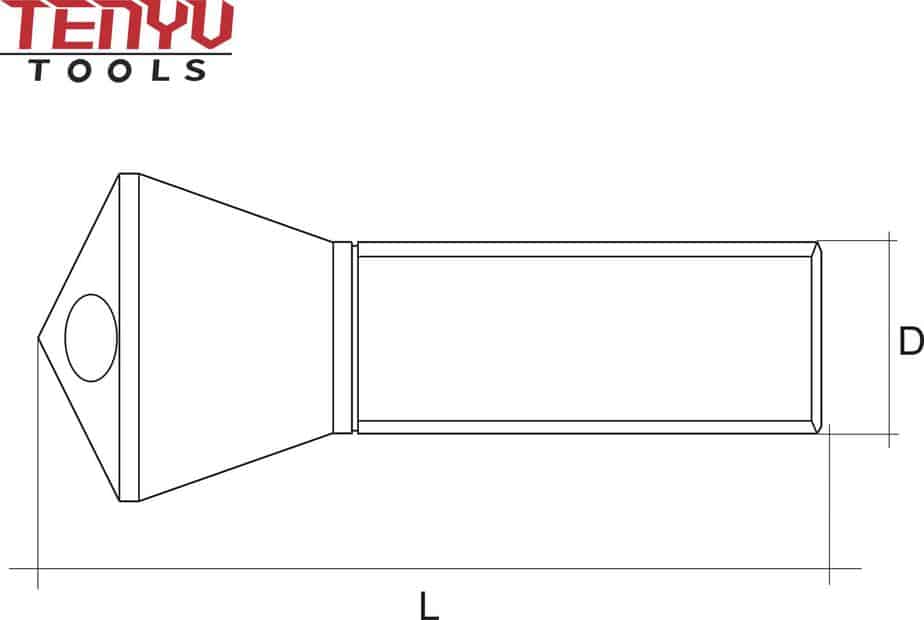
Tamanho do produto
|
||
|
Tamanho (mm)
|
L (mm)
|
D (mm)
|
|
1-4
|
40
|
4
|
|
2-5
|
45
|
6
|
|
5-10
|
48
|
8
|
|
10-15
|
65
|
10
|
|
15-20
|
85
|
12
|
|
20-25
|
102
|
15
|
|
25-30
|
115
|
15
|
|
30-35
|
127
|
15
|
|
* Custom-tailor would be available against customers’ requiremen
|
||

produtos relacionados
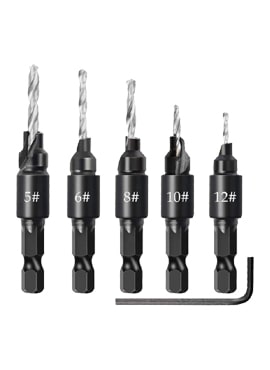
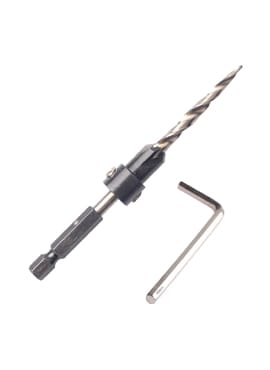
Frequently Asked Questions
Q: O que é uma Escareador?
A: A countersink is a specialized conical cutting tool used to enlarge the rim of a pre-drilled hole. It is also the term for the conical hole itself. For industrial applications, these tools are typically made from High-Speed Steel (HSS) or Cobalt (M35) to ensure clean cutting in metals and hard woods.
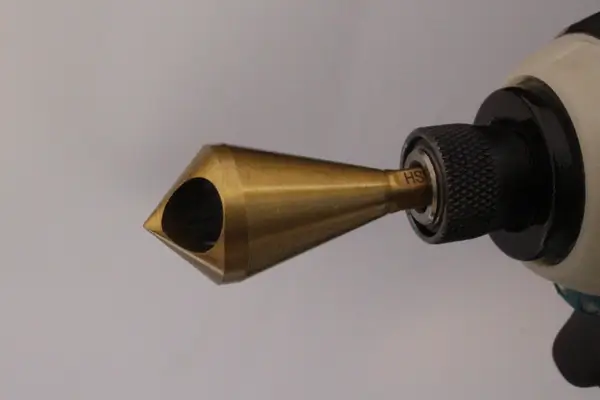
Q: What is a Countersink Used For?
A: Its primary purpose is to create a recess that allows the head of a countersunk screw or bolt to sit flush with or slightly below the surface of the material. Additionally, it is an essential tool for deburring, as it effectively removes sharp edges and burrs left behind after the initial drilling process.
Q: How do you Countersink a Hole?
A: The standard procedure involves two steps: first, drill a pilot hole for the fastener’s shank. Second, use the countersink bit at a slower RPM than standard drilling. Applying steady, controlled pressure ensures a smooth, chatter-free finish without damaging the material’s surface.
Q: How to Countersink Screws?
A: To achieve a professional finish, you must match the angle of the countersink bit to the angle of the screw head (typically 82° for imperial or 90° for metric). Drill the recess until the screw head fits perfectly flat against the workpiece. Using industrial-grade HSS bits prevents the “walking” or wobbling that often occurs with lower-quality tools.
Q: What is Countersinking?
A: Countersinking is the specific machining process of creating a conical enlargement at the opening of a hole. This process is critical in manufacturing for ensuring safety (eliminating protruding fasteners) and improving the aesthetic quality of the final assembly.
Q: What Size Countersink to Use?
A: The size of the countersink should be determined by the maximum diameter of the screw head. For example, if an M6 screw has a 12mm head diameter, you should use a countersink with at least a 12.4mm cutting range. Always verify the required angle: 90° is the global ISO standard for metric fasteners, while 82° is common for North American standards.