

Foret de coupe de carreaux
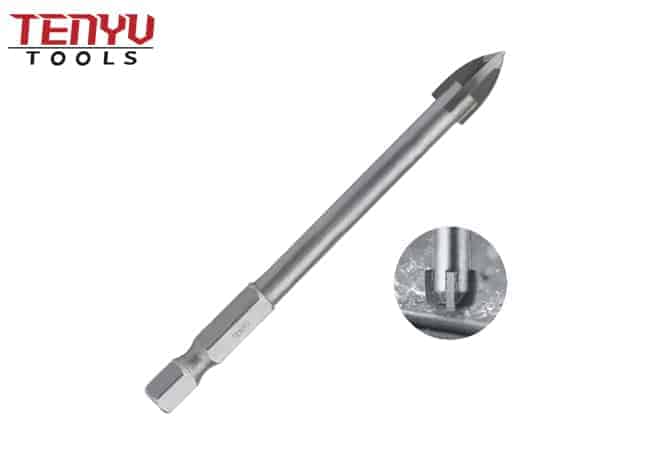
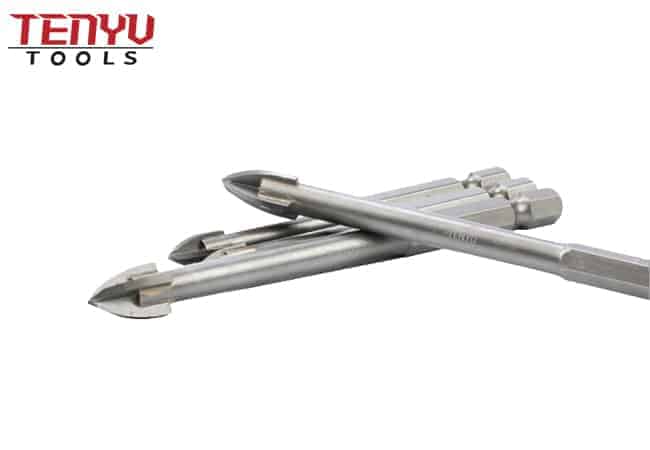
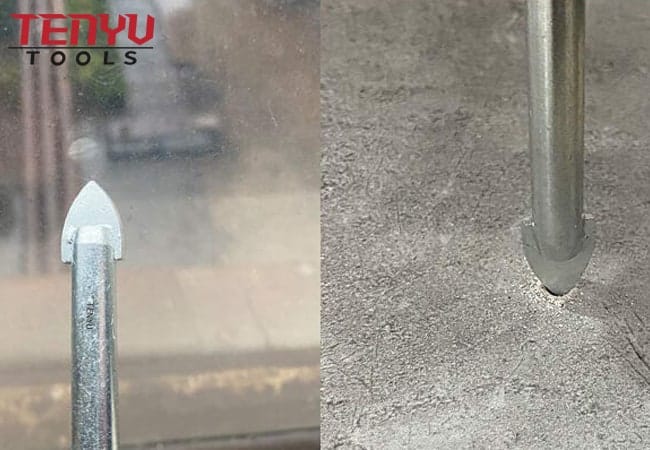
Foret de carrelage à pointe croisée en carbure à tige hexagonale de 20 mm pour le perçage rapide de briques en céramique de verre
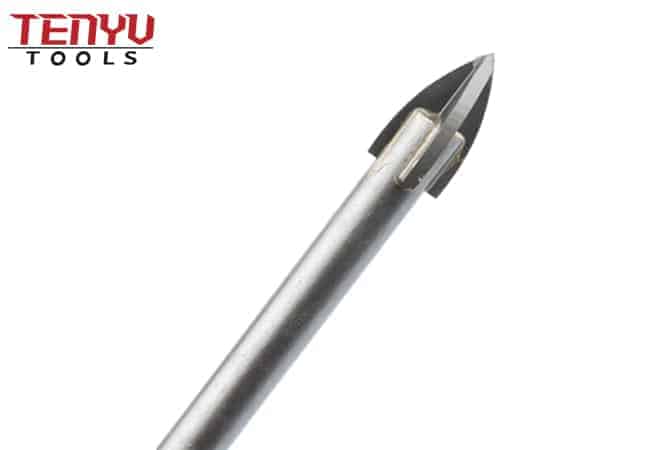
- La tête en alliage d'acier au tungstène de qualité supérieure comprend une résistance réduite ainsi qu'une précision bien meilleure et est plus résistante.
- Tige hexagonale antidérapante de 1/4 de pouce.
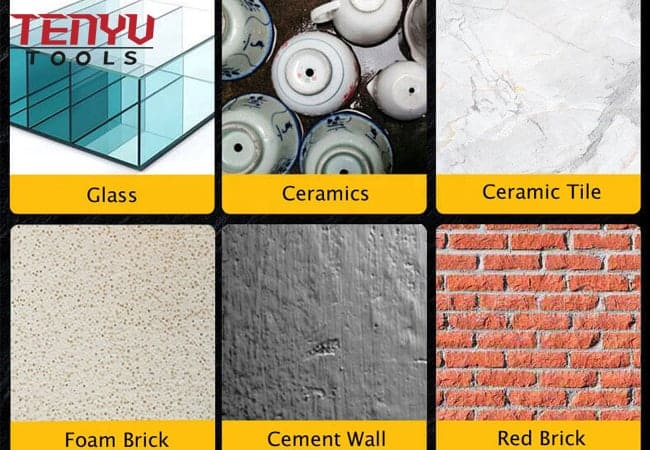
- Lors du perçage de produits difficiles (bloc émaillé, carreaux de céramique, granit), veuillez inclure de l'eau pour la climatisation.
- Percez à un rythme réduit pour rester à l'écart des fissures.
- Grande efficacité, faisant des trous précis et bien rangés pour vous.
- détails du produit
- Usine
- Matériel
| Description du produit | ||||
| Plus de choix pour vous : Maison > Foret à carreaux | ||||
| Nom du produit | Foret de carrelage à pointe croisée en carbure à tige hexagonale de 20 mm pour le perçage rapide de briques en céramique de verre | |||
| Matériau de la pointe | Carbure de tungstène (alliage YG6X) | |||
| Matériau du corps | Acier Carbone | |||
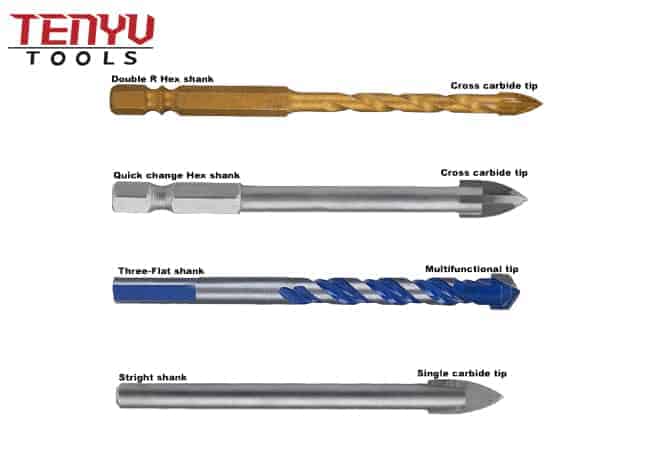
| Type de pourboire | Pointe en carbure croisé (nous avons également une pointe en carbure unique) | |||
| Jarret | Tige hexagonale à changement rapide (nous avons également une tige ronde, trois tiges plates) | |||
| Finition de surface | Sablé (Nous avons également un revêtement en titane, nickelé, chromé, oxyde noir) | |||
| Traiter | Pointe en carbure de tungstène soudée au corps en acier au carbone | |||
| Forfait | Pochette PVC, Double Blister PVC ou Carte Blister PVC | |||
| Taille du produit | |||
| Diamètre | Longueur totale | Diamètre | Longueur totale |
| millimètre | millimètre | Pouce | Pouce |
| 3 | 60 | 1/8″ | 2-1/2″ |
| 4 | 60 | 5/32″ | 2-1/2″ |
| 5 | 60 | 3/16″ | 2-1/2″ |
| 6 | 60 | 15/64″ | 2-1/2″ |
| 6.35 | 60 | 1/4″ | 2-1/2″ |
| 8 | 80 | 5/16″ | 3-1/2″ |
| 10 | 100 | 3/8″ | 4″ |
| 10 | 100 | 15/32″ | 4″ |
| 12 | 100 | 1/2″ | 4″ |
| 14 | 100 | 9/16″ | 4″ |
| 16 | 100 | 5/8″ | 4″ |
| * Un tailleur sur mesure serait disponible selon les exigences des clients | |||

Produits connexes
Frequently Asked Questions
Q: How To Drill a Hole in Glass?
A: Drilling glass requires a slow, controlled approach and the correct drill bit. Use a diamond or carbide-tipped glass drill bit and start at low speed with light pressure. Keeping the drilling area cool with water helps reduce heat buildup and minimizes the risk of cracking. Always support the glass securely to prevent vibration.

Q: Drill a Hole in a Glass Bottle?
A: To drill a hole in a glass bottle, first stabilize the bottle on a padded surface. Mark the drilling point and begin at a low speed using a glass drill bit. Apply continuous cooling with water and avoid excessive force. Gradual drilling ensures a cleaner hole and reduces the chance of breakage.
Q: Can you Drill Glass without Water?
A: Drilling glass without water is not recommended because friction can generate excessive heat, increasing the likelihood of cracking or damaging the material. Water or coolant helps lubricate the drilling area, improves cutting efficiency, and extends the lifespan of the drill bit.
Q: What Type of Drill Bit for Tile?
A: Tile drilling typically requires a carbide-tipped drill bit or a diamond drill bit, depending on the hardness of the tile. Softer ceramic tiles can often be drilled with standard masonry bits, while harder materials such as porcelain benefit from diamond-coated bits for improved precision and durability.
Q: What is the Best Drill Bit for Ceramic Tile?
A: For ceramic tile, a carbide-tipped tile drill bit or a diamond-coated bit is usually the best choice. These bits are designed to cut through the glazed surface without excessive chipping. Using low drilling speed and steady pressure helps achieve cleaner holes and protects the tile finish.
Q: Can you Drill Porcelain Tiles with a Masonry Bit?
A: While it is possible to drill porcelain tiles with a high-quality masonry bit, glass drill bits are generally more effective due to porcelain’s density and hardness. If using a masonry bit, operate at low speed and apply consistent cooling to reduce wear and prevent tile cracking.