

Fayans Kesme Matkap Ucu
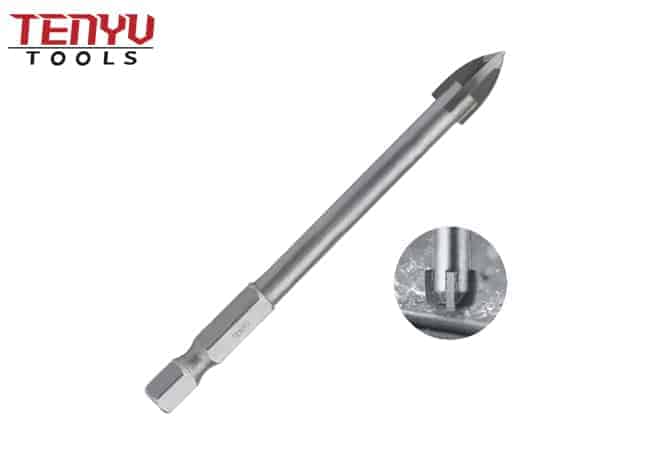
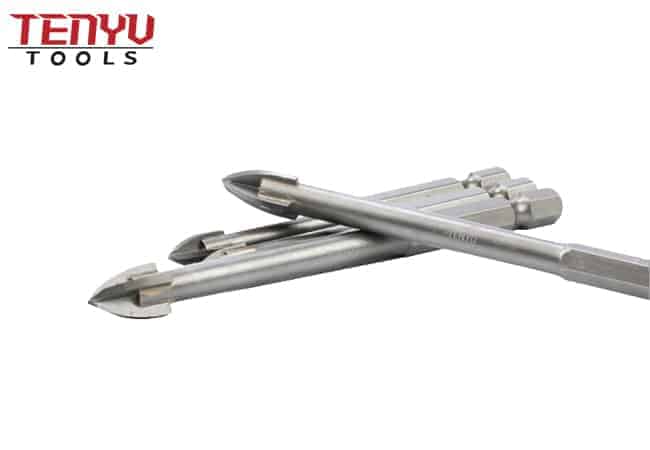
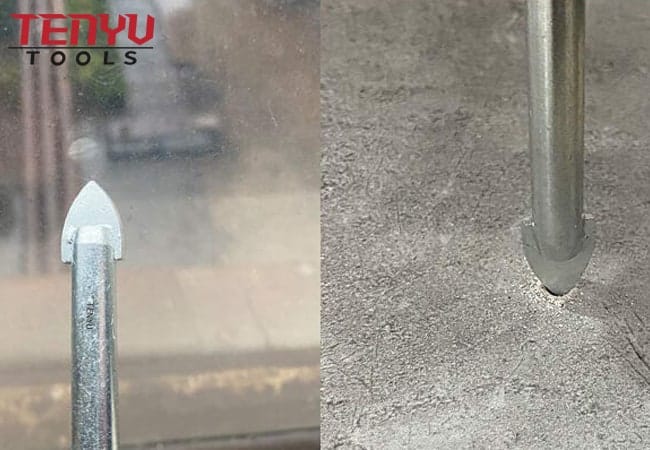
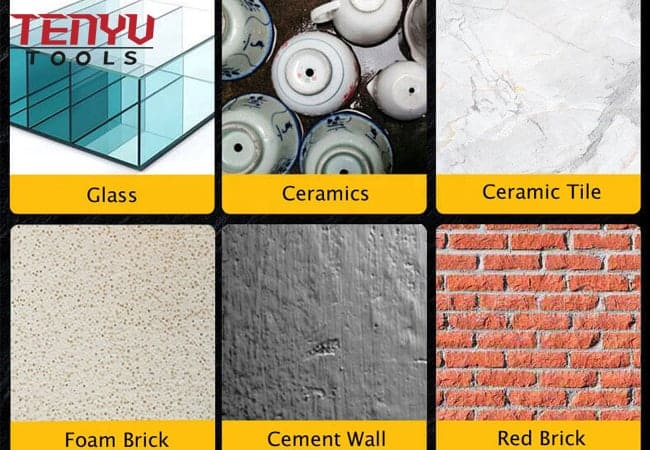
Cam Seramik Tuğla Hızlı Delme için Hex Shank Karbür Çapraz Uç 20mm Karo Matkap Ucu
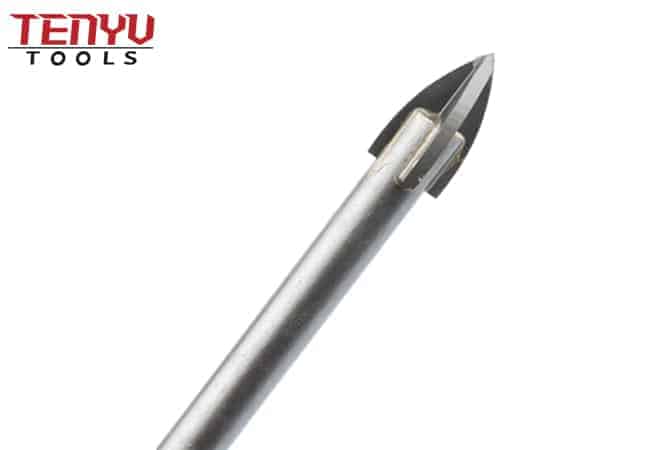
- En kaliteli tungsten çelik alaşımlı kafa, en aza indirilmiş direncin yanı sıra çok daha iyi doğruluğun yanı sıra ekstra bağışıklığa sahiptir.
- 1/4 inç kaymaz altıgen sap.
- Zor bir ürünü (sırlı blok, seramik karo, granit) delerken, lütfen klima için su ekleyin.
- Çatlaklardan uzak durmak için düşük hızda delin.
- Sizin için hassas ve aynı zamanda düzenli delikler açan büyük verimlilik.
- Ürün Detayları
- Fabrika
- Malzeme
| Ürün Açıklaması | ||||
| Sizin İçin Daha Fazla Seçenek: Ev > Fayans Matkap Ucu | ||||
| Ürün adı | Cam Seramik Tuğla Hızlı Delme için Hex Shank Karbür Çapraz Uç 20mm Karo Matkap Ucu | |||
| Uç Malzemesi | Tungsten Karbür (YG6X Alaşımı) | |||
| Gövde Malzemesi | Karbon çelik | |||
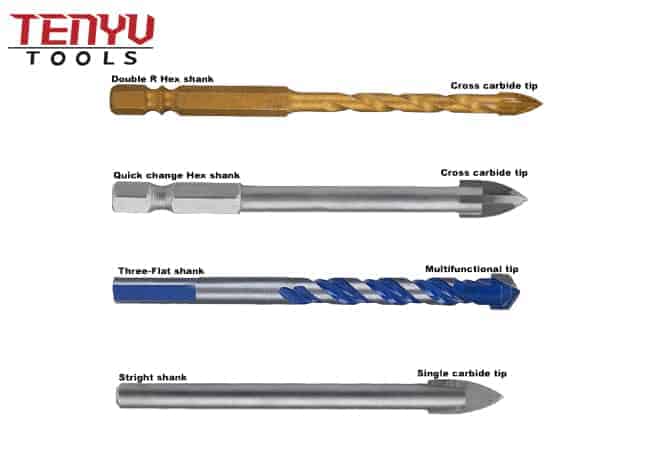
| İpucu Türü | Çapraz Karbür Ucu (Tek Karbür Ucu da var) | |||
| İncik | Hızlı Değiştirme Altıgen Şaft (Yuvarlak Şaftımız, Üç Yassı Şaftımız da var) | |||
| Yüzey | Kumlama (Titanyum Kaplamalı, Nikel Kaplamalı, Krom Kaplamalı, Siyah Oksit de mevcuttur) | |||
| İşlem | Karbon Çelik Gövdeye Kaynaklanmış Tungsten Karbür Ucu | |||
| paket | PVC Kese, PVC Çift Blister veya PVC Blister Kart | |||
| Ürün boyutu | |||
| Çap | Toplam uzunluk | Çap | Toplam uzunluk |
| mm | mm | İnç | İnç |
| 3 | 60 | 1/8″ | 2-1/2″ |
| 4 | 60 | 5/32″ | 2-1/2″ |
| 5 | 60 | 3/16″ | 2-1/2″ |
| 6 | 60 | 15/64″ | 2-1/2″ |
| 6.35 | 60 | 1/4″ | 2-1/2″ |
| 8 | 80 | 5/16″ | 3-1/2″ |
| 10 | 100 | 3/8″ | 4″ |
| 10 | 100 | 15/32″ | 4″ |
| 12 | 100 | 1/2″ | 4″ |
| 14 | 100 | 9/16″ | 4″ |
| 16 | 100 | 5/8″ | 4″ |
| * Müşterilerin gereksinimlerine göre özel terzi mevcut olacaktır. | |||

ilgili ürünler
Frequently Asked Questions
Q: How To Drill a Hole in Glass?
A: Drilling glass requires a slow, controlled approach and the correct drill bit. Use a diamond or carbide-tipped glass drill bit and start at low speed with light pressure. Keeping the drilling area cool with water helps reduce heat buildup and minimizes the risk of cracking. Always support the glass securely to prevent vibration.

Q: Drill a Hole in a Glass Bottle?
A: To drill a hole in a glass bottle, first stabilize the bottle on a padded surface. Mark the drilling point and begin at a low speed using a glass drill bit. Apply continuous cooling with water and avoid excessive force. Gradual drilling ensures a cleaner hole and reduces the chance of breakage.
Q: Can you Drill Glass without Water?
A: Drilling glass without water is not recommended because friction can generate excessive heat, increasing the likelihood of cracking or damaging the material. Water or coolant helps lubricate the drilling area, improves cutting efficiency, and extends the lifespan of the drill bit.
Q: What Type of Drill Bit for Tile?
A: Tile drilling typically requires a carbide-tipped drill bit or a diamond drill bit, depending on the hardness of the tile. Softer ceramic tiles can often be drilled with standard masonry bits, while harder materials such as porcelain benefit from diamond-coated bits for improved precision and durability.
Q: What is the Best Drill Bit for Ceramic Tile?
A: For ceramic tile, a carbide-tipped tile drill bit or a diamond-coated bit is usually the best choice. These bits are designed to cut through the glazed surface without excessive chipping. Using low drilling speed and steady pressure helps achieve cleaner holes and protects the tile finish.
Q: Can you Drill Porcelain Tiles with a Masonry Bit?
A: While it is possible to drill porcelain tiles with a high-quality masonry bit, glass drill bits are generally more effective due to porcelain’s density and hardness. If using a masonry bit, operate at low speed and apply consistent cooling to reduce wear and prevent tile cracking.