

Bohrer zum Schneiden von Fliesen
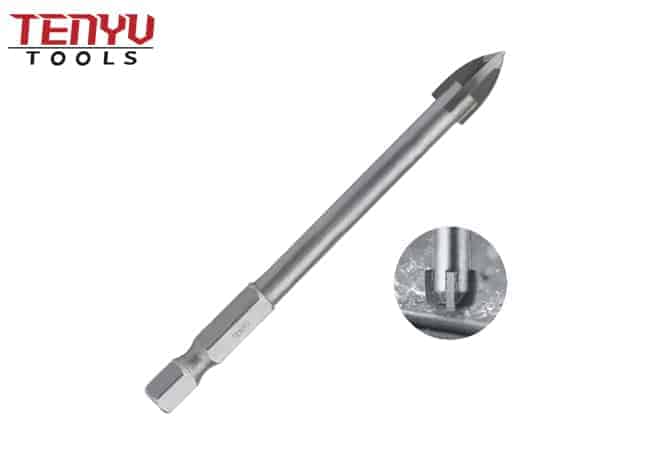
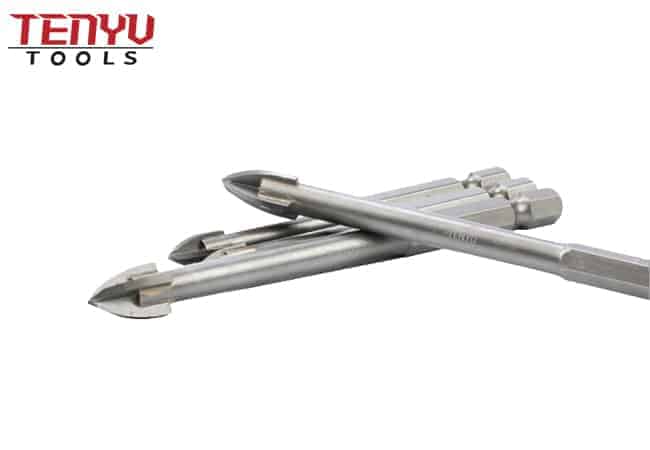
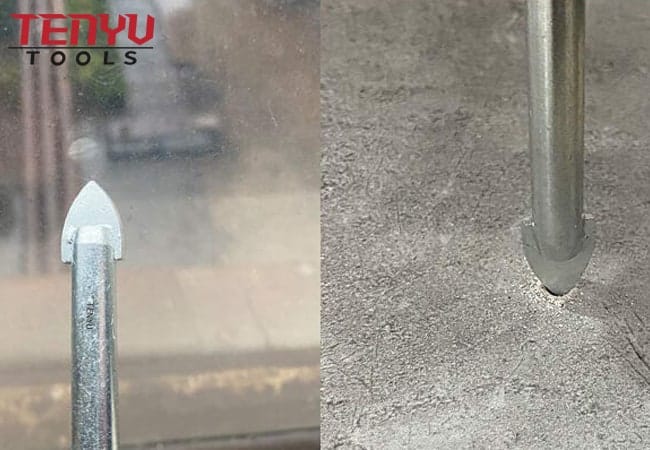
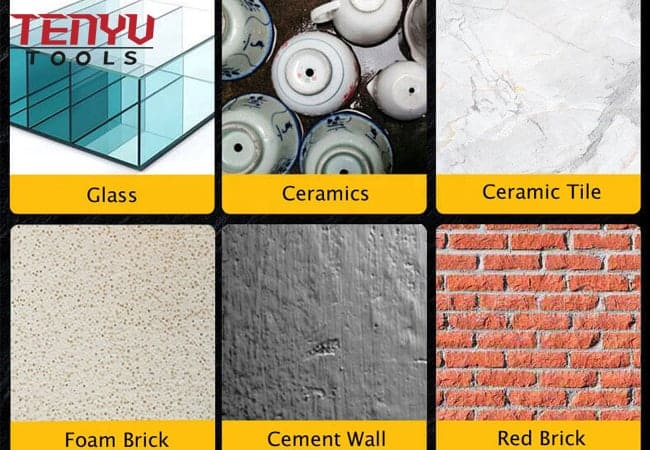
Sechskantschaft Hartmetall Kreuzspitze 20 mm Fliesenbohrer zum schnellen Bohren von Glaskeramiksteinen
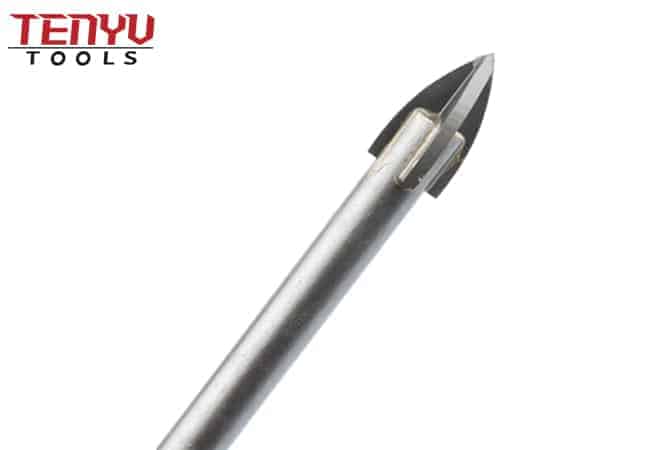
- Der Kopf aus hochwertiger Wolframstahllegierung bietet einen minimierten Widerstand sowie eine weitaus bessere Genauigkeit und ist besonders widerstandsfähig.
- 1/4 Zoll rutschfester Sechskantschaft.
- Beim Bohren von schwierigen Produkten (glasierter Block, Keramikfliesen, Granit) bitte Wasser für die Klimaanlage mit einbeziehen.
- Bohren Sie mit reduzierter Geschwindigkeit, um Risse zu vermeiden.
- Große Effizienz, die präzise und auch saubere Löcher für Sie macht.
- Produktdetails
- Fabrik
- Material
| Produktbeschreibung | ||||
| Mehr Auswahl für Sie: Heim > Fliesenbohrer | ||||
| Produktname | Sechskantschaft Hartmetall Kreuzspitze 20 mm Fliesenbohrer zum schnellen Bohren von Glaskeramiksteinen | |||
| Spitzenmaterial | Wolframkarbid (YG6X-Legierung) | |||
| Körpermaterial | Kohlenstoffstahl | |||
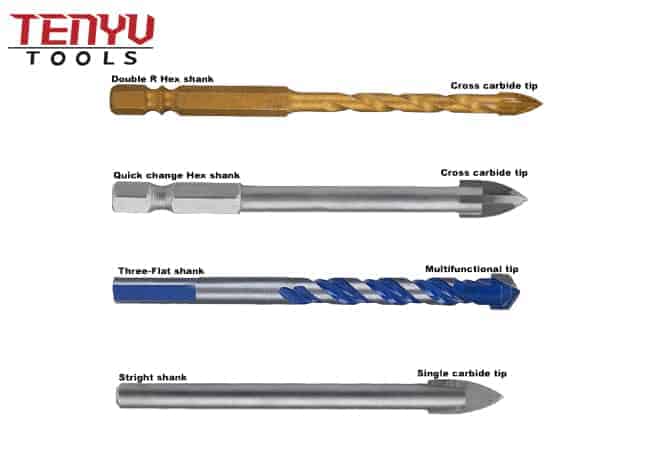
| Tipptyp | Kreuzhartmetallspitze (Wir haben auch Einzelhartmetallspitze) | |||
| Schaft | Schnellwechsel-Sechskantschaft (Wir haben auch Rundschaft, drei Flachschaft) | |||
| Oberflächenveredlung | Sandgestrahlt (wir haben auch titanbeschichtet, vernickelt, verchromt, schwarz oxidiert) | |||
| Verfahren | Wolframcarbid-Spitze an Kohlenstoffstahlkörper geschweißt | |||
| Paket | PVC-Beutel, PVC-Doppelblister oder PVC-Blisterkarte | |||
| Produktgröße | |||
| Durchmesser | Gesamtlänge | Durchmesser | Gesamtlänge |
| mm | mm | Zoll | Zoll |
| 3 | 60 | 1/8″ | 2-1/2″ |
| 4 | 60 | 5/32″ | 2-1/2″ |
| 5 | 60 | 3/16″ | 2-1/2″ |
| 6 | 60 | 15/64″ | 2-1/2″ |
| 6.35 | 60 | 1/4″ | 2-1/2″ |
| 8 | 80 | 5/16″ | 3-1/2″ |
| 10 | 100 | 3/8″ | 4″ |
| 10 | 100 | 15/32″ | 4″ |
| 12 | 100 | 1/2″ | 4″ |
| 14 | 100 | 9/16″ | 4″ |
| 16 | 100 | 5/8″ | 4″ |
| * Maßschneider wäre gegen die Anforderungen der Kunden verfügbar | |||

Verwandte Produkte
Frequently Asked Questions
Q: How To Drill a Hole in Glass?
A: Drilling glass requires a slow, controlled approach and the correct drill bit. Use a diamond or carbide-tipped glass drill bit and start at low speed with light pressure. Keeping the drilling area cool with water helps reduce heat buildup and minimizes the risk of cracking. Always support the glass securely to prevent vibration.

Q: Drill a Hole in a Glass Bottle?
A: To drill a hole in a glass bottle, first stabilize the bottle on a padded surface. Mark the drilling point and begin at a low speed using a glass drill bit. Apply continuous cooling with water and avoid excessive force. Gradual drilling ensures a cleaner hole and reduces the chance of breakage.
Q: Can you Drill Glass without Water?
A: Drilling glass without water is not recommended because friction can generate excessive heat, increasing the likelihood of cracking or damaging the material. Water or coolant helps lubricate the drilling area, improves cutting efficiency, and extends the lifespan of the drill bit.
Q: What Type of Drill Bit for Tile?
A: Tile drilling typically requires a carbide-tipped drill bit or a diamond drill bit, depending on the hardness of the tile. Softer ceramic tiles can often be drilled with standard masonry bits, while harder materials such as porcelain benefit from diamond-coated bits for improved precision and durability.
Q: What is the Best Drill Bit for Ceramic Tile?
A: For ceramic tile, a carbide-tipped tile drill bit or a diamond-coated bit is usually the best choice. These bits are designed to cut through the glazed surface without excessive chipping. Using low drilling speed and steady pressure helps achieve cleaner holes and protects the tile finish.
Q: Can you Drill Porcelain Tiles with a Masonry Bit?
A: While it is possible to drill porcelain tiles with a high-quality masonry bit, glass drill bits are generally more effective due to porcelain’s density and hardness. If using a masonry bit, operate at low speed and apply consistent cooling to reduce wear and prevent tile cracking.