

Broca para cortar azulejos
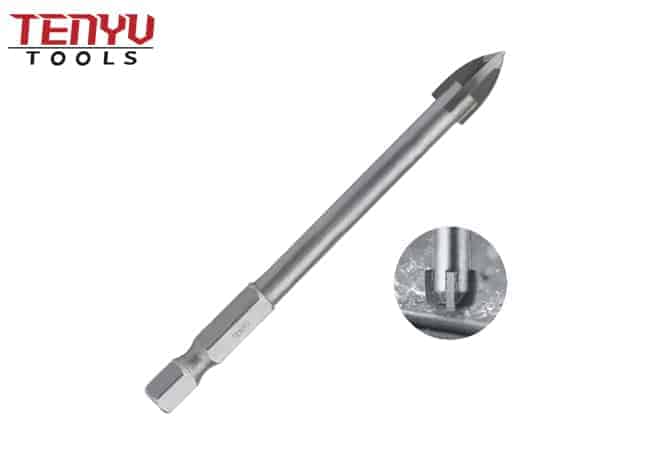
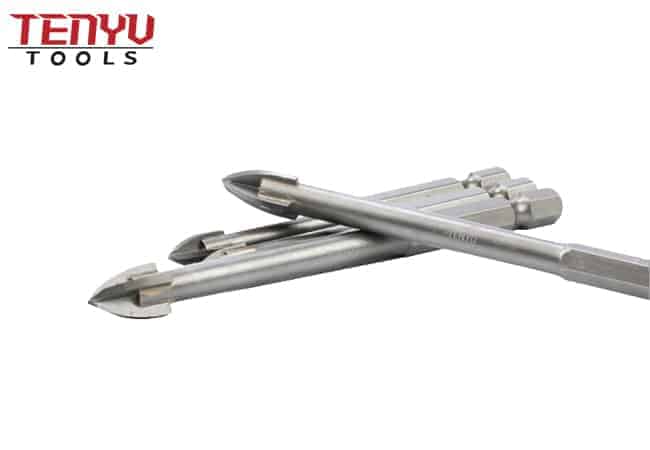
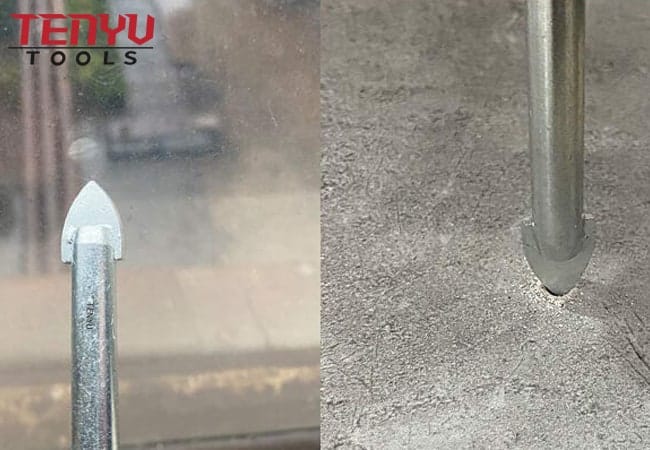
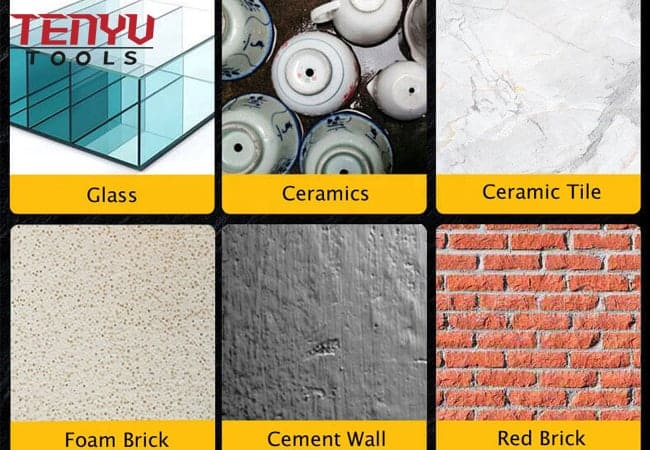
Broca para azulejos de 20 mm con punta cruzada de carburo de vástago hexagonal para perforación rápida de ladrillos cerámicos de vidrio
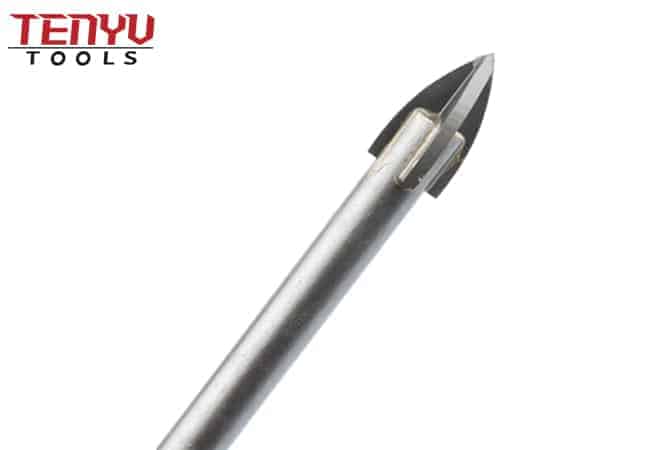
- La cabeza de aleación de acero de tungsteno de alta calidad incluye una resistencia mínima y una precisión mucho mayor y es más inmune a la exposición.
- Vástago hexagonal antideslizante de 1/4 de pulgada.
- Al taladrar productos difíciles (bloque vidriado, baldosas de cerámica, granito), incluya agua para el aire acondicionado.
- Perfore a una velocidad reducida para evitar grietas.
- Gran eficiencia, haciendo agujeros precisos y también ordenados para usted.
- Detalles de producto
- Fábrica
- Material
| Descripción del producto | ||||
| Más opciones para usted: Hogar > Broca para azulejos | ||||
| nombre del producto | Broca para azulejos de 20 mm con punta cruzada de carburo de vástago hexagonal para perforación rápida de ladrillos cerámicos de vidrio | |||
| Material de la punta | Carburo de tungsteno (aleación YG6X) | |||
| Cuerpo material | Acero carbono | |||
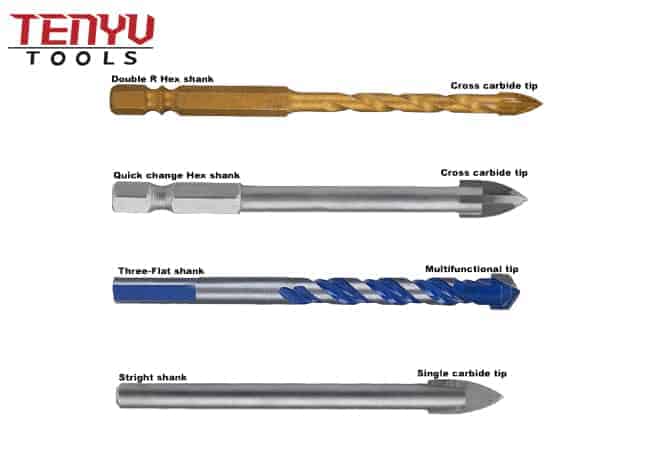
| Tipo de punta | Punta de carburo cruzada (también tenemos punta de carburo simple) | |||
| Caña | Vástago hexagonal de cambio rápido (también tenemos vástago redondo, tres vástagos planos) | |||
| Acabado de la superficie | Chorro de arena (también tenemos revestimiento de titanio, niquelado, cromado, óxido negro) | |||
| Proceso | Punta de carburo de tungsteno soldada al cuerpo de acero al carbono | |||
| Paquete | Bolsa de PVC, Blíster doble de PVC o Tarjeta de blíster de PVC | |||
| Tamaño del producto | |||
| Diámetro | Longitud total | Diámetro | Longitud total |
| milímetro | milímetro | Pulgada | Pulgada |
| 3 | 60 | 1/8″ | 2-1/2″ |
| 4 | 60 | 5/32″ | 2-1/2″ |
| 5 | 60 | 3/16″ | 2-1/2″ |
| 6 | 60 | 15/64″ | 2-1/2″ |
| 6.35 | 60 | 1/4″ | 2-1/2″ |
| 8 | 80 | 5/16″ | 3-1/2″ |
| 10 | 100 | 3/8″ | 4″ |
| 10 | 100 | 15/32″ | 4″ |
| 12 | 100 | 1/2″ | 4″ |
| 14 | 100 | 9/16″ | 4″ |
| 16 | 100 | 5/8″ | 4″ |
| * Custom-sastre estaría disponible contra los requisitos de los clientes | |||

Productos relacionados
Frequently Asked Questions
Q: How To Drill a Hole in Glass?
A: Drilling glass requires a slow, controlled approach and the correct drill bit. Use a diamond or carbide-tipped glass drill bit and start at low speed with light pressure. Keeping the drilling area cool with water helps reduce heat buildup and minimizes the risk of cracking. Always support the glass securely to prevent vibration.

Q: Drill a Hole in a Glass Bottle?
A: To drill a hole in a glass bottle, first stabilize the bottle on a padded surface. Mark the drilling point and begin at a low speed using a glass drill bit. Apply continuous cooling with water and avoid excessive force. Gradual drilling ensures a cleaner hole and reduces the chance of breakage.
Q: Can you Drill Glass without Water?
A: Drilling glass without water is not recommended because friction can generate excessive heat, increasing the likelihood of cracking or damaging the material. Water or coolant helps lubricate the drilling area, improves cutting efficiency, and extends the lifespan of the drill bit.
Q: What Type of Drill Bit for Tile?
A: Tile drilling typically requires a carbide-tipped drill bit or a diamond drill bit, depending on the hardness of the tile. Softer ceramic tiles can often be drilled with standard masonry bits, while harder materials such as porcelain benefit from diamond-coated bits for improved precision and durability.
Q: What is the Best Drill Bit for Ceramic Tile?
A: For ceramic tile, a carbide-tipped tile drill bit or a diamond-coated bit is usually the best choice. These bits are designed to cut through the glazed surface without excessive chipping. Using low drilling speed and steady pressure helps achieve cleaner holes and protects the tile finish.
Q: ¿Se pueden perforar baldosas de porcelana con una broca para mampostería?
A: While it is possible to drill porcelain tiles with a high-quality masonry bit, glass drill bits are generally more effective due to porcelain’s density and hardness. If using a masonry bit, operate at low speed and apply consistent cooling to reduce wear and prevent tile cracking.