


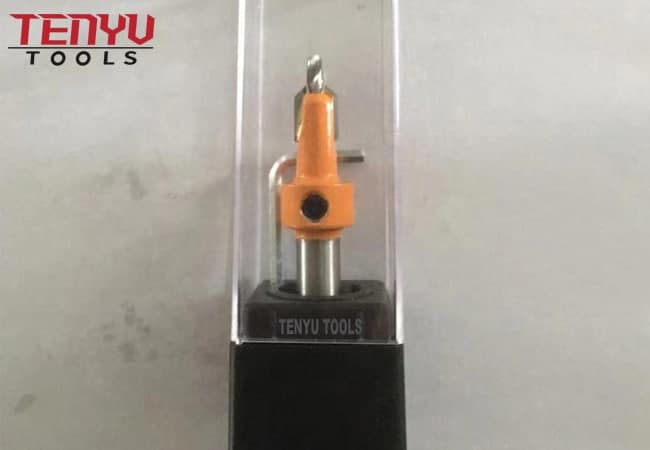
Avellanador de carpintería
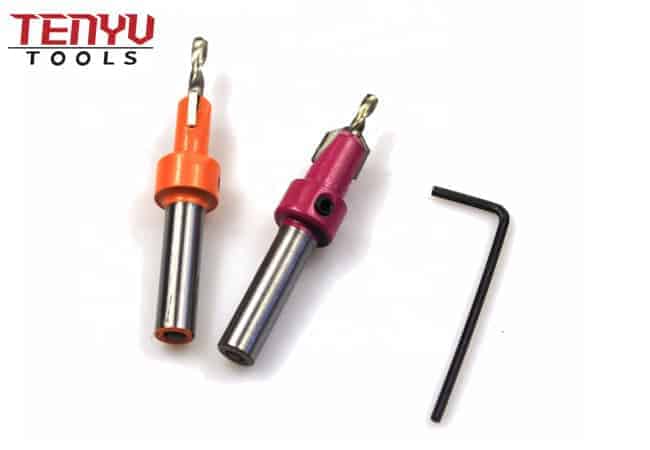
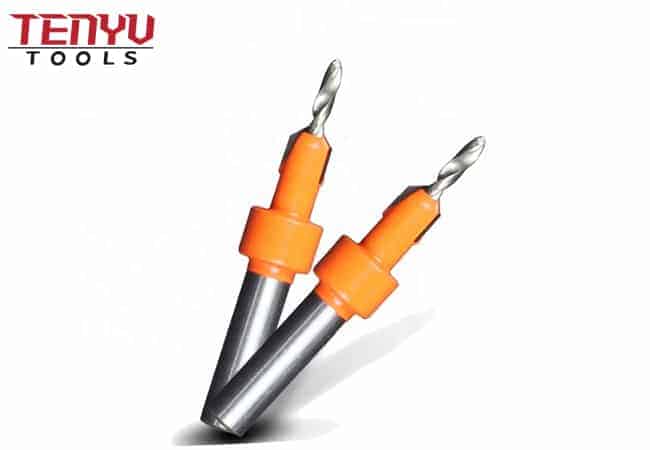
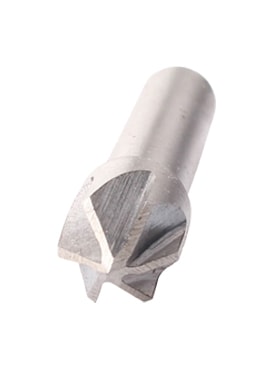
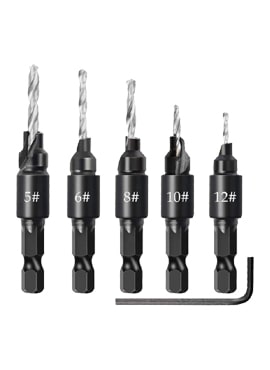
Juego de herramientas de desbarbado TCT, avellanador Hss, brocas para agujeros de madera con anillo de tornillo magnético, broca para taladrar madera
- Hecho de carburo de tungsteno de calidad.
- Ayudarlo a completar su trabajo de madera sin problemas y de manera eficiente.
- Aplicar para biselar y cortar madera, madera contrachapada, tableros de fibra, tableros de partículas, plástico, tableros de PVC y otros materiales blandos.
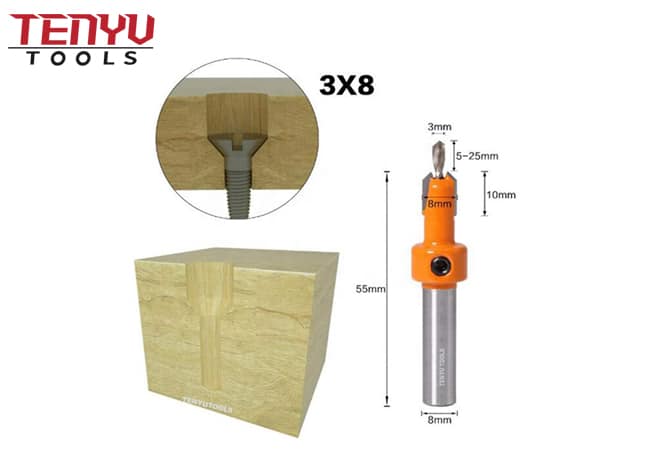
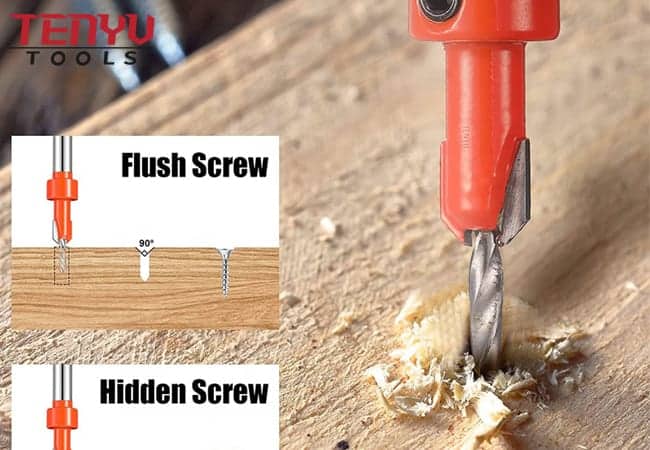
- El arrancador de tornillo con avellanador puede controlar la profundidad del orificio, quitar el tornillo y establecer la longitud del avellanado.
- Fácil de perforar y hundir.
- Detalles de producto
- Fábrica
- Material
| nombre del producto | Juego de herramientas de desbarbado TCT, avellanador Hss, brocas para agujeros de madera con anillo de tornillo magnético, broca para taladrar madera |
| Color | Amarillo, Negro, Rojo |
| Usar | desbarbado de chaflanes para madera y metales no ferrosos |

Productos relacionados
Frequently Asked Questions
Q: What is a Countersink?
A: A countersink is a specialized conical cutting tool designed to enlarge the entrance of a pre-drilled hole. Unlike a standard drill bit that creates a cylindrical path, a countersink creates a V-shaped recess, allowing fasteners to sit perfectly within the material.
Q: What is a Countersink Used For?
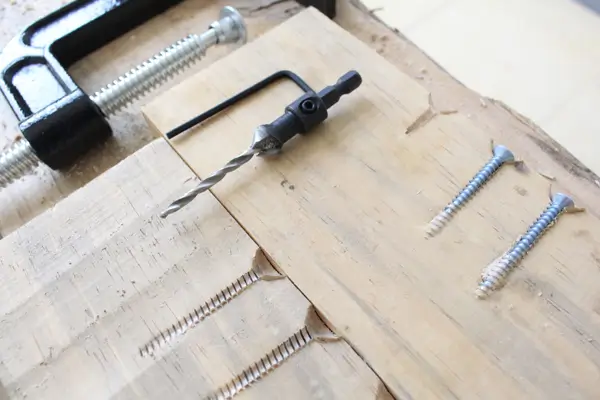
A: The primary function of this tool is to allow the head of a countersunk bolt or screw to sit flush with, or slightly below, the surface of the workpiece. Additionally, they are widely used in industrial fabrication for deburring—removing the sharp ridges or burrs left behind after a standard drilling operation.
Q: How do you Countersink a Hole?
A: The process begins by drilling a pilot hole that matches the diameter of the screw’s shank. Next, the countersink bit is applied to the top of the hole. For professional results, it is crucial to use a steady, controlled speed; excessive speed can cause “chatter” marks, while consistent pressure ensures a smooth, concentric finish.
Q: How to Countersink Screws?
A: To achieve a seamless flush finish, you must match the angle of your countersink bit (commonly 82° or 90°) to the angle of the screw head. Apply the tool until the widest part of the conical hole matches the diameter of the screw head. This ensures the fastener provides maximum holding power without protruding.
Q: What is Countersinking?
A: Countersinking is a machining operation that involves enlarging the rim of a hole to a conical shape. In professional metalworking and woodworking, this step is essential for both aesthetic quality—creating a clean, flat surface and functional safety by eliminating snagging hazards from protruding screw heads.
Q: What Size Countersink to Use?
A: As a general rule for wholesalers and technicians, the diameter of the countersink should always be slightly larger than the head of the screw being used. For example, if you are using a screw with a 10mm head, a 12mm countersink is often preferred to ensure the screw can be fully recessed without interference.