

Broca de corte de ladrilhos
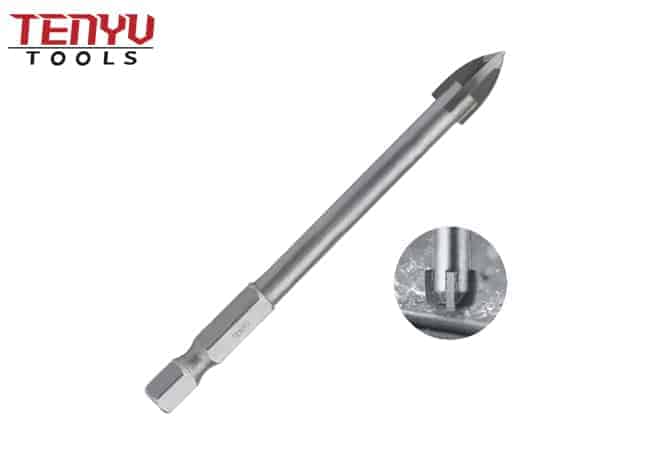
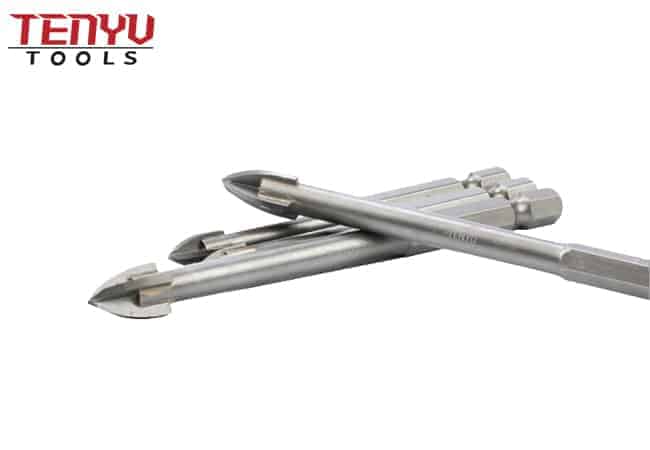
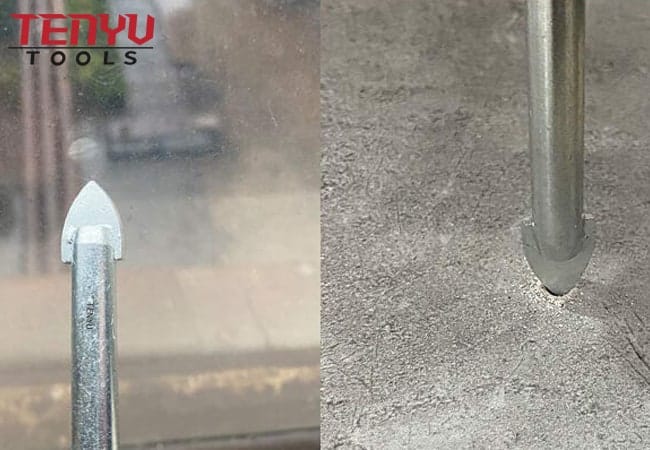
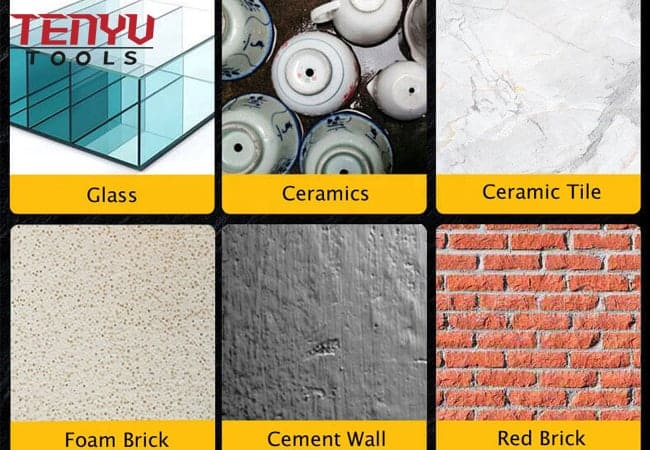
Broca Hex Shank Carbide Cross Tip 20mm Tile Broca para Vidro Cerâmico Tijolo Perfuração Rápida
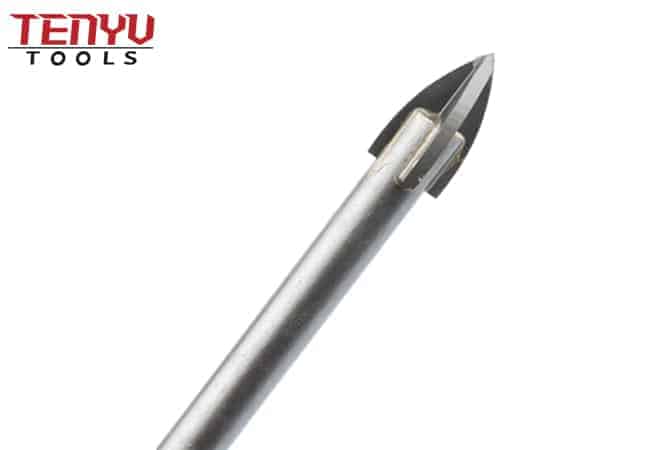
- Cabeça de liga de aço de tungstênio de alta qualidade inclui resistência minimizada e precisão muito melhor e é ainda mais imune.
- Haste sextavada antiderrapante de 1/4 de polegada.
- Ao perfurar produtos difíceis (bloco esmaltado, telha cerâmica, granito), inclua água para ar condicionado.
- Perfure a uma taxa reduzida para ficar livre de rachaduras.
- Grande eficiência, fazendo furos precisos e também arrumados para você.
- Detalhes do produto
- Fábrica
- Material
| Descrição do produto | ||||
| Mais escolha para você: Casa > Broca de Telha | ||||
| Nome do Produto | Broca Hex Shank Carbide Cross Tip 20mm Tile Broca para Vidro Cerâmico Tijolo Perfuração Rápida | |||
| Material da Ponta | Carboneto de tungstênio (liga YG6X) | |||
| Material do corpo | Aço carbono | |||
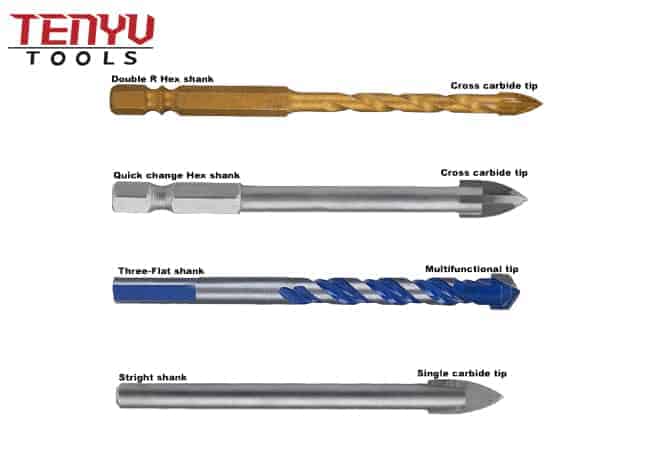
| Tipo de Ponta | Ponta de carboneto cruzado (também temos ponta de carboneto única) | |||
| Shank | Haste hexagonal de mudança rápida (também temos haste redonda, haste plana de três) | |||
| Acabamento de superfície | Jateado com areia (também temos revestido de titânio, niquelado, cromado, óxido preto) | |||
| Processo | Ponta de carboneto de tungstênio soldada ao corpo de aço carbono | |||
| Pacote | Bolsa de pvc, bolha dupla de pvc ou cartão de bolha de pvc | |||
| Tamanho do produto | |||
| Diâmetro | Comprimento total | Diâmetro | Comprimento total |
| milímetros | milímetros | Polegada | Polegada |
| 3 | 60 | 1/8″ | 2-1/2″ |
| 4 | 60 | 5/32″ | 2-1/2″ |
| 5 | 60 | 3/16″ | 2-1/2″ |
| 6 | 60 | 15/64″ | 2-1/2″ |
| 6.35 | 60 | 1/4″ | 2-1/2″ |
| 8 | 80 | 5/16″ | 3-1/2″ |
| 10 | 100 | 3/8″ | 4″ |
| 10 | 100 | 15/32″ | 4″ |
| 12 | 100 | 1/2″ | 4″ |
| 14 | 100 | 9/16″ | 4″ |
| 16 | 100 | 5/8″ | 4″ |
| * Custom-tailor estaria disponível de acordo com os requisitos dos clientes | |||

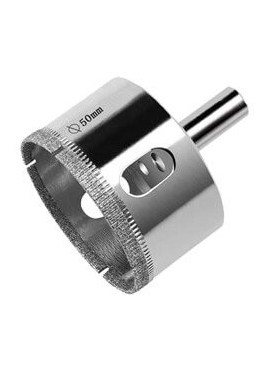
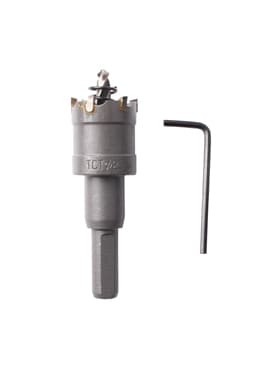
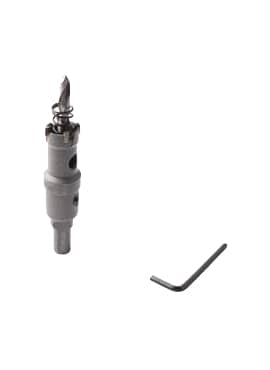
produtos relacionados
Frequently Asked Questions
Q: How To Drill a Hole in Glass?
A: Drilling glass requires a slow, controlled approach and the correct drill bit. Use a diamond or carbide-tipped glass drill bit and start at low speed with light pressure. Keeping the drilling area cool with water helps reduce heat buildup and minimizes the risk of cracking. Always support the glass securely to prevent vibration.

Q: Drill a Hole in a Glass Bottle?
A: To drill a hole in a glass bottle, first stabilize the bottle on a padded surface. Mark the drilling point and begin at a low speed using a glass drill bit. Apply continuous cooling with water and avoid excessive force. Gradual drilling ensures a cleaner hole and reduces the chance of breakage.
Q: Can you Drill Glass without Water?
A: Drilling glass without water is not recommended because friction can generate excessive heat, increasing the likelihood of cracking or damaging the material. Water or coolant helps lubricate the drilling area, improves cutting efficiency, and extends the lifespan of the drill bit.
Q: What Type of Drill Bit for Tile?
A: Tile drilling typically requires a carbide-tipped drill bit or a diamond drill bit, depending on the hardness of the tile. Softer ceramic tiles can often be drilled with standard masonry bits, while harder materials such as porcelain benefit from diamond-coated bits for improved precision and durability.
Q: What is the Best Drill Bit for Ceramic Tile?
A: For ceramic tile, a carbide-tipped tile drill bit or a diamond-coated bit is usually the best choice. These bits are designed to cut through the glazed surface without excessive chipping. Using low drilling speed and steady pressure helps achieve cleaner holes and protects the tile finish.
Q: Can you Drill Porcelain Tiles with a Masonry Bit?
A: While it is possible to drill porcelain tiles with a high-quality masonry bit, glass drill bits are generally more effective due to porcelain’s density and hardness. If using a masonry bit, operate at low speed and apply consistent cooling to reduce wear and prevent tile cracking.