...

Your Best Reliable Cobalt vs HSS Drill Bits Manufacturer and Supplier

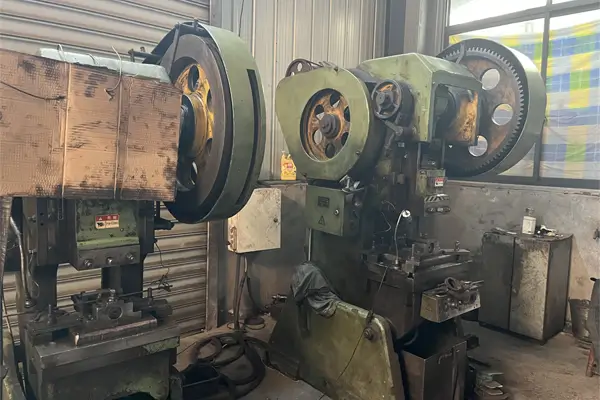
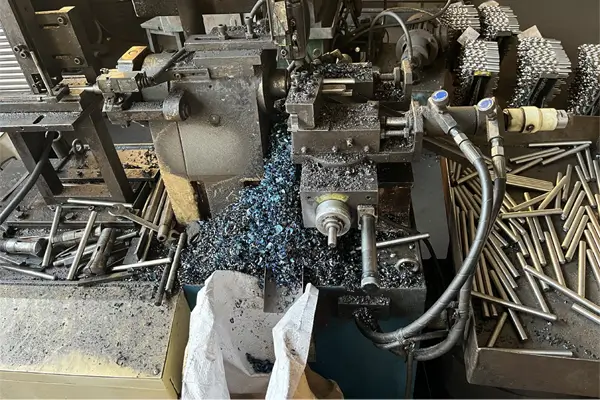
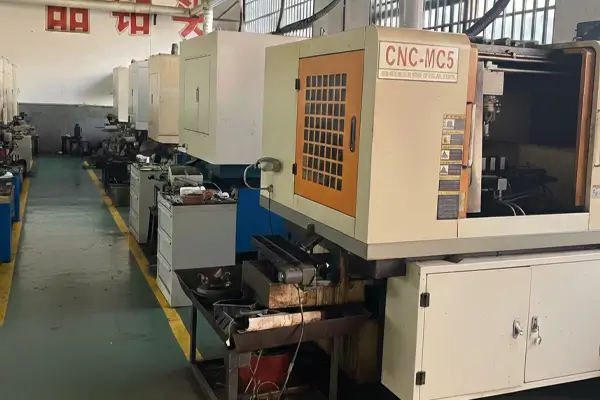
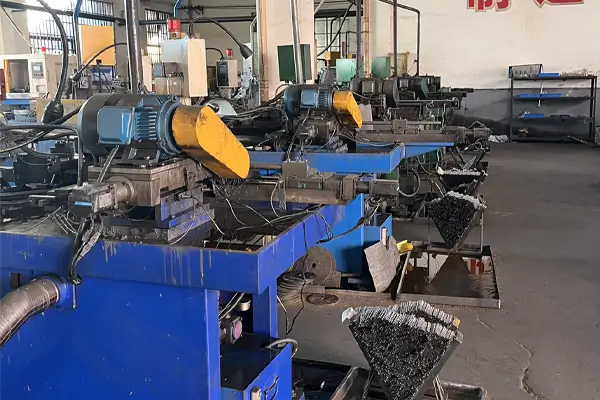
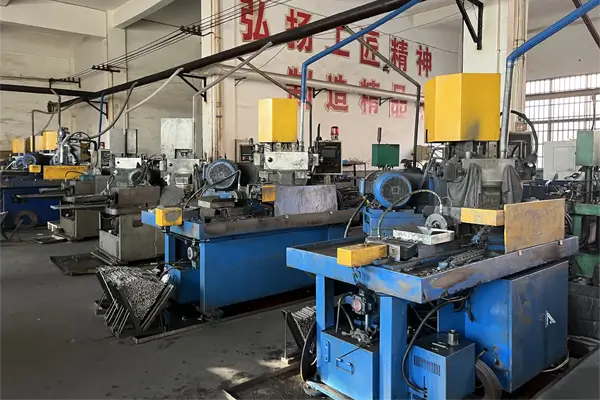
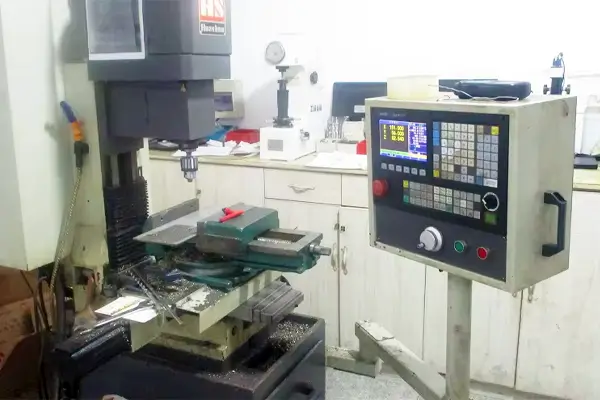
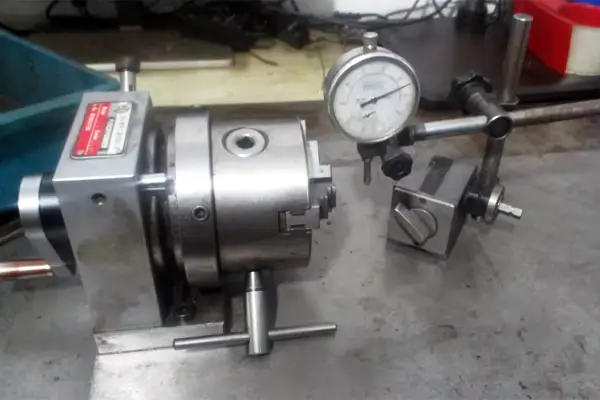
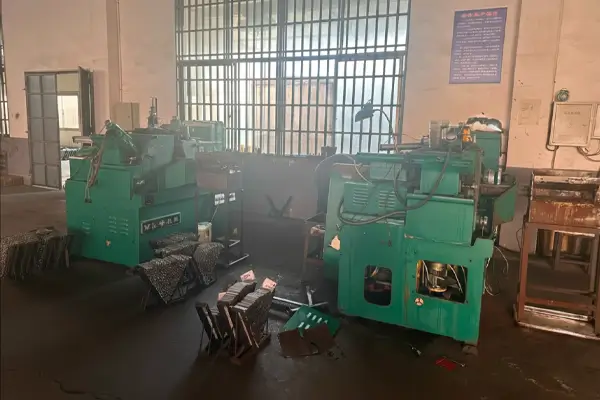
Tenyu Tool Professional Production Workshop for Cobalt vs HSS Drill Bits

Support online face-to-face factory visits

garden auger drill bit 20
Concrete Diamond Blade 21

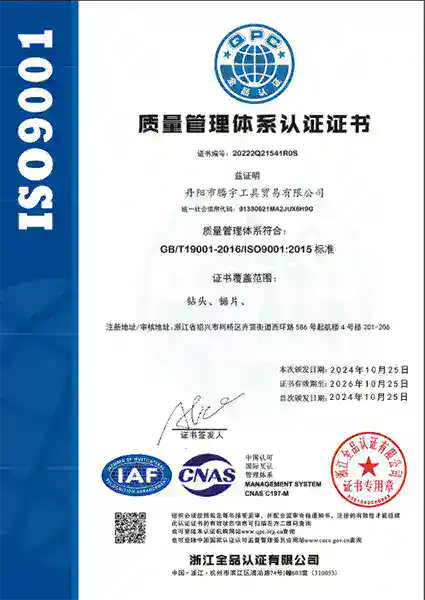
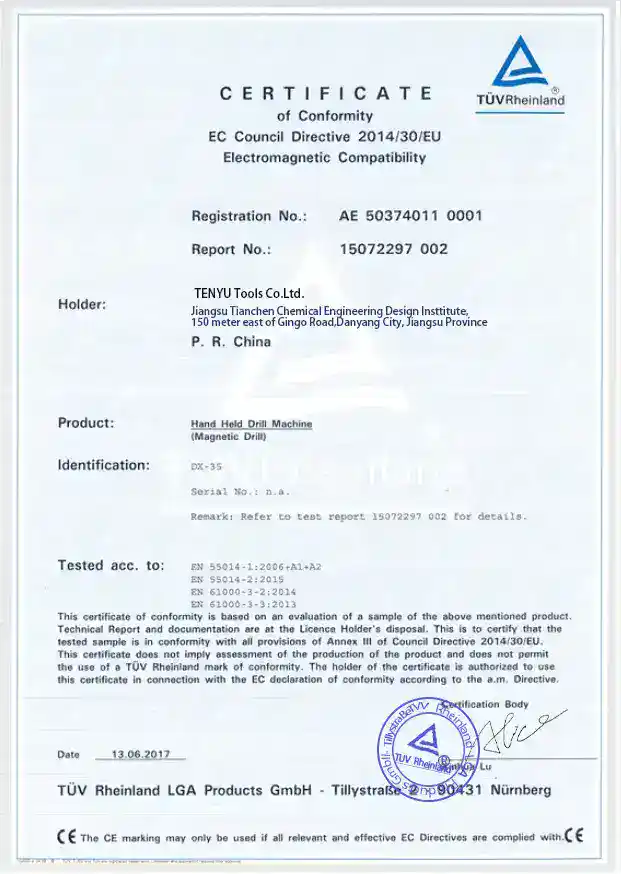
Qualification Certificate

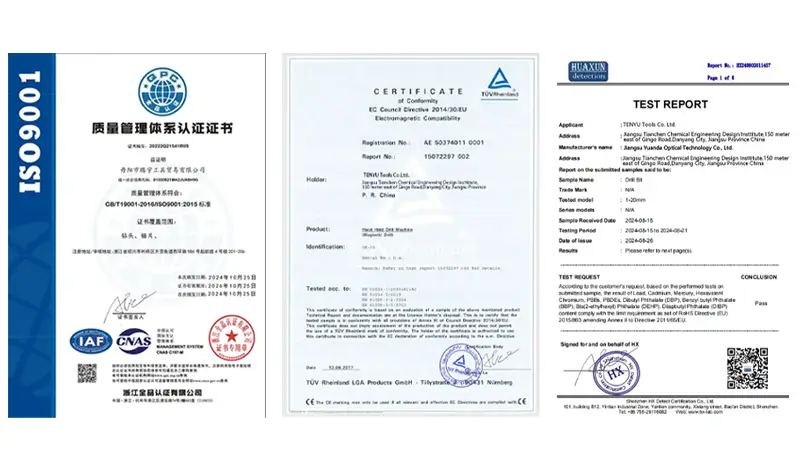
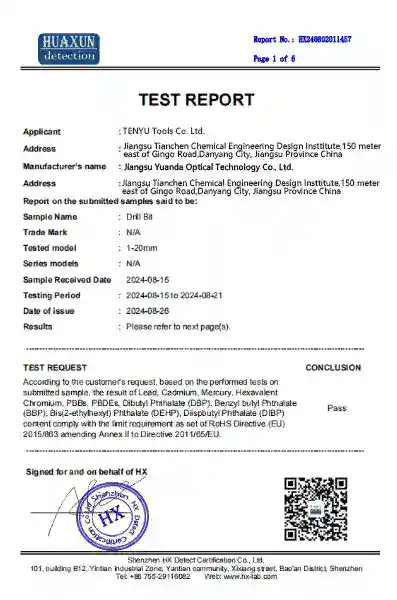
Third-Party Verified Excellence: Engineering Confidence Into Every Cobalt vs HSS Drill Bits
circular saw blade36
iso2 1.webp
ce认证书 1.webp
rohs 1 1.webp

Voice of the World Exhibition

Tenyu Tool actively participates in trade shows around the world and visits our customers, we get closer to them and get more opportunities to present our cobalt vs hss drill bits.

hole saw for metal cutting manufacturer supplier 6 1.webp
hole saw for metal cutting manufacturer supplier 5 1.webp
hole saw for metal cutting manufacturer supplier 4 1.webp
hole saw for metal cutting manufacturer supplier 3 1.webp
hole saw for metal cutting manufacturer supplier 2 1.webp
hole saw for metal cutting manufacturer supplier 1 1.webp

FAQs about: Cobalt vs HSS Drill Bits

What is the difference between cobalt and HSS drill bits? What sets them apart is the fact that they’re heat resistant. HSS is great for general drill bit use because the added heat resistance makes it good for work in materials that are harder or generate more friction (like metal, hardwood, and most plastics). However, there’s also cobalt drill bits on the market that have anywhere from 5% to 8% cobalt alloys mixed into them. This feature is especially important when cutting through hard metals, such as stainless steel.

Are cobalt drill bits better than HSS bits? Yes, cobalt bits are much harder. Conventional HSS bits are 63-65 on the Rockwell C scale, from my experience; Co-based versions may reach up to 66-68 HRC. This extra hardness allows cobalt drill bits to slice through metals that would instantly dull standard HSS bits, thus providing a cutting edge that last much longer.

The only different between the two is they are made with materials better able to withstand heat. HSS (High-Speed Steel) is good for general drilling work, but copper applications require a drill with cobalt to maintain its sharpness at temperatures much higher than HSS do. This feature is necessary to penetrate hard metals such as steel.

And yes, the cobalt bits are much harder. Common HSS bits have a Rockwell hardness of 63 to 65, cobalt bits (M35 & M42) are reportedly at 66-68. This extra hardness keeps them cutting even when no more edge is left on a standard high-speed steel (HSS) bit.

 You could use cobalt drill bits to drill wood or plastic, but I wouldn’t recommend it. They cost more and are more brittle than typical HSS bits. Using them on soft materials such as wood or plastic is not cost-effective and can increase the chance of a bit breaking if it jams, they are not flexible like regular HSS.

Its more expensive owing to the raw materials and production. Cobalt is a strategic and expensive metal. In addition, cobalt-alloyed steel is more difficult to grind chraply than free-machining steels; and longer processing times are necessary in order to obtain precise tolerances for industrial use.

A wholesaler should keep HSS in stock as a high volume, all purpose item suitable for construction and DIY markets. Instead, cobalt should be a premium line of problem-solving tools for industrial users, automotive aftermarket repair shops and high-end metal working professionals.

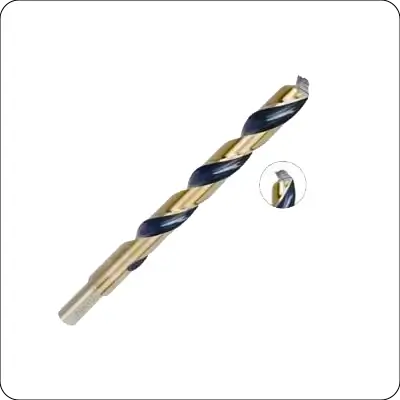
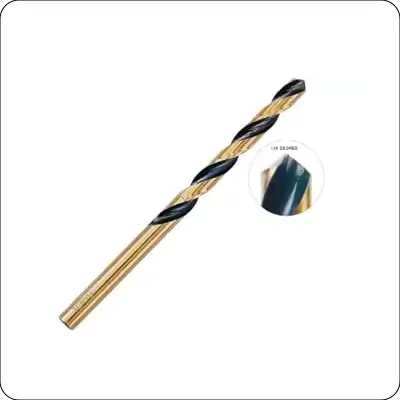
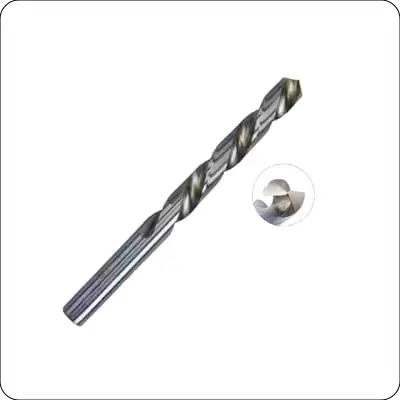
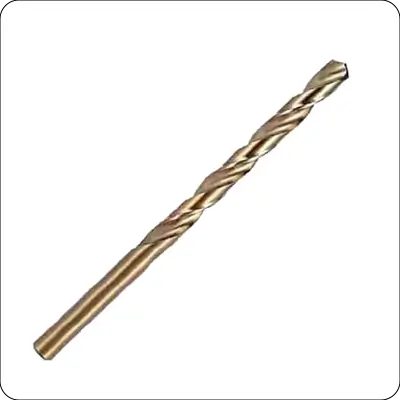
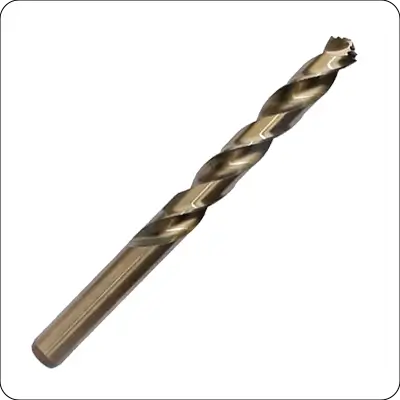
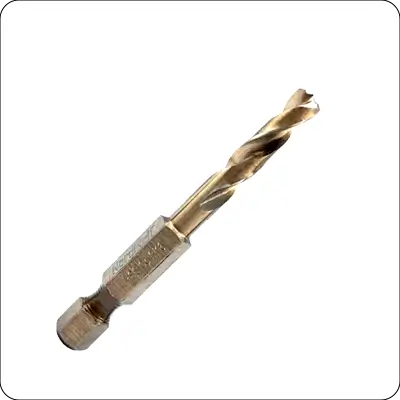
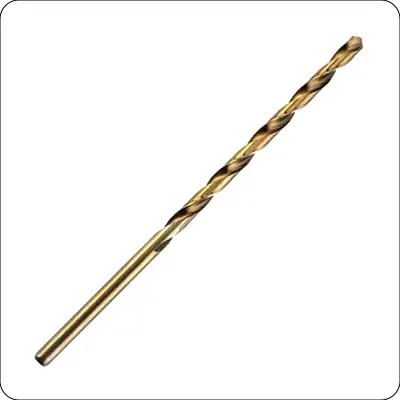
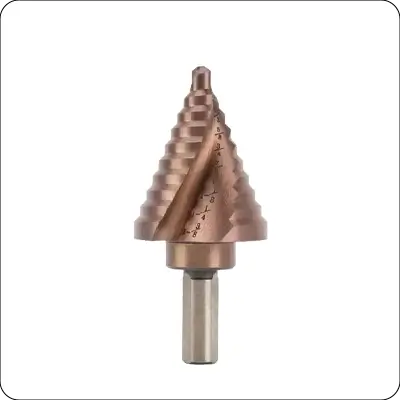
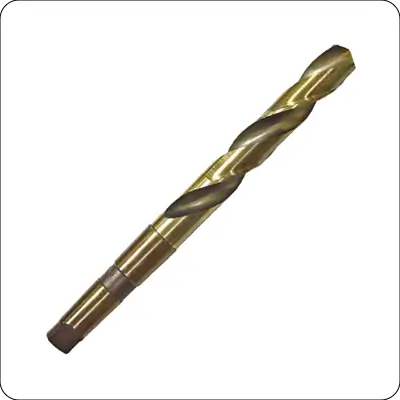
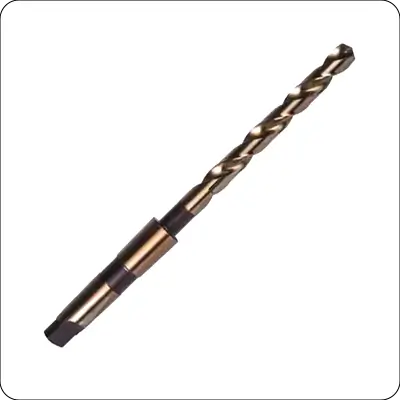
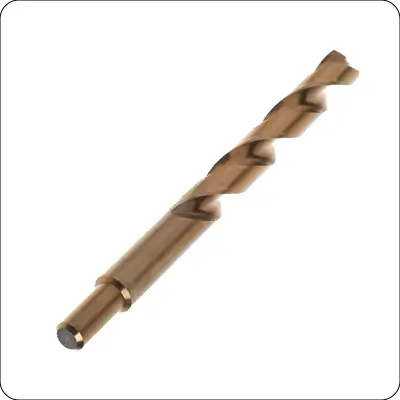
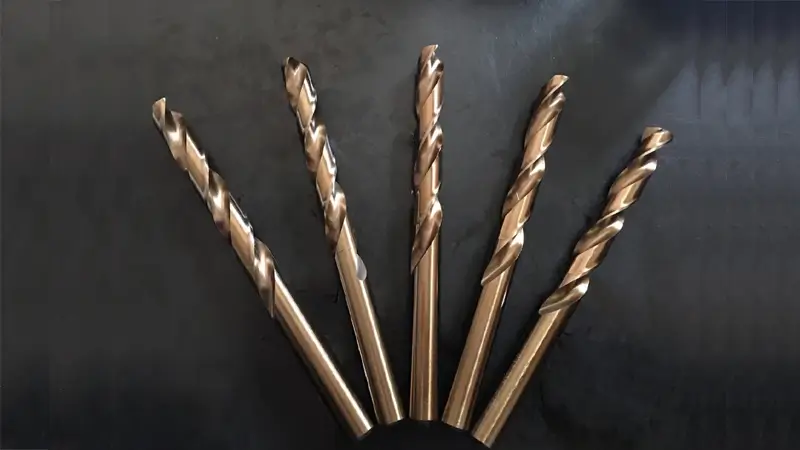
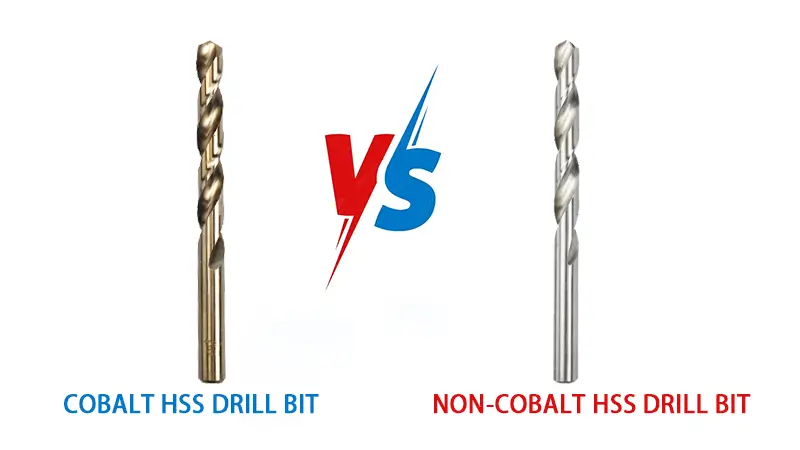
Apart from the labeling (e.g., HSS Co or M35), you can often tell by the finish and the point angle. Cobalt bits usually feature a bronze or straw-colored finish and a 135° split point, while standard HSS bits often have a bright (silver) or black oxide finish with a 118° point.

When should a wholesaler stock HSS instead of cobalt? Consider the target market and the cost differences as summarized in the table below:

Material

Target Market

HSS

High-volume, general-purpose use in construction and DIY markets.

Cobalt

Premium, problem-solving applications for industrial clients, automotive repair shops, and high-end metalworking professionals.

Table of Contents

Cobalt vs HSS Drill Bits: The Professional Guide to Choosing the Right Tool

Selecting the right drill bit is crucial for efficient and effective machining. This guide provides a detailed comparison between high-speed steel (HSS) drill bits and cobalt drill bits, offering insights to help professionals make informed decisions. Understand the core differences and optimal applications for each type.

Understanding Cobalt and HSS Drill Bits

High-speed steel and cobalt drill bits are essential tools for various drilling tasks. Understanding their compositions and properties is critical for selecting the best tool for specific applications. Learn about the advantages and limitations of each material to maximize efficiency and minimize costs.

What are Cobalt Drill Bits?

Cobalt drill bits are a type of high-speed steel that contains between 5% and 8% cobalt. This alloy enhances the bit’s heat resistance and hardness, making them ideal for drilling through tough materials like stainless steel and hardened steel. The addition of cobalt allows the cutting edge to maintain its integrity at higher temperatures.

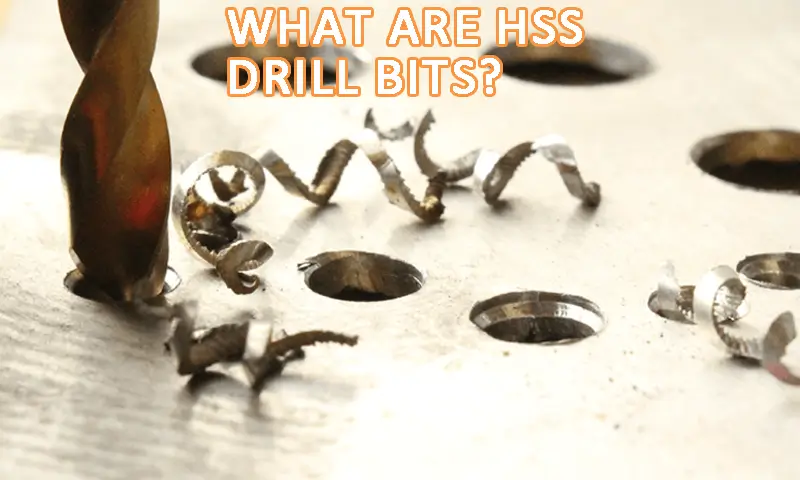
What are HSS Drill Bits?

HSS drill bits are made from high-speed steel, an alloy of tungsten, molybdenum, chromium, and vanadium. These bits are commonly used for drilling into softer materials such as wood, plastic, and mild steel. Standard HSS bits are a cost-effective option for general-purpose drilling needs.

Key Differences Between Cobalt and HSS

Unlike cobalt drill bits, there are no HSS steel-coated drill bits, but rather they are made up of a variety of materials composed to possess the qualities required like hardness and heat resistance. Cobalt drill bits are designed to withstand high temperatures and they will hold their cutting edge for a longer period, whereas HSS can be used on steel. Cobalt drill bits take a beating, they are more brittle than the HSS you use and require a rigid machine to perform their best.

Performance Comparison: Cobalt vs HSS

Comparing cobalt vs HSS drill bits, several key factors stand out, including heat resistance, hardness and durability. Knowing these differences is critical in choosing the right bit for each application in industry; selecting the correct drill bits based on an applications is important to achieve the desired results of various industries.

Heat Resistance and Red Hardness

Hot hardnessNot reuptake is considered red.Parts of hot work performance an important tool for surface temperature levels. Cobalt drill bits are particularly hard and can be used even at high temperatures of up to 600 °C whereas normal HSS drill bits may lose their hardness if used at such temperatures. Additionally, to prolong the duration of life of such a bit it would be beneficial if a cooling fluid was used to maintain them cooler throughout operation.

Hardness Levels of Cobalt and HSS Bits

Very Well said, cobalt bits are generally rated at 66-68 hrc and standard BTW HSS would be in the range of 63-66. This increase in hardness gives cobalt drill bits the ability to work through tough metals like cast iron, titanium, and stainless steel. But the extra hardness they bring also means cobalt bits are more prone to breaking.

Durability and Longevity in Industrial Applications

When it comes to industrial settings, durability and longevity are paramount. Though they can be more expensive up front, cobalt drill bits have excellent resilience to heat, are very hard wearing and will maintain a sharper cutting edge meaning that are likely to cost less in the long run due to a lower cost per hole especially when drilling harder materials such as stainless steel. A cobalt bit is recommended if you can afford it.
Cost Efficiency and Value Proposition

Initial Costs vs Cost per Hole

When evaluating cobalt drill bits vs HSS drill bits, initial costs can be misleading. Cobalt bits often have a higher upfront price compared to HSS bits. However, focusing solely on the initial cost ignores the critical metric of “cost per hole,” especially when working with steel or other tough metal. Investing in cobalt drill bits can lead to long-term savings.

Long-term Savings with Cobalt Drill Bits

The longevity and performance of cobalt bits often justify their higher initial cost. In demanding drilling tasks, where HSS drill bits dull quickly, the superior heat resistance and hardness of cobalt drill bits result in a longer lifespan. This extended durability translates into fewer replacements and reduced downtime, yielding significant long-term savings, particularly when drilling stainless steel.

Factors Influencing the Price of Cobalt Bits

Several factors contribute to the higher price of cobalt bits. Cobalt is a strategic and relatively expensive raw material, and the manufacturing process for cobalt alloy steel is more complex.

Factor

Impact on Price

Cobalt (Raw Material)

Relatively Expensive

Manufacturing Process (Cobalt Alloy Steel)

More Complex


Grinding cobalt-alloyed steel requires specialized equipment. These factors contribute to the higher initial cost of cobalt drill bits compared to standard HSS.

Application Scenarios for Cobalt and HSS Drill Bits

Best Uses for Cobalt Drill Bits

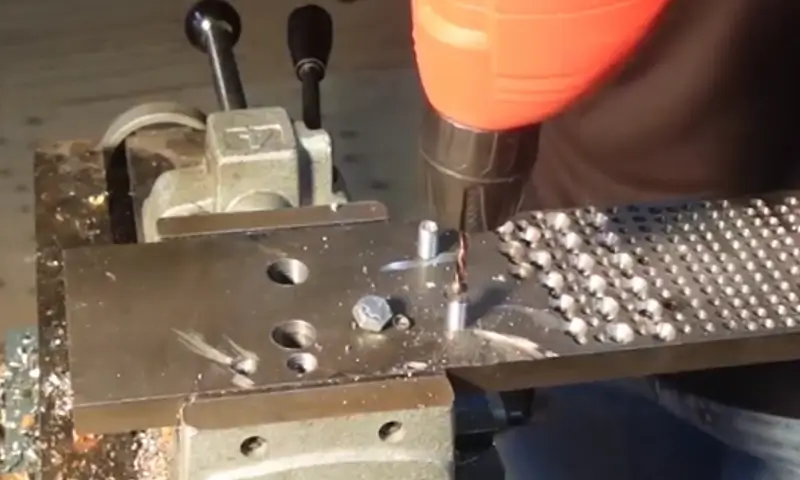
Cobalt drill bits are particularly successful in cutting through hard metals such as stainless steel and cast iron. Their superior resistance to heat content, meaning the blade maintains its sharp edge at high temperatures, resulting in longevity due to reduced wear. These characteristics render cobalt drill bits especially effective in heavy-duty and machining applications.

When to Use HSS Drill Bits

HSS jobber drill bits are suitable for general purpose applications such as drilling soft metals including wood, plastic and mild steel. Their affordability makes them appropriate for daily activities. While not offering as much heat resistance or hardness as cobalt bits, HSS bits do well in a wide range of materials. So DIYs should use cobalt bits only in hard metals while drilling.
Choosing the Right Bit for Your Project

Whether you choose HSS or Cobalt drill bits depends on what you want out of your particular project. Fact into what is to be drilled, how accurate it must be and chances of heat build-up. If you carefully consider all these things, then surely you will be able to select a drill-bit that will be the best in both performance and cost effectiveness. Don’t just look at the price per bit, check out the price

Guidelines for Selecting the Appropriate Drill Bit

 Comparison Matrix of Cobalt and HSS Features

To effectively differentiate between cobalt drill bits and HSS drill bits, a comparison is helpful. Key features differentiate the two:

Feature

Cobalt Drill Bits

HSS Drill Bits

Optimal Applications

Stainless steel

Aluminum

Other factors to consider include the alloy composition (including the percentage of cobalt), hardness (Rockwell scale), heat resistance, and toughness.

Decision Flowchart for Drill Bit Selection

A decision tree on the drill bit can also simplify selection by guiding users to the plug that best meets their needs. Your flowchart should start with “type of material being drilled” (e.g. mild steel, stainless steel, wood) and then branch off to either High Speed Steel (HSS) or Cobalt based on the material’s hardness and level of heat resistance required. When drilling hard metals, cobalt drill bits are absolutely the best and most efficient option.

Manufacturing Process and Quality Assurance

The quality and performance of HSS and cobalt drill bits depends quite a bit on the manufacturing. It is important to note, however that such controlled heat-treated in order to ensure the maximum hardness and toughness. The quality control process that is implemented here also guarantees that every individual drill bit meets tough durability and cutting efficiency standards. Using a cutting fluid is also recommended to reduce heat when drilling.

Scroll to Top

Get Your Free Sample

Get Your Free Sample

Contact us to get a free quote and more expertise about custom Saw Blade. Your project will meet a right solution with Tenyu Tool.

x
Send Your Inquiry Today

    Get a Quick Quote!

    x