Tap breakage quickly stops production, destroys parts, and costs both time and money. Every machinist knows that a snapped tap during threading—manual or CNC—brings frustration and lost profit. Preventing tap failure calls for understanding what causes taps to break and learning reliable troubleshooting techniques.
The most common reasons for thread tap breakage include poor tap quality, mismatched geometry, unwanted tap wear, machine misalignment, chip control failure, drilled hole errors, material flaws, bad lubrication, incorrect speed and feed, clamping problems, and insufficient operator skill. Fixing each issue starts with identifying its source and applying targeted solutions.

Let’s look at these causes one by one and review best practices for stopping tap breakage[^1] before it eats into your bottom line.
What Makes Poor Tap Quality a Breakage Risk?
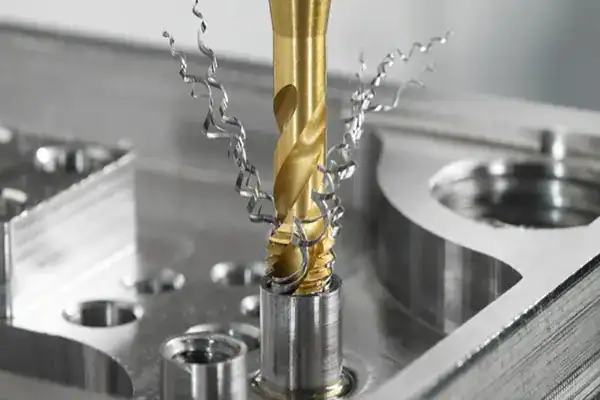
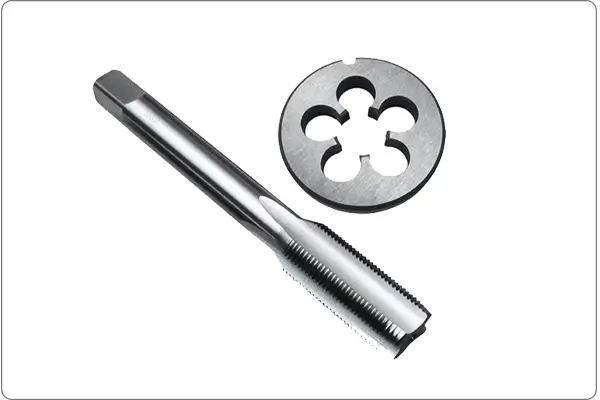
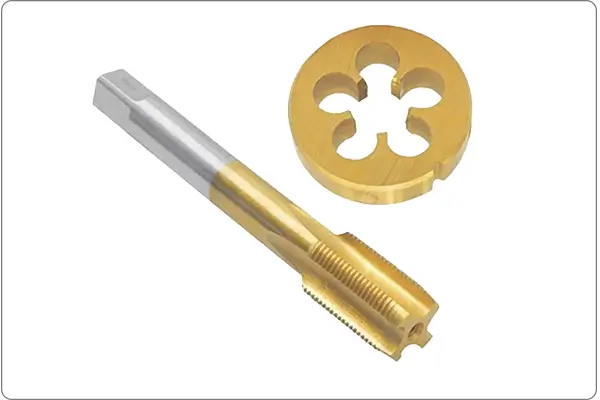
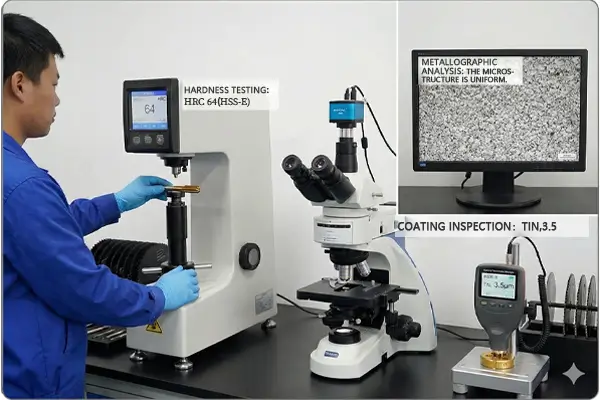
Taps are precision tools. Poor steel quality, sloppy heat treatment, or flawed design all lead to premature breakage. Sharp transitions, incorrect hardness, or uneven coatings introduce stress points.
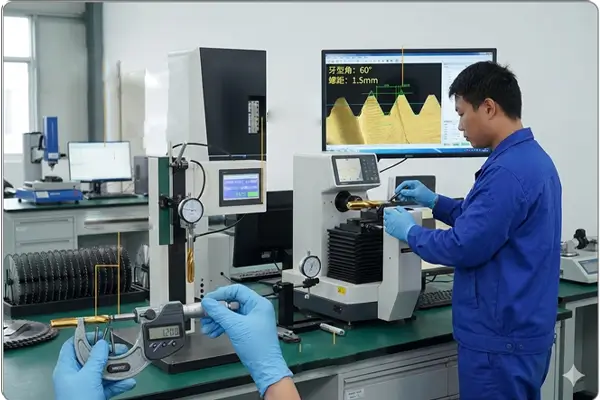
Always check for certified materials, a uniform surface finish, and a rounded connection between the shank and flutes. Taps with micro-cracks or obvious coating problems should not be used for production. Select reliable suppliers, request batch certificates, and inspect geometry with a micrometer.
| Defect Type | Outcome | Remedy |
|---|---|---|
| Brittle steel | Instant fracture | Choose documented material |
| Poor heat treatment | Hidden cracks | Inspect and micro-test |
| Awkward transition | Stress at shoulder | Use rounded, smooth designs |
| Coating flaws | Fast dulling | Check adhesion, reject faults |
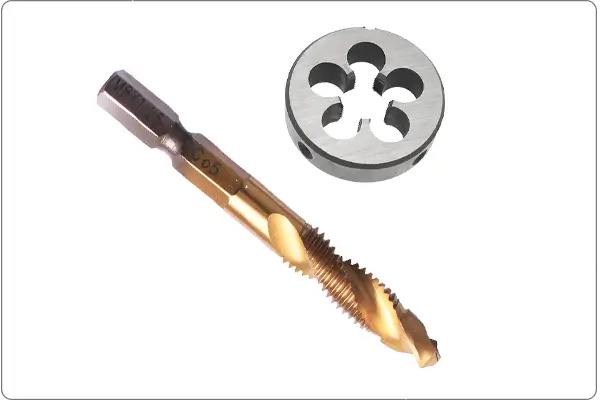
High-quality taps are crucial for consistent CNC and manual threading.
How Does Wrong Tap Selection Lead to Breakage?
Not every tap is meant for every job. Using spiral flute taps for through holes or straight flute taps for blind holes often causes chips to jam, wear out, and snap taps.
Always match tap geometry, flute design, and number of cutting teeth to work material and hole type. Spiral flute taps excel at chip removal in blind holes; straight flute taps work best in through holes. Consider material hardness—use carbide or cobalt for tough alloys.
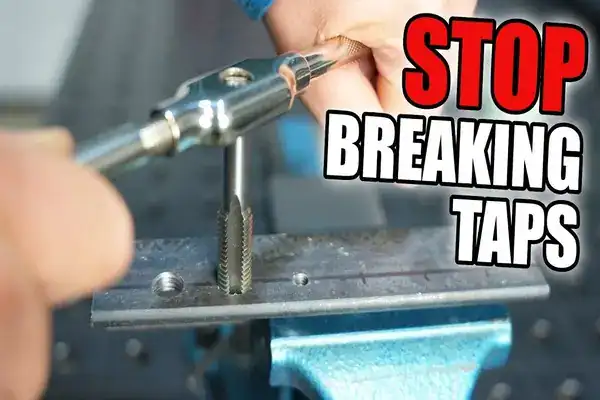
Consult manufacturer charts and run quick test holes when switching materials.
How Does Tap Wear Cause Breakage?
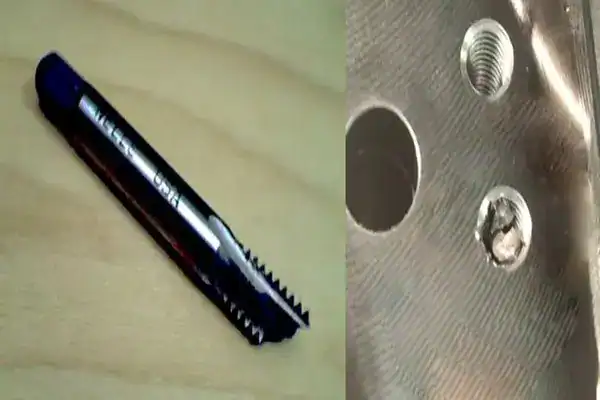
Like all cutting tools, taps dull with use. Worn taps demand more force, build up heat, and produce poor thread profiles.
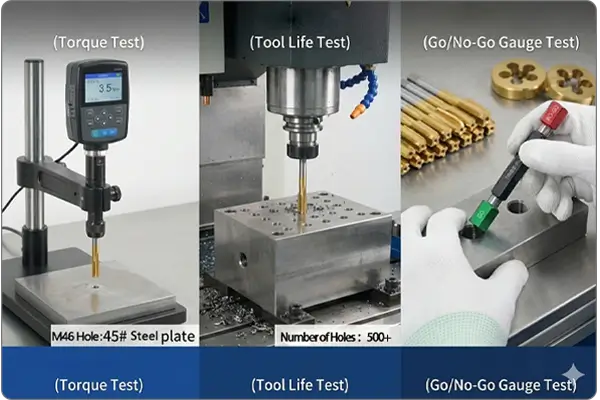
Regularly inspect thread shape with gauges, replace dull taps on a schedule, and always use proper lubricants to extend tap life. Do not push a tap beyond its intended cut life—early replacement is cheaper than removing broken taps from a finished part.
| Maintenance Step | Benefit |
|---|---|
| Gauge inspection | Detect early wear |
| Scheduled change | Prevent snap events |
| Lubrication | Reduce friction, wear |
What Is Axial Synchronization Error in CNC Machines?
In CNC tapping, spindle speed and feed rate must sync perfectly. Even minor out-of-sync can add stress, causing taps to break.
Use rigid tapping programs and adaptive tap holders. Always check machine calibration, dry run tapping cycles, and monitor synchronization before running production.
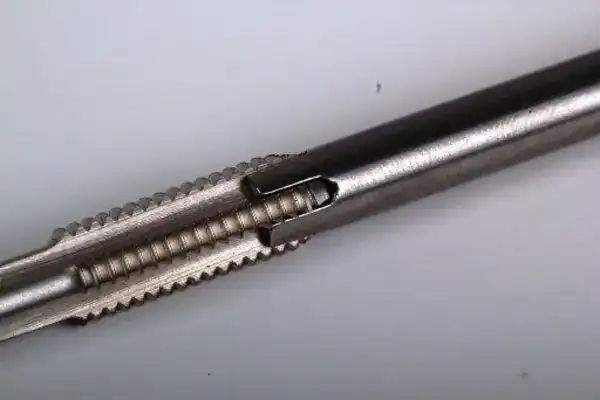
Axial errors become pronounced at high speeds.
Why Is Chip Breaking and Chip Removal Critical?
Bad chip control leads to flute jamming, increased force, and snapped taps—especially with sticky or long-chip materials like stainless steel.
Ensure correct tap flute angle, proper RPM, use “peck” tapping or reverse cycles, and optimize coolant for chip evacuation. If chips wrap around the tap, cut speed or update tap geometry to clear them better.

Run experiments to match chip flow to work material.
What Happens When Tap and Material Don’t Match?
Tapping different materials requires matching geometry and coatings. Using spiral taps in cast iron or straight flutes in stainless usually leads to jamming and tap breakage.
Reference supplier material charts and test runs. Always verify that the tap material and coating suit the specific grade and hardness of your workpiece. Adjust flute design as needed.

Correct match avoids chip problems and poor threads.
Why Is Drilled Hole Size and Depth Important?
Incorrect pilot hole diameter or depth makes tapping harder. If the hole is too small, the tap binds. Too shallow and the tap hits bottom, snapping instantly.
Follow tap drill charts, use formulas (thread diameter minus pitch for cutting taps), and add depth for blind holes. Always drill slightly large and deep unless thread tolerance is critical.

Clearing chips safely beats risking tap failure.
How Do Workpiece Defects Cause Tap Breaks?
Hard spots, voids, or impurities in parts cause force spikes that break taps without warning, especially in cast or forged metals.
Insist on certified, tested materials. Visually inspect materials as you receive them and run test taps in sample areas when starting new alloys.
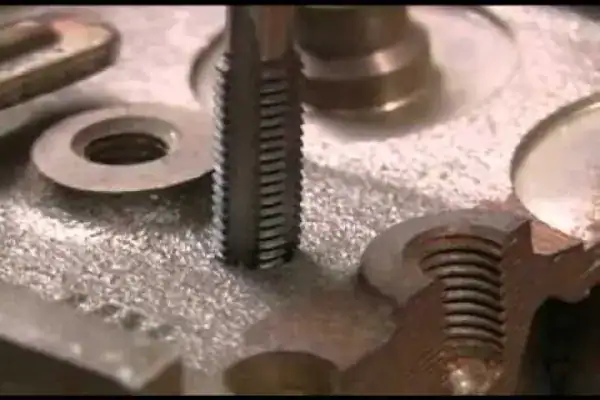
Quality material helps avoid hidden tap killers.
What Role Does Clamping Precision Play?
Misaligned taps or loose clamping creates off-center torque. This leads to angled threads and snap events.
Always use precision ER collets or dedicated tap holders. Verify runout before tapping. Secure all clamps and align tap perfectly in the hole using guides or squares.
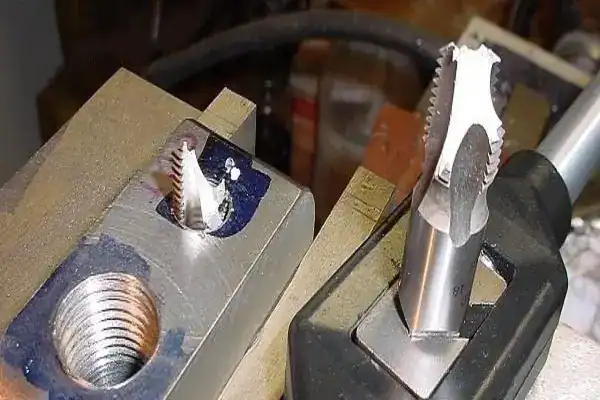
Switching to high-precision holders ends alignment issues.
Does Cutting Fluid Quality Affect Tap Life?
Inadequate or wrong cutting fluids cause overheating, dulling, and chip welding to the tap.
Select the best lubricant for your material (synthetic for aluminum, oil-based for steel and tough alloys). Always apply directly at the flute tip. Consult fluid suppliers for recommended formulas.
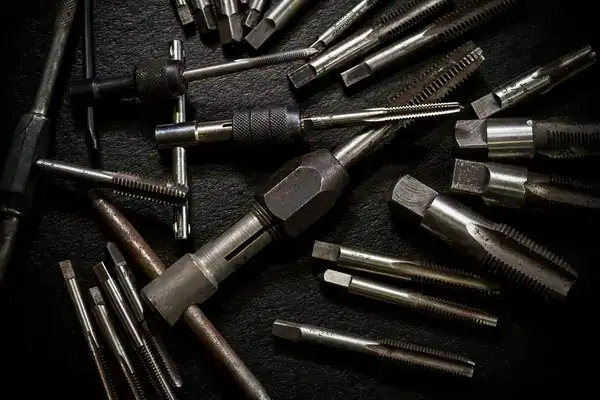
Reduce heat for longer tap and better thread quality.
How Do Incorrect Speeds and Feeds Cause Breakage?
Every tap and material has a window for speed (RPM) and feed (mm/min). Too fast yields heat and snap, too slow creates rough threads and sticking.
| Material | Speed (m/min) |
|---|---|
| Mild Steel | 6–15 |
| Hardened Steel | 5–10 |
| Stainless Steel | 2–7 |
| Cast Iron | 8–10 |
Scale speed to tap size—small taps run faster, big taps slower. Reference speed charts for new materials.
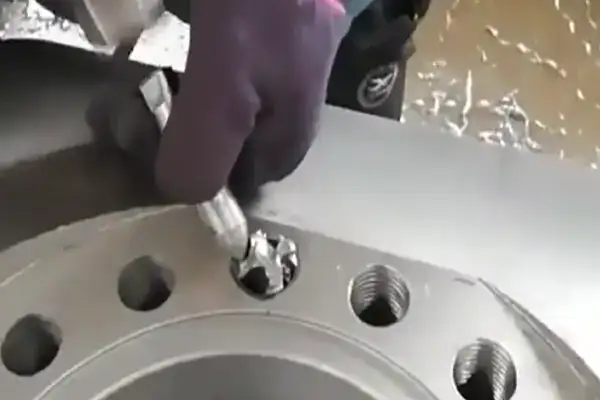
Adjust settings for safe and clean tapping.
Is Operator Technique a Cause of Tap Failure?
Operator error is behind many broken taps. Rushing, forcing, poor alignment, or not reversing to clear chips can snap even the best tap.
Train techs to always align tap to hole, check from two sides, reverse for chip removal, and never use extended leverage for more force. Always check for resistance and stop tapping before reaching full depth in blind holes.
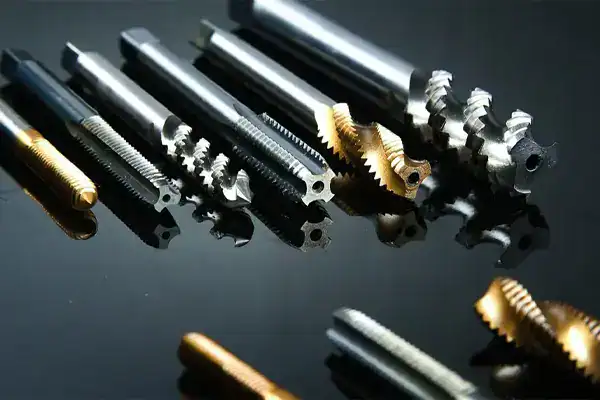
Attention to detail matters most for tap survival.
Best Practices for Manual Tapping—A Simple Checklist
- Use a guide or square to align tap.
- Keep rotation steady and even.
- Reverse to clear chips if resistance increases.
- Turn with both hands and apply gentle pressure.
- Avoid forceful leveraging.
- Slow removal to protect threads.
- Clean out chips after tapping.
- Use multiple taps for blind holes.
- Hold workpiece stable to prevent initiation collision.
- Use safety tapping chucks if available.
- Stop 1–2 mm before bottom of blind holes.
- Always retract tap completely for through holes.
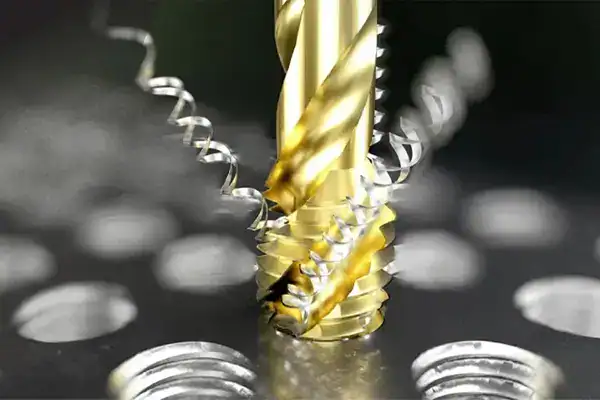
Follow this routine for cleaner threads and fewer broken taps.
Additional CNC Thread Milling Strategies
Thread milling offers safer alternatives for tough jobs, deep holes, or exotic alloys. Use carbide mills for hard materials and inspect wear often. Choose high helix angles to improve chip control.
Apply coolant directly to threads. Switch to thread milling if taps break often on difficult parts.
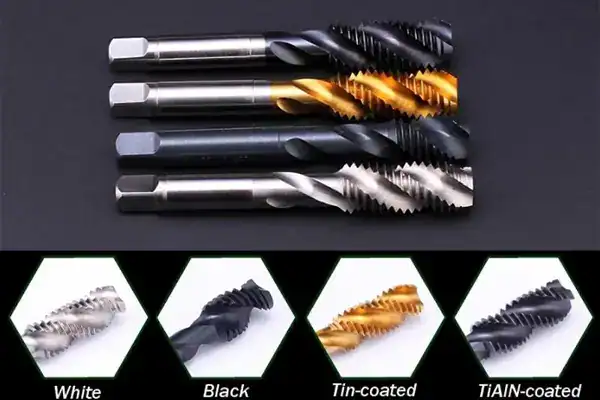
Improved coolant and incremental passes boost reliability.
Monitoring and Maintaining Tap Reliability
Inspect taps, holders, and machines regularly. Clean all components before each run and replace worn ones ASAP. Use predictive maintenance and log tap service life to reduce risks.
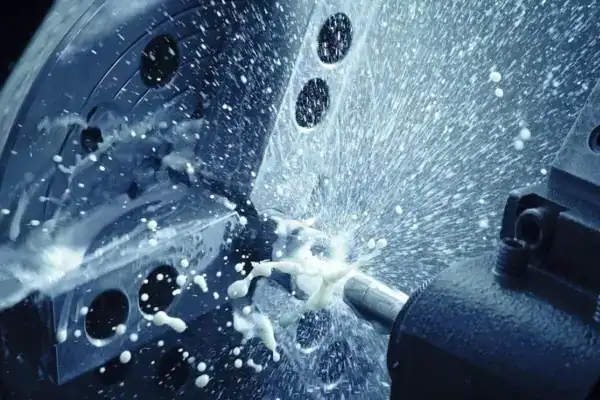
Regular checks prevent downtime and costly broken taps.
Request Your Free Sample
## Conclusion
Tap breakage can be avoided with careful attention to tap quality, selection, machine setup, lubrication, and operator training. Know the main causes, apply practical fixes, and build a culture of continuous monitoring. Every saved tap keeps your shop running, cuts scrap, and protects profits.
—
[^1]: Understanding the causes of tap breakage can help prevent production delays and reduce costs associated with damaged parts.