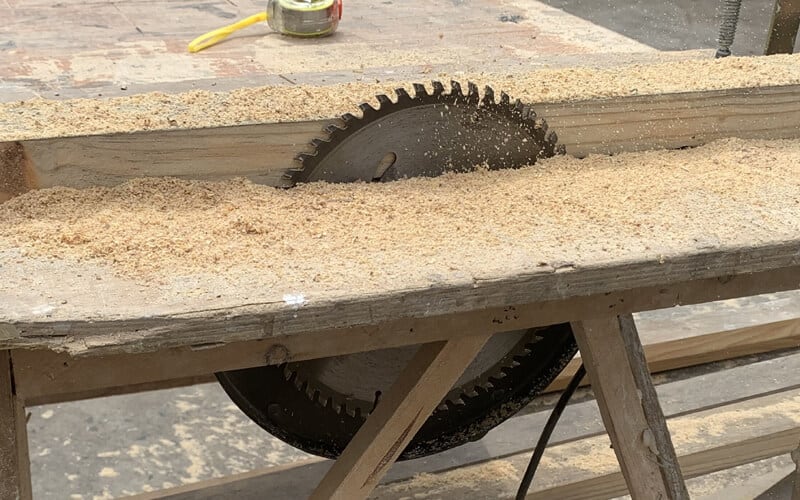
Nothing ruins a woodworking project faster than those ugly burn marks from your circular saw. That acrid smell of scorched wood fills the air, and you know something’s gone terribly wrong, either with your blade or your cutting technique. It’s a common frustration, and I’m here to help you fix it.
Circular saws burn wood primarily because the blade is dull, the blade is spinning too slowly for the wood type, or because you’re pushing the saw too hard and fast through the material. Proper blade selection, ensuring sharpness, and maintaining the correct cutting speed are essential to prevent burning.
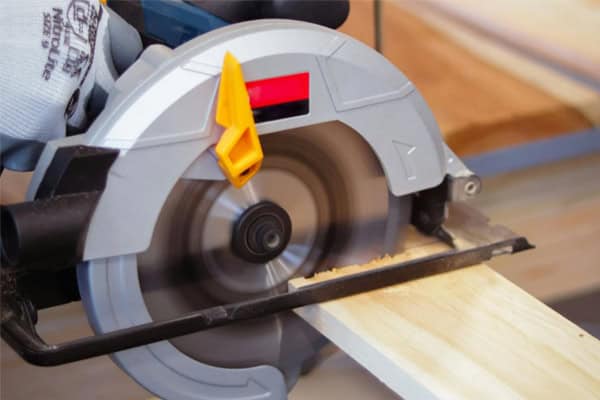
As someone who’s been in the business of supplying high-quality saw blades to professionals worldwide through tenyu, I’ve seen and learned firsthand what causes this frustrating issue. Over the years, I’ve picked up a lot of insights that can help you troubleshoot and prevent burning. Let’s examine the key reasons behind the burning and the practical solutions you can implement right away.
How to Stop a Circular Saw Blade from Vibrating and Wobbling?
You’re guiding your circular saw1 through a piece of wood, and suddenly you feel that unsettling vibration in your hands. The blade wobbles2 visibly, and you just know the cut isn’t going to be clean. This is a common problem that many woodworkers face, but the good news is that it has specific, identifiable solutions.
Blade vibration typically stems from a few key issues: improper installation of the blade, worn arbor washers, or the blade itself being bent or damaged. Ensuring correct installation, replacing worn parts promptly, and investing in quality blades are crucial steps to reduce or eliminate wobble.

The Root Causes of Saw Blade Vibration
Let’s break down the three main sources of vibration in more detail. Understanding these can help you pinpoint the exact cause of your problem:
-
Installation Issues: These are often the easiest to fix.
- A loose arbor nut means the blade isn’t secured properly.
- A dirty arbor shaft can prevent the blade from sitting flush.
- An incorrect blade direction will cause all sorts of problems.
-
Equipment Problems: These require a bit more investment but are vital for safety and precision.
Problem Solution Worn arbor washers Replace them with new, high-quality washers. Bent blade Replace the blade immediately; a bent blade is dangerous. Poor-quality blade Upgrade to an industrial-grade blade for better performance and longevity. -
Usage Factors: How you use your saw can also contribute to vibration.
- Excessive feed pressure, or forcing the saw, can overload the blade.
- Using the wrong blade for the material will cause the saw to work harder and vibrate more.
- Overheating from prolonged use can warp the blade and cause vibrations.
At our tenyu factory, we put every blade through rigorous testing to ensure perfect balance. We understand that even a tiny deviation of just 0.1mm can lead to noticeable vibration problems3, especially in professional settings where precision is paramount. This is why we focus on delivering only the highest quality4, perfectly balanced blades5.
How Do I Know it’s Time to Replace My Circular Saw Blade?
That trusty blade has been your go-to for countless projects, but you’ve started to notice it’s not cutting as cleanly as it used to. Recognizing when it’s time to replace your circular saw blade6 is crucial, not only for the quality of your work but also for your safety. Ignoring the signs of a worn-out blade can lead to frustration, wasted materials, and potentially dangerous kickback situations.
Replace your circular saw blade when you notice that cuts require significantly more force than usual, when the blade starts producing burn marks on the wood, or when the edges of your cuts appear rough and splintered. Additionally, listen for changes in the cutting sound, as a dull blade will often sound different than a sharp one.

Detailed Signs of Blade Wear
Here’s a more detailed look at the indicators that tell you it’s time for a blade replacement. Paying attention to these signs can save you time and money in the long run:
Visual Signs: These are the easiest to spot with a quick inspection.
- Chipped or missing teeth are an obvious indication that the blade is damaged and needs replacing.
- Discoloration from overheating, often a bluish tint, suggests the blade has been stressed and may have lost its temper.
- Visible rounding of the tooth edges means the sharp cutting edge is gone, making the blade less effective.
Performance Signs: These are noticeable while you’re using the saw.
- Cutting takes twice as long as it used to, indicating the blade is struggling to get through the material.
- The saw motor strains noticeably, which puts extra wear and tear on the tool.
- Increased kickback incidents are a serious safety concern and a clear sign the blade is no longer performing safely.
- More dust than chips are produced, which means the blade is scraping the wood instead of cutting it cleanly.
Our industrial customers, who rely on our tenyu blades for high-volume production, track blade lifespan very carefully. They typically replace blades7 after a specific number of hours of use to proactively prevent any quality issues8 in their production processes. This approach ensures consistent, high-quality results and minimizes downtime9.
When to Replace Circular Saw Blade?
Determining the right replacement schedule for your circular saw blade depends largely on the frequency and intensity of your usage. A professional carpenter10 who uses their saw daily will naturally need to replace blades more often than a DIY enthusiast who only uses it occasionally. Understanding the factors that affect blade lifespan11 can help you create a replacement schedule12 that suits your needs.
Replace circular saw blades every 6-12 months with regular use for home projects and light woodworking. Heavy commercial use, on the other hand, may require monthly or even more frequent replacement to maintain optimal cut quality and ensure consistent performance.

Factors Affecting Blade Lifespan
Consider these variables when determining your blade replacement schedule. Taking these factors into account will help you maximize the lifespan of your blades while maintaining the quality of your work:
Material Factors: The type of material you’re cutting has a significant impact on blade wear.
| Material | Expected Blade Life (Approximate) |
|---|---|
| Softwood (e.g., pine, cedar) | 200-300 cuts |
| Hardwood (e.g., oak, maple) | 100-150 cuts |
| Plywood | 300-400 cuts |
| MDF (Medium-Density Fiberboard) | 150-200 cuts |
Usage Factors: How you use the saw also plays a critical role.
- Cutting speed: Cutting faster increases friction and wears the blade more quickly.
- Feed rate: Maintaining a consistent feed rate is better than constantly speeding up and slowing down.
- Cooling periods: Allowing the blade to cool down between extended uses prevents overheating.
At tenyu, we often advise our clients to keep a detailed cutting log, especially for critical or high-volume projects. This log should include information about the materials cut, the number of cuts made, and any observations about blade performance. By tracking this data, you can more accurately predict when a blade is nearing the end of its useful life and proactively replace it.
How to Avoid Rust for a Wood Circular Saw Blade?
That unsightly reddish-brown stain on your wood circular saw blade isn’t just an aesthetic issue – it’s a sign of rust, which can significantly impact the blade’s performance and longevity. Rust corrodes the metal, dulls the cutting edges, and makes the blade more prone to binding and overheating. The good news is that with proper care and preventative measures13, you can avoid rust completely and keep your blades in top condition14.
Prevent rust on your wood circular saw blade by consistently cleaning the blade after each use to remove sawdust and residue, applying a protective layer of oil or rust inhibitor, and storing the blade in a dry, controlled environment. Additionally, avoid cutting wet or damp wood whenever possible, as moisture is a major contributor to rust formation.

Comprehensive Rust Prevention
Here’s a comprehensive guide to rust prevention for your circular saw blades. Following these steps diligently will help ensure your blades remain in excellent condition for years to come:
Cleaning Process:
- Brush off sawdust immediately after use.
- Wipe the blade with mineral spirits to remove any remaining sap or residue.
- Dry the blade completely with a clean, lint-free cloth before storing.
Storage Solutions:
- Use blade cases or sleeves to protect the blade from physical damage and moisture.
- Include silica gel packs in the storage container to absorb any excess moisture.
- Hang the blade vertically if possible to prevent moisture from accumulating on the surface.
Protective Treatments:
- Apply a thin coat of light machine oil to the blade’s surface.
- Use specialized blade protectant sprays that contain rust inhibitors.
- Consider applying a wax-based coating for long-term storage.
At tenyu, our premium circular saw blades are manufactured with special coatings that provide enhanced rust resistance compared to standard models. However, even with these advanced coatings, proper maintenance and storage are still essential for maximizing the blade’s lifespan. By taking the time to care for your blades, you can ensure they remain sharp, efficient, and rust-free for years to come.
Ready to upgrade your woodworking productivity? Reach out today for expert OEM/ODM circular saw blade solutions—get test samples, technical support, and the wholesale pricing you need!





Conclusion
You can effectively prevent wood burning, ensure smooth and accurate cuts, and extend the life of your blades by focusing on a few key areas: blade sharpness, proper cleaning and storage, and using the correct cutting techniques. Remember that investing in quality tools, like those from tenyu, and maintaining them well will always pay off in the long run, leading to professional-quality results and a more enjoyable woodworking experience.
-
Understanding the common issues with circular saws can help you troubleshoot and improve your woodworking skills. ↩
-
Learning how to fix a wobbly blade can ensure cleaner cuts and enhance your woodworking projects. ↩
-
Understanding the causes of vibration problems can help in maintaining precision and quality in professional settings. ↩
-
Exploring methods to ensure the highest quality can enhance product reliability and performance. ↩
-
Learning about the benefits of perfectly balanced blades can improve operational efficiency and reduce wear. ↩
-
Understanding when to replace your circular saw blade can enhance safety and improve cutting performance. Explore this link for expert insights. ↩
-
Understanding the significance of blade replacement can enhance production efficiency and quality control. ↩
-
Exploring common quality issues can help in implementing effective strategies to maintain high standards in production. ↩
-
Learning about downtime reduction strategies can lead to improved productivity and cost savings in manufacturing. ↩
-
Learn about the essential tools and practices of professional carpenters to enhance your skills and efficiency. ↩
-
Understanding blade lifespan is crucial for maintaining efficiency and safety in carpentry. Explore this link for in-depth insights. ↩
-
A well-planned replacement schedule can save time and money. Discover effective strategies to optimize your blade usage. ↩
-
Exploring this resource will provide you with essential tips to maintain your blades and prevent rust effectively. ↩
-
This link will guide you on maintaining your blades, ensuring they perform at their best and last longer. ↩