The New Math of Manufacturing: Mexico vs Asia?
Picking your manufacturing base1 for cutting tools2 is critical. The wrong choice brings slow projects, surprise costs, and unhappy customers. At Tenyu Tool, helping brands launch drills, blades, and saws smoothly depends on understanding this “new math” of global manufacturing.
Mexico often wins for North American brands due to faster delivery3, lower tariffs4, and better cash flow—even if Asia’s unit labor cost is lower. The smartest choice factors in landed cost5, speed, and supply line resilience6. For complex or high-volume tool projects, Asia’s mature ecosystem and precision may still hold an edge. The best solution is always about the real numbers, not just the price tag.

I’ve watched hardware brands lose weeks and margin just chasing “the cheapest price” in Asia, while others scaled quickly with flexible Mexico partnerships. Read on for the full breakdown, based on Tenyu Tool’s experience supplying major brands globally.
Why is this comparison more important than ever?
Tool buyers expect fast restocks and zero delivery hiccups. Long supply lines and slow launches ruin credibility and cash flow. The choice between Asia and Mexico is now about much more than labor rates.
This decision matters because customer demand for speed, global risk, and total cost pressure7 have risen. Proximity to buyers—like nearshoring8 to Mexico—directly boosts resilience, inventory turn9, and market agility10.

Modern e-commerce means a two-day shipping delay can cost you the sale. Ocean freight from Asia for saw blades or carbide drills takes 30–45 days. Ground shipping within North America from Mexico happens inside a week, so you keep less stock and adapt faster. For D2C tool brands, agility equals lower risk and higher growth.
Dive Deeper: Speed and Supply Chain Agility
| Factor | Asia | Mexico |
|---|---|---|
| Shipping Time | 30-45 days | 2-8 days |
| Inventory Needs | Large, slow | Lean, fast cycle |
| Response to Demand | Weeks/months lag | Days to reorder |
| Brand Flexibility | Low | High |
Is Asian labor always cheaper than in Mexico?
Costs are not just about hourly wages. Productivity, labor compliance11, and end-to-end production value truly matter.
Asian labor isn’t always the cheapest once you factor in compliance, productivity, and the full payroll bill. Mexico’s workforce can match or exceed productivity for many tool types, and transparent rules make budgeting easier for US brands.

In earlier days, China and Vietnam offered bargain wages but less predictability. Mexico’s wages now compete, especially on assembly and manual processes. For Tenyu Tool, Mexico’s legal clarity (benefits, overtime) brings no hiring surprises. China’s wages rose sharply, but unmatched automation still cuts per-unit labor cost for specialized cutting tools2. Vietnam, while cheapest up front, may require extra management for quality and delivery risk.
Dive Deeper: Real Labor Cost Overview
| Factor | Mexico | China | Vietnam |
|---|---|---|---|
| Avg. Wage | $4-6/hr | $6-8/hr | $3-4/hr |
| Labor Laws | Strict | Evolving | Flexible |
| Productivity | High | Very High | Moderate |
| Benefits | Mandatory | Mandatory | Varies |
| Predictability | High | Moderate | Low |
How do shipping and tariffs change the total cost?
Getting your finished tools to market costs a lot more than just parts and labor. Freight, insurance, duties, and transport time can transform the whole business case.
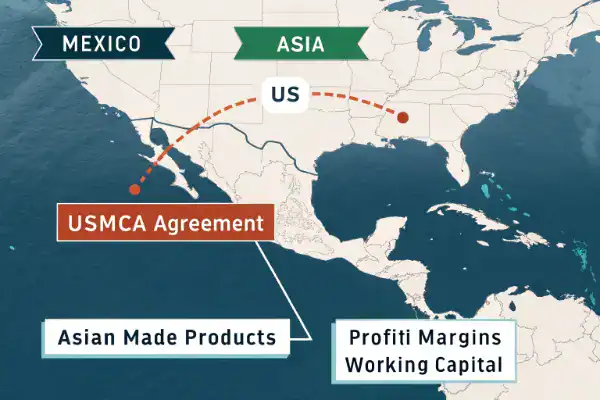
Shipping from Mexico is much faster and cheaper for US-bound products, plus the USMCA agreement wipes away most tariffs. Asian-made tools face higher freight costs and possible duties, eating into profit margins and tying up working capital.

When we moved US-bound saw blades from China to Mexico, costs dropped not just on freight but on duties—instant savings. Containers from Asia stall in customs; trucks from Mexico roll in hours. Duty rates from China can be 15–25% for certain steel products, which is a direct hit to profit. Energy costs, sustainability, and carbon footprint are also better with nearshoring8.
Dive Deeper: Logistics & Tariff Table
| Factor | Mexico to US | Asia to US |
|---|---|---|
| Shipping Days | 2–8 | 30–45 |
| Shipping Cost | Low/Moderate | High |
| Tariffs (USMCA) | 0% | 0–25% |
| Carbon Footprint | Low | High |
Does lower cost mean lower quality or productivity?
Switching regions is scary—can Mexico match China for precision and reliability?
Lower cost doesn’t mean lower quality. China excels at factory automation for drills and blades; Mexico provides high skill for precision assembly. Quality depends on the factory, not the country.
Consistent performance and defect-free tools are non-negotiable for brands. Tenyu Tool runs lab tests and QC audits with factories in both regions. China has the advantage for highly automated, high-volume tool projects, but Mexico matches well in manual-intensive production—like custom packs or specialty blade types. Some components may need to be imported into Mexico for specialty SKUs, but supplier management keeps quality high.
Dive Deeper: Comparing Quality and Tech Level
| Factor | China | Mexico |
|---|---|---|
| Automation | World-class, advanced | Strong, catching up |
| Workforce Skill | High-tech, precise | Manual, highly skilled |
| Supplier Ecosystem | Dense & complete | Developing |
| Final QC | Automated, scalable | Manual, flexible |
What hidden costs can surprise you when manufacturing abroad?
Many brands focus only on “unit cost.” Real hidden costs12—inventory, energy, local risks—can drain profit without warning.
Hidden costs like energy, inventory, and currency risk13 are big. Asia usually needs big orders and storage. Mexico has higher energy bills and possible currency swings. Smart brands track every one to stay profitable.

For hardware tool launches, Asia’s long lead times mean ordering months of stock ahead of launch—cash tied up and storage bills mounting. With Mexico, lean inventory lets you order just what you need, cutting overhead and clearing space for growth. Energy cost and reliability may hit margins harder in Mexico, though. Currency risks are real—most Asian exporters bill in USD; Mexican deals often use pesos or require rate hedging.
Dive Deeper: Hidden “Iceberg” Cost Table
| Cost/Risk | Mexico | Asia |
|---|---|---|
| Inventory Holding | Low | High |
| Energy/Utilities | High, less stable | Low/stable |
| Currency Exposure | Peso/USD fluctuation | USD billing |
| Compliance | Stricter laws | Variable |
Which region is right for your tool brand?
Asia and Mexico both work—your choice depends on speed, cost structure, and risk tolerance.
If brand speed, flexible inventory, and close proximity to US buyers matter, pick Mexico for quick launches. For complex products, deep component networks, or total price sensitivity, Asia might still be best. Analyze speed, risk, and landed cost5—not just the unit price.

Tenyu Tool partners with global clients to match the region to the product. For US launches of new blades or drills, Mexico’s low tariffs and fast shipping win every time. For precision, large-batch orders with specialty coatings or high-tech steel, China’s ecosystem still leads. Vietnam works well for entry-level or standard accessories. Choose based on business goals—speed, resilience, or total cost.
Dive Deeper: Decision Table for Region Selection
| Priority | Best Region | Why |
|---|---|---|
| Speed-to-Market | Mexico | Proximity, tariff-free, flexible |
| Lowest Cost | Asia | Scale, labor, cheap shipping |
| Product Complexity | China | Ecosystem, automation |
| Bulk/Entry Level | Vietnam | Labor, simple assembly |
You Can Send Us Your Request



Conclusion
Mexico wins for North American tool brands needing speed, agility, and smart supply. Asia holds its edge for high-tech, massive volume launches. The right answer lies in your total landed cost5, supply flexibility, and customer expectations—not in the unit price alone. Tenyu Tool guides you through every step for the optimal result.
-
Understanding the significance of a manufacturing base can help brands optimize their production strategies. ↩
-
Exploring trends in cutting tools can provide insights into innovations and market demands. ↩ ↩
-
Faster delivery can significantly enhance customer satisfaction and loyalty, making it a crucial factor for brands. ↩
-
Lower tariffs can lead to reduced costs and increased competitiveness for manufacturers. ↩
-
Understanding landed cost helps businesses make informed decisions about sourcing and pricing. ↩ ↩ ↩
-
Supply line resilience is vital for maintaining operations during disruptions, ensuring business continuity. ↩
-
Total cost pressure can drive manufacturers to seek efficiencies and cost-saving measures. ↩
-
Nearshoring can provide faster response times and lower shipping costs, benefiting manufacturers. ↩ ↩
-
Improving inventory turn can enhance cash flow and reduce holding costs for businesses. ↩
-
Market agility allows brands to respond quickly to changes, enhancing competitiveness and customer satisfaction. ↩
-
Labor compliance ensures ethical practices and can prevent legal issues for manufacturers. ↩
-
Identifying hidden costs can help businesses avoid unexpected expenses and improve profitability. ↩
-
Understanding currency risk is essential for businesses engaged in international trade to mitigate financial losses. ↩