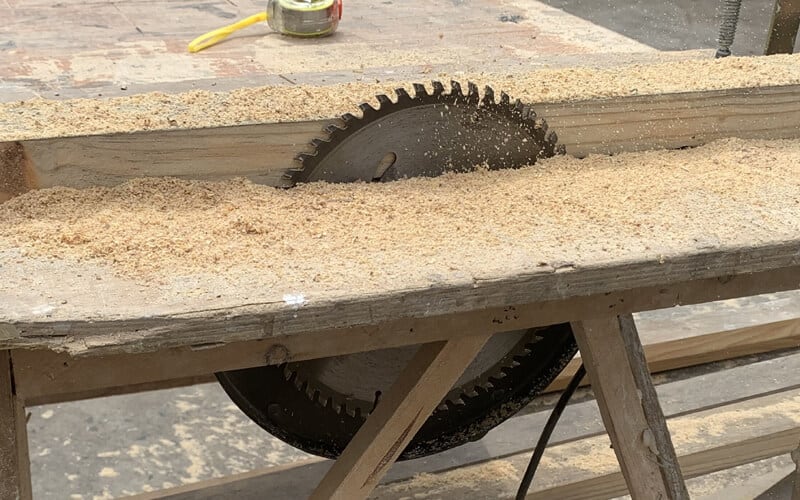
Have you ever wondered how a high-speed steel twist drill bit1 is made? From raw material selection to advanced finishing, the journey of a drill bit involves a blend of materials science, mechanical engineering, and precision manufacturing. Understanding this process can help procurement specialists, engineers, and tool users make informed choices about tool sourcing and performance.
The manufacturing process for HSS twist drill bits begins with alloy selection and progresses through shaping, flute creation, heat treatment, grinding, and surface coating. Every stage is engineered to maximize cutting efficiency, tool life, and reliability across industrial applications.
Drill bits may appear simple, but the details behind their production reveal critical factors that influence quality, durability, and cost. Let’s dive deeper into every phase of the HSS twist drill bit manufacturing process, from material science to industrial use cases.
Overview: Twist Drill Bit Manufacturing
Manufacturing a drill bit is a multi-stage process, each step influencing the performance and longevity of the finished tool.
Manufacturing HSS drill bits involves selecting high-alloy steel, precise shaping, accurate flute machining, controlled heat treatment2, and advanced coatings. Each stage ensures optimal hardness, edge life, chip evacuation, and surface finish.

Unlike simple sharpening or stamping, professional drill bit production demands robust process control and strict adherence to technical standards like ISO, DIN, and ANSI.
What Is an HSS Drill Bit and Why Is It Preferred?
HSS drill bits set the standard for industrial hole making, thanks to their material properties and engineered design.
An HSS drill bit is a rotary cutting tool made from high-speed steel alloy known for retaining hardness under high heat. It can drill steel, non-ferrous metals, plastics, and wood at high production rates.

The combination of tungsten, chromium, molybdenum, cobalt, and vanadium3 delivers exceptional wear resistance, toughness, and red hardness required by modern industry. HSS is the global benchmark for cost-effective, high-volume drilling operations.
Variants: Types of Drill Bits Made from HSS
HSS is the base material for a wide spectrum of drill bit geometries, each suited for particular tasks.
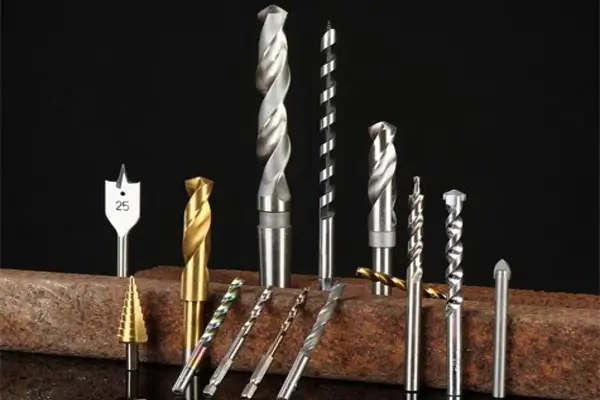
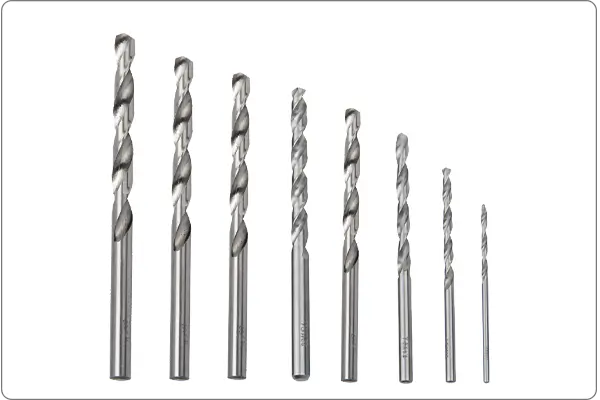
Typical HSS drill bit types include standard twist drills, step drills, brad point designs for wood, center drills, reamers, and hole saws for large diameter cuts. Each features custom flute shapes, point angles, and shank types to suit the machine and material.
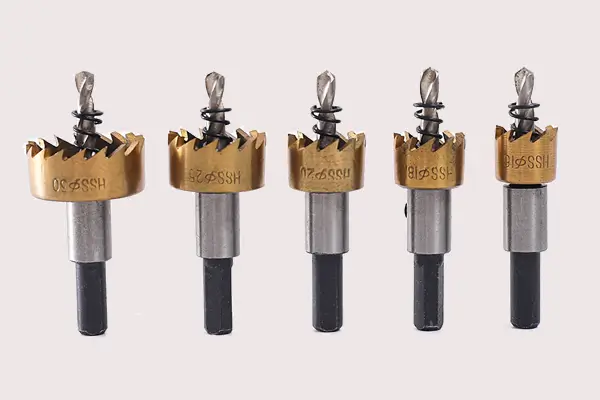
Engineers select bit type based on material, hole size, desired finish, and machine compatibility. HSS’s adaptability supports this specialization, while maintaining affordable costs and consistent performance.
Why High-Speed Steel Is Essential for Drill Bit Manufacturing
Material selection determines key performance indicators like edge retention, cutting efficiency, and resistance to breakage.
High-speed steel is engineered for drilling due to its high hardness, wear resistance, and ability to keep a sharp edge under continuous thermal and mechanical stress. Alloy composition (W, Mo, Co, Cr, V) enables fine grain structure, optimizes tool life, and supports high cutting speeds.
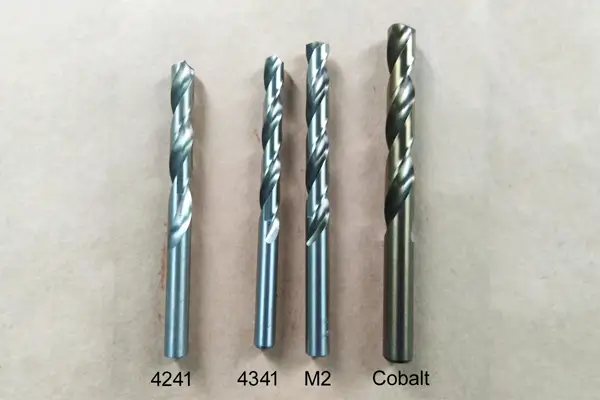
Detailed metallurgical analysis, including optical emission spectroscopy, ensures alloys meet technical standards. HSS outperforms carbon steel in both cutting speed and resistance to plastic deformation, making it indispensable in automotive, aerospace, and construction industries.
Raw Materials and Metallurgical Preparation
The process starts with precisely blended steel—a high-performance alloy created under strict conditions.
HSS billets are produced from steel melts, with controlled additions of tungsten, cobalt, molybdenum, chromium, and vanadium. Each element enhances cutting edge stability and reduces wear in aggressive machining environments. Billets are hot rolled to size and inspected for internal flaws using ultrasonic and magnetic particle testing.
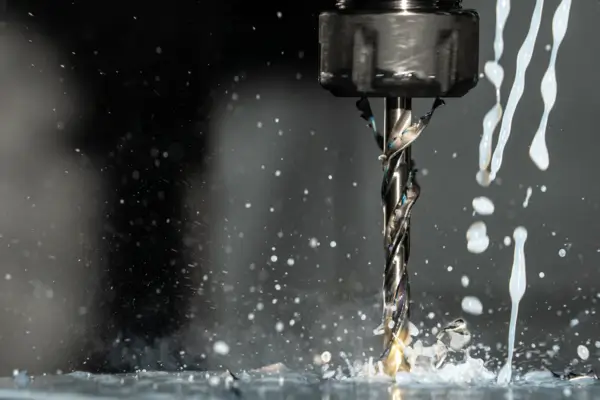
Consistency and purity of raw materials directly affect drill bit strength, reliability, and ability to maintain tight tolerances in advanced manufacturing.
Detailed Steps in the HSS Twist Drill Bit Manufacturing Process
The transformation from blank steel to a finished drill bit is managed by a series of precision steps:
1. Blanking & Cutting:
Steel rods are cut to length to form the bit blank. Size depends on the intended diameter and shank type.
2. Flute Forming:
Three primary methods dominate:
- Milling: Most common for diameters 2.5–70mm. Specialized form cutters carve spiral grooves, shaping flutes prior to heat treatment.
- Rolling: Uses heated blanks and mechanical deformation. Reduces material consumption, increases production rate (up to 20x versus milling), but sacrifices geometric accuracy after heat treatment.
- Grinding: State-of-the-art, used for diameters <15mm, delivers superior finish and tolerance. Post-heat treatment grinding minimizes distortion and provides sharp, accurate flutes.
3. Point Forming & Tip Grinding:
Point angle and chisel edge geometry are set via CNC grinding, individualized for specific materials (118° for general, 135° for steel).
4. Heat Treatment (Quench & Temper):
Drills are heated to 1200°C for austenitization, then rapidly quenched (oil, air, or salt bath). Tempering relieves internal stress, improves toughness, and refines the martensite microstructure.
5. Straightening & Finish Grinding:
Any warpage is corrected. Secondary grinding delivers final edge sharpness and precise size.
6. Coating Application:
Drill bits may be coated with TiN, TiAlN, TiCN, or oxide to increase wear resistance, lower friction, and extend service life by up to 3x.
7. Marking and Inspection:
Bits are laser-marked with size, standard, and lot codes. Automated vision, profile inspection, and hardness testing ensure ISO or DIN compliance.
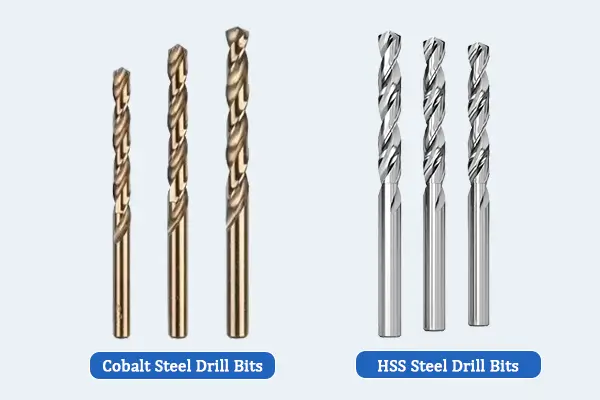
Each stage supports tight dimensional control, consistency, and high efficiency, with material traceability and real-time process monitoring.
Technical Comparison of Flute Manufacturing
| Process | Ra Edge Band | Ra Flute | Flap Symmetry | Radial Runout | Production Rate (units/hr 12mm) | Service Life (holes, VB=0.15mm) |
|---|---|---|---|---|---|---|
| Milling | 4.6 μm | 8.6 μm | 0.105 mm | 0.05 mm | 18 | 28 |
| Rolling | 6.5 μm | 12.5 μm | 0.301 mm | 0.08 mm | 250 | 25 |
| Grinding | 2.5 μm | 3.2 μm | 0.03 mm | 0.01 mm | 98 | 51 |
Grinding delivers best finish, minimal runout, and longest tool life, but is most expensive and suited for small sizes.
Role of Heat Treatment
Heat treatment is the key to red hardness and edge stability.
Precise control of heating, quenching, and tempering ensures drill bits achieve optimal hardness (62–65 HRC) and resistance to fatigue and fracture. Modern factories employ automated furnaces and digital temperature monitoring for repeatability.

Careless heat treatment can result in soft drills, reduced wear resistance, and unpredictable breakage.
Twist Drill Design: Engineering for Cutting Efficiency
Drill bit performance depends on engineering the right geometry—for flutes, helix angle, point angle, web thickness, and relief.
**- Helix angle influences chip removal: 20–30° for general use, >35° for deep holes in aluminum
- Point angle selects material: 118° for soft, 135° for hard
- Web thickness and relief balance strength and sharpness
- Shank styles (straight, tapered, hex) match machine chuck and torque requirements**
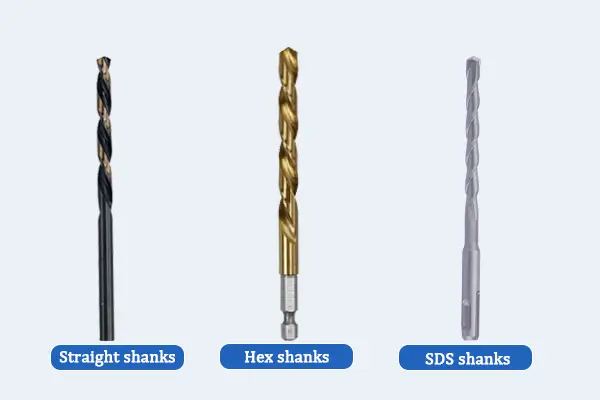
CNC controls, laser measurement, and simulation tools deliver drill bits that maximize metal cutting and minimize vibration or runout.
Bit Size and Shank Variations
HSS drills range in size from sub-millimeter (microelectronics) to custom large-diameter (heavy industry).
**- Metric and imperial sizing
- Fractional, wire gauge, letter sizes
- Straight shanks for standard chucks
- Tapered or hex shanks for specialized applications**
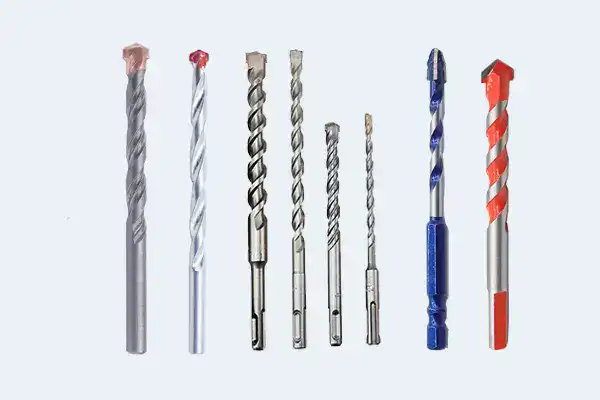
Procurement teams select based on hole geometry, machine holder compatibility, and the material to be drilled.
Advanced Coating Technologies
Modern drill bits often feature advanced coatings:
| Coating | Appearance | Functional Benefit | Recommended For |
|---|---|---|---|
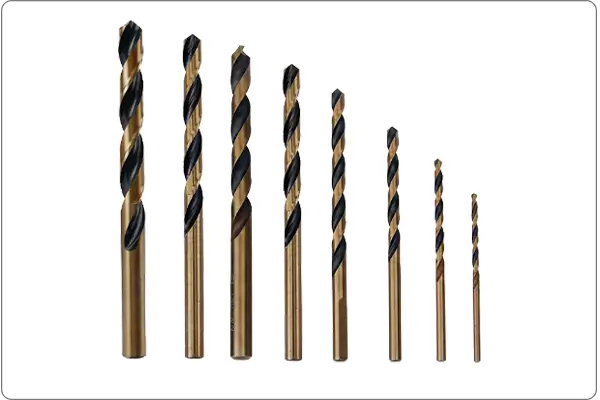
| TiN | Gold | Lubricity, wear resistance | Mild & alloy steels |
| TiAlN | Dark purple/black | Heat resistance | Stainless, abrasive metals |
| TiCN | Blue-gray | Toughness | High alloy, hard steel |
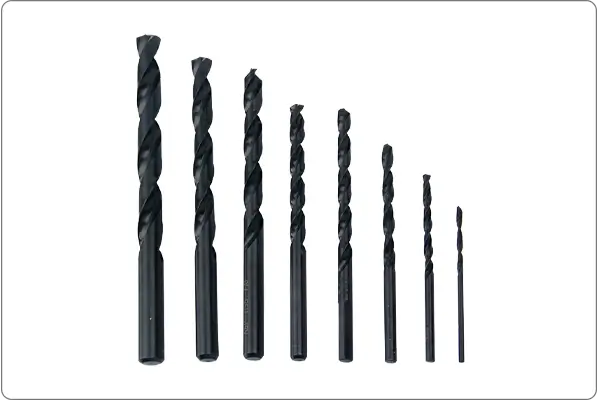
| Oxide | Black | Fluid retention, low friction | General steel |
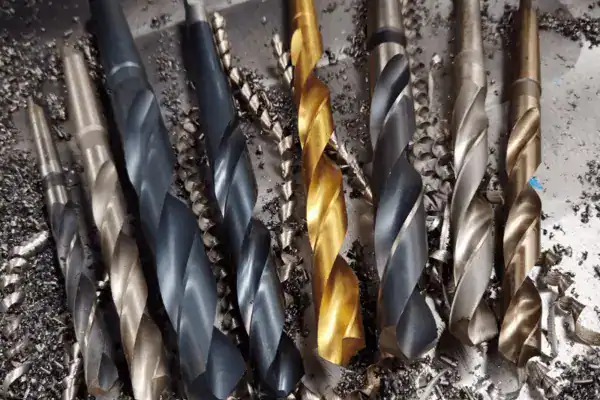
Nano-coatings now appear in high-performance bits, and R&D continues to push edge life and speed limits.
Factors Influencing Tool Wear and Performance
Drill bit failure comes from heat, abrasive contact, misaligned cutting, and insufficient cooling.
Prevent tool wear by optimizing feed/speed rates, using appropriate coolants, selecting correct bit geometry, and inspecting wear regularly. Resharpening programs and predictive maintenance cut costs and downtime.

Tool life depends on both manufacturing quality and smart operation. Procurement managers can boost ROI by matching use to specification.
Precision Drilling Applications
High tolerance industries require precise, repeatable holes. Achieving accuracy involves selection, setup, and operations:
**- Use sharp, properly ground HSS bits
- Employ center punch or pilot holes for location
- Apply controlled feed rates and coolant
- Ensure secure workholding and minimal vibration
- Prefer coated bits for repetitive tasks in hard metals**
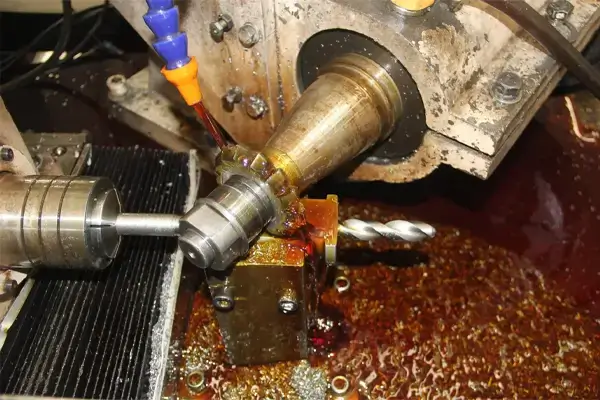
Consistent procurement and machining practices safeguard quality in aerospace, medical, and automotive sectors.
Comparing HSS, Carbide, and Cobalt Drill Bits
| Type | Hardness (HRC) | Heat Resistance | Cost | Resharpenable | Best For |
|---|---|---|---|---|---|
| HSS | 62–65 | Moderate | Low | Yes | General use |
| Cobalt | 66–70 | High | Medium | Yes | Tough alloys |
| Carbide | >75 | Very high | High | No | Ultra-hard metals |
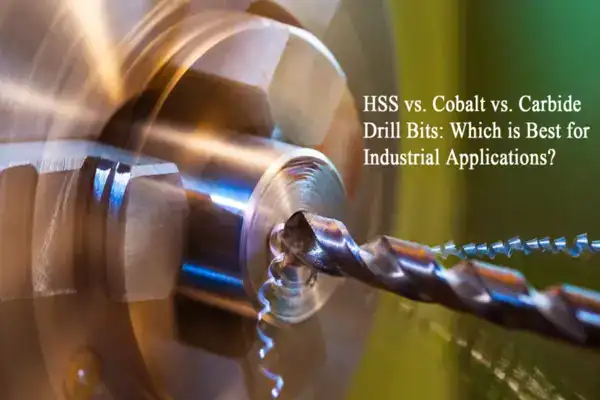
Cobalt and carbide bits excel where HSS can’t—hard metals, extraordinary wear, or ultra-precision. But HSS remains the mainstay for most jobs, thanks to cost and versatility.
Common Industrial Applications for HSS Drill Bits
HSS bits are essential tools across every manufacturing and construction sector.
**- Automotive: drilled engine blocks, frames, brackets
- Aerospace: aluminum, titanium components
- Construction: steel, wood, plastics
- Electronics: circuit boards, connectors
- General engineering: machinery, tools, hardware**

Procurement specifications reflect material, process cycle, cost targets, and industry compliance.
Economic Impact and Process Efficiency
Process selection influences cost, speed, and service life:
| Method | Material Savings | Equipment Cost | Labor Productivity | Scrap Rate | Application |
|---|---|---|---|---|---|
| Milling | Standard | High | Low | Moderate | Prototyping, low volume |
| Rolling | Up to 30% | Medium | Very high | Higher | Mass production |
| Grinding | Standard | High | High | Lowest | Precision jobs |
Grinding is preferred for accuracy-critical work and high-value applications; rolling maximizes material efficiency at scale.
Future Trends in Drill Bit Technology
Innovation in drill bit manufacturing is accelerating, driven by advanced materials, sensors, and automated design:
**- Nano-composite coatings for extreme life and speed
- Smart drills with sensor-based wear monitoring
- Additive manufacturing for custom geometries
- CNC optimization for complex flute profiles
- Sustainable manufacturing for reduced resource footprint**

Market leaders invest in R&D for ultra-fine grain alloys, adaptive twist geometry, and reduced production energy costs. Procurement staff should monitor new technologies and standards to maintain competitiveness and compliance.
Request Your Free Sample



Conclusion
The HSS twist drill bit manufacturing process is a testament to the importance of materials engineering, precision design, and process innovation. From alloy composition to advanced grinding and coating, every step impacts tool life, accuracy, and cost. Purchasing teams, engineers, and operators who understand this process can optimize supply chains, lower total cost of ownership, and ensure reliability on
-
Understanding the manufacturing process of high-speed steel twist drill bits can help you make informed decisions about tool quality and performance. ↩
-
Heat treatment enhances the hardness and durability of drill bits, ensuring they perform well under high-stress conditions. ↩
-
These elements contribute to the wear resistance, toughness, and heat resistance of drill bits, making them suitable for demanding tasks. ↩