

Tile Cutting Drill Bit
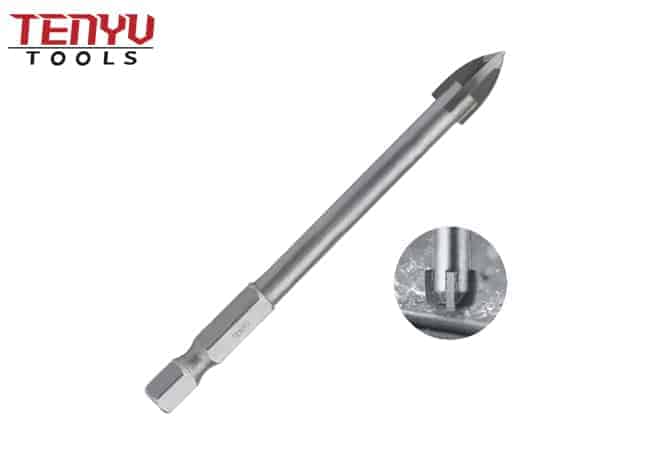
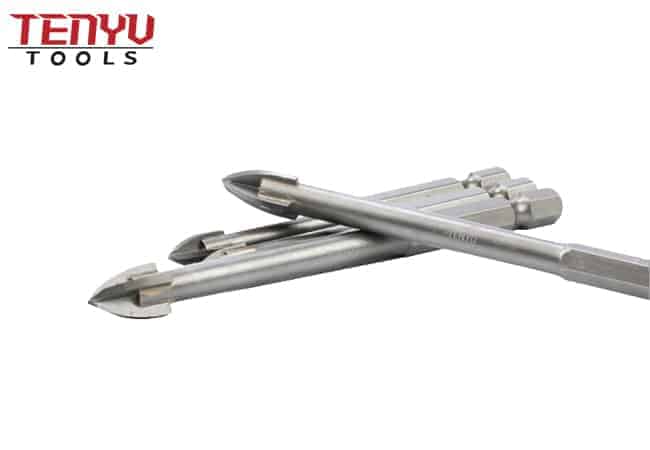
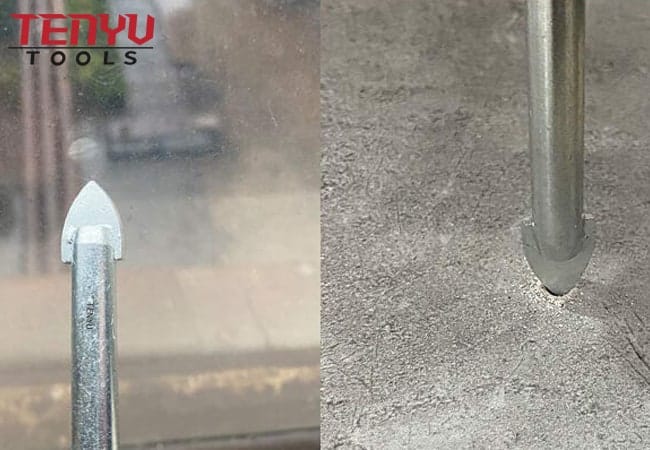
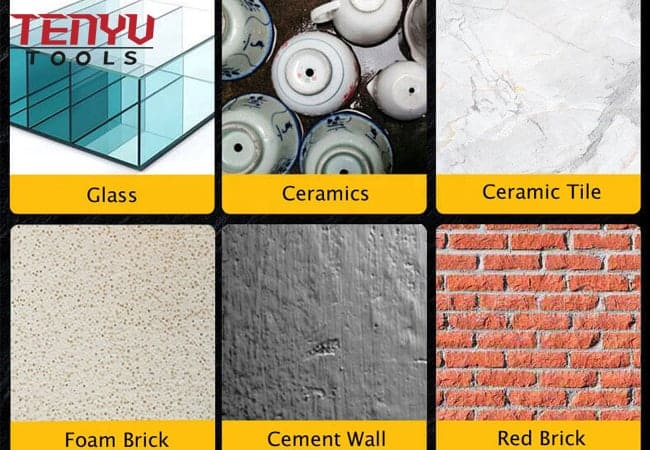
Hex Shank Carbide Cross Tip 20mm Tile Drill Bit for Glass Ceramic Brick Fast Drilling
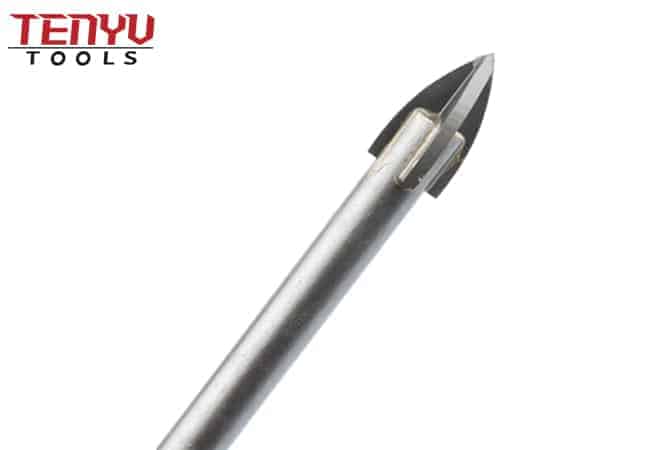
- Top quality tungsten steel alloy head includes minimized resistance as well as far better accuracy as well as is extra put on immune.
- 1/4 inch anti-slip hex shank.
- When drilling difficult product (glazed block, ceramic tile, granite), please include water for air conditioning.
- Drill at a reduced rate to stay clear of crack.
- Great efficiency, making precise and also tidy holes for you.
- Product Details
- Factory
- Material
| Product Description | ||||
| More Choice For You: Home > Tile Drill Bit | ||||
| Product Name | Hex Shank Carbide Cross Tip 20mm Tile Drill Bit for Glass Ceramic Brick Fast Drilling | |||
| Tip Material | Tungsten Carbide(YG6X Alloy) | |||
| Body Material | Carbon Steel | |||
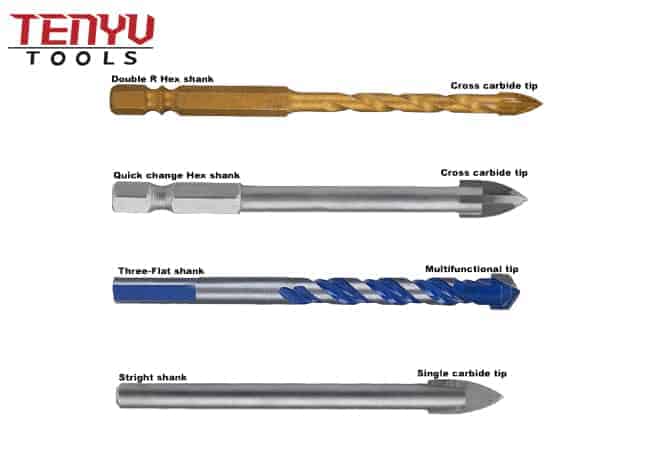
| Tip Type | Cross Carbide Tip (We also have Single Carbide Tip) | |||
| Shank | Quick Change Hex Shank(We Also have Round Shank, Three Flat Shank) | |||
| Surface Finish | Sand Blasted(We also have Titanium Coated, Nickel Plated, Chrome Plated, Black Oxide) | |||
| Process | Tungsten Carbide Tip Welded to Carbon Steel Body | |||
| Package | PVC Pouch, PVC Double Blister or PVC Blister Card | |||
| Product Size | |||
| Diameter | Overall Length | Diameter | Overall Length |
| mm | mm | Inch | Inch |
| 3 | 60 | 1/8″ | 2-1/2″ |
| 4 | 60 | 5/32″ | 2-1/2″ |
| 5 | 60 | 3/16″ | 2-1/2″ |
| 6 | 60 | 15/64″ | 2-1/2″ |
| 6.35 | 60 | 1/4″ | 2-1/2″ |
| 8 | 80 | 5/16″ | 3-1/2″ |
| 10 | 100 | 3/8″ | 4″ |
| 10 | 100 | 15/32″ | 4″ |
| 12 | 100 | 1/2″ | 4″ |
| 14 | 100 | 9/16″ | 4″ |
| 16 | 100 | 5/8″ | 4″ |
| * Custom-tailor would be available against customers’ requirements | |||

Related Products
Frequently Asked Questions
Q: How To Drill a Hole in Glass?
A: Drilling glass requires a slow, controlled approach and the correct drill bit. Use a diamond or carbide-tipped glass drill bit and start at low speed with light pressure. Keeping the drilling area cool with water helps reduce heat buildup and minimizes the risk of cracking. Always support the glass securely to prevent vibration.

Q: Drill a Hole in a Glass Bottle?
A: To drill a hole in a glass bottle, first stabilize the bottle on a padded surface. Mark the drilling point and begin at a low speed using a glass drill bit. Apply continuous cooling with water and avoid excessive force. Gradual drilling ensures a cleaner hole and reduces the chance of breakage.
Q: Can you Drill Glass without Water?
A: Drilling glass without water is not recommended because friction can generate excessive heat, increasing the likelihood of cracking or damaging the material. Water or coolant helps lubricate the drilling area, improves cutting efficiency, and extends the lifespan of the drill bit.
Q: What Type of Drill Bit for Tile?
A: Tile drilling typically requires a carbide-tipped drill bit or a diamond drill bit, depending on the hardness of the tile. Softer ceramic tiles can often be drilled with standard masonry bits, while harder materials such as porcelain benefit from diamond-coated bits for improved precision and durability.
Q: What is the Best Drill Bit for Ceramic Tile?
A: For ceramic tile, a carbide-tipped tile drill bit or a diamond-coated bit is usually the best choice. These bits are designed to cut through the glazed surface without excessive chipping. Using low drilling speed and steady pressure helps achieve cleaner holes and protects the tile finish.
Q: Can you Drill Porcelain Tiles with a Masonry Bit?
A: While it is possible to drill porcelain tiles with a high-quality masonry bit, glass drill bits are generally more effective due to porcelain’s density and hardness. If using a masonry bit, operate at low speed and apply consistent cooling to reduce wear and prevent tile cracking.